Instituto de Pesquisa HCor, Sao Paulo, SP - Brasil.
Hospital Samaritano Paulista, Sao Paulo, SP - Brasil.
Arq Bras Cardiol. 2021 Jan;116(1):108-116. doi: 10.36660/abc.20190885.
In clinical practice, there is evidence of failure to prescribe evidence-based therapies for patients at high cardiovascular risk. However, in Brazil, data on 1-year outcomes of these patients remain insufficient.
To describe the use of evidence-based therapies and the occurrence of major cardiovascular outcomes and their major predictors in a 12-month follow-up of a Brazilian multicenter registry of patients at high cardiovascular risk.
This prospective observational study documented the outpatient clinical practice of managing patients over 45 years of age and of high cardiovascular risk in both primary and secondary prevention. Patients were followed-up for 1 year, and the prescription of evidence-based therapies and the occurrence of major cardiovascular events (myocardial infarction, stroke, cardiac arrest, and cardiovascular death) were assessed. P-values < 0.05 were considered statistically significant.
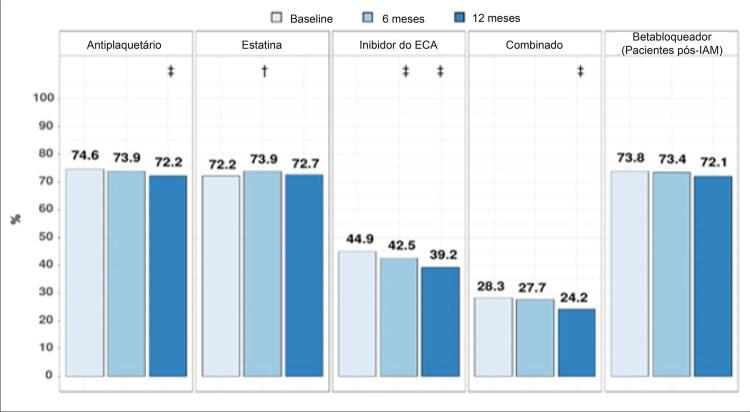
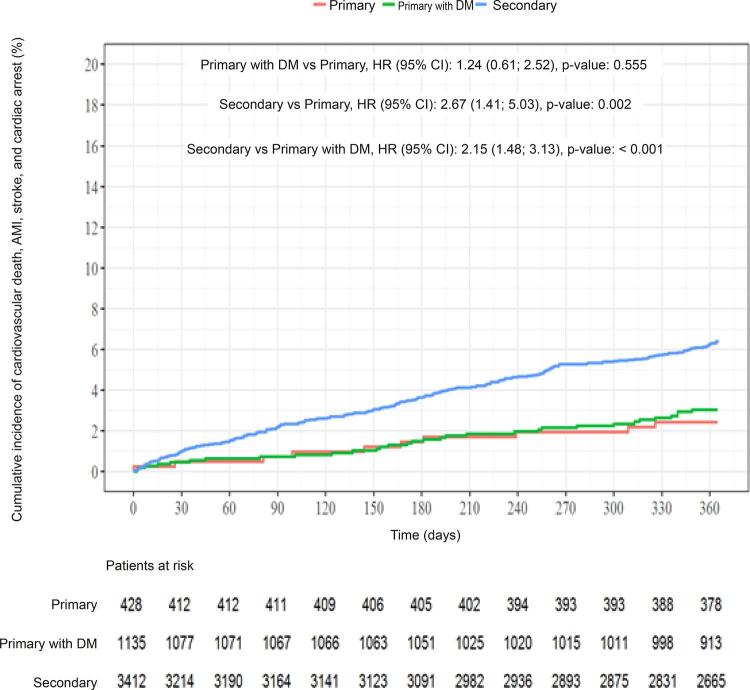
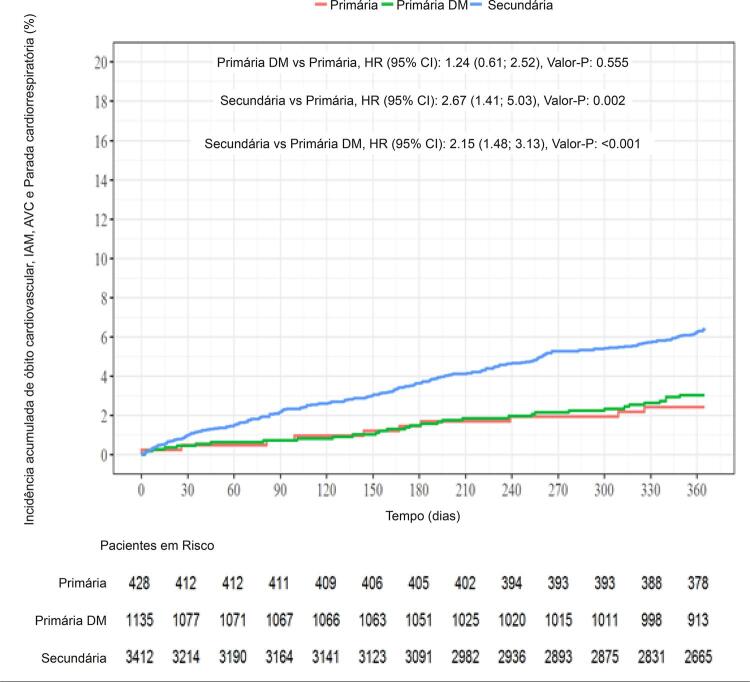
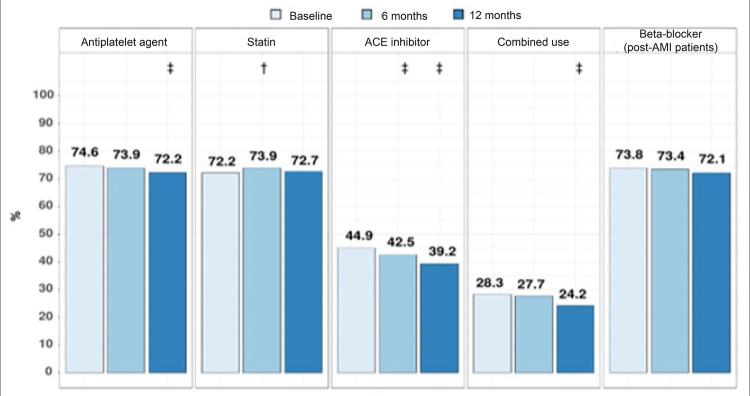
From July 2010 to August 2014, a total of 5076 individuals were enrolled in 48 centers, 91% of the 4975 eligible patients were followed-up in cardiology centers, and 68.6% were in secondary prevention. At 1 year, the concomitant use of antiplatelet agents, statins, and angiotensin-converting enzyme inhibitors reduced from 28.3% to 24.2% (p < 0.001). Major cardiovascular event rate was 5.46%, and the identified predictors were age, patients in secondary prevention, and diabetic nephropathy.
In this large national registry of patients at high cardiovascular risk, risk predictors similar to those of international registries were identified, but medical prescription adherence to evidence-based therapies was inferior and significantly worsened at 1 year. (Arq Bras Cardiol. 2020; [online].ahead print, PP.0-0).
在临床实践中,存在为高心血管风险患者开具循证治疗药物的失败证据。然而,在巴西,这些患者的 1 年结局数据仍不足。
描述在巴西高心血管风险多中心注册研究的 12 个月随访中,这些患者使用循证治疗药物的情况,以及主要心血管结局的发生情况及其主要预测因素。
这项前瞻性观察性研究记录了年龄超过 45 岁且具有高心血管风险的患者的门诊临床实践,包括一级和二级预防。患者接受了为期 1 年的随访,评估了循证治疗药物的使用情况和主要心血管事件(心肌梗死、卒中和心血管死亡)的发生情况。P 值<0.05 为统计学显著。
2010 年 7 月至 2014 年 8 月,共纳入 5076 例患者,来自 48 个中心。91%的 4975 例符合条件的患者在心脏病学中心进行了随访,其中 68.6%在二级预防中。1 年后,抗血小板药物、他汀类药物和血管紧张素转换酶抑制剂的联合使用率从 28.3%降至 24.2%(P<0.001)。主要心血管事件发生率为 5.46%,确定的预测因素为年龄、二级预防患者和糖尿病肾病。
在这项针对高心血管风险患者的大型全国性注册研究中,发现了与国际注册研究相似的风险预测因素,但循证治疗药物的医嘱遵从率较低,且 1 年后显著恶化。