Department of Laboratory, The First Affiliated Hospital of Guangxi Medical University, Nanning, China.
Department of Endocrinology, The First Affiliated Hospital of Guangxi Medical University, Nanning, China.
FEBS Open Bio. 2021 Mar;11(3):866-879. doi: 10.1002/2211-5463.13067. Epub 2021 Feb 9.
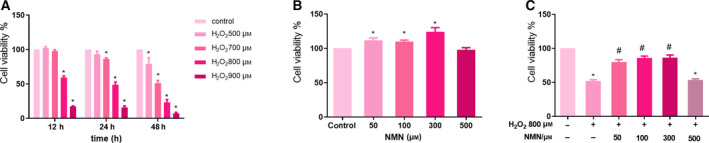
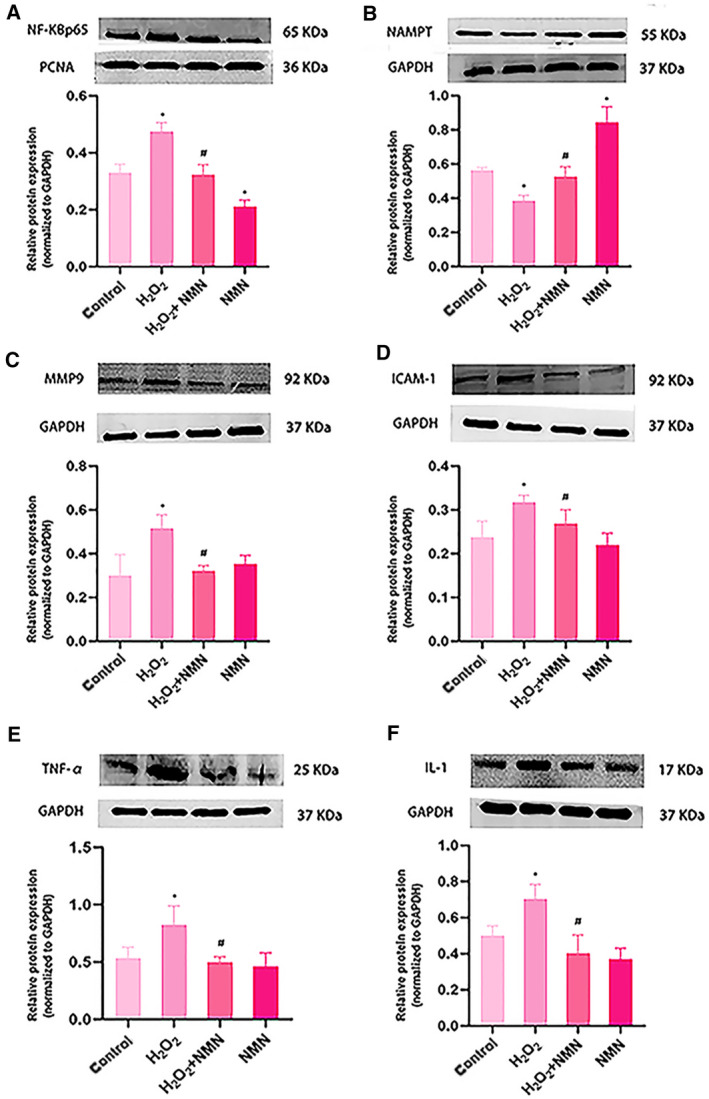
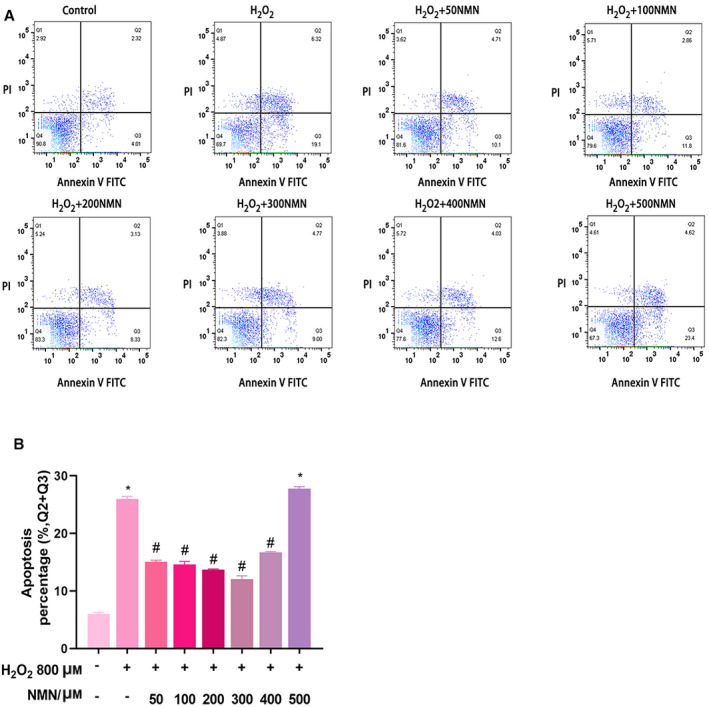
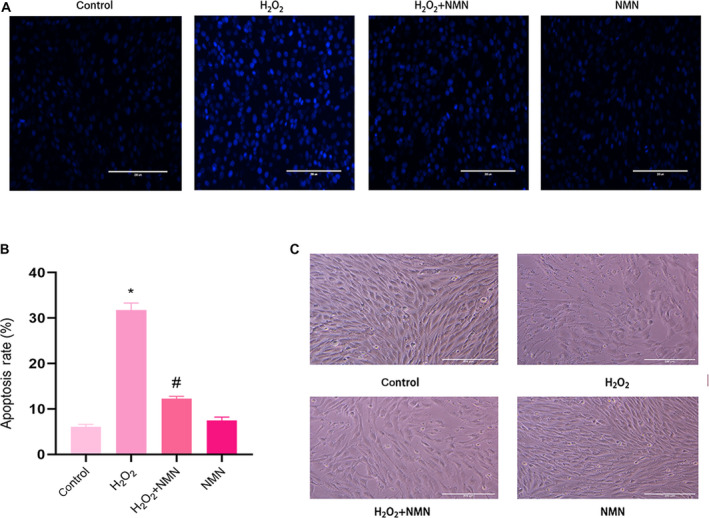
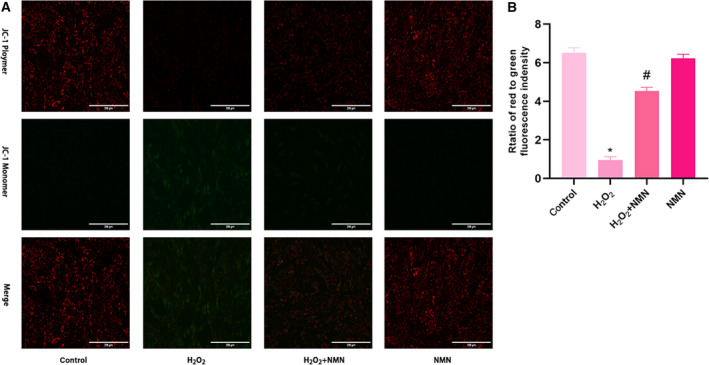
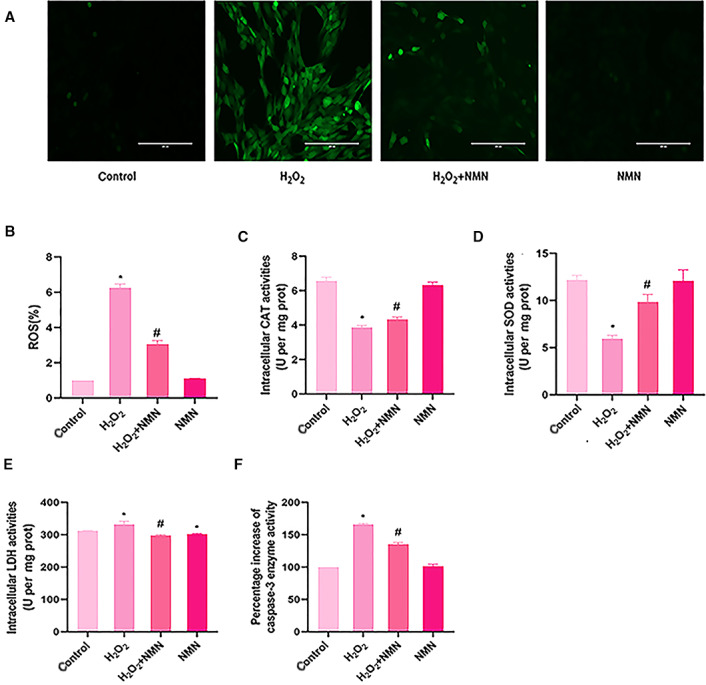
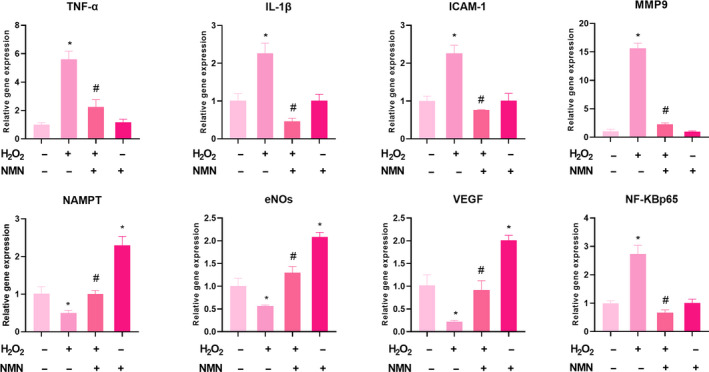
An increasing number of studies have shown that nicotinamide mononucleotide (NMN) can inhibit not only ageing but also oxidative stress and inflammatory reactions by improving energy metabolism. However, the role of NMN in regulating the anti-apoptotic, antioxidative stress and inflammatory responses of brain microvascular endothelial cells is still unknown. Therefore, here we studied the effects of NMN on H O -induced oxidative damage of bEnd.3 cells. In this study, we found that NMN could inhibit the NF-κBp65 inflammatory signalling pathway and increase the expression of the enzymes NAMPT, VEGF and eNOS, alleviating H O -induced apoptosis in bEnd.3 cells. Taken together, these results suggest that NMN reduces H O -induced oxidative stress and apoptosis and improves cell functions by inhibiting the NF-κBp65 inflammatory pathway and increasing NAMPT expression.
越来越多的研究表明,烟酰胺单核苷酸(NMN)通过改善能量代谢,不仅能抑制衰老,还能抑制氧化应激和炎症反应。然而,NMN 调节脑微血管内皮细胞抗凋亡、抗氧化应激和炎症反应的作用尚不清楚。因此,本研究旨在探讨 NMN 对 H2O2诱导的 bEnd.3 细胞氧化损伤的作用。本研究发现,NMN 可抑制 NF-κBp65 炎症信号通路,增加 NAMPT、VEGF 和 eNOS 等酶的表达,减轻 H2O2诱导的 bEnd.3 细胞凋亡。综上所述,这些结果表明,NMN 通过抑制 NF-κBp65 炎症通路和增加 NAMPT 的表达,减少 H2O2 诱导的氧化应激和细胞凋亡,改善细胞功能。