Rodrigues Priscila Aparecida, Zaninotto Ana Luiza, Ventresca Hayden M, Neville Iuri Santana, Hayashi Cintya Yukie, Brunoni Andre R, de Paula Guirado Vinicius Monteiro, Teixeira Manoel Jacobsen, Paiva Wellingson Silva
Department of Neurology, University of São Paulo, São Paulo, Brazil.
Speech and Feeding Disorders Lab, Massachusetts General Hospital Institute of Health Professions (MGHIHP), Boston, MA, United States.
Front Neurol. 2020 Dec 4;11:564940. doi: 10.3389/fneur.2020.564940. eCollection 2020.
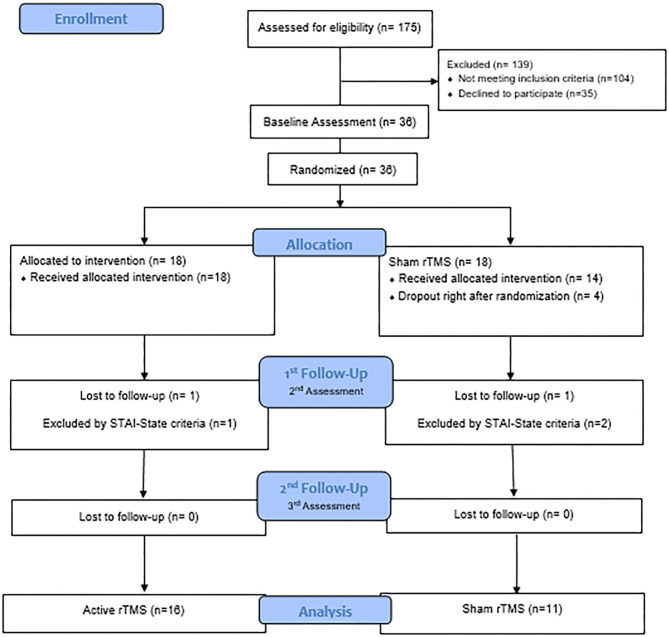
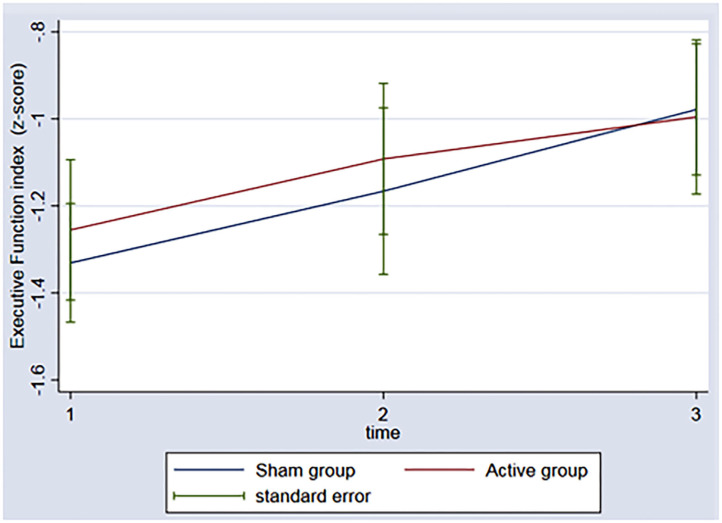
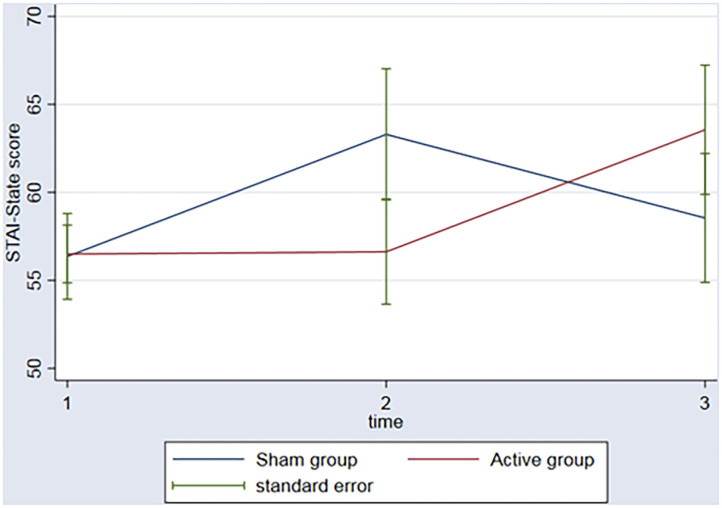
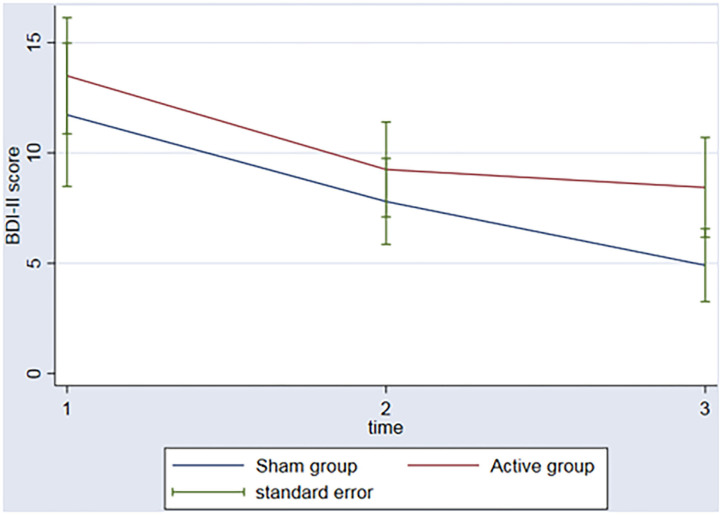
Traumatic brain injury (TBI) is one of the leading causes of neuropsychiatric disorders in young adults. Repetitive Transcranial Magnetic Stimulation (rTMS) has been shown to improve psychiatric symptoms in other neurologic disorders, such as focal epilepsy, Parkinson's disease, and fibromyalgia. However, the efficacy of rTMS as a treatment for anxiety in persons with TBI has never been investigated. This exploratory analyzes the effects of rTMS on anxiety, depression and executive function in participants with moderate to severe chronic TBI. Thirty-six participants with moderate to severe TBI and anxiety symptoms were randomly assigned to an active or sham rTMS condition in a 1:1 ratio. A 10-session protocol was used with 10-Hz rTMS stimulation over the left dorsolateral prefrontal cortex (DLPFC) for 20 min each session, a total of 2,000 pulses were applied at each daily session (40 stimuli/train, 50 trains). Anxiety symptoms; depression and executive function were analyzed at baseline, after the last rTMS session, and 90 days post intervention. Twenty-seven participants completed the entire protocol and were included in the - analysis. Statistical analysis showed no interaction of group and time ( > 0.05) on anxiety scores. Both groups improved depressive and executive functions over time, without time and group interaction ( < 0.05). No adverse effects were reported in either intervention group. rTMS did not improve anxiety symptoms following high frequency rTMS in persons with moderate to severe TBI. www.ClinicalTrials.gov, identifier: NCT02167971.
创伤性脑损伤(TBI)是年轻成年人神经精神障碍的主要原因之一。重复经颅磁刺激(rTMS)已被证明可改善其他神经系统疾病的精神症状,如局灶性癫痫、帕金森病和纤维肌痛。然而,rTMS作为治疗TBI患者焦虑症的疗效从未得到研究。这项探索性研究分析了rTMS对中度至重度慢性TBI患者焦虑、抑郁和执行功能的影响。36名患有中度至重度TBI且有焦虑症状的参与者按1:1的比例随机分配到主动或假rTMS组。采用10次疗程方案,对左侧背外侧前额叶皮质(DLPFC)进行10Hz的rTMS刺激,每次疗程20分钟,每天疗程共施加2000个脉冲(40次刺激/串,50串)。在基线、最后一次rTMS疗程后和干预后90天分析焦虑症状、抑郁和执行功能。27名参与者完成了整个方案并纳入分析。统计分析显示,焦虑评分在组和时间上无交互作用(>0.05)。两组随着时间的推移抑郁和执行功能均有所改善,不存在时间和组的交互作用(<0.05)。两个干预组均未报告不良反应。在中度至重度TBI患者中,高频rTMS后rTMS并未改善焦虑症状。ClinicalTrials.gov网站,标识符:NCT02167971。