Scott H, Phillips T J, Sze Y, Alfieri A, Rogers M F, Volpato V, Case C P, Brunton P J
School of Clinical Sciences, University of Bristol, Learning & Research Building, Southmead Hospital, Bristol, BS10 5NB, UK.
Division of Neurobiology, The Roslin Institute, University of Edinburgh, Easter Bush, Midlothian, EH25 9RG, UK.
Neurobiol Stress. 2020 Nov 29;13:100281. doi: 10.1016/j.ynstr.2020.100281. eCollection 2020 Nov.
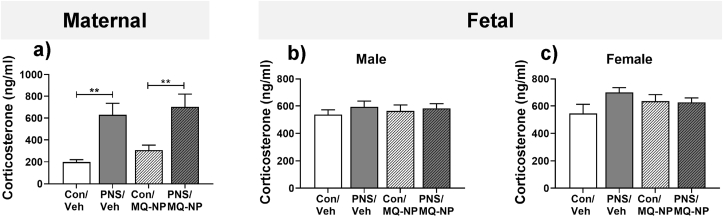
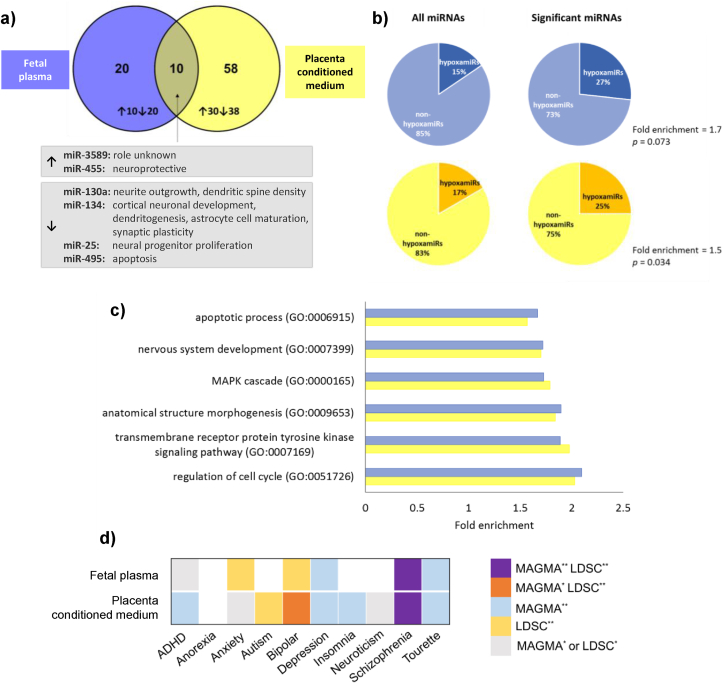
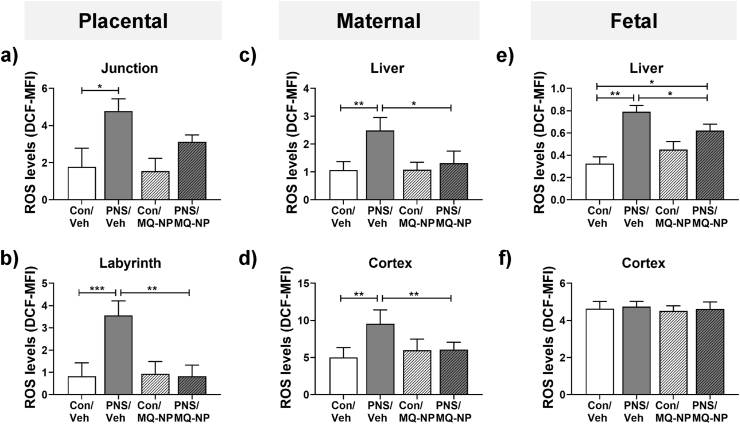
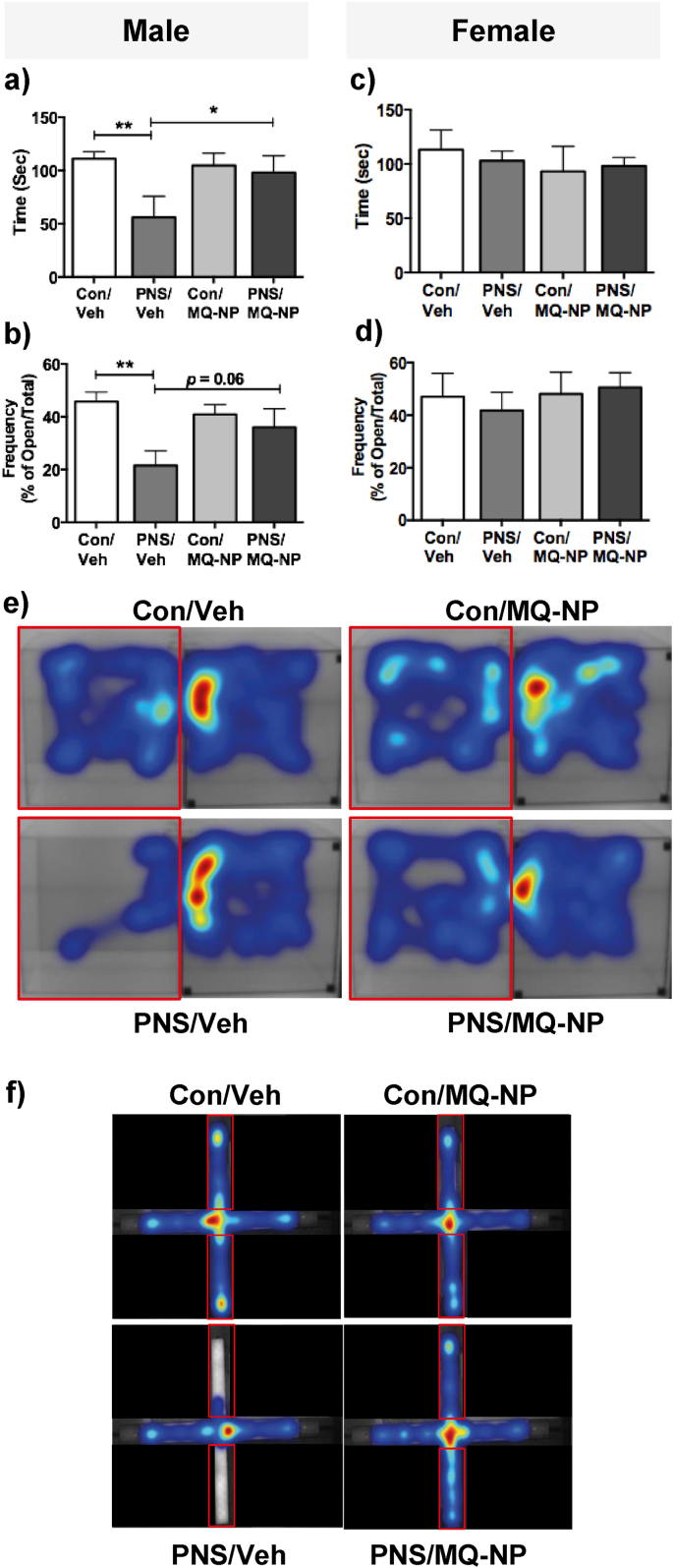
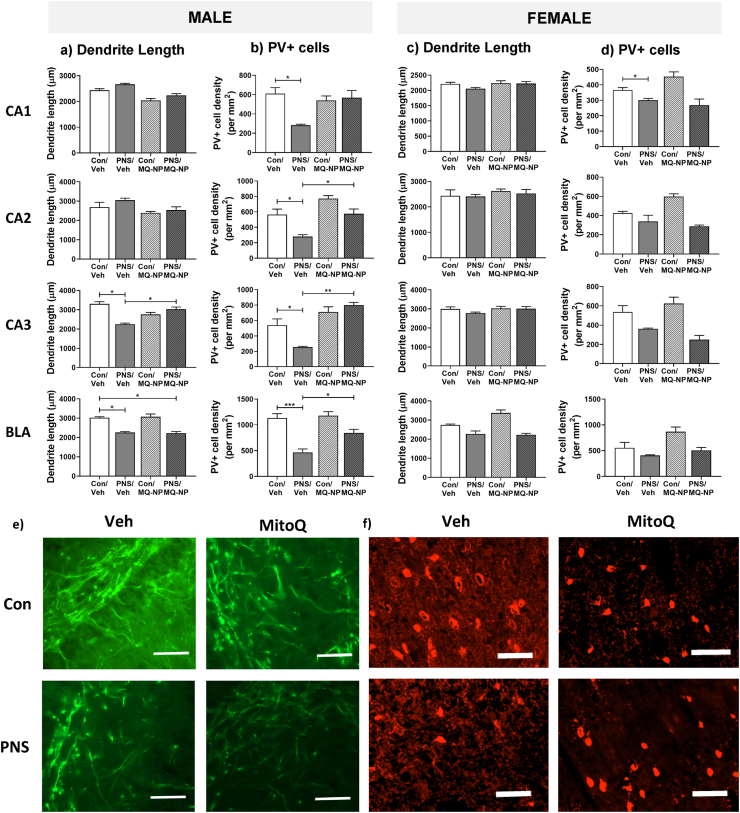
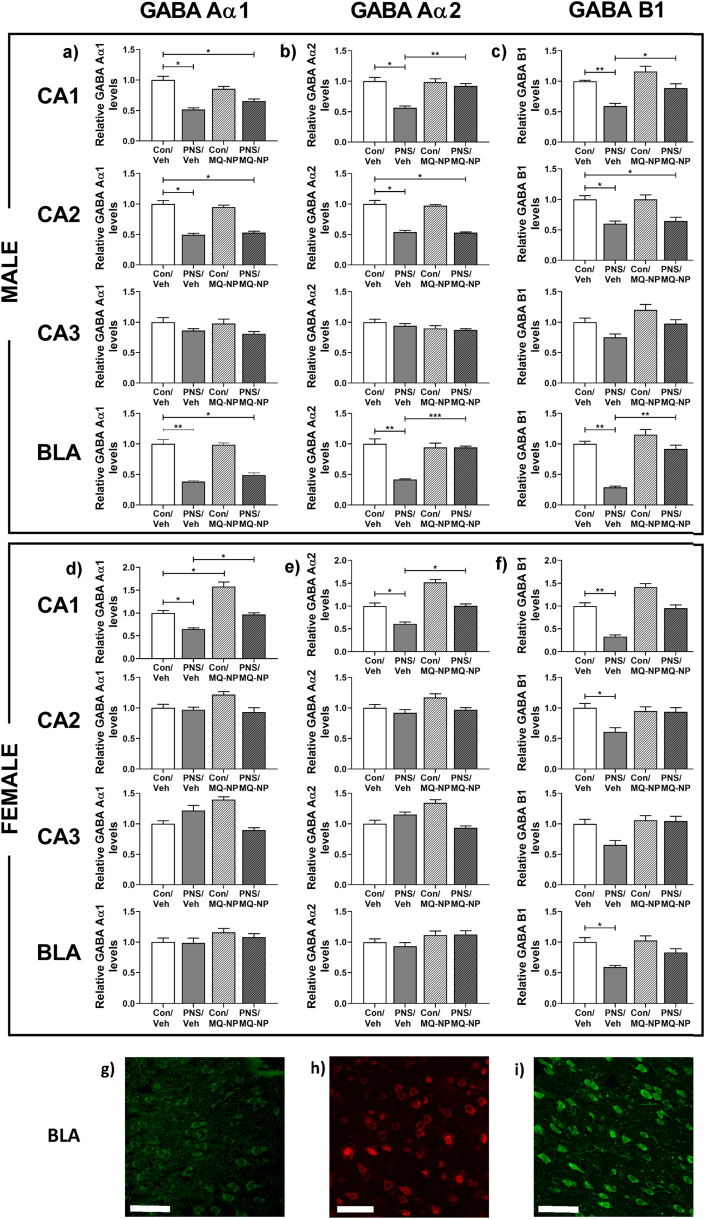
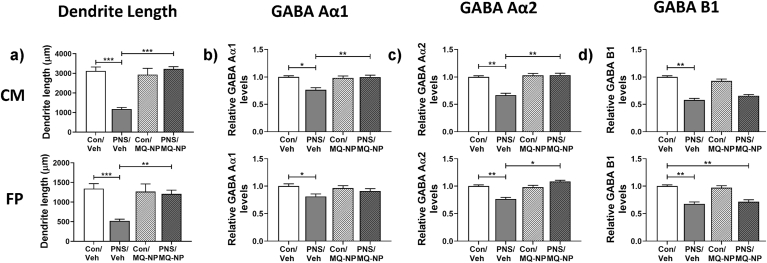
Maternal exposure to stress during pregnancy is associated with an increased risk of psychiatric disorders in the offspring in later life. The mechanisms through which the effects of maternal stress are transmitted to the fetus are unclear, however the placenta, as the interface between mother and fetus, is likely to play a key role. Using a rat model, we investigated a role for placental oxidative stress in conveying the effects of maternal social stress to the fetus and the potential for treatment using a nanoparticle-bound antioxidant to prevent adverse outcomes in the offspring. Maternal psychosocial stress increased circulating corticosterone in the mother, but not in the fetuses. Maternal stress also induced oxidative stress in the placenta, but not in the fetal brain. Blocking oxidative stress using an antioxidant prevented the prenatal stress-induced anxiety phenotype in the male offspring, and prevented sex-specific neurobiological changes, specifically a reduction in dendrite lengths in the hippocampus, as well as reductions in the number of parvalbumin-positive neurons and GABA receptor subunits in the hippocampus and basolateral amygdala of the male offspring. Importantly, many of these effects were mimicked in neuronal cultures by application of placental-conditioned medium or fetal plasma from stressed pregnancies, indicating molecules released from the placenta may mediate the effects of prenatal stress on the fetal brain. Indeed, both placenta-conditioned medium and fetal plasma contained differentially abundant microRNAs following maternal stress, and their predicted targets were enriched for genes relevant to nervous system development and psychiatric disorders. The results highlight placental oxidative stress as a key mediator in transmitting the maternal social stress effects on the offspring's brain and behavior, and offer a potential intervention to prevent stress-induced fetal programming of affective disorders.
孕期母亲暴露于应激状态与后代成年后患精神疾病的风险增加有关。然而,母亲应激的影响传递给胎儿的机制尚不清楚,不过胎盘作为母亲与胎儿之间的界面,可能起着关键作用。我们使用大鼠模型,研究了胎盘氧化应激在将母亲社会应激的影响传递给胎儿过程中的作用,以及使用纳米颗粒结合抗氧化剂进行治疗以预防后代不良后果的可能性。母亲的心理社会应激会增加母亲循环中的皮质酮水平,但不会增加胎儿的皮质酮水平。母亲应激还会诱导胎盘产生氧化应激,但不会诱导胎儿大脑产生氧化应激。使用抗氧化剂阻断氧化应激可预防雄性后代产前应激诱导的焦虑表型,并预防性别特异性神经生物学变化,特别是海马体中树突长度的减少,以及雄性后代海马体和基底外侧杏仁核中小清蛋白阳性神经元数量和GABA受体亚基数量的减少。重要的是,在神经元培养中,应用来自应激妊娠的胎盘条件培养基或胎儿血浆可模拟许多这些效应,这表明从胎盘中释放的分子可能介导产前应激对胎儿大脑的影响。事实上,母亲应激后,胎盘条件培养基和胎儿血浆中均含有丰度不同的微小RNA,其预测靶点富含与神经系统发育和精神疾病相关的基因。这些结果突出了胎盘氧化应激在将母亲社会应激对后代大脑和行为的影响进行传递过程中的关键介导作用,并提供了一种潜在的干预措施来预防应激诱导的情感障碍胎儿编程。