Pérez-López Antonio J, Rodríguez-López María I, Burló Francisco, Carbonell-Barrachina Ángel A, Gabaldón José A, Gómez-López Vicente M
Departamento de Ciencia y Tecnología de Alimentos, Universidad Católica de Murcia (UCAM), Campus de los Jerónimos 135, 30107 Guadalupe, Spain.
Departamento de Tecnología Agroalimentaria, Escuela Politécnica Superior de Orihuela (EPSO), Universidad Miguel Hernández de Elche (UMH), 03312 Orihuela, Spain.
Foods. 2020 Dec 19;9(12):1903. doi: 10.3390/foods9121903.
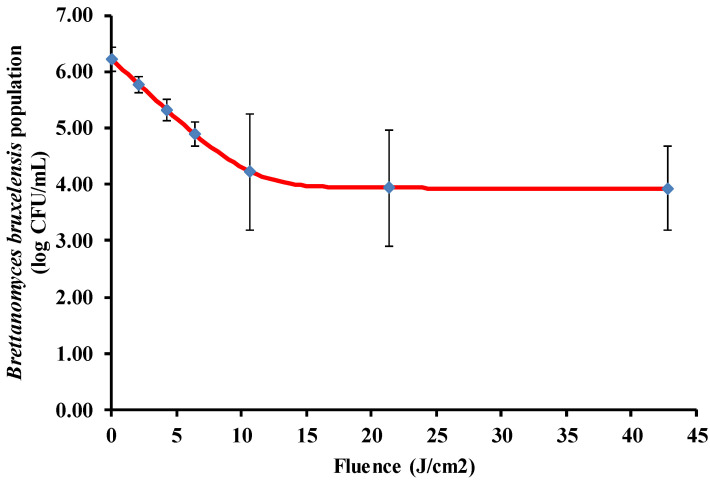
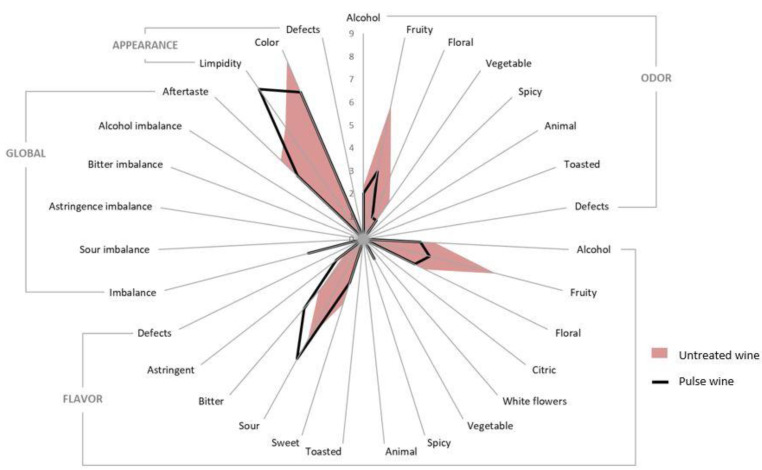
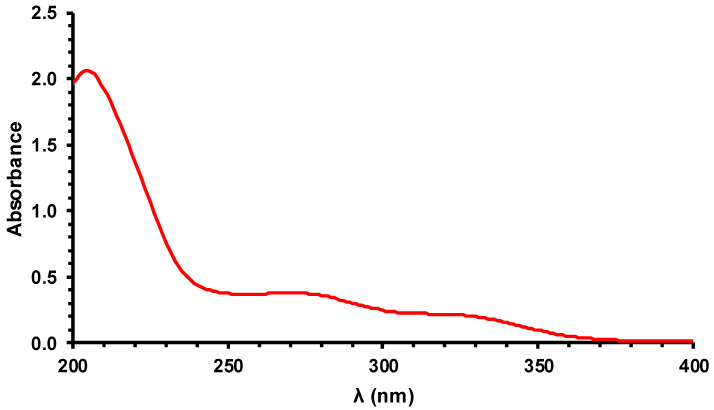
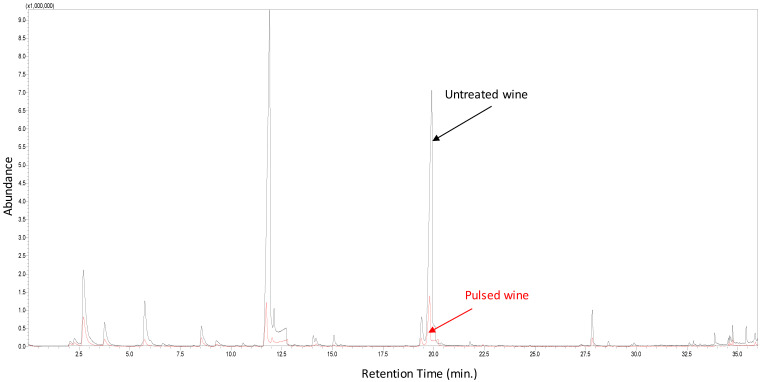
is a wine spoilage yeast that could be inactivated by pulsed light (PL); however, this technology may induce changes in the quality of this alcoholic drink. The present research aimed to determine the potential of PL to inactivate inoculated in white wine and to assess the effect of this technology on the color and aromatic profile of the wine. For this, a cocktail of strains was inoculated into the wine and its inactivation by PL was determined and fitted to a microbial inactivation model. Along with this, the effect of PL on instrument-measured color, and the volatile compounds of the wine were evaluated by GC/MS and descriptive sensory analysis, respectively. was inactivated according to the Geeraerd model including the tail effect, with a maximum inactivation of 2.10 log reduction at 10.7 J/cm; this fluence was selected for further studies. PL affected wine color but the total color difference was below the just noticeable difference at 10.7 J/cm. The concentration of 13 out of 15 volatile compounds decreased due to the PL, which was noticeable by the panel. It is not clear if these compounds were photolyzed or volatilized in the open reactor during treatment. In conclusion, PL is able to inactivate in white wine but the treatment impairs the volatile profile. The use of a closed reactor under turbulent flow is recommended for disaggregating yeast clumps that may cause the tailing of the inactivation curve, and to avoid the possible escape of volatile compounds during treatment.
是一种可被脉冲光(PL)灭活的葡萄酒腐败酵母;然而,这项技术可能会导致这种酒精饮料的品质发生变化。本研究旨在确定脉冲光对白葡萄酒中接种的[具体酵母名称未给出]的灭活潜力,并评估该技术对葡萄酒颜色和香气特征的影响。为此,将[具体酵母名称未给出]菌株的混合物接种到葡萄酒中,测定其被脉冲光灭活的情况,并拟合到微生物灭活模型中。与此同时,分别通过气相色谱/质谱联用(GC/MS)和描述性感官分析评估脉冲光对仪器测量颜色以及葡萄酒挥发性化合物的影响。[具体酵母名称未给出]根据包含拖尾效应的吉拉德模型被灭活,在10.7 J/cm²时最大灭活率为2.10个对数减少;选择该辐照剂量进行进一步研究。脉冲光影响葡萄酒颜色,但在10.7 J/cm²时总色差低于刚可察觉差异。15种挥发性化合物中有13种的浓度因脉冲光而降低,评审小组能够察觉到这一点。目前尚不清楚这些化合物在处理过程中是在开放反应器中被光解还是挥发了。总之,脉冲光能够灭活白葡萄酒中的[具体酵母名称未给出],但处理会损害挥发性特征。建议在湍流条件下使用封闭反应器来打散可能导致灭活曲线拖尾的酵母团块,并避免处理过程中挥发性化合物可能的逸出。