Syed Najmuddin Syed Umar Faruq, Amin Zahiah Mohamed, Tan Sheau Wei, Yeap Swee Keong, Kalyanasundram Jeevanathan, Veerakumarasivam Abhimanyu, Chan Soon Choy, Chia Suet Lin, Yusoff Khatijah, Alitheen Noorjahan Banu
Universiti Putra Malaysia, Serdang, Malaysia.
Institute of Bioscience, Universiti Putra Malaysia, Serdang, Malaysia.
PeerJ. 2020 Dec 8;8:e9761. doi: 10.7717/peerj.9761. eCollection 2020.
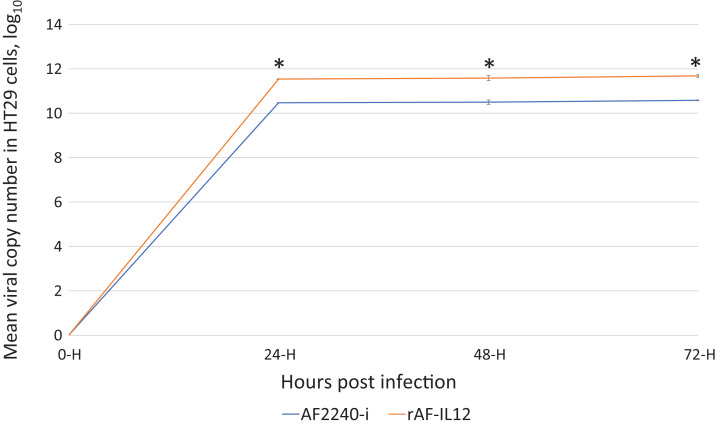
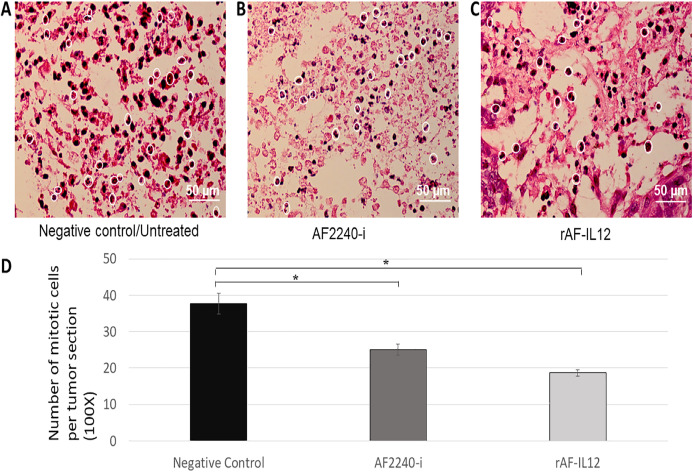
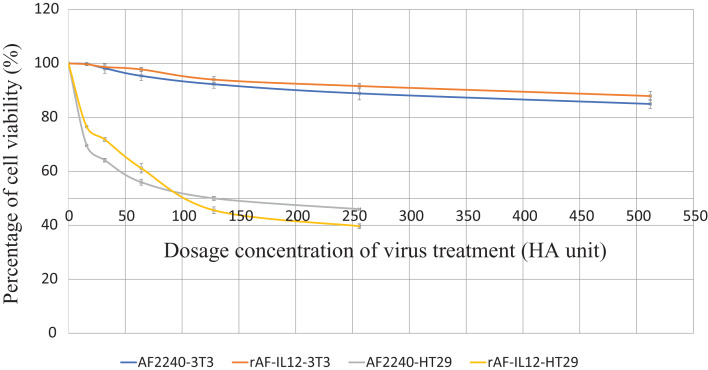
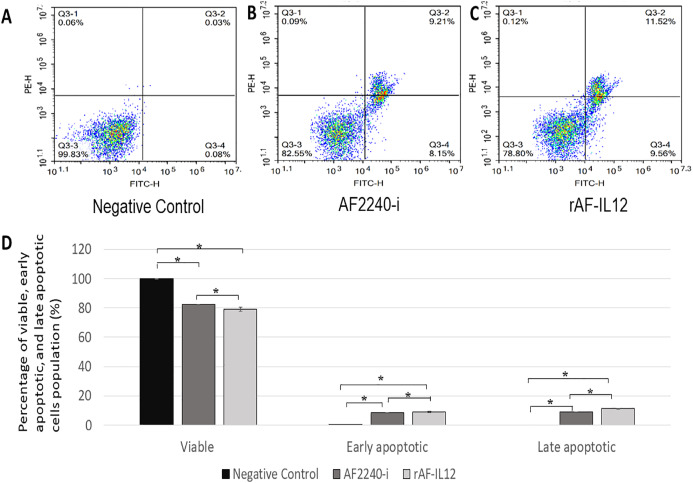
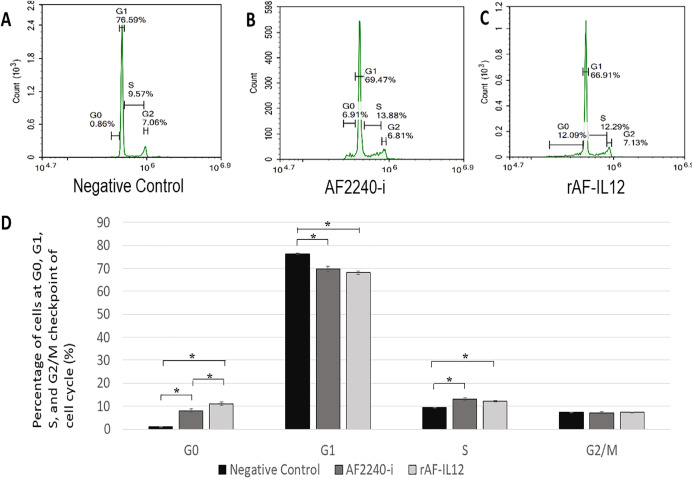
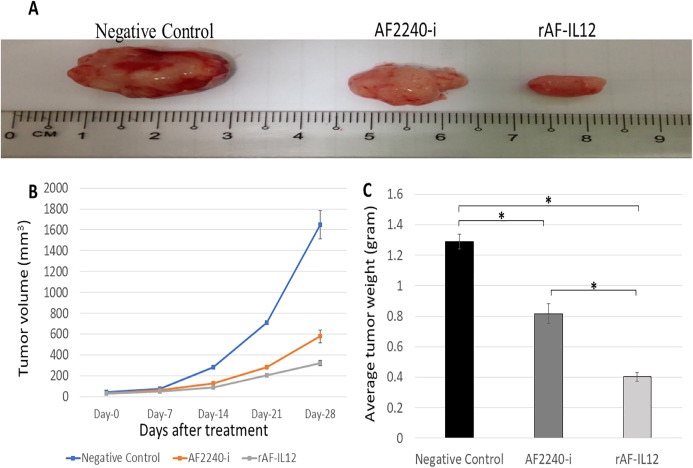
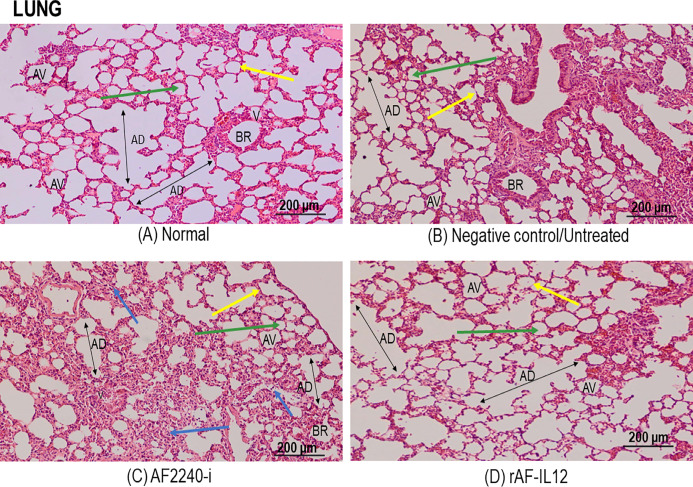
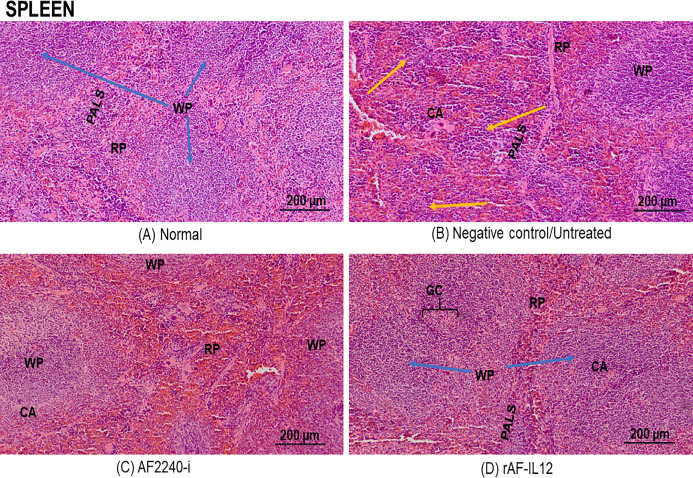
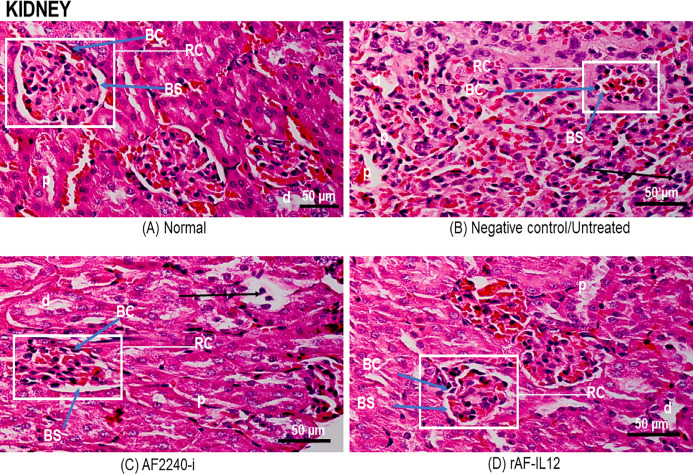
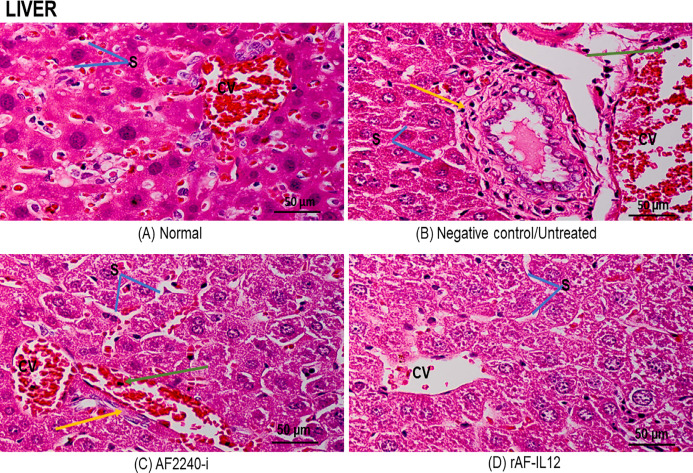
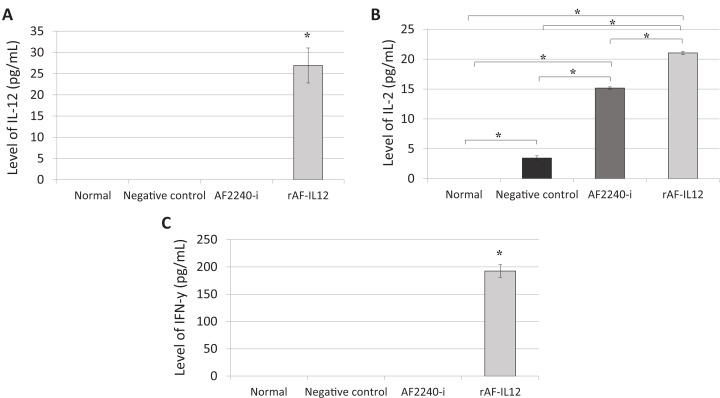
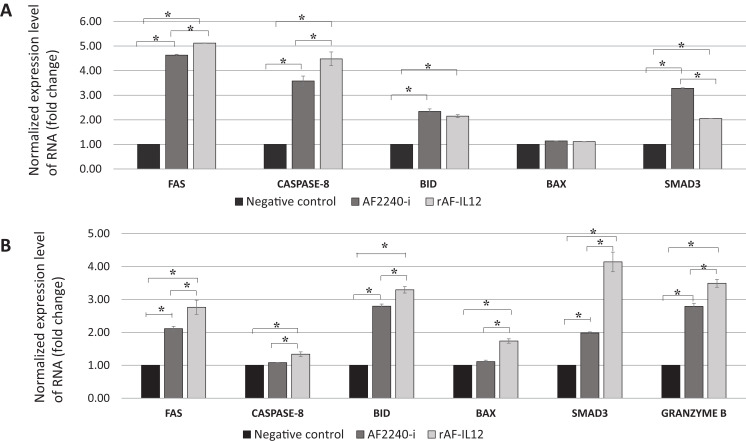
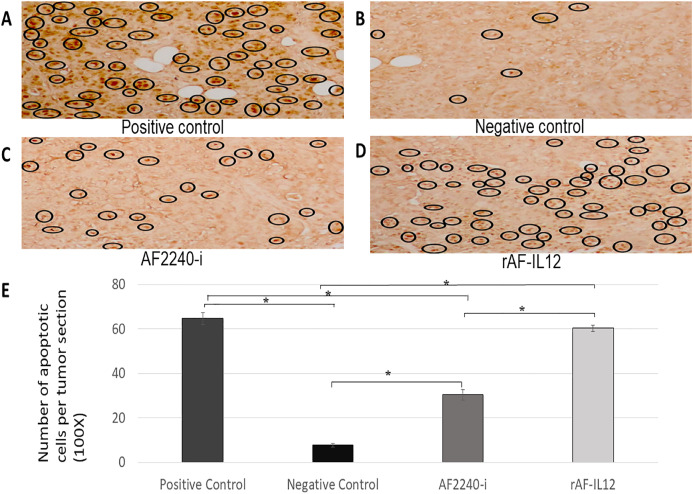
Colon cancer remains one of the main cancers causing death in men and women worldwide as certain colon cancer subtypes are resistant to conventional treatments and the development of new cancer therapies remains elusive. Alternative modalities such as the use of viral-based therapeutic cancer vaccine is still limited, with only the herpes simplex virus (HSV) expressing granulocyte-macrophage colony- stimulating factor (GM-CSF) or talimogene laherparepvec (T-Vec) being approved in the USA and Europe so far. Therefore, it is imperative to continue the search for a new treatment modality. This current study evaluates a combinatorial therapy between the oncolytic Newcastle disease virus (NDV) and interleukin-12 (IL-12) cytokine as a potential therapeutic vaccine to the current anti-cancer drugs. Several in vitro analyses such as MTT assay, Annexin V/FITC flow cytometry, and cell cycle assay were performed to evaluate the cytotoxicity effect of recombinant NDV, rAF-IL12. Meanwhile, serum cytokine, serum biochemical, histopathology of organs and TUNEL assay were carried out to assess the anti-tumoral effects of rAF-IL12 in HT29 tumor-challenged nude mice. The apoptosis mechanism underlying the effect of rAF-IL12 treatment was also investigated using NanoString Gene expression analysis. The recombinant NDV, rAF-IL12 replicated in HT29 colon cancer cells as did its parental virus, AF2240-i. The rAF-IL12 treatment had slightly better cytotoxicity effects towards HT29 cancer cells when compared to the AF2240-i as revealed by the MTT, Annexin V FITC and cell cycle assay. Meanwhile, the 28-day treatment with rAF-IL12 had significantly ( < 0.05) perturbed the growth and progression of HT29 tumor in NCr-Foxn1nu nude mice when compared to the untreated and parental wild-type NDV strain AF2240-i. The rAF-IL12 also modulated the immune system in nude mice by significantly ( < 0.05) increased the level of IL-2, IL-12, and IFN-γ cytokines. Treatment with rAF-IL12 had also significantly ( < 0.05) increased the expression level of apoptosis-related genes such as Fas, caspase-8, BID, BAX, Smad3 and granzyme B in vitro and in vivo. Besides, rAF-IL12 intra-tumoral delivery was considered safe and was not hazardous to the host as evidenced in pathophysiology of the normal tissues and organs of the mice as well as from the serum biochemistry profile of liver and kidney. Therefore, this study proves that rAF-IL12 had better cytotoxicity effects than its parental AF2240-i and could potentially be an ideal treatment for colon cancer in the near future.
结肠癌仍然是全球男性和女性主要的致死癌症之一,因为某些结肠癌亚型对传统治疗具有抗性,而新癌症疗法的开发仍然难以实现。基于病毒的治疗性癌症疫苗等替代疗法仍然有限,到目前为止,只有表达粒细胞-巨噬细胞集落刺激因子(GM-CSF)的单纯疱疹病毒(HSV)或talimogene laherparepvec(T-Vec)在美国和欧洲获得批准。因此,继续寻找新的治疗方式势在必行。本研究评估了溶瘤新城疫病毒(NDV)和白细胞介素-12(IL-12)细胞因子之间的联合疗法,作为当前抗癌药物的潜在治疗性疫苗。进行了几种体外分析,如MTT试验、膜联蛋白V/FITC流式细胞术和细胞周期试验,以评估重组NDV rAF-IL12的细胞毒性作用。同时,进行了血清细胞因子、血清生化、器官组织病理学和TUNEL试验,以评估rAF-IL12对HT29荷瘤裸鼠的抗肿瘤作用。还使用NanoString基因表达分析研究了rAF-IL12治疗效果背后的凋亡机制。重组NDV rAF-IL12与其亲本病毒AF2240-i一样,在HT29结肠癌细胞中复制。MTT、膜联蛋白V FITC和细胞周期试验显示,与AF2240-i相比,rAF-IL12治疗对HT29癌细胞的细胞毒性作用略好。同时,与未治疗的亲本野生型NDV毒株AF2240-i相比,rAF-IL12的28天治疗显著(<0.05)干扰了NCr-Foxn1nu裸鼠中HT29肿瘤的生长和进展。rAF-IL12还通过显著(<0.05)提高IL-2、IL-12和IFN-γ细胞因子的水平来调节裸鼠的免疫系统。rAF-IL12治疗还显著(<0.05)提高了体外和体内凋亡相关基因如Fas、caspase-8、BID、BAX、Smad3和颗粒酶B的表达水平。此外,rAF-IL12瘤内给药被认为是安全的,对宿主没有危害,这在小鼠正常组织和器官的病理生理学以及肝脏和肾脏的血清生化指标中得到了证明。因此,本研究证明rAF-IL12比其亲本AF2240-i具有更好的细胞毒性作用,并且在不久的将来可能成为结肠癌的理想治疗方法。