Department of Neurology and Experimental Neurology, Charité - Universitätsmedizin Berlin, Berlin, Germany.
Department of Nephrology and Medical Intensive Care, Charité - Universitätsmedizin Berlin, Germany.
Brain Behav Immun. 2021 Mar;93:415-419. doi: 10.1016/j.bbi.2020.12.022. Epub 2020 Dec 24.
COVID-19 intensive care patients can present with neurological syndromes, usually in the absence of SARS-CoV-2 in cerebrospinal fluid (CSF). The recent finding of some virus-neutralizing antibodies cross-reacting with brain tissue suggests the possible involvement of specific autoimmunity.
Blood and CSF samples from eleven critically ill COVID-19 patients presenting with unexplained neurological symptoms including myoclonus, oculomotor disturbance, delirium, dystonia and epileptic seizures, were analyzed for anti-neuronal and anti-glial autoantibodies.
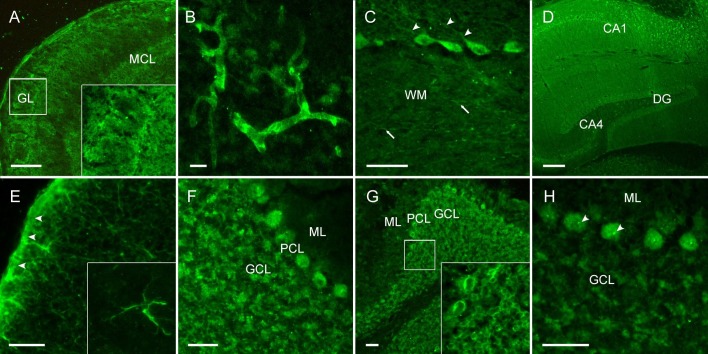
Using cell-based assays and indirect immunofluorescence on unfixed murine brain sections, all patients showed anti-neuronal autoantibodies in serum or CSF. Antigens included intracellular and neuronal surface proteins, such as Yo or NMDA receptor, but also various specific undetermined epitopes, reminiscent of the brain tissue binding observed with certain human monoclonal SARS-CoV-2 antibodies. These included vessel endothelium, astrocytic proteins and neuropil of basal ganglia, hippocampus or olfactory bulb.
The high frequency of autoantibodies targeting the brain in the absence of other explanations suggests a causal relationship to clinical symptoms, in particular to hyperexcitability (myoclonus, seizures). Several underlying autoantigens and their potential molecular mimicry with SARS-CoV-2 still await identification. However, autoantibodies may already now explain some aspects of multi-organ disease in COVID-19 and can guide immunotherapy in selected cases.
COVID-19 重症监护患者可能出现神经系统综合征,通常情况下 COVID-19 病毒不会出现在脑脊液(CSF)中。最近发现一些中和抗体与脑组织发生交叉反应,这表明可能存在特定的自身免疫反应。
从 11 名患有 COVID-19 并出现不明原因神经系统症状(包括肌阵挛、眼球运动障碍、意识障碍、肌张力障碍和癫痫发作)的危重症患者中采集血液和 CSF 样本,分析其是否存在抗神经元和神经胶质自身抗体。
使用基于细胞的检测方法和未经固定的鼠脑切片间接免疫荧光,所有患者的血清或 CSF 中均存在抗神经元自身抗体。抗原包括细胞内和神经元表面蛋白,如 Yo 或 NMDA 受体,还包括各种特定的未知表位,类似于某些人类单克隆 SARS-CoV-2 抗体与脑组织结合的情况。这些抗原包括血管内皮细胞、星形胶质细胞蛋白以及基底节、海马或嗅球的神经原纤维。
在没有其他解释的情况下,大脑中存在大量针对自身的抗体,这表明其与临床症状存在因果关系,尤其是与过度兴奋(肌阵挛、癫痫发作)有关。一些潜在的自身抗原及其与 SARS-CoV-2 的潜在分子模拟仍有待确定。然而,自身抗体可能已经可以解释 COVID-19 中多器官疾病的某些方面,并可以在某些情况下指导免疫治疗。