Bryksová Magdaléna, Hybenová Andrea, Hernándiz Alba E, Novák Ondřej, Pěnčík Aleš, Spíchal Lukáš, De Diego Nuria, Doležal Karel
Department of Chemical Biology and Genetics, Centre of the Region Haná for Biotechnological and Agricultural Research, Faculty of Science, Palacký University, Olomouc, Czechia.
Laboratory of Growth Regulators, Palacký University and Institute of Experimental Botany, Czech Academy of Sciences, Olomouc, Czechia.
Front Plant Sci. 2020 Dec 10;11:599228. doi: 10.3389/fpls.2020.599228. eCollection 2020.
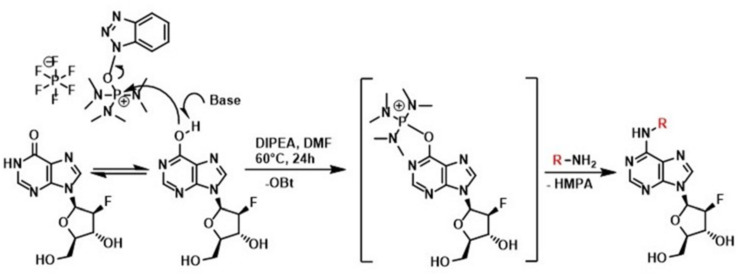
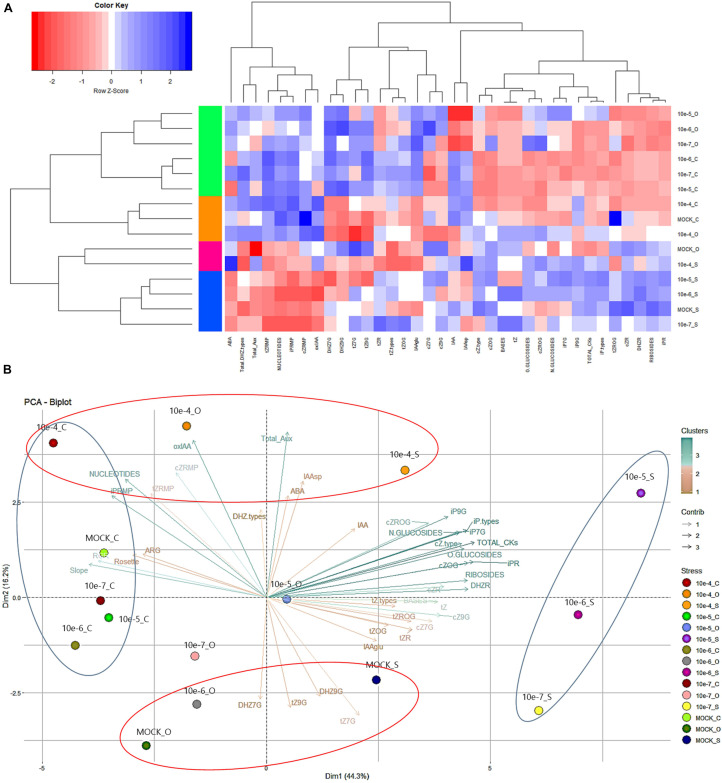
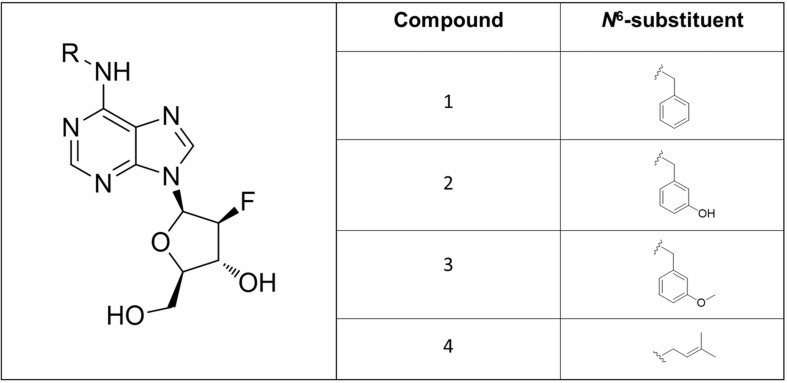
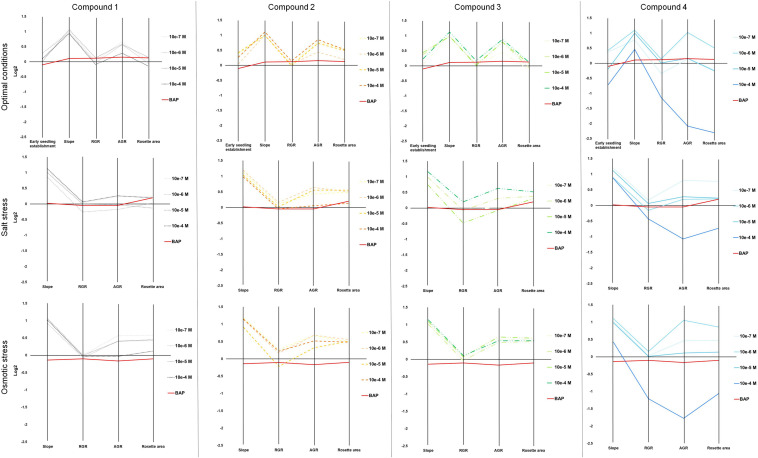
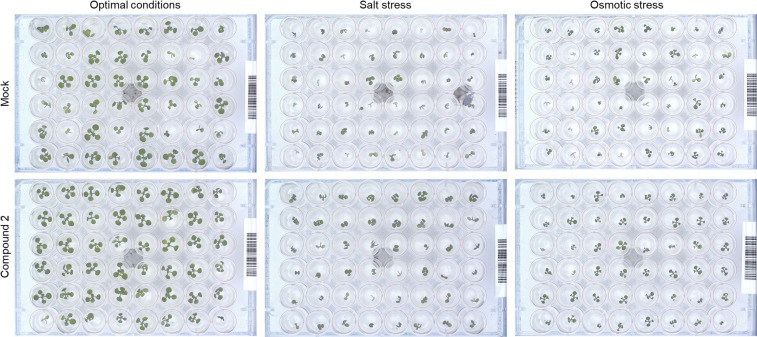
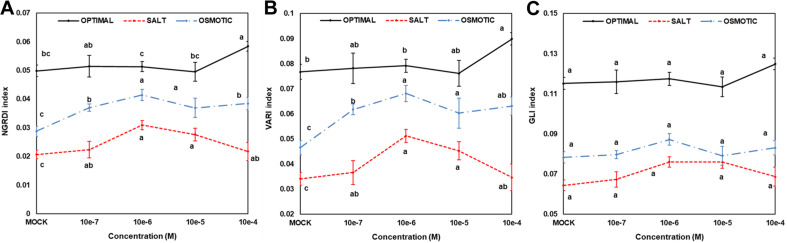
Drought and salinity reduce seed germination, seedling emergence, and early seedling establishment, affect plant metabolism, and hence, reduce crop yield. Development of technologies that can increase plant tolerance of these challenging growth conditions is a major current interest among plant scientists and breeders. Seed priming has become established as one of the practical approaches that can alleviate the negative impact of many environmental stresses and improve the germination and overall performance of crops. Hormopriming using different plant growth regulators has been widely demonstrated as effective, but information about using cytokinins (CKs) as priming agents is limited to only a few studies using kinetin or 6-benzylaminopurine (BAP). Moreover, the mode of action of these compounds in improving seed and plant fitness through priming has not yet been studied. For many years, BAP has been one of the CKs most commonly applied exogenously to plants to delay senescence and reduce the impact of stress. However, rapid endogenous -glucosylation of BAP can result in negative effects. This can be suppressed by hydroxylation of the benzyl ring or by appropriate purine substitution. Replacement of the 2' or 3' hydroxyl groups of a nucleoside with a fluorine atom has shown promising results in drug research and biochemistry as a means of enhancing biological activity and increasing chemical or metabolic stability. Here, we show that the application of this chemical modification in four new -substituted CK derivatives with a fluorinated carbohydrate moiety improved the antisenescence properties of CKs. Besides, detailed phenotypical analysis of the growth and development of Arabidopsis plants primed with the new CK analogs over a broad concentration range and under various environmental conditions revealed that they improve growth regulation and antistress activity. Seed priming with, for example, 6-(3-hydroxybenzylamino)-2'-deoxy-2'-fluoro-9-(β)-D-arabinofuranosylpurine promoted plant growth under control conditions and alleviated the negative effects of the salt and osmotic stress. The mode of action of this hormopriming and its effect on plant metabolism were further analyzed through quantification of the endogenous levels of phytohormones such as CKs, auxins and abscisic acid, and the results are discussed.
干旱和盐碱化会降低种子萌发、幼苗出土及幼苗早期定植率,影响植物新陈代谢,进而降低作物产量。开发能够提高植物对这些具有挑战性生长条件耐受性的技术,是当前植物科学家和育种家的主要研究兴趣所在。种子引发已成为一种切实可行的方法,可减轻多种环境胁迫的负面影响,提高作物的发芽率和整体性能。使用不同植物生长调节剂进行激素引发已被广泛证明是有效的,但关于使用细胞分裂素(CKs)作为引发剂的信息仅限于少数使用激动素或6-苄基腺嘌呤(BAP)的研究。此外,这些化合物通过引发作用改善种子和植物适应性的作用方式尚未得到研究。多年来,BAP一直是最常用于外源处理植物以延缓衰老和减轻胁迫影响的细胞分裂素之一。然而,BAP的快速内源性β-糖基化会产生负面影响。这可以通过苄基环的羟基化或适当的嘌呤取代来抑制。在药物研究和生物化学中,用氟原子取代核苷的2'或3'羟基作为增强生物活性和提高化学或代谢稳定性的手段已显示出有前景的结果。在此,我们表明,这种化学修饰应用于四种具有氟化碳水化合物部分的新型β-取代CK衍生物中,改善了细胞分裂素的抗衰老特性。此外,对用新型CK类似物在广泛浓度范围内和各种环境条件下引发的拟南芥植物的生长发育进行详细的表型分析表明,它们改善了生长调节和抗逆活性。例如,用6-(3-羟基苄基氨基)-2'-脱氧-2'-氟-9-(β)-D-阿拉伯呋喃糖基嘌呤进行种子引发,在对照条件下促进了植物生长,并减轻了盐胁迫和渗透胁迫的负面影响。通过定量分析细胞分裂素、生长素和脱落酸等植物激素的内源水平,进一步分析了这种激素引发的作用方式及其对植物新陈代谢的影响,并对结果进行了讨论。