International Issues Center, Xuchang University, Xuchang, China.
Family Issues Center, Xuchang University, Xuchang, China.
Front Public Health. 2020 Dec 10;8:563180. doi: 10.3389/fpubh.2020.563180. eCollection 2020.
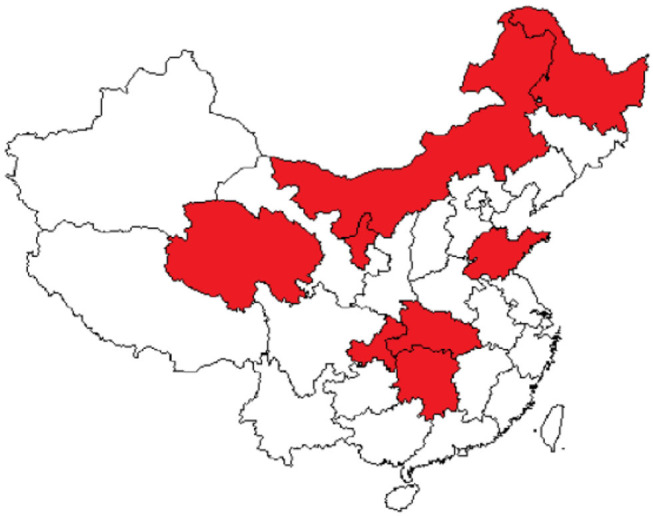
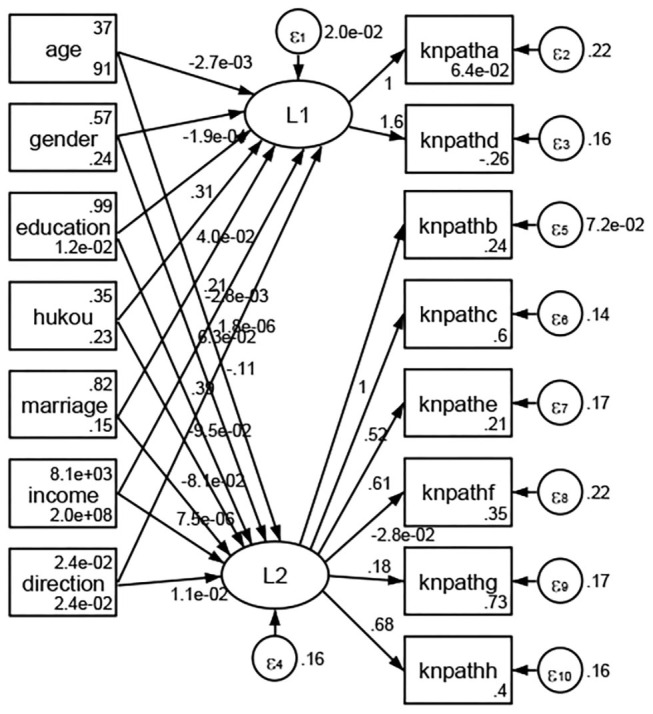
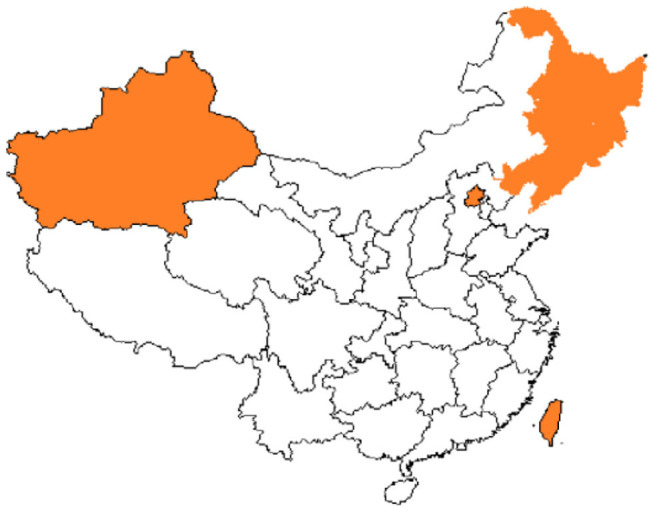
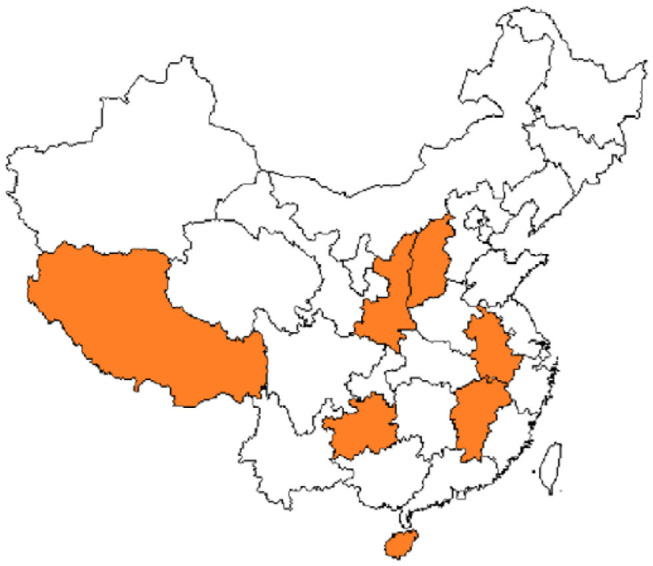
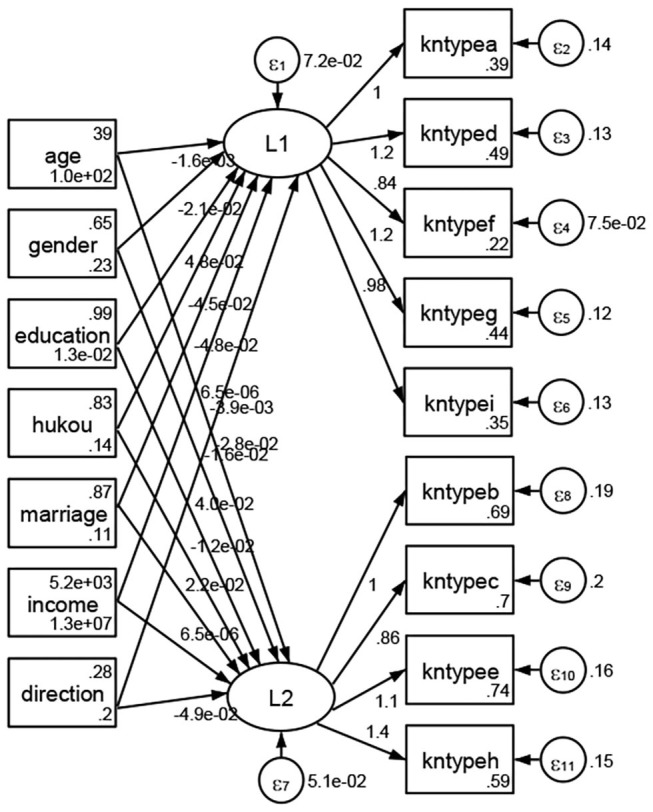
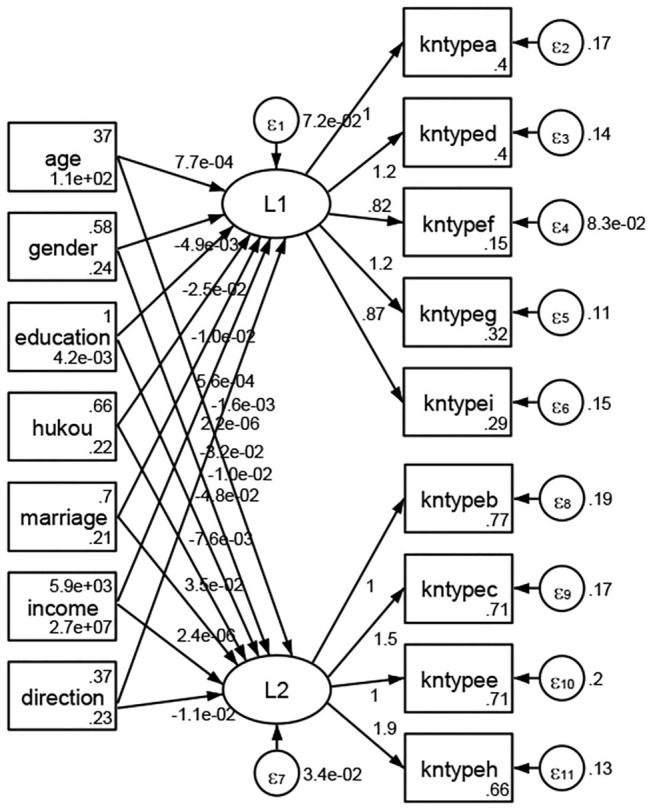
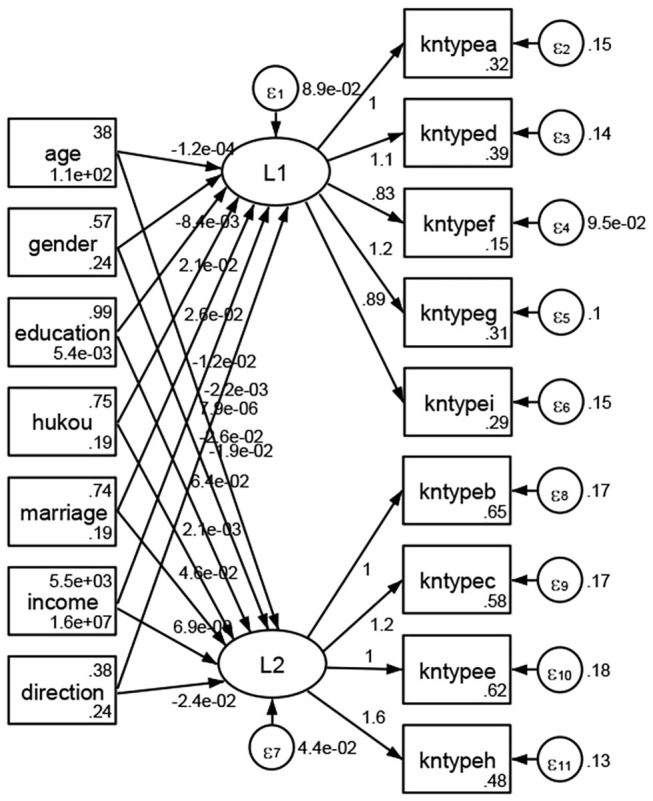
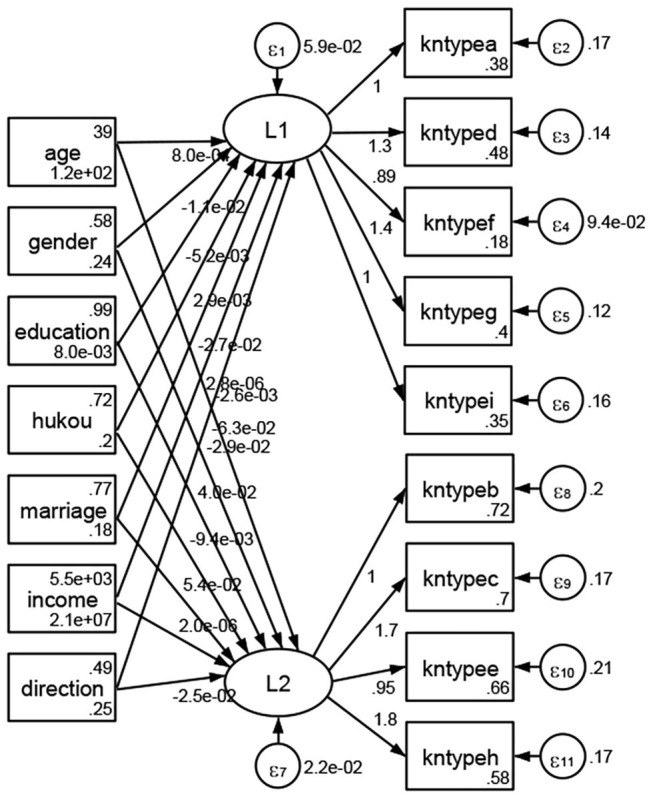
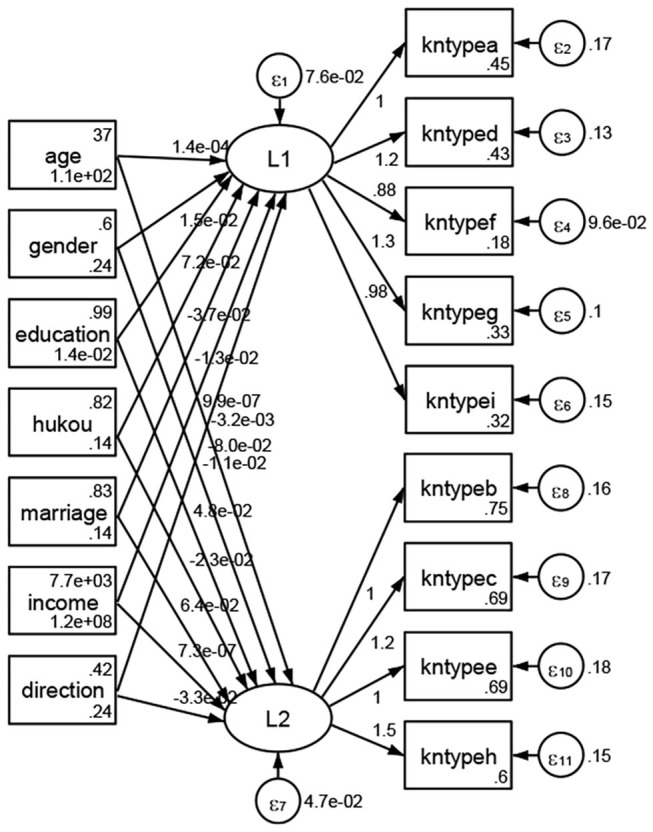
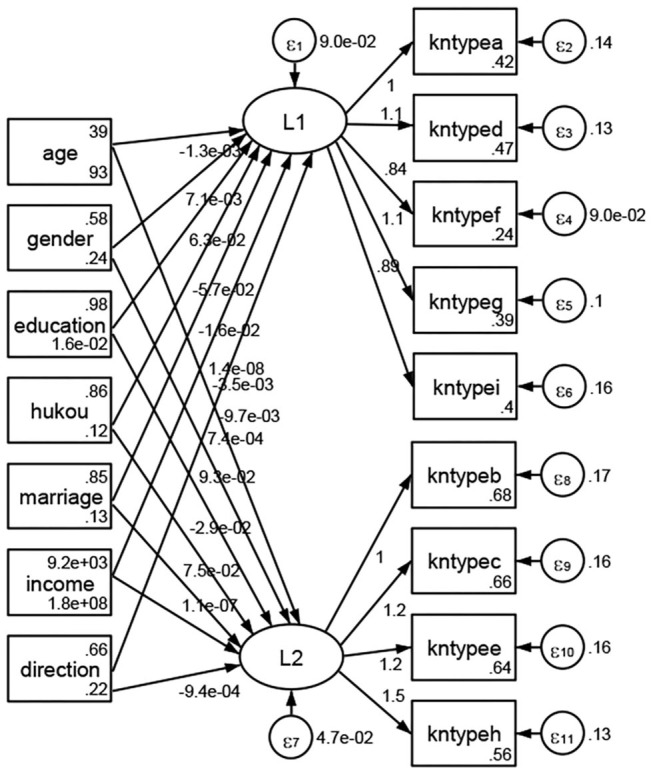
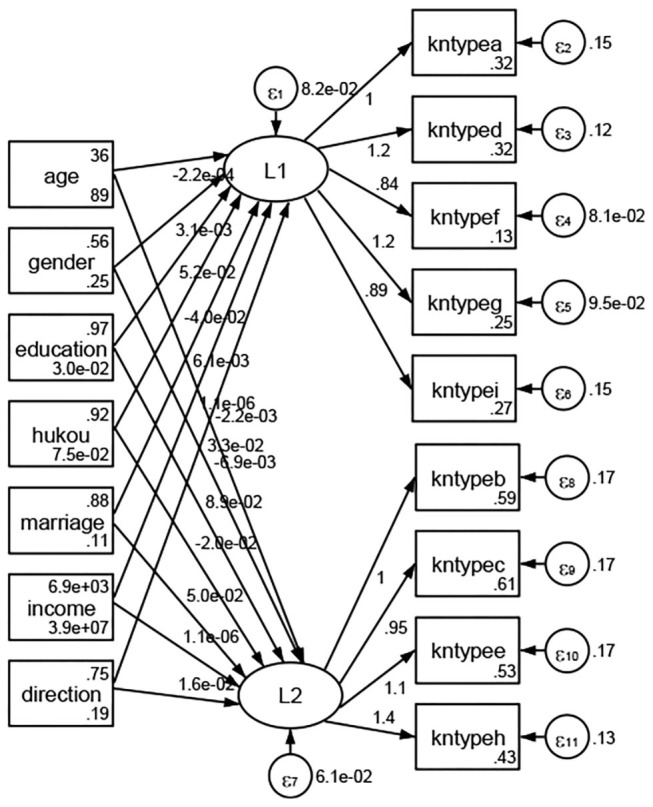
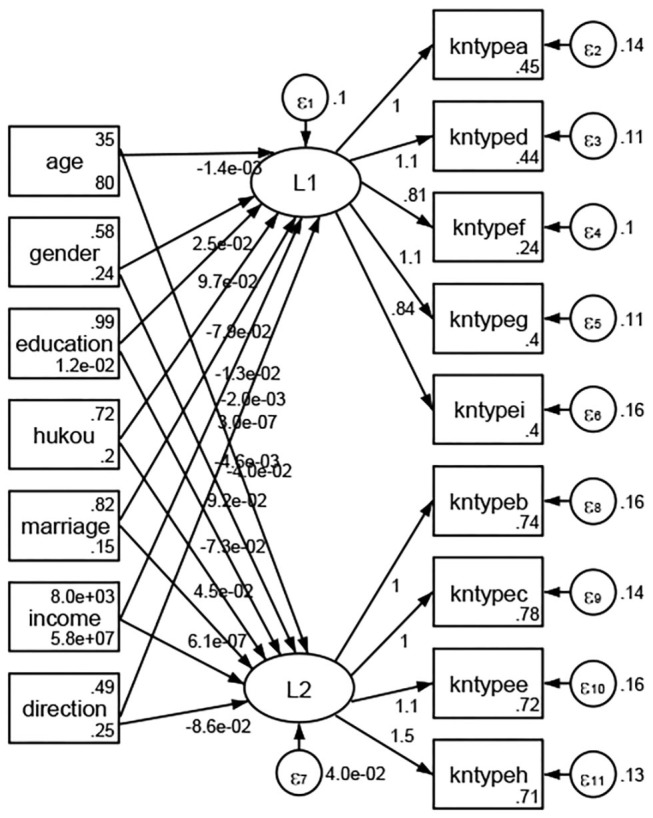
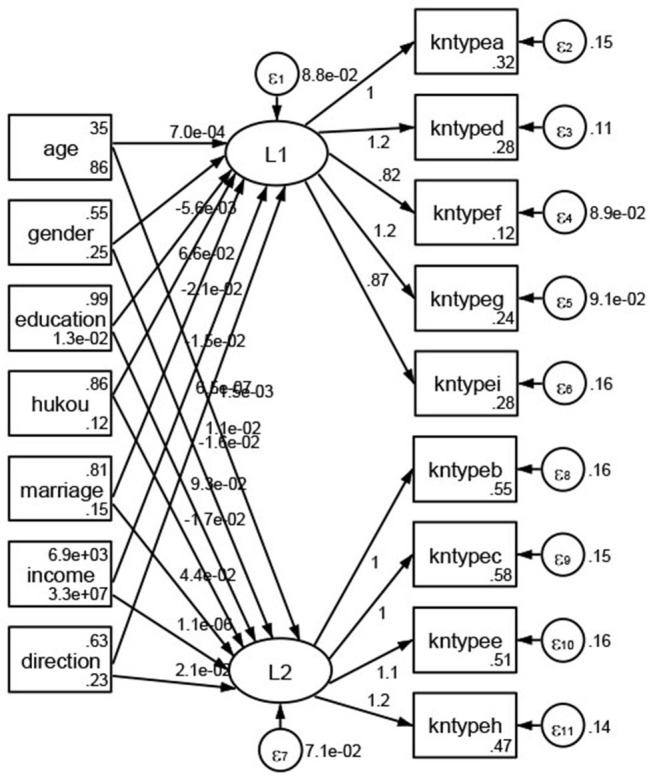
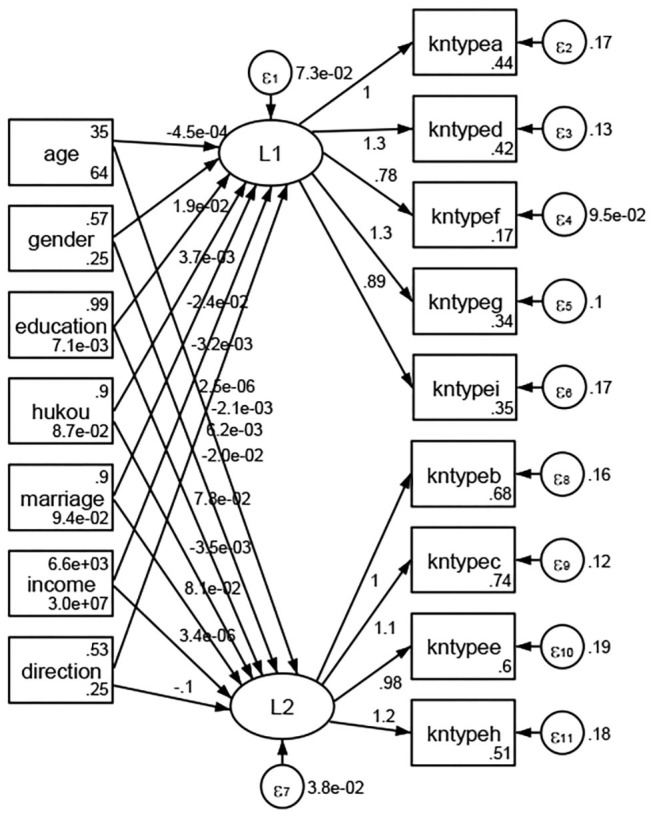
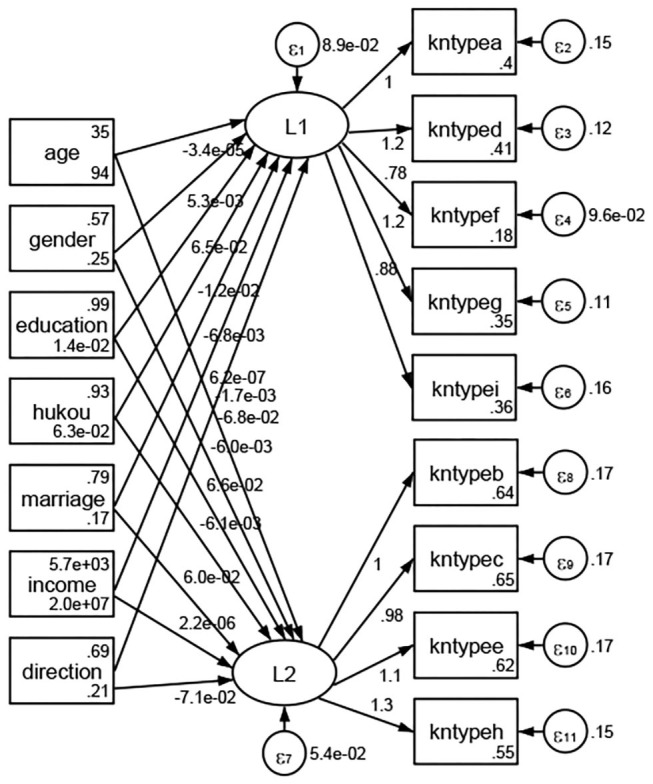
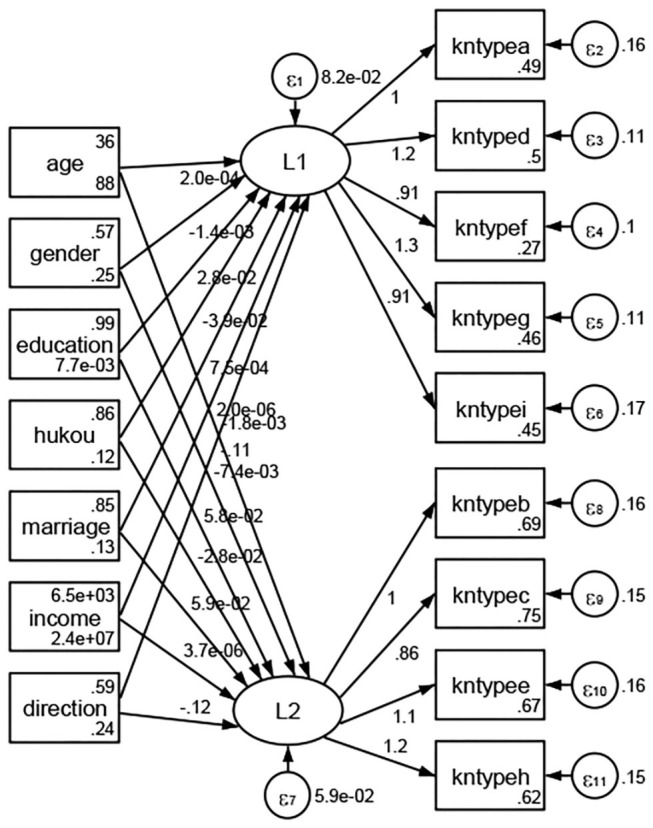
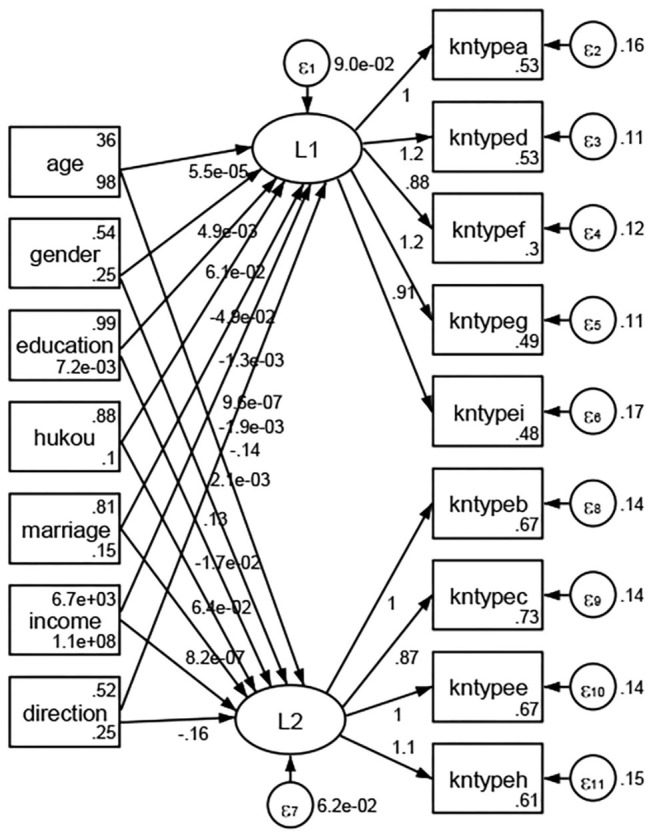
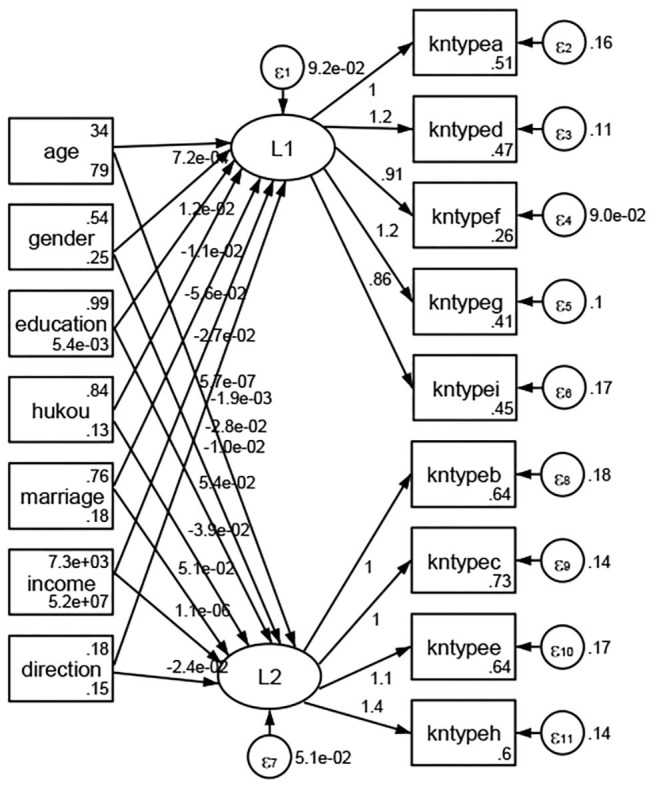
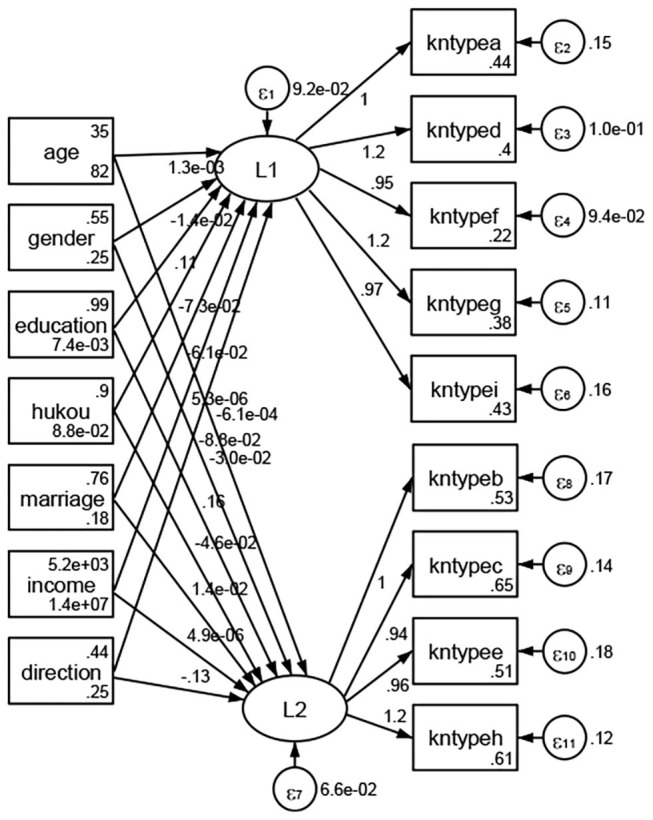
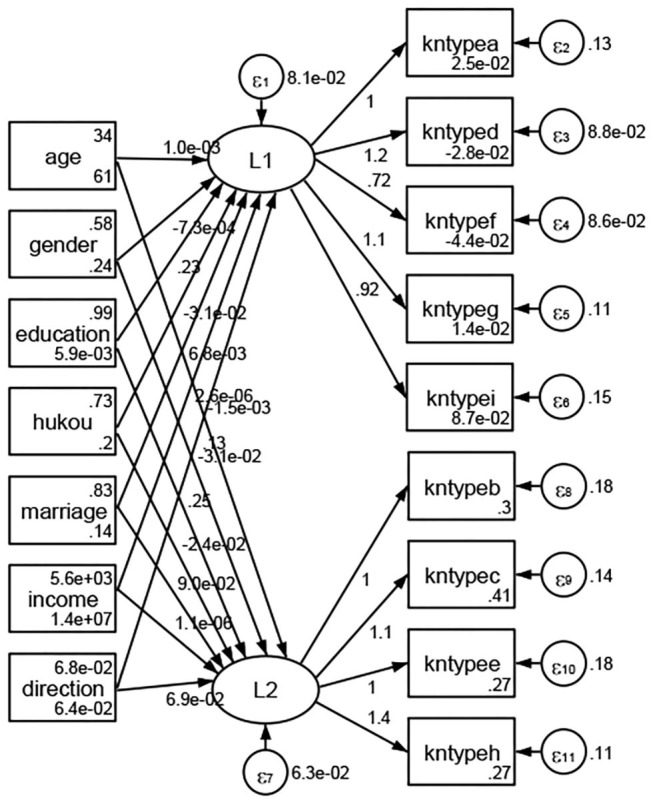
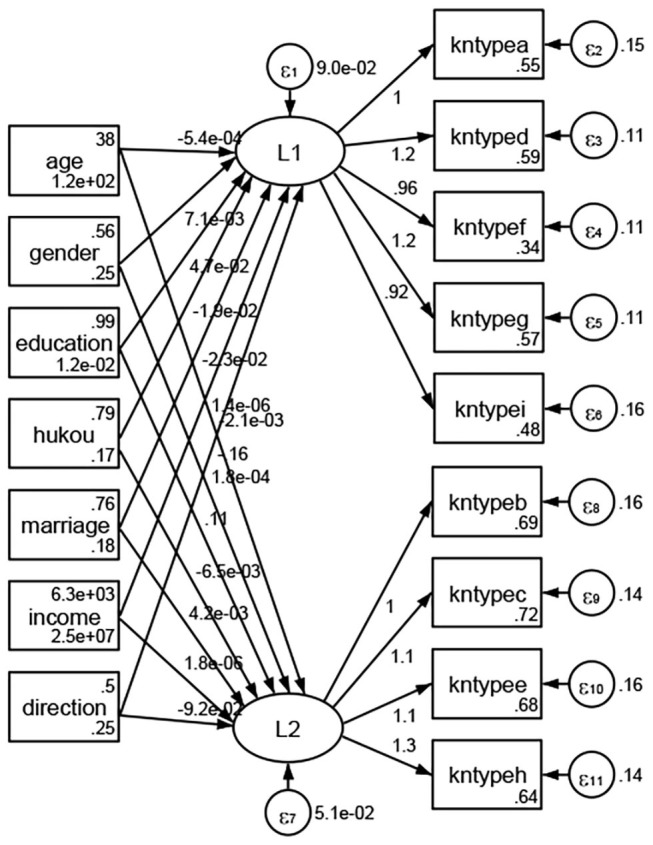
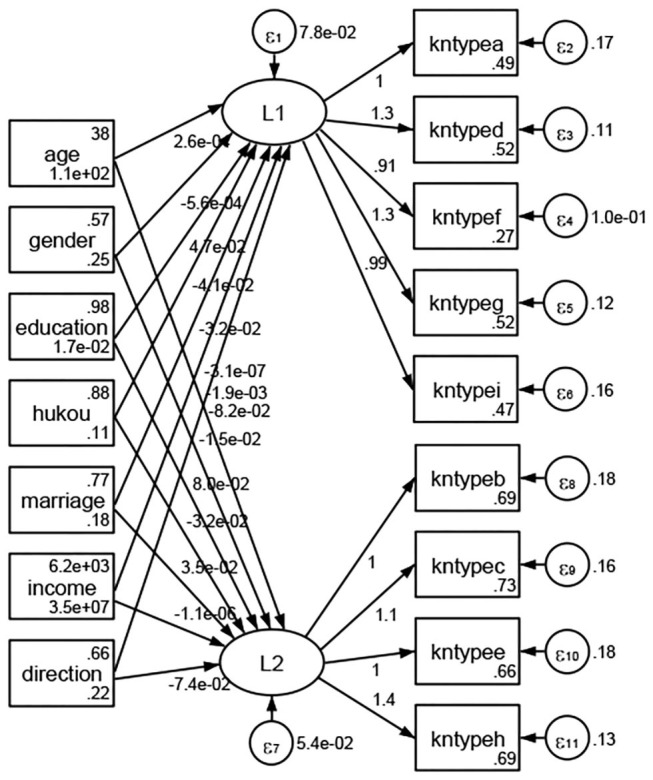
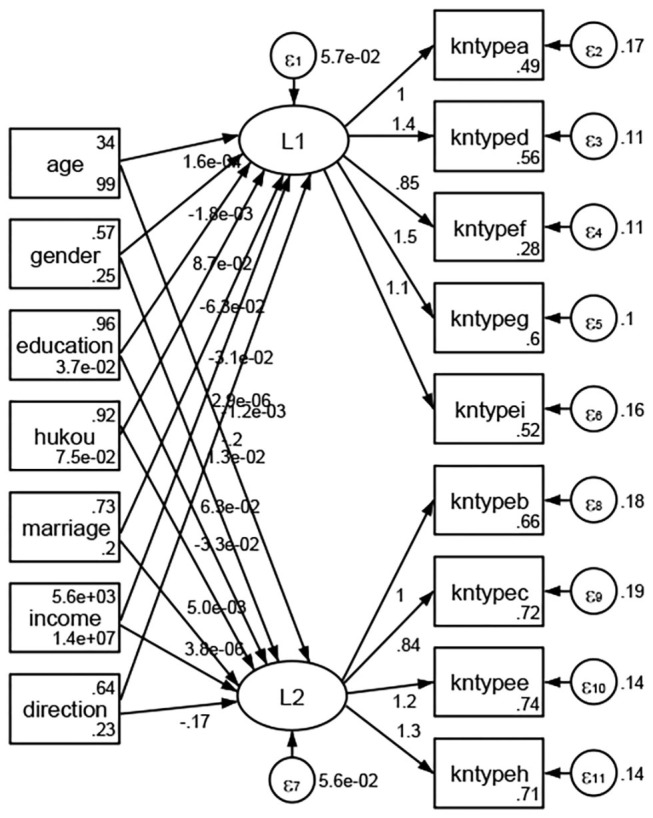
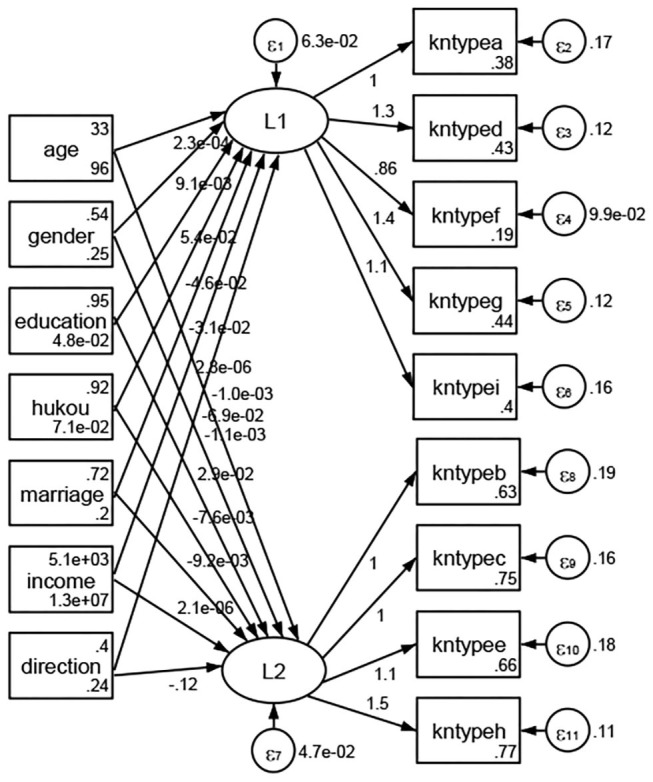
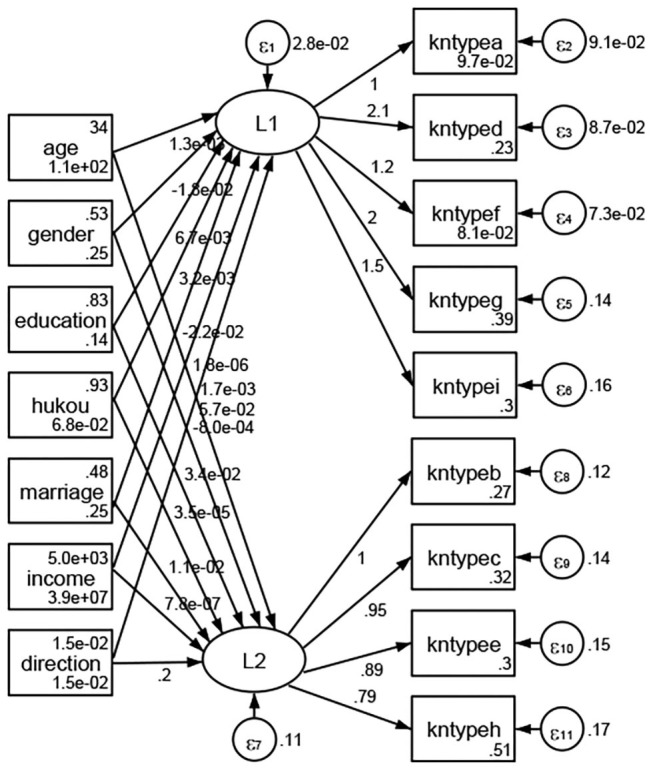
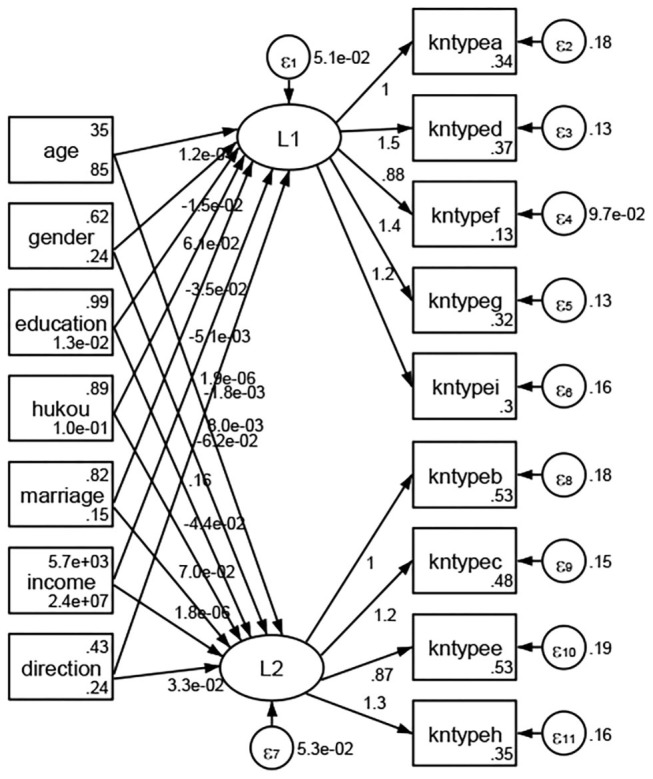
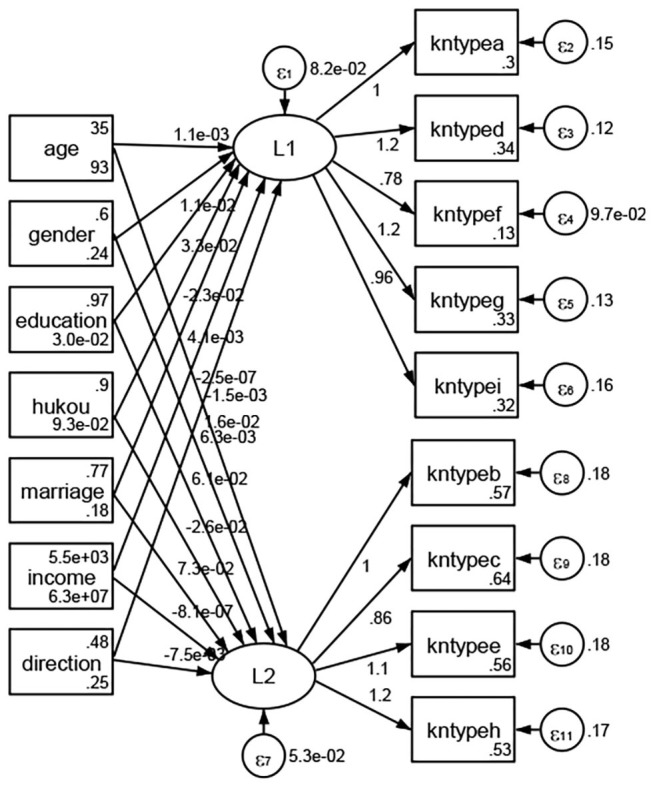
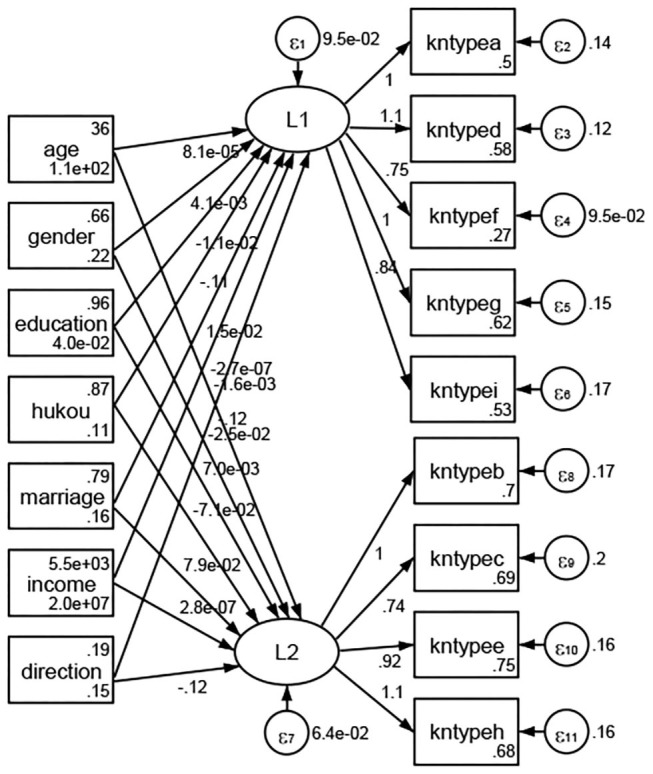
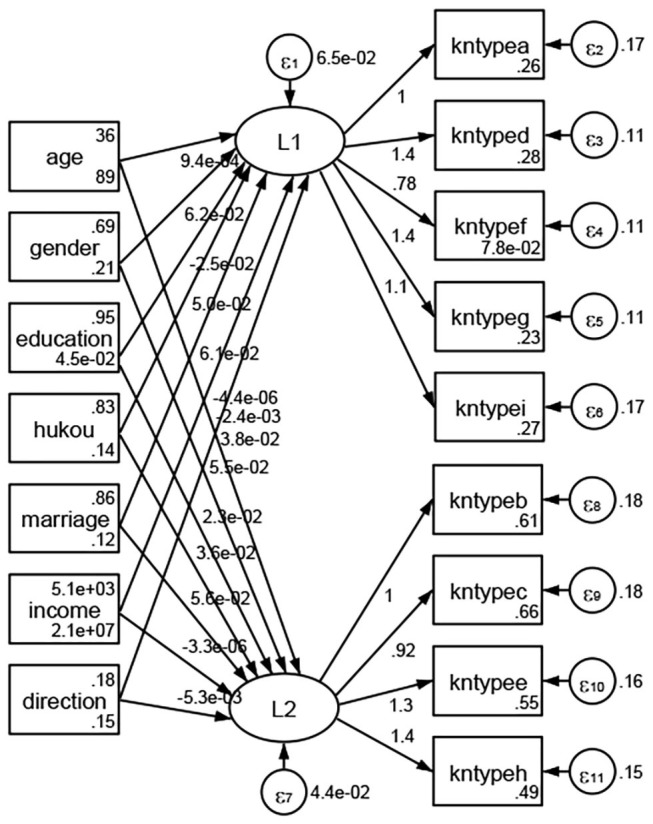
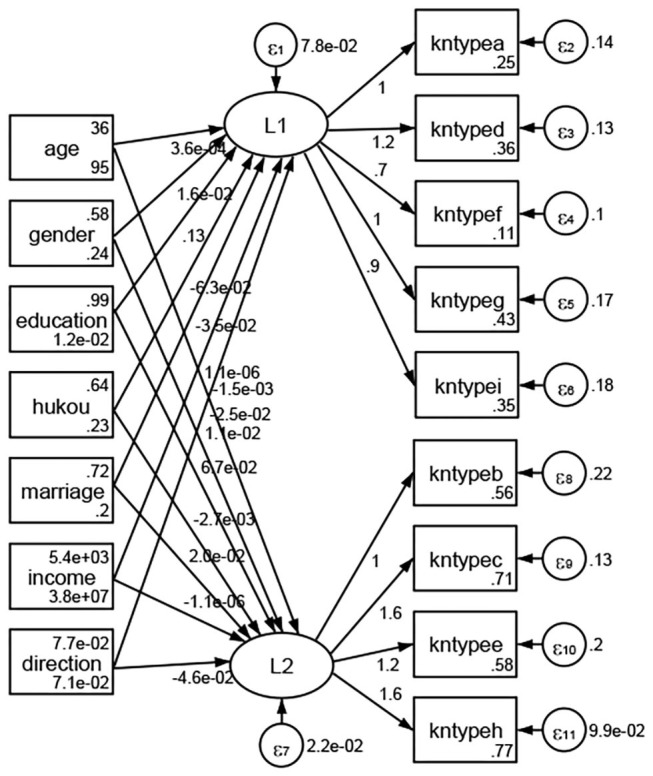
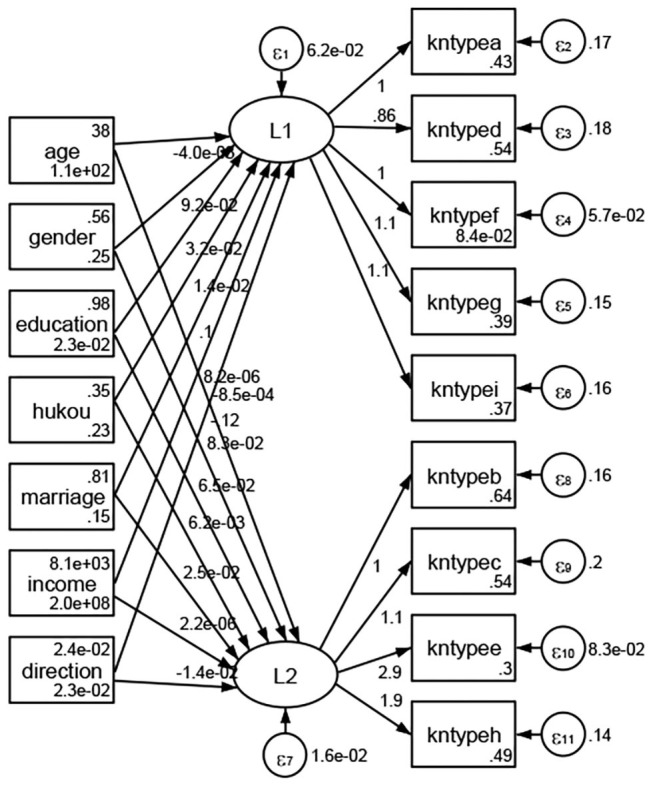
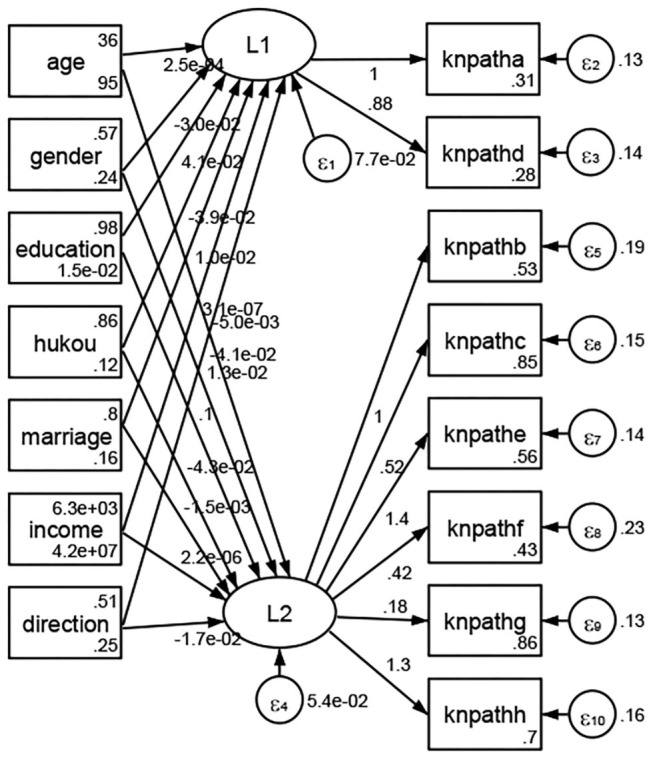
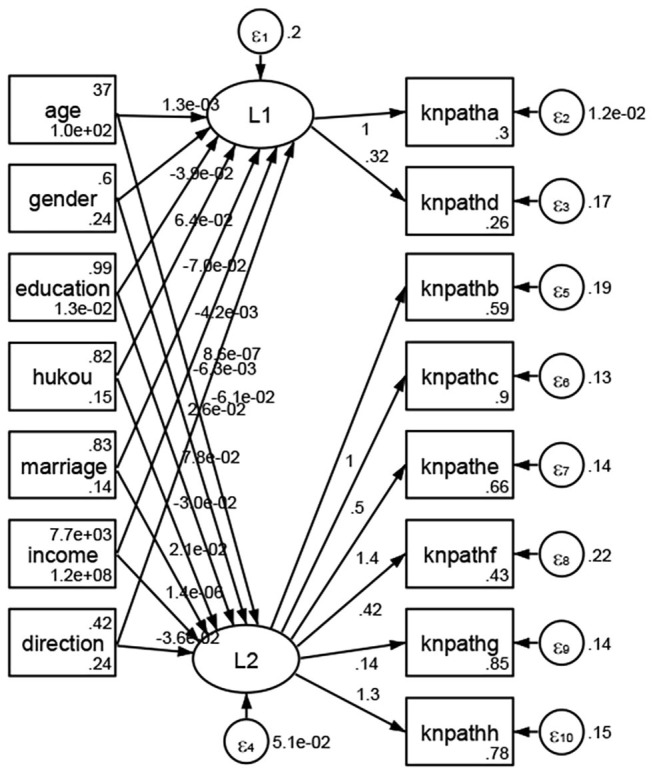
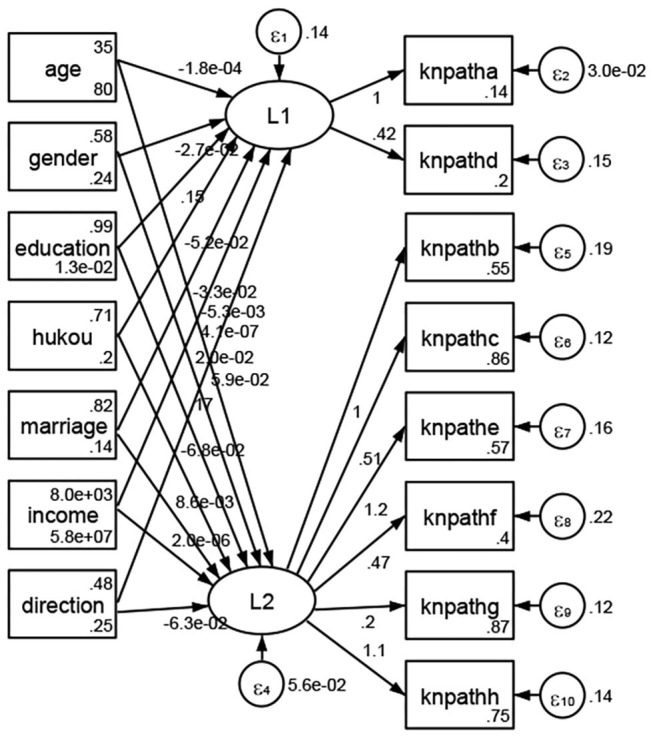
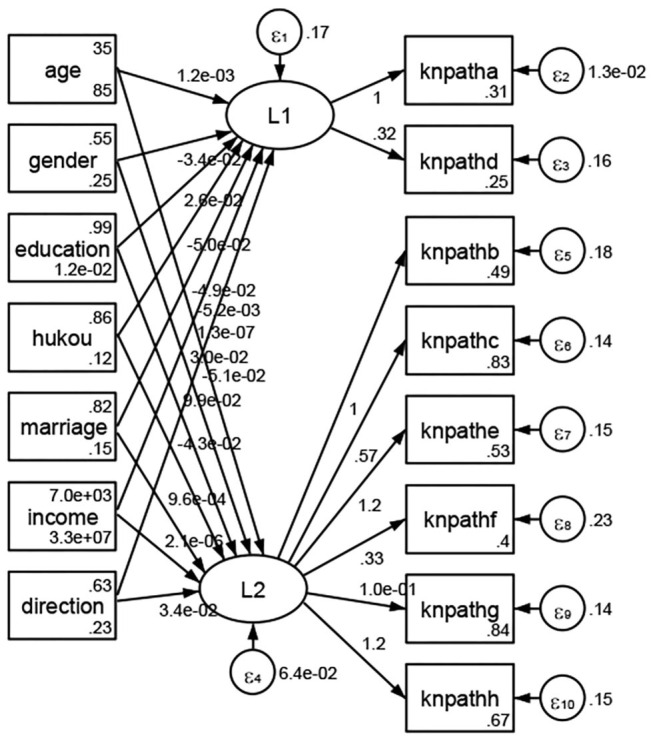
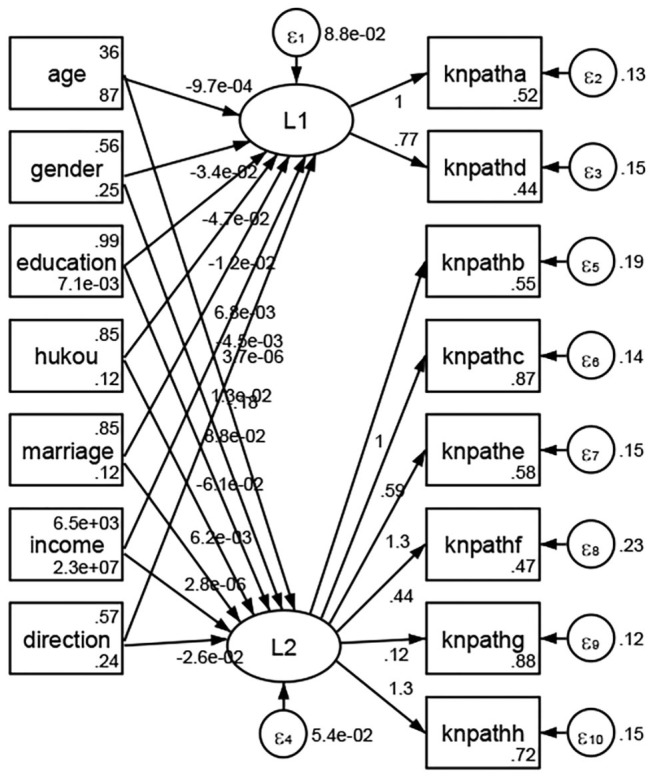
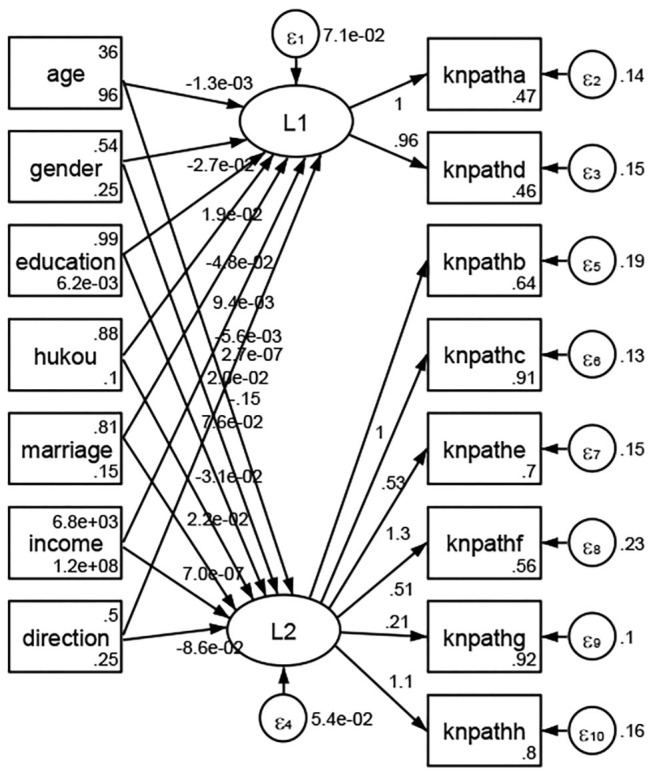
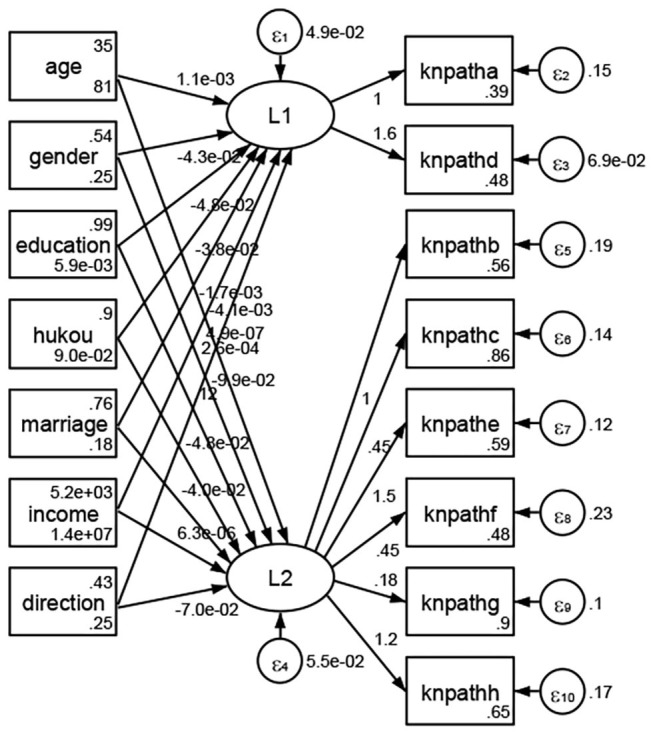
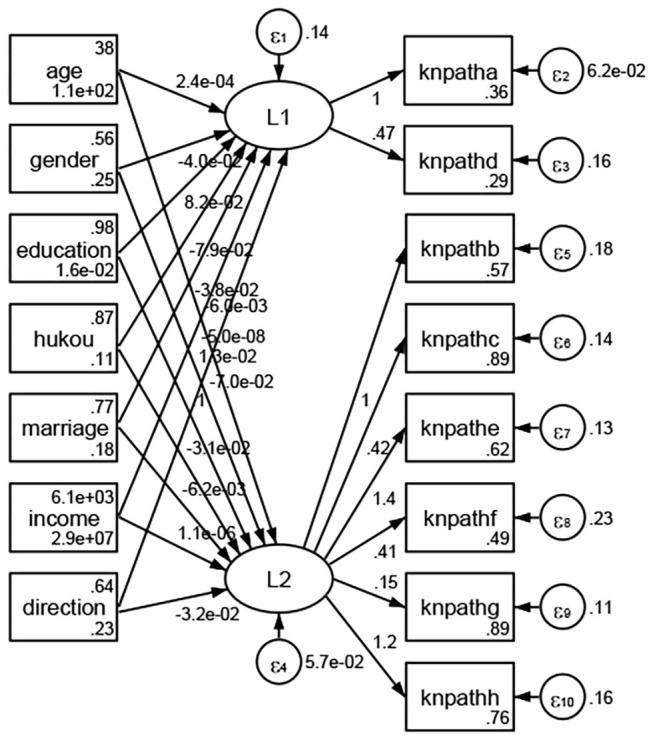
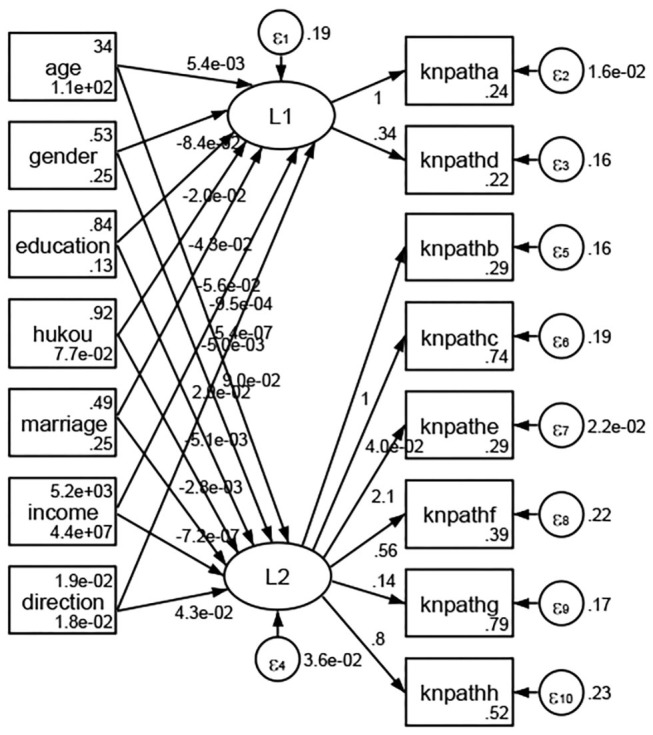
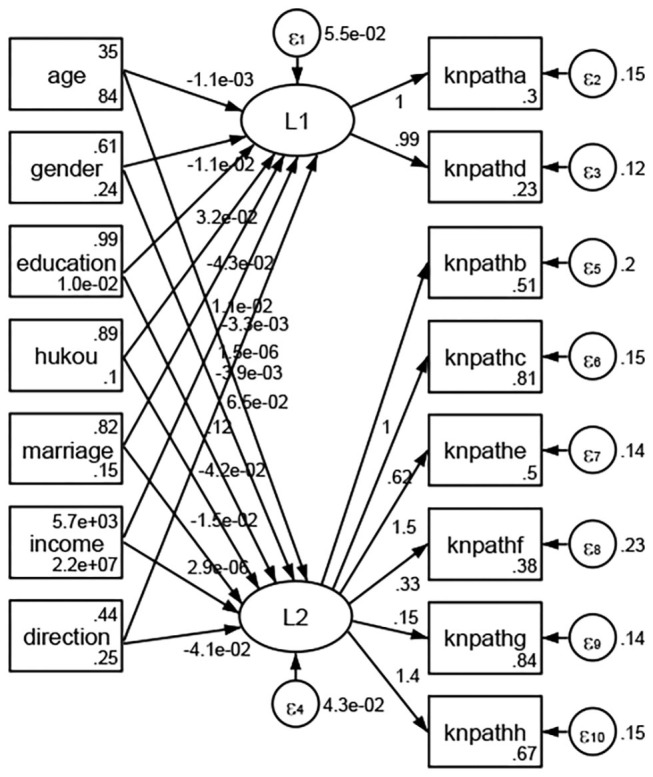
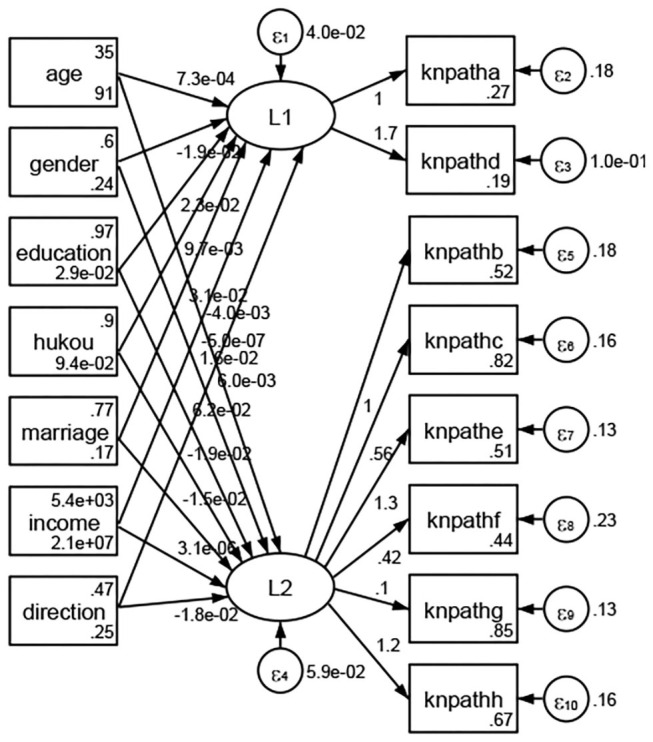
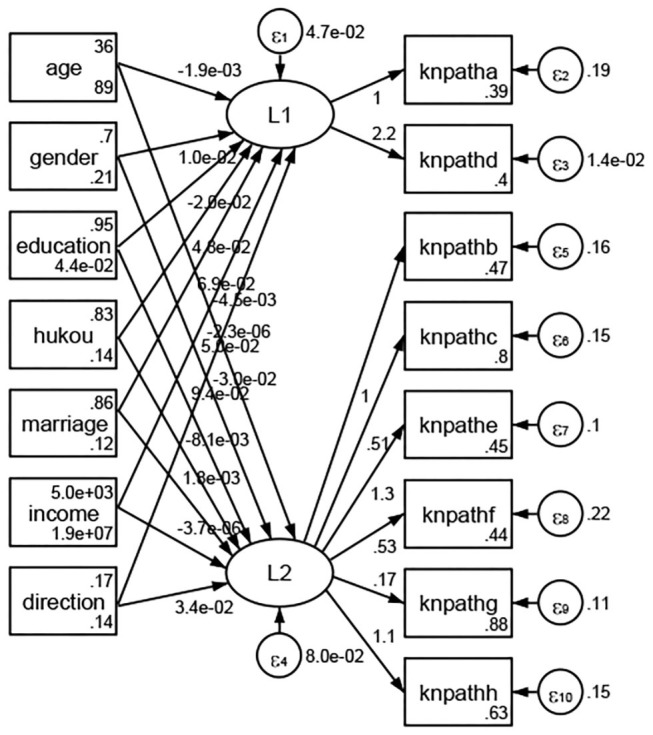
The floating population in urban China is facing multiple barriers to access to comprehensive, affordable, and culturally effective public health services. However, little is known about the role of geodemographic factors. This study aimed to assess the associations between geodemographic factors and access to public health services among the Chinese floating population. This study employed the data from the 2015 Migrant Dynamic Monitoring Survey data in China. Descriptive statistical analysis and principal component analysis were used to provide basic characteristics of the main variables. Multiple logistic models were used to analyze how province-level units, economic regions, and economic zones had significant associations with residential health records establishment, social medical insurance, and types and methods of health knowledge attainment in urban China. Using multiple indicator multiple cause models, the association between geodemographic factors and types and methods of health knowledge attainment was studied. The results indicated that there was regional unbalance in the case of residential health records. Regional differences were significantly associated with social medical insurance. Provincial differences were significantly associated with health knowledge attainment. There were regional differences in the methods of health knowledge attainment. In the most provincial units, geodemographic factors had significant associations with types and methods of health knowledge attainment. This study confirmed empirical associations between geodemographic factors and access to public health services among Chinese floating population. The relevant suggestion was that provincial units with less-developed public health services should enhance their capabilities to equalize public health services.
中国城市流动人口在获得综合、负担得起且具有文化效益的公共卫生服务方面面临多种障碍。然而,人们对地理人口因素的作用知之甚少。本研究旨在评估地理人口因素与中国流动人口获得公共卫生服务之间的关系。本研究采用了 2015 年中国流动人口动态监测调查数据。描述性统计分析和主成分分析用于提供主要变量的基本特征。多因素逻辑回归模型用于分析省级单位、经济区域和经济区与城市中国的建立居民健康记录、社会医疗保险以及获得健康知识的类型和方法之间的关联。使用多指标多原因模型研究地理人口因素与健康知识获取类型和方法之间的关系。结果表明,居民健康记录存在区域不平衡。区域差异与社会医疗保险显著相关。省级差异与健康知识的获得显著相关。健康知识获取方法存在区域差异。在大多数省级单位,地理人口因素与健康知识获取类型和方法存在显著关联。本研究证实了中国流动人口获得公共卫生服务与地理人口因素之间的实证关系。相关建议是,公共卫生服务欠发达的省级单位应加强能力建设,实现公共卫生服务均等化。