Departments of Pediatrics and Microbiology and Immunology, Stanford University School of Medicine, Stanford, California, United States of America.
Department of Pathology, Stanford University School of Medicine, Stanford, California, United States of America.
PLoS Pathog. 2020 Dec 28;16(12):e1009166. doi: 10.1371/journal.ppat.1009166. eCollection 2020 Dec.
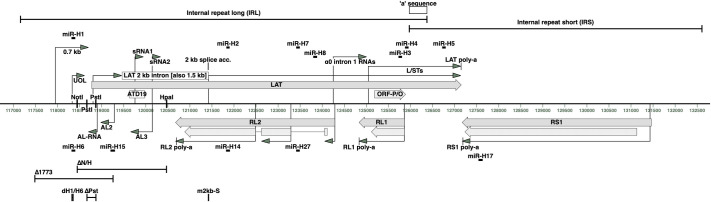
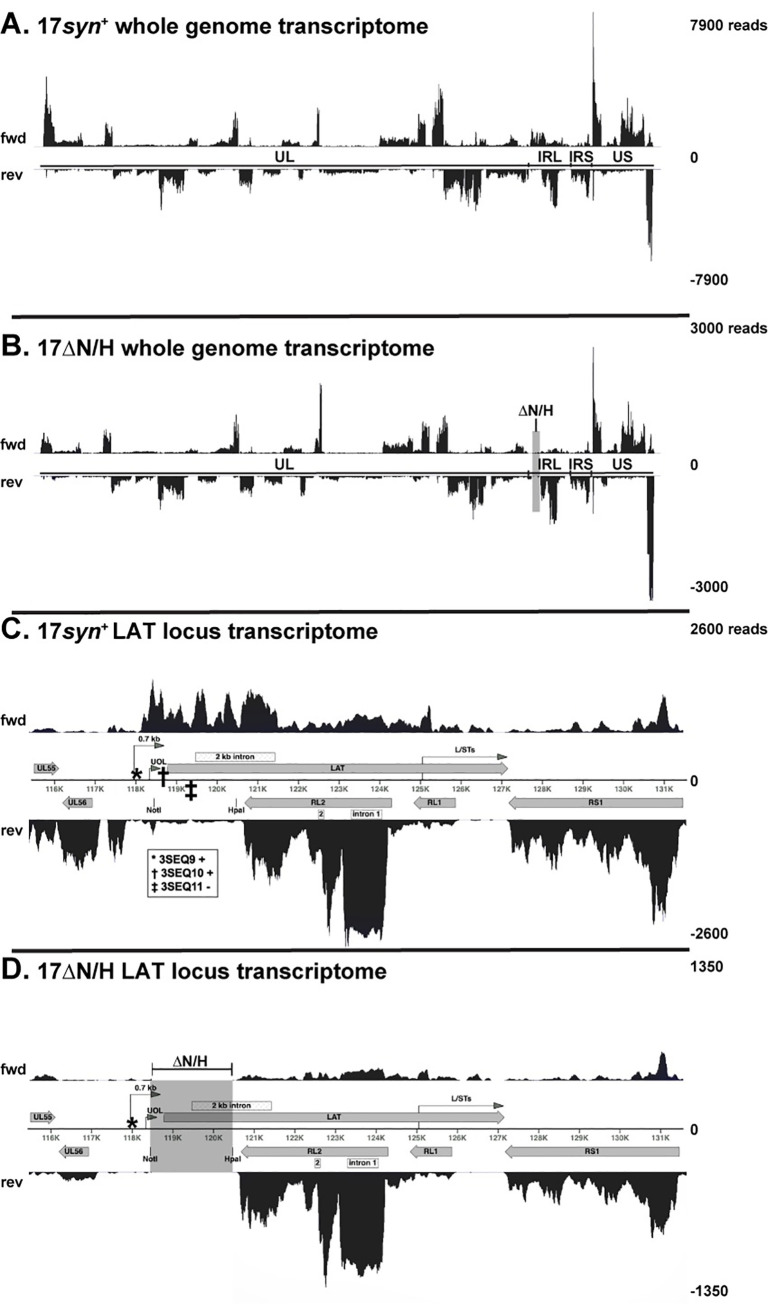
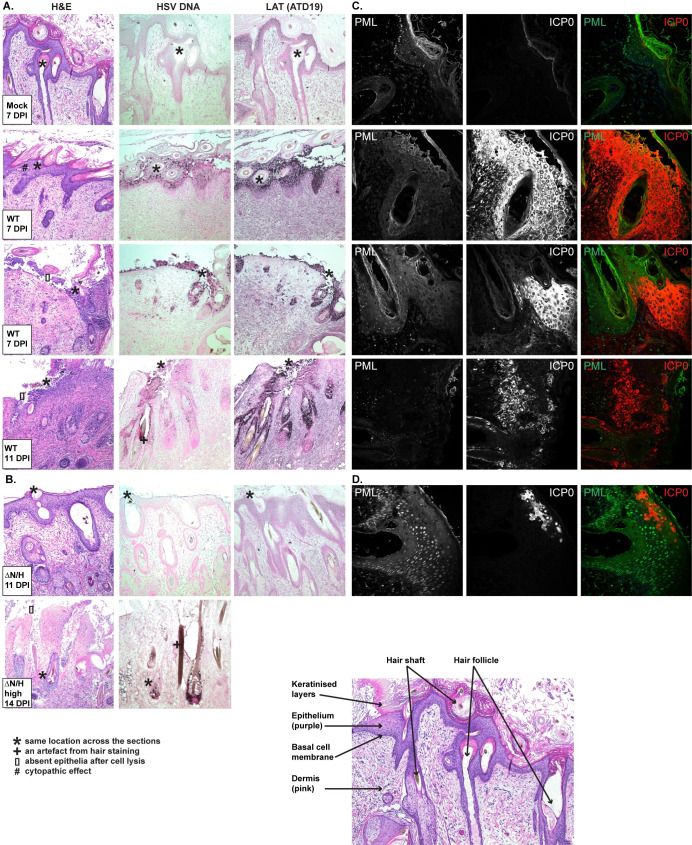
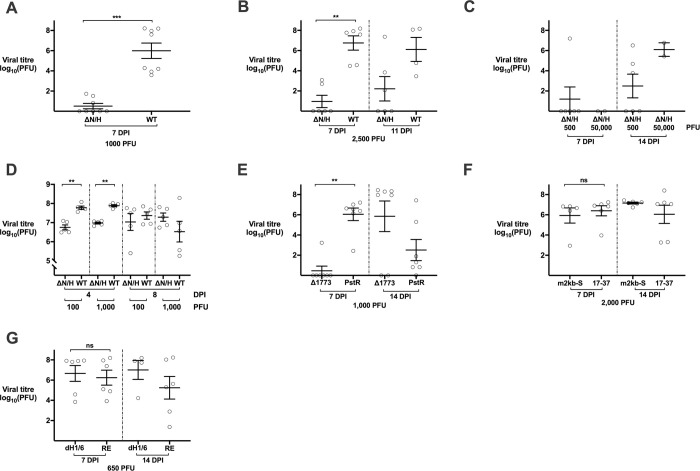
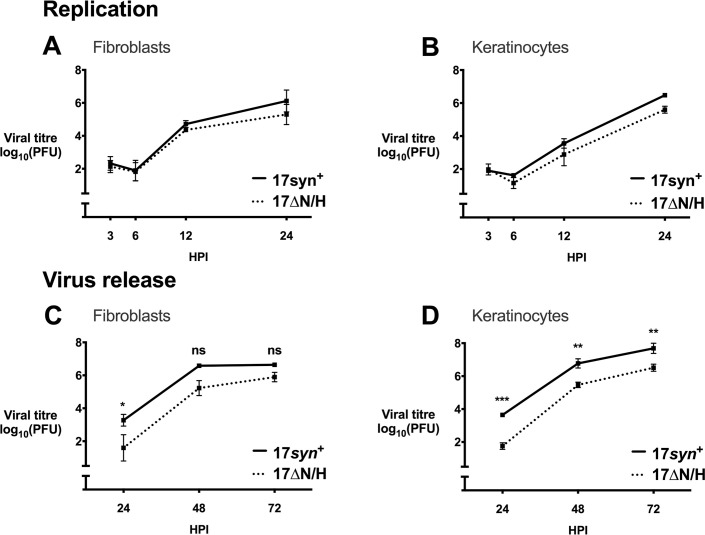
Herpes simplex virus 1 (HSV-1) infects skin and mucosal epithelial cells and then travels along axons to establish latency in the neurones of sensory ganglia. Although viral gene expression is restricted during latency, the latency-associated transcript (LAT) locus encodes many RNAs, including a 2 kb intron known as the hallmark of HSV-1 latency. Here, we studied HSV-1 infection and the role of the LAT locus in human skin xenografts in vivo and in cultured explants. We sequenced the genomes of our stock of HSV-1 strain 17syn+ and seven derived viruses and found nonsynonymous mutations in many viral proteins that had no impact on skin infection. In contrast, deletions in the LAT locus severely impaired HSV-1 replication and lesion formation in skin. However, skin replication was not affected by impaired intron splicing. Moreover, although the LAT locus has been implicated in regulating gene expression in neurones, we observed only small changes in transcript levels that were unrelated to the growth defect in skin, suggesting that its functions in skin may be different from those in neurones. Thus, although the LAT locus was previously thought to be dispensable for lytic infection, we show that it is a determinant of HSV-1 virulence during lytic infection of human skin.
单纯疱疹病毒 1(HSV-1)感染皮肤和粘膜上皮细胞,然后沿着轴突传播到感觉神经节的神经元中建立潜伏。虽然潜伏期间病毒基因表达受到限制,但潜伏相关转录(LAT)基因座编码许多 RNA,包括一个 2kb 的内含子,这是 HSV-1 潜伏的标志。在这里,我们研究了 HSV-1 在体内人皮肤异种移植物和培养的外植体中的感染以及 LAT 基因座的作用。我们对我们的 HSV-1 株 17syn+和七个衍生病毒的库存进行了基因组测序,发现许多病毒蛋白中的非同义突变对皮肤感染没有影响。相比之下,LAT 基因座的缺失严重损害了 HSV-1 在皮肤中的复制和病变形成。然而,LAT 基因座缺失并不影响内含子剪接。此外,尽管 LAT 基因座被认为参与调节神经元中的基因表达,但我们仅观察到转录水平的微小变化,与皮肤中的生长缺陷无关,这表明其在皮肤中的功能可能与在神经元中的不同。因此,尽管 LAT 基因座以前被认为对裂解感染是可有可无的,但我们表明它是 HSV-1 在人类皮肤裂解感染过程中毒力的决定因素。