Department of School of Computer Science and Engineering, Xavier University, Bhubaneswar, Odisha, 752050, India.
Institute of Life Sciences, Bhubaneswar, Odisha, 751023, India.
BMC Bioinformatics. 2020 Dec 28;21(Suppl 21):499. doi: 10.1186/s12859-020-03849-z.
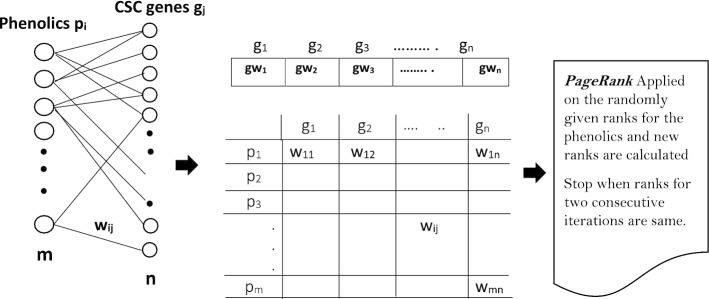
Cancer stem cells (CSCs) have features such as the ability to self-renew, differentiate into defined progenies and initiate the tumor growth. Treatments of cancer include drugs, chemotherapy and radiotherapy or a combination. However, treatment of cancer by various therapeutic strategies often fail. One possible reason is that the nature of CSCs, which has stem-like properties, make it more dynamic and complex and may cause the therapeutic resistance. Another limitation is the side effects associated with the treatment of chemotherapy or radiotherapy. To explore better or alternative treatment options the current study aims to investigate the natural drug-like molecules that can be used as CSC-targeted therapy. Among various natural products, anticancer potential of phenolics is well established. We collected the 21 phytochemicals from phenolic group and their interacting CSC genes from the publicly available databases. Then a bipartite graph is constructed from the collected CSC genes along with their interacting phytochemicals from phenolic group as other. The bipartite graph is then transformed into weighted bipartite graph by considering the interaction strength between the phenolics and the CSC genes. The CSC genes are also weighted by two scores, namely, DSI (Disease Specificity Index) and DPI (Disease Pleiotropy Index). For each gene, its DSI score reflects the specific relationship with the disease and DPI score reflects the association with multiple diseases. Finally, a ranking technique is developed based on PageRank (PR) algorithm for ranking the phenolics.
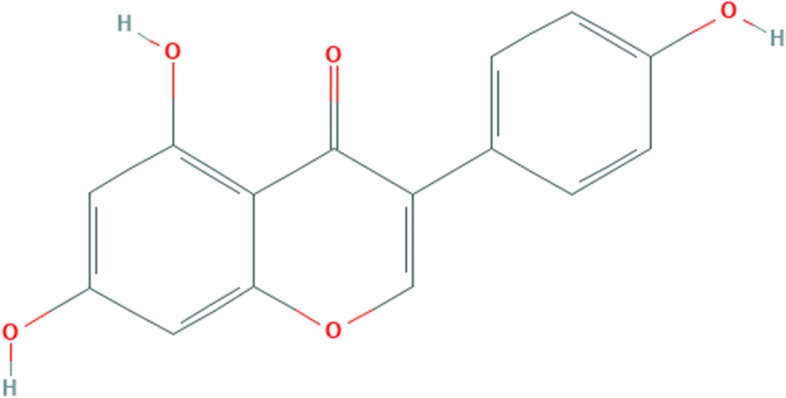
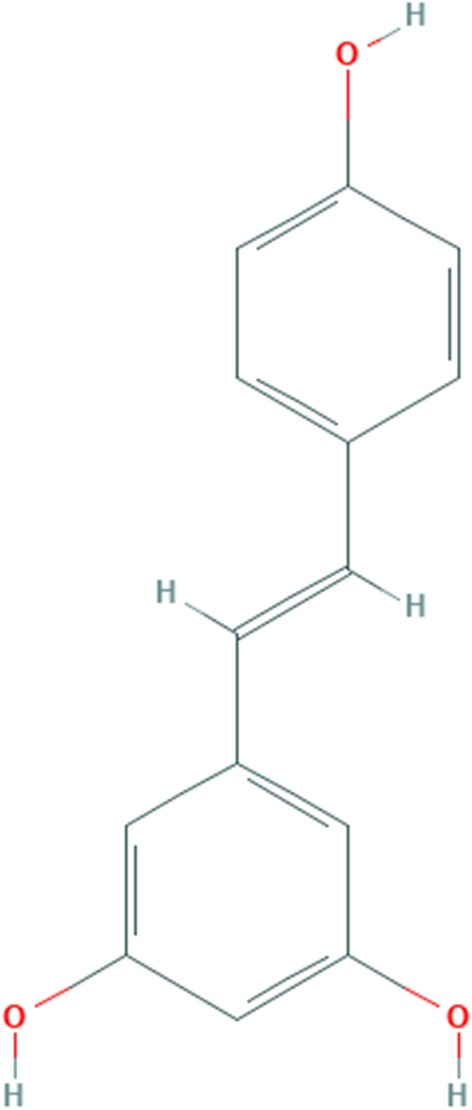
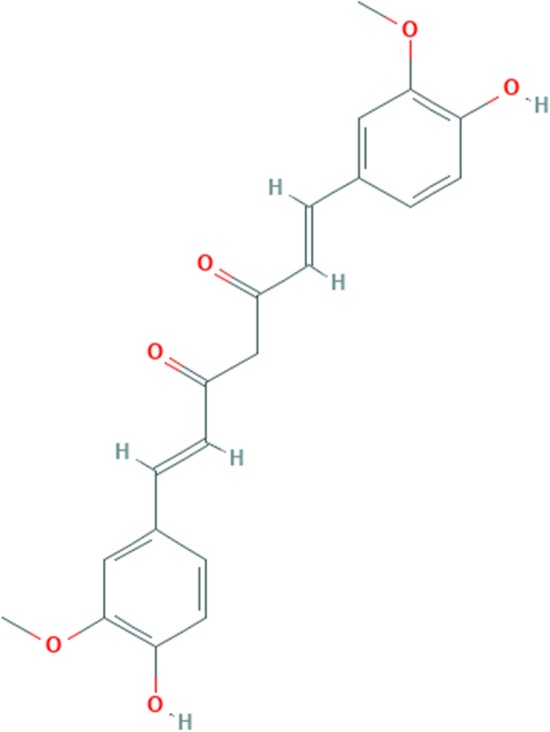
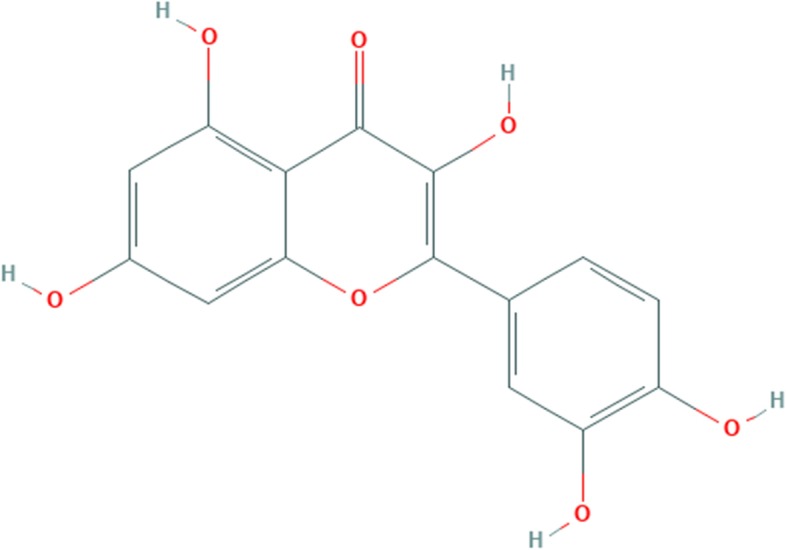
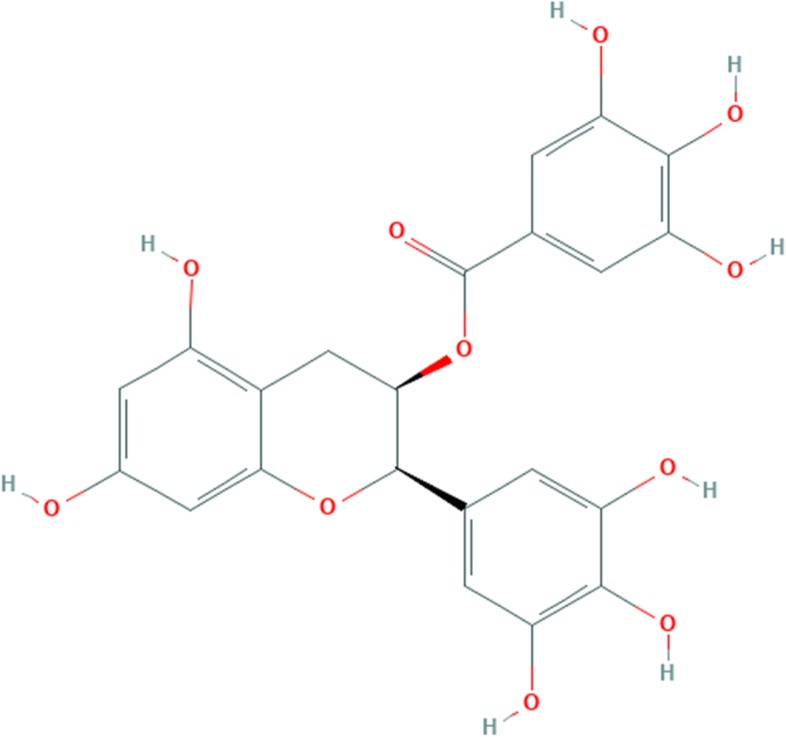
We collected 21 phytochemicals from phenolic group and 1118 CSC genes. The top ranked phenolics were evaluated by their molecular and pharmacokinetics properties and disease association networks. We selected top five ranked phenolics (Resveratrol, Curcumin, Quercetin, Epigallocatechin Gallate, and Genistein) for further examination of their oral bioavailability through molecular properties, drug likeness through pharmacokinetic properties, and associated network with CSC genes.
Our PR ranking based approach is useful to rank the phenolics that are associated with CSC genes. Our results suggested some phenolics are potential molecules for CSC-related cancer treatment.
癌症干细胞(CSC)具有自我更新、分化为特定后代和启动肿瘤生长的能力。癌症的治疗包括药物、化疗和放疗或联合治疗。然而,各种治疗策略治疗癌症往往会失败。一个可能的原因是 CSC 的性质,具有干细胞样特性,使其更具动态性和复杂性,并可能导致治疗抵抗。另一个限制是与化疗或放疗相关的副作用。为了探索更好或替代的治疗选择,目前的研究旨在研究可用于 CSC 靶向治疗的天然类药物分子。在各种天然产物中,酚类的抗癌潜力已得到充分证实。我们从酚类组中收集了 21 种植物化学物质及其相互作用的 CSC 基因,并从公开可用的数据库中收集。然后,从收集的 CSC 基因和来自酚类组的相互作用植物化学物质构建一个二分图。然后通过考虑酚类和 CSC 基因之间的相互作用强度将二分图转换为加权二分图。还通过两个分数对 CSC 基因进行加权,即疾病特异性指数(DSI)和疾病多效性指数(DPI)。对于每个基因,其 DSI 分数反映了与疾病的特定关系,而 DPI 分数反映了与多种疾病的关联。最后,基于 PageRank(PR)算法开发了一种排名技术,用于对酚类物质进行排名。
我们从酚类组中收集了 21 种植物化学物质和 1118 个 CSC 基因。通过其分子和药代动力学特性以及疾病关联网络对排名最高的酚类物质进行了评估。我们选择了排名前五的酚类物质(白藜芦醇、姜黄素、槲皮素、表没食子儿茶素没食子酸酯和染料木黄酮),进一步通过分子特性检查其口服生物利用度,通过药代动力学特性检查其药物相似性,并与 CSC 基因的关联网络进行检查。
我们基于 PR 排名的方法可用于对与 CSC 基因相关的酚类物质进行排名。我们的结果表明,一些酚类物质是治疗与 CSC 相关癌症的潜在分子。