Neuroscience Institute, New York University Langone Medical Center, New York, United States.
Center for Neural Science, New York University, New York, United States.
Elife. 2020 Dec 30;9:e61510. doi: 10.7554/eLife.61510.
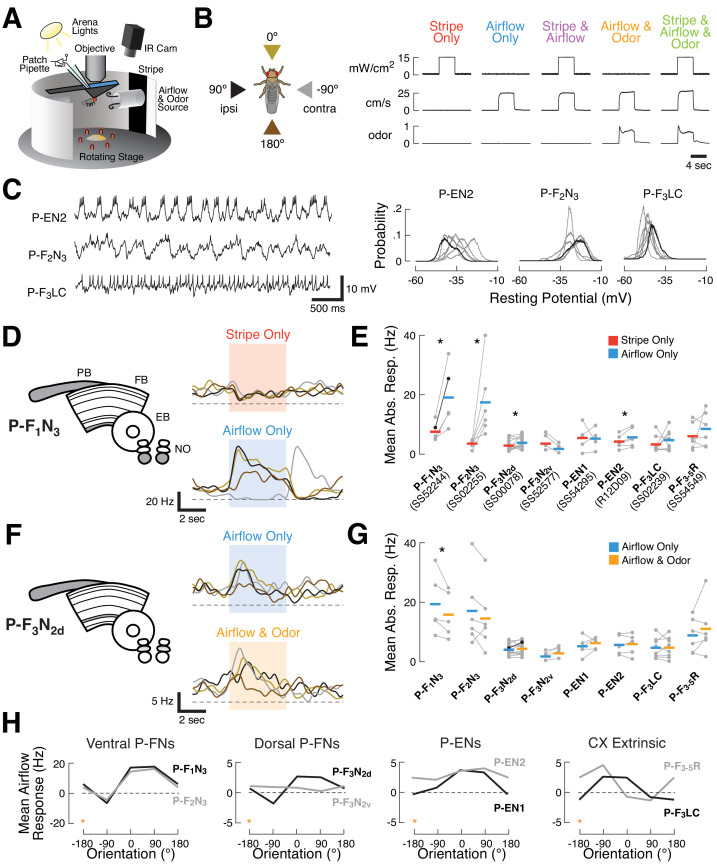
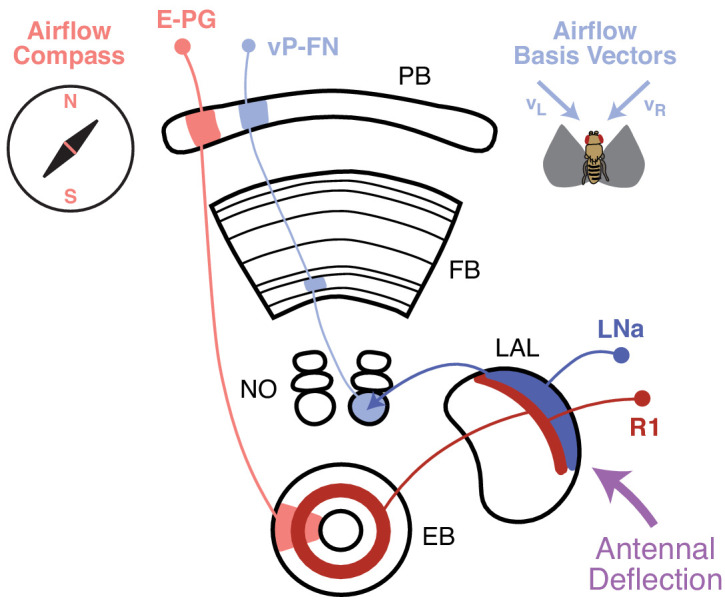
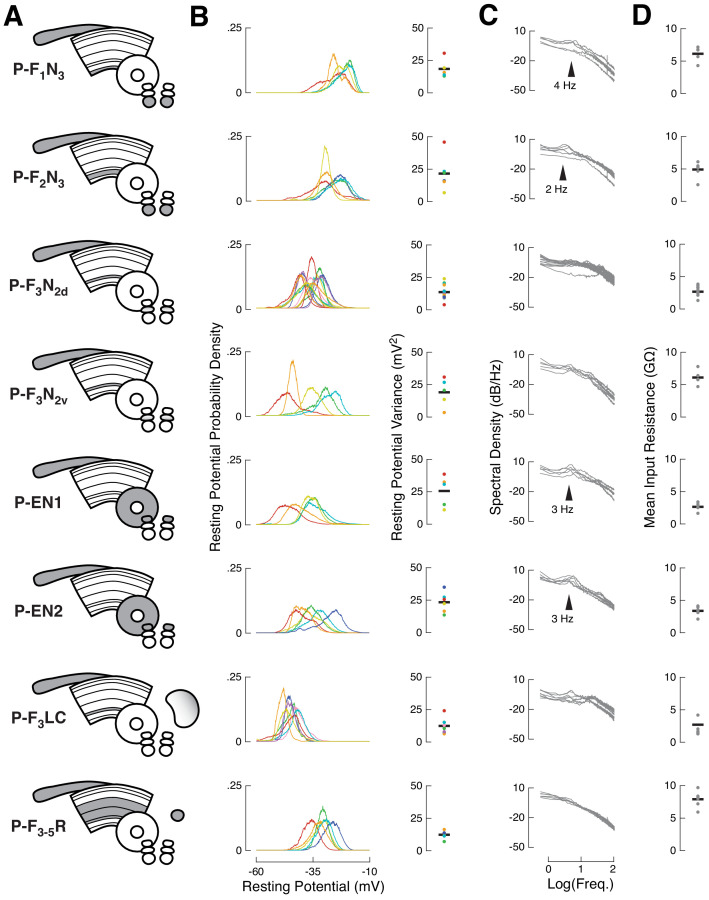
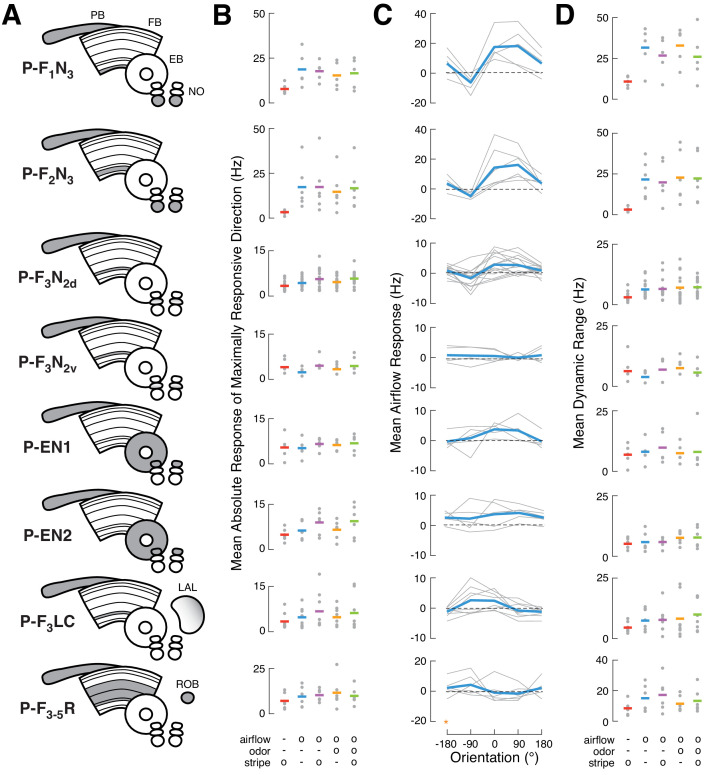
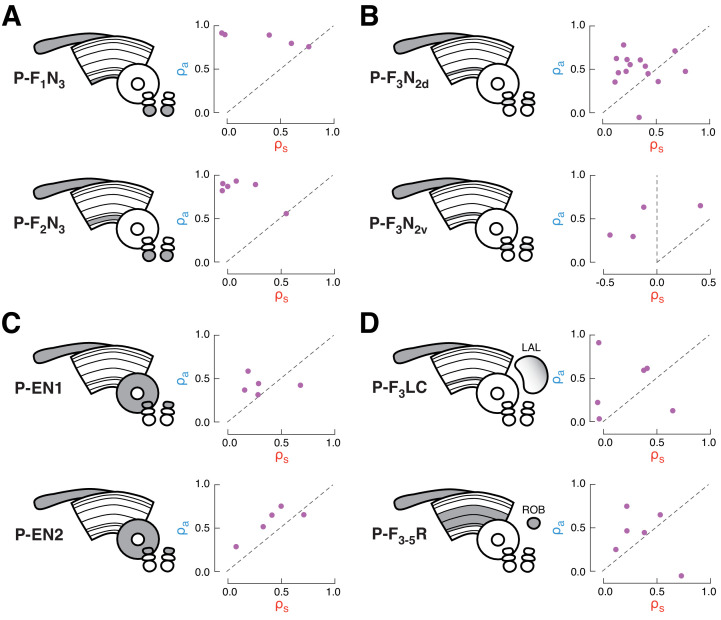
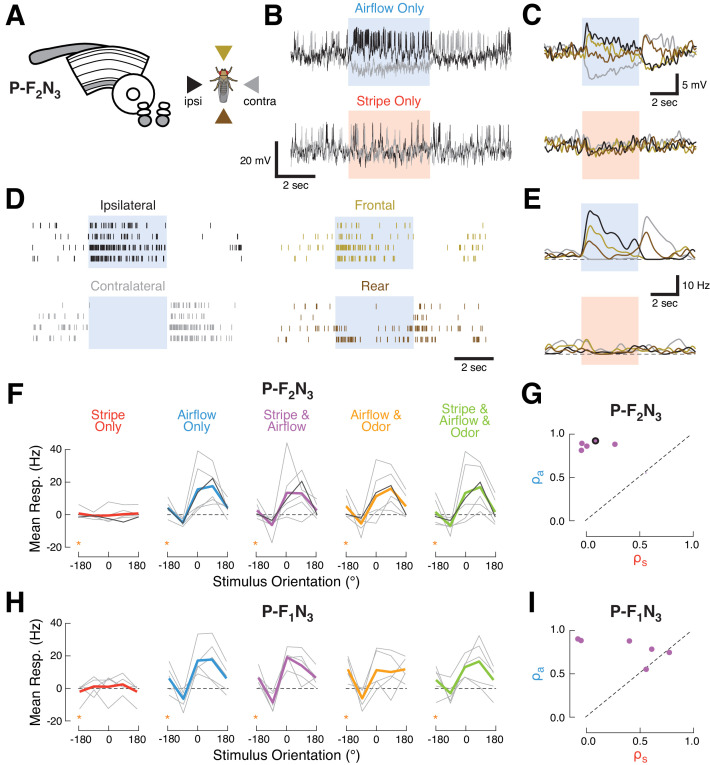
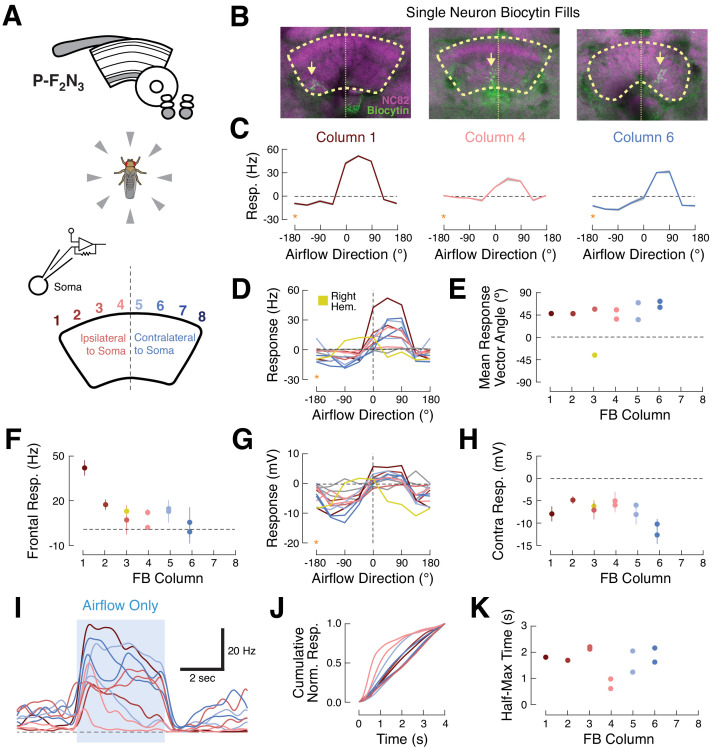
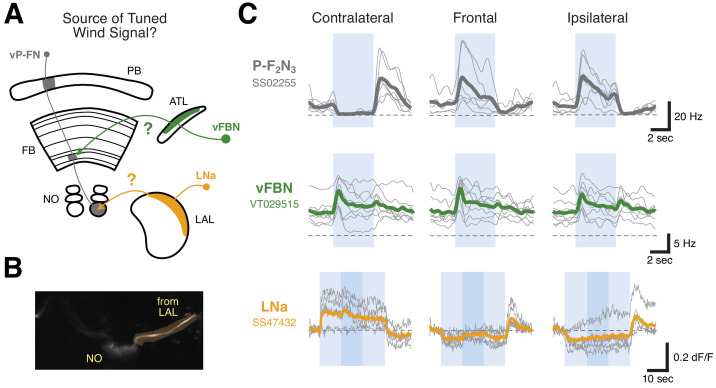
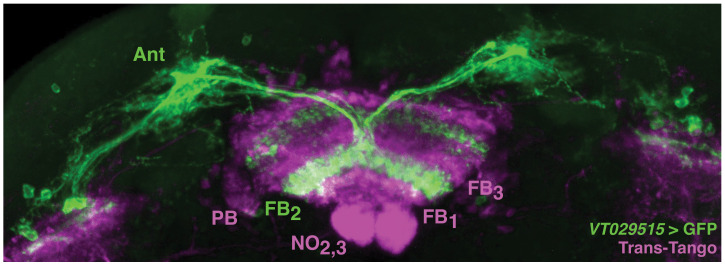
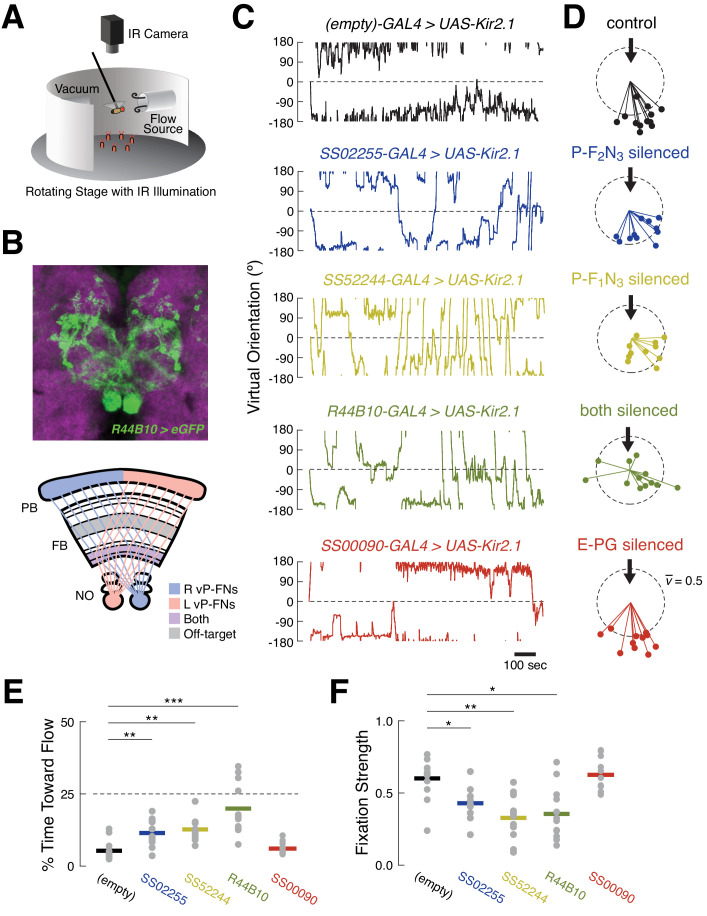
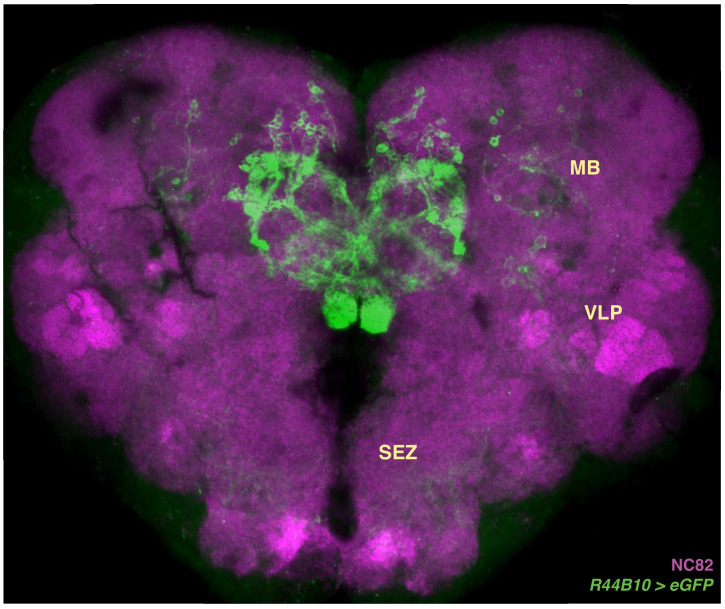
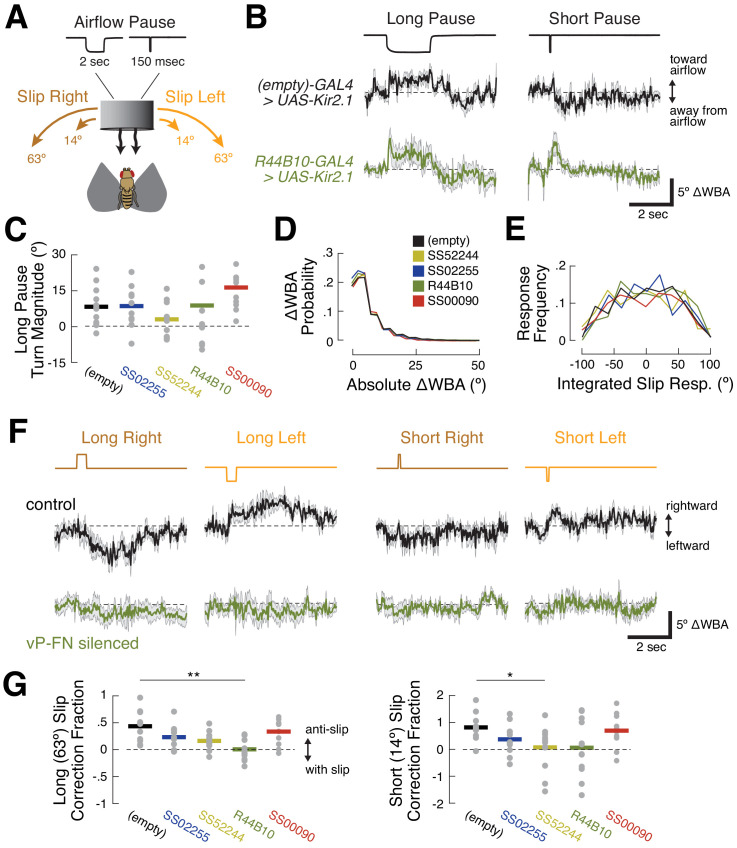
The insect central complex (CX) is thought to underlie goal-oriented navigation but its functional organization is not fully understood. We recorded from genetically-identified CX cell types in and presented directional visual, olfactory, and airflow cues known to elicit orienting behavior. We found that a group of neurons targeting the ventral fan-shaped body (ventral P-FNs) are robustly tuned for airflow direction. Ventral P-FNs did not generate a 'map' of airflow direction. Instead, cells in each hemisphere were tuned to 45° ipsilateral, forming a pair of orthogonal bases. Imaging experiments suggest that ventral P-FNs inherit their airflow tuning from neurons that provide input from the lateral accessory lobe (LAL) to the noduli (NO). Silencing ventral P-FNs prevented flies from selecting appropriate corrective turns following changes in airflow direction. Our results identify a group of CX neurons that robustly encode airflow direction and are required for proper orientation to this stimulus.
昆虫中央复合体(CX)被认为是定向导航的基础,但它的功能组织尚不完全清楚。我们记录了 中经基因鉴定的 CX 细胞类型,并呈现了已知能引起定向行为的定向视觉、嗅觉和气流线索。我们发现,一群靶向腹扇形体(ventral P-FNs)的神经元对气流方向有强烈的反应。腹侧 P-FNs 没有形成气流方向的“地图”。相反,每个半球的细胞都被调谐到同侧的 45°,形成一对正交基。成像实验表明,腹侧 P-FNs 从提供来自侧 accessory 叶(LAL)到神经节(NO)的输入的神经元那里继承了它们的气流调谐。沉默腹侧 P-FNs 会阻止苍蝇在气流方向改变后选择适当的纠正转弯。我们的结果确定了一组 CX 神经元,它们对气流方向有强烈的编码作用,并且是正确定向到这个刺激所必需的。