Department of Biomedical Sciences, Florida State University College of Medicine, Tallahassee, Florida, United States of America.
PLoS Pathog. 2020 Dec 31;16(12):e1009023. doi: 10.1371/journal.ppat.1009023. eCollection 2020 Dec.
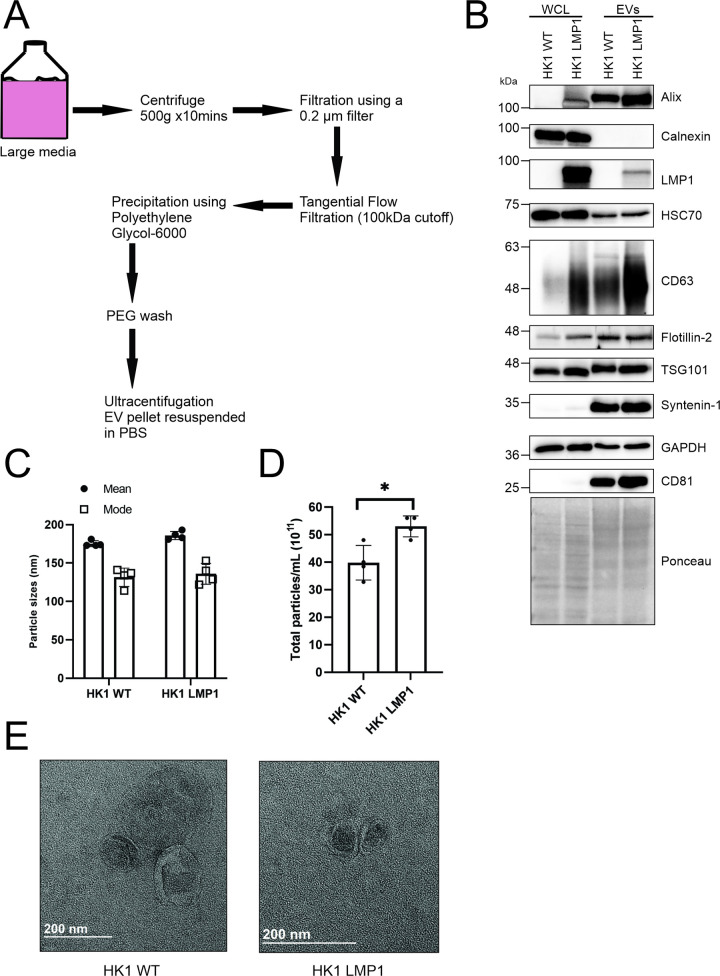
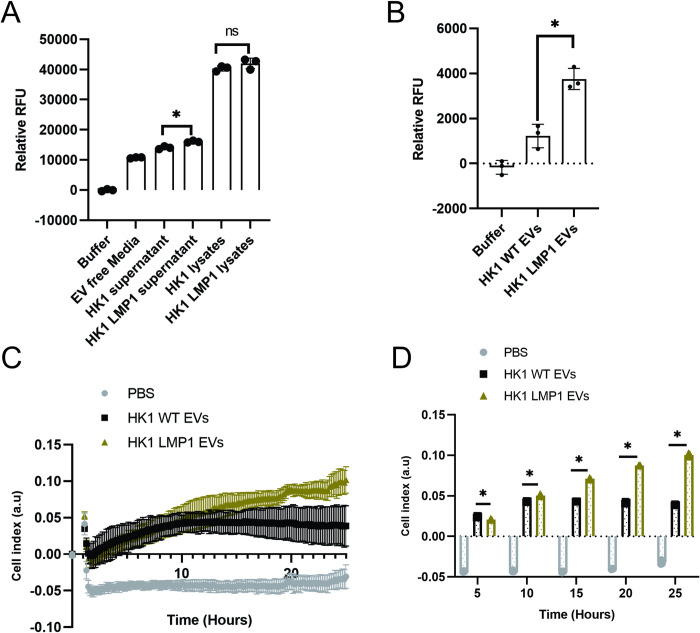
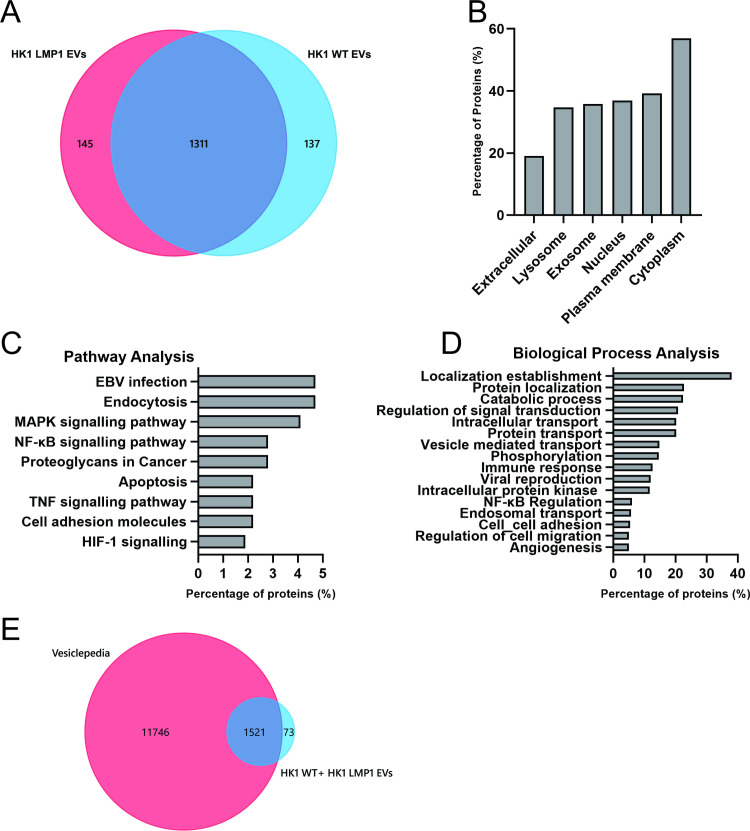
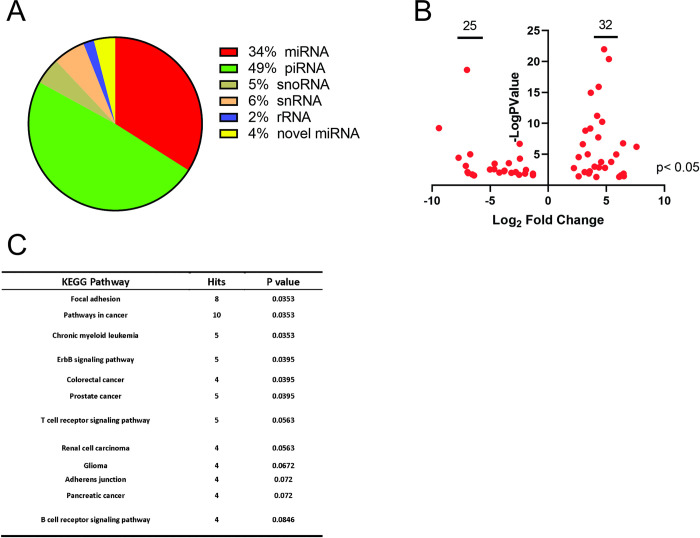
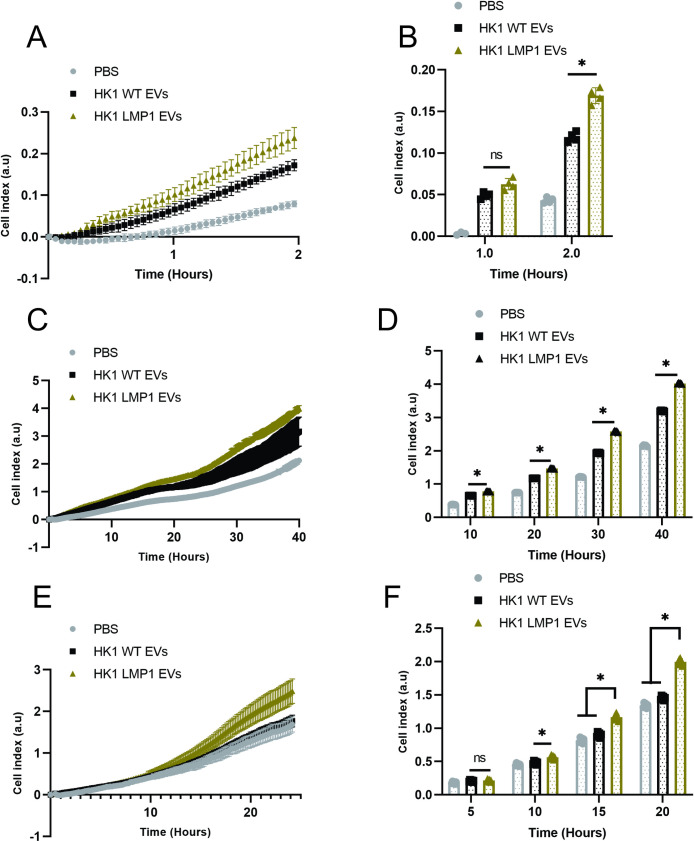
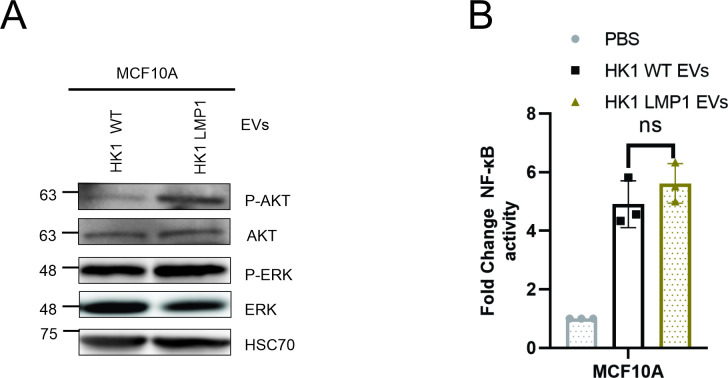
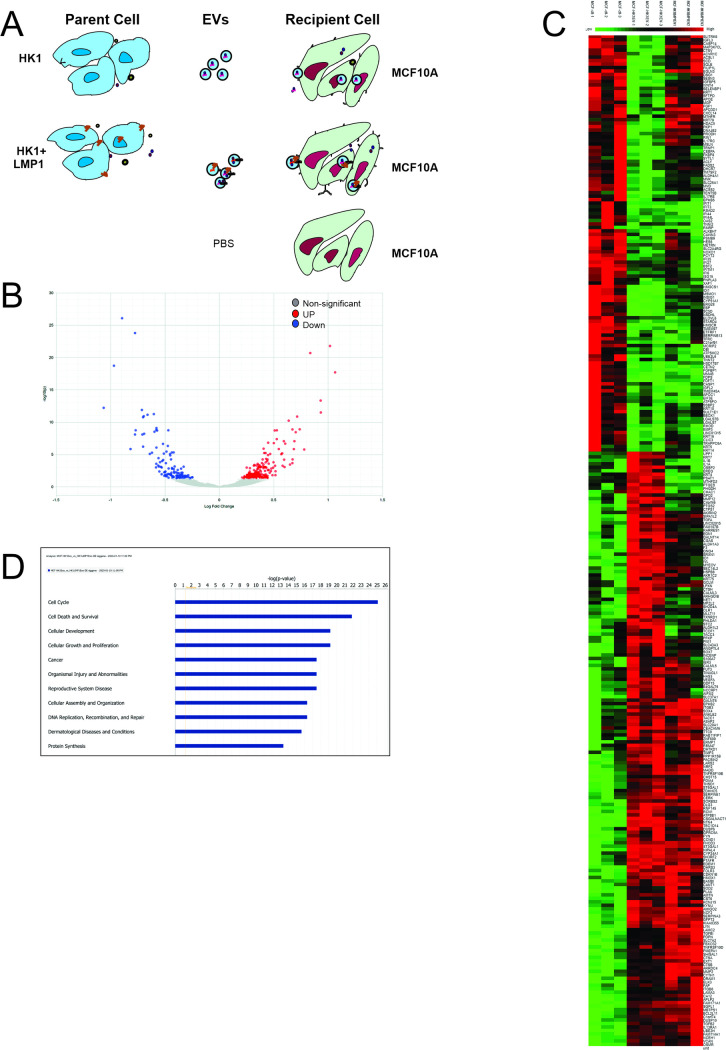
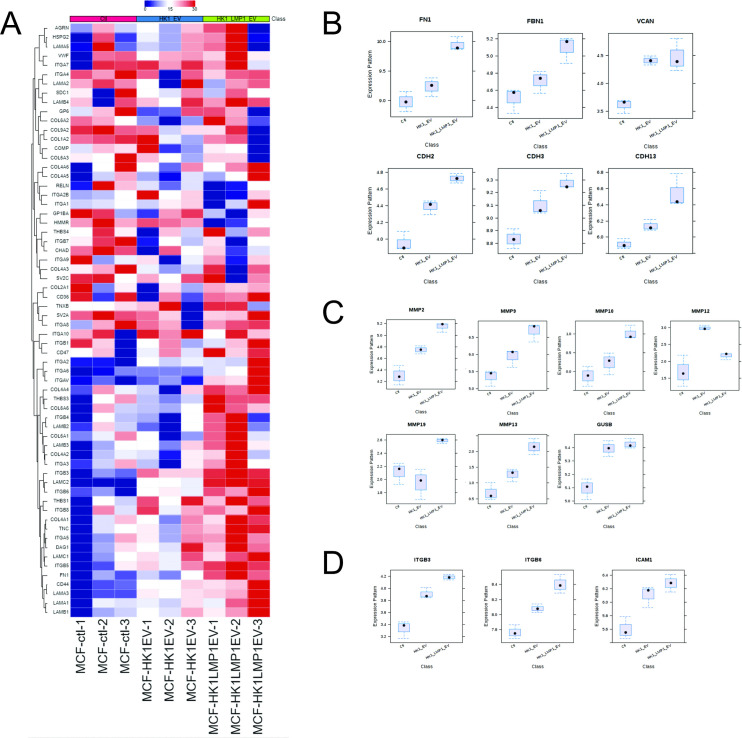
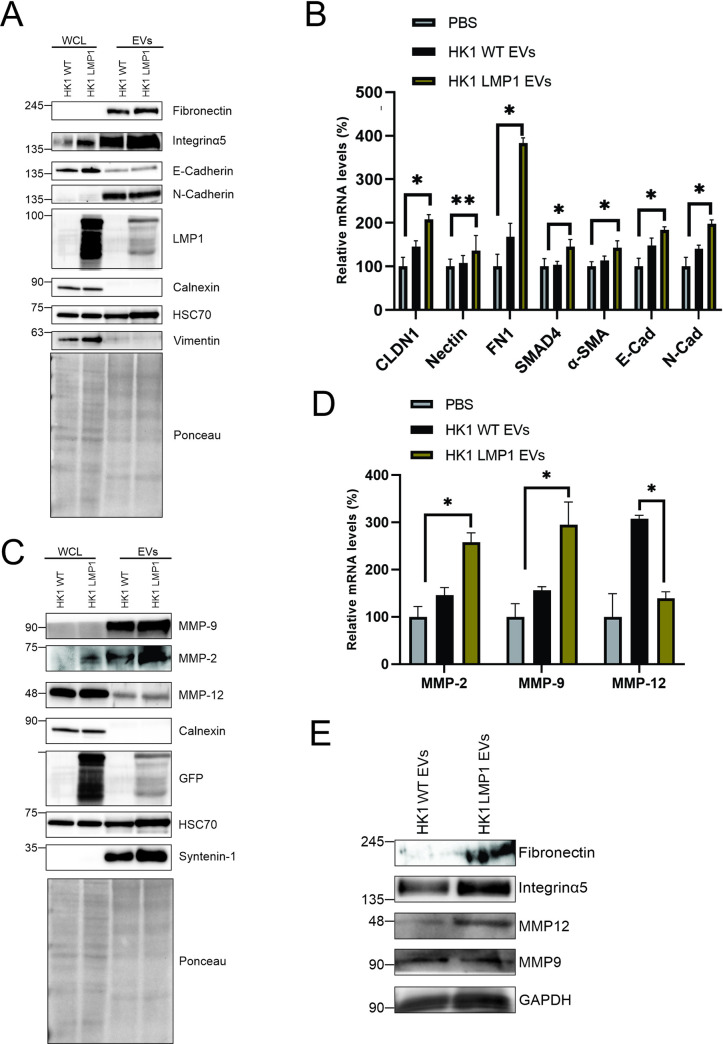
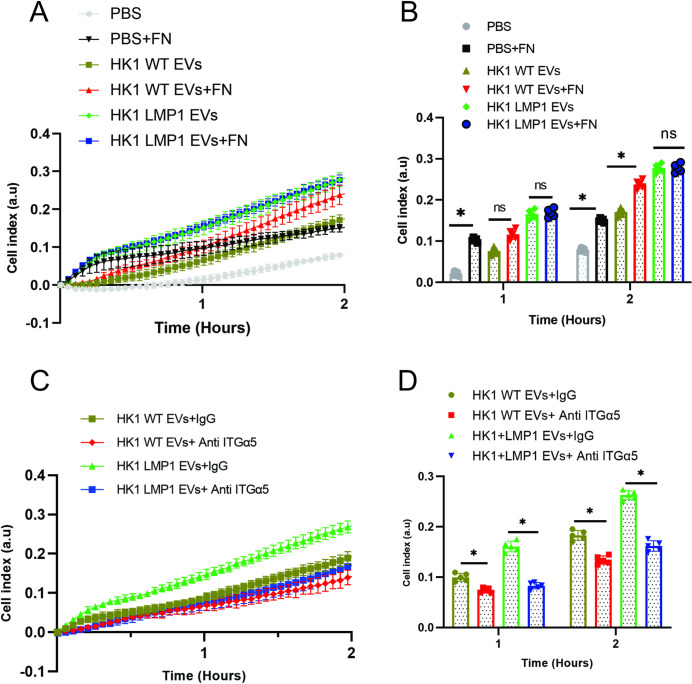
Extracellular vesicles (EV) mediate intercellular communication events and alterations in normal vesicle content contribute to function and disease initiation or progression. The ability to package a variety of cargo and transmit molecular information between cells renders EVs important mediators of cell-to-cell crosstalk. Latent membrane protein 1 (LMP1) is a chief viral oncoprotein expressed in most Epstein-Barr virus (EBV)-associated cancers and is released from cells at high levels in EVs. LMP1 containing EVs have been demonstrated to promote cell growth, migration, differentiation, and regulate immune cell function. Despite these significant changes in recipient cells induced by LMP1 modified EVs, the mechanism how this viral oncogene modulates the recipient cells towards these phenotypes is not well understood. We hypothesize that LMP1 alters EV content and following uptake of the LMP1-modified EVs by the recipient cells results in the activation of cell signaling pathways and increased gene expression which modulates the biological properties of recipient cell towards a new phenotype. Our results show that LMP1 expression alters the EV protein and microRNA content packaged into EVs. The LMP1-modified EVs also enhance recipient cell adhesion, proliferation, migration, invasion concomitant with the activation of ERK, AKT, and NF-κB signaling pathways. The LMP1 containing EVs induced transcriptome reprogramming in the recipient cells by altering gene expression of different targets including cadherins, matrix metalloproteinases 9 (MMP9), MMP2 and integrin-α5 which contribute to extracellular matrix (ECM) remodeling. Altogether, our data demonstrate the mechanism in which LMP1-modified EVs reshape the tumor microenvironment by increasing gene expression of ECM interaction proteins.
细胞外囊泡 (EV) 介导细胞间通讯事件,正常囊泡内容物的改变有助于功能和疾病的起始或进展。EV 能够包装各种货物并在细胞间传递分子信息,这使其成为细胞间通讯的重要介质。潜伏膜蛋白 1 (LMP1) 是大多数 Epstein-Barr 病毒 (EBV) 相关癌症中表达的主要病毒癌蛋白,并且以高水平从细胞中释放到 EV 中。已经证明含有 LMP1 的 EV 促进细胞生长、迁移、分化,并调节免疫细胞功能。尽管 LMP1 修饰的 EV 诱导受体细胞发生这些显著变化,但该病毒癌基因如何调节受体细胞向这些表型的机制尚不清楚。我们假设 LMP1 改变 EV 内容物,并且 LMP1 修饰的 EV 被受体细胞摄取后,导致细胞信号通路的激活和基因表达的增加,从而调节受体细胞的生物学特性向新表型。我们的结果表明,LMP1 表达改变了包裹在 EV 中的 EV 蛋白和 microRNA 含量。LMP1 修饰的 EV 还增强了受体细胞的黏附、增殖、迁移和侵袭,同时激活了 ERK、AKT 和 NF-κB 信号通路。LMP1 包含的 EV 通过改变不同靶基因的表达,包括钙黏蛋白、基质金属蛋白酶 9 (MMP9)、MMP2 和整合素-α5,诱导受体细胞中的转录组重编程,这些基因参与细胞外基质 (ECM) 重塑。总之,我们的数据表明,LMP1 修饰的 EV 通过增加 ECM 相互作用蛋白的基因表达来重塑肿瘤微环境的机制。