Łukowiak Magdalena
Department of Environmental Paleobiology, Institute of Paleobiology, Polish Academy of Sciences, Warsaw, Poland.
PeerJ. 2020 Dec 18;8:e10601. doi: 10.7717/peerj.10601. eCollection 2020.
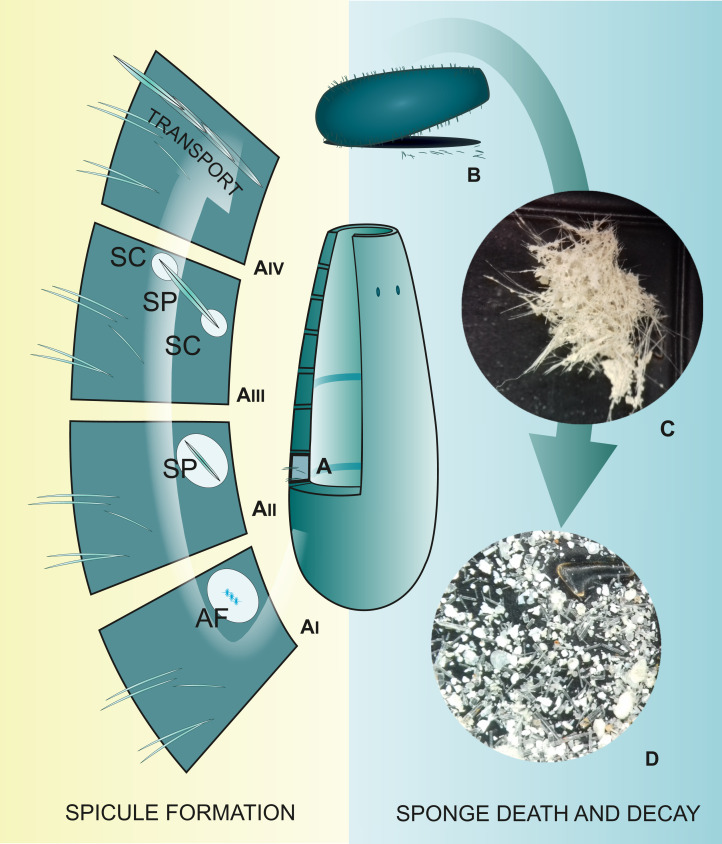
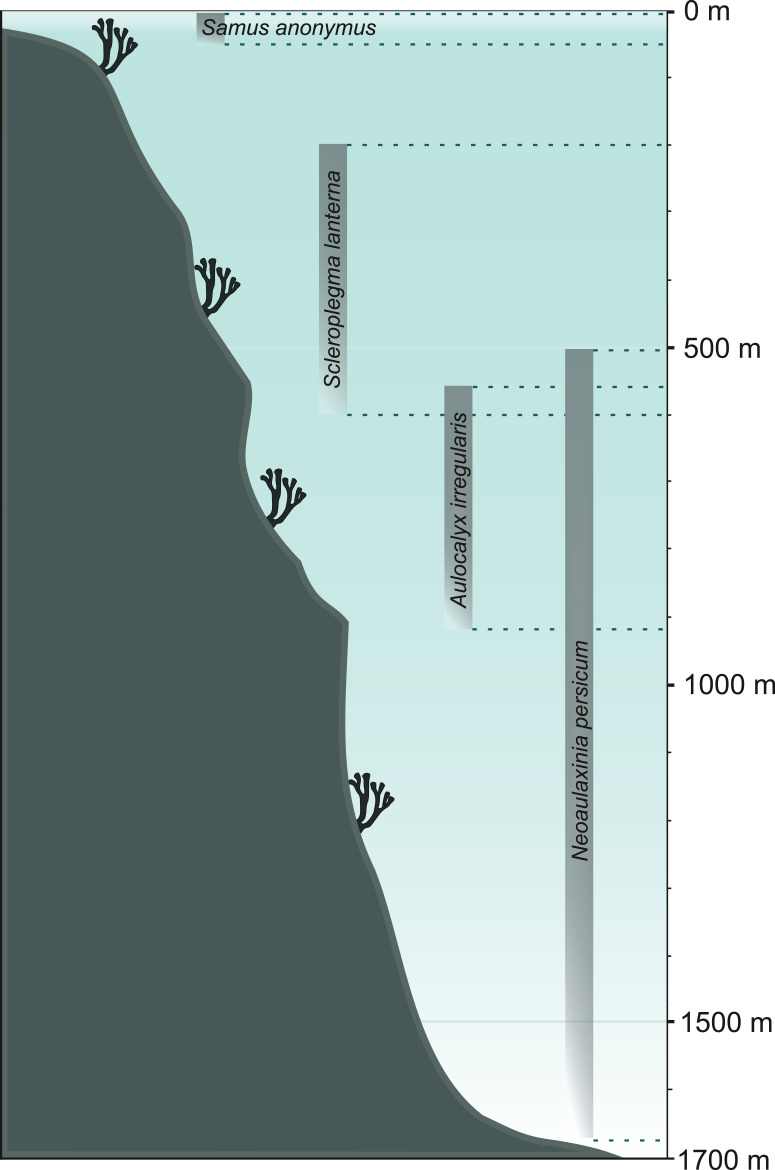
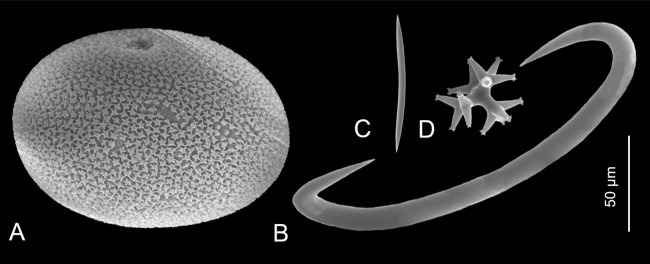
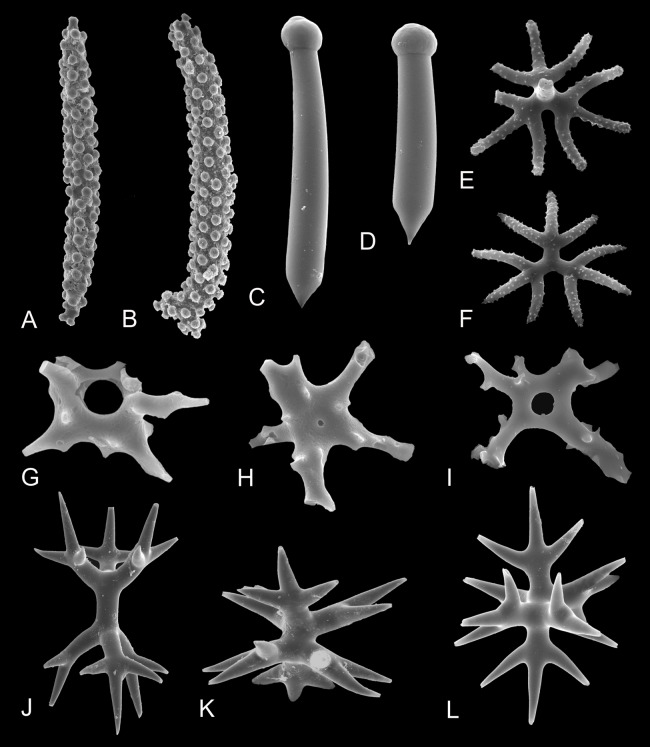
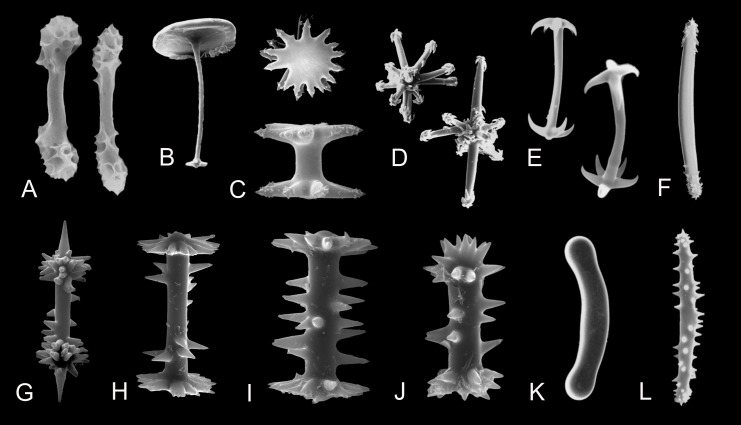
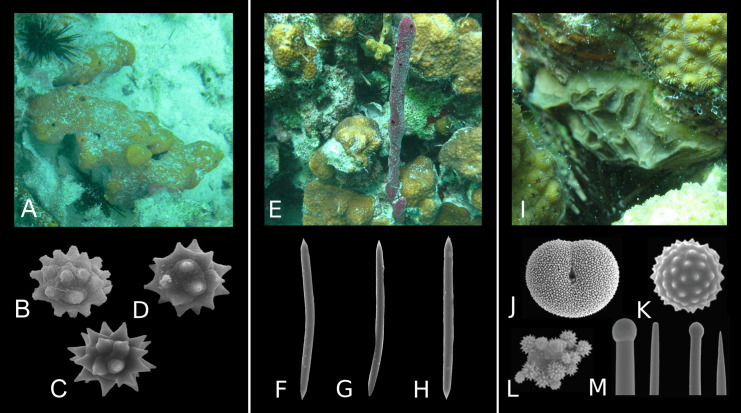
Most sponges produce skeletons formed by spicules, structural elements that develop in a wide variety of sizes and tridimensional shapes. The morphologies of spicules are often unique to clade- or even species-level taxa which makes them particularly useful in taxonomic assignments. When dead sponge bodies disintegrate, spicules become incorporated into sediments and sometimes accumulate into enormous agglomerations called spicule mats or beds, or fossilize to form special type of rocks called the spiculites. The record of fossil and subfossil sponge spicules is extraordinarily rich and often serves as a basis for far-reaching reconstructions of sponge communities, though spicules are also bearers of significant ecological and environmental information. Specific requirements and preferences of sponges can be used to interpret the environment in which they lived, and reconstruct oscillations in water depths, pH, temperatures, and other parameters, providing snapshots of past climate conditions. In turn, the silicon isotope compositions in spicules (δSi) are being increasingly often used to estimate the level of silicic acid in the marine settings throughout the geological history, which enables to reconstruct the past silica cycle and ocean circulation. This contribution provides a review of the use of sponge spicules in reconstructions of sponge communities, their ecology, and environments, and aims to detect the pertinent gaps in their utilization. Even though spicules are well known for their significance as bearers of taxonomic, ecological, and environmental data, their potential remains to be fully exploited.
大多数海绵会产生由骨针构成的骨架,骨针是一种结构元素,有多种尺寸和三维形状。骨针的形态通常在科级甚至物种级分类单元中是独一无二的,这使得它们在分类学鉴定中特别有用。当死去的海绵体分解时,骨针会融入沉积物中,有时会堆积成巨大的聚集体,称为骨针垫或骨针层,或者石化形成一种特殊类型的岩石,称为硅质岩。化石和亚化石海绵骨针的记录极其丰富,常常作为对海绵群落进行深远重建的基础,尽管骨针也承载着重要的生态和环境信息。海绵的特定需求和偏好可用于解释它们生活的环境,重建水深、pH值、温度和其他参数的波动情况,提供过去气候条件的快照。反过来,骨针中的硅同位素组成(δSi)越来越多地被用于估计整个地质历史时期海洋环境中硅酸的水平,这有助于重建过去的硅循环和海洋环流。本文献综述了海绵骨针在海绵群落重建、其生态学和环境方面应用的情况,旨在发现其应用中存在的相关差距。尽管骨针作为分类学、生态学和环境数据的载体的重要性广为人知,但其潜力仍有待充分挖掘。