Elman Igor, Upadhyay Jaymin, Lowen Steven, Karunakaran Keerthana, Albanese Mark, Borsook David
Center for Pain and the Brain, Department of Anesthesiology, Boston Children's Hospital, Harvard Medical School, Boston, MA, United States.
Cambridge Health Alliance, Harvard Medical School, Cambridge, MA, United States.
Front Neurosci. 2020 Dec 16;14:604867. doi: 10.3389/fnins.2020.604867. eCollection 2020.
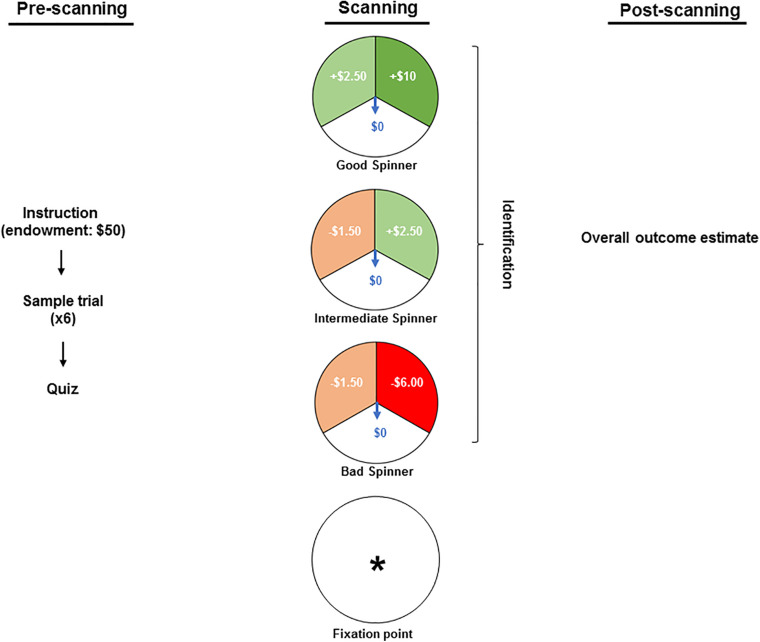
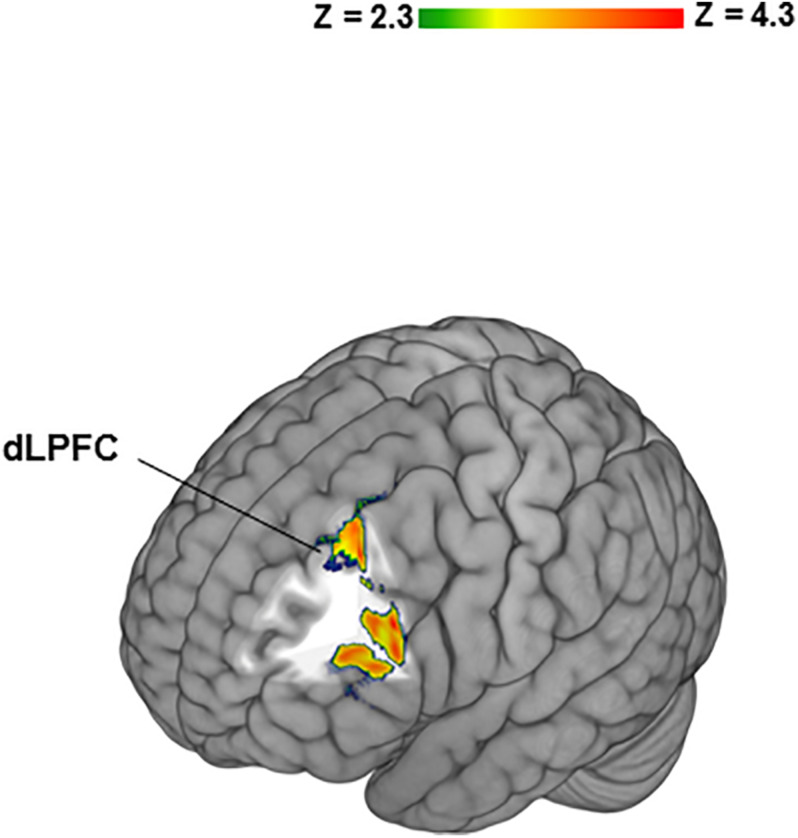
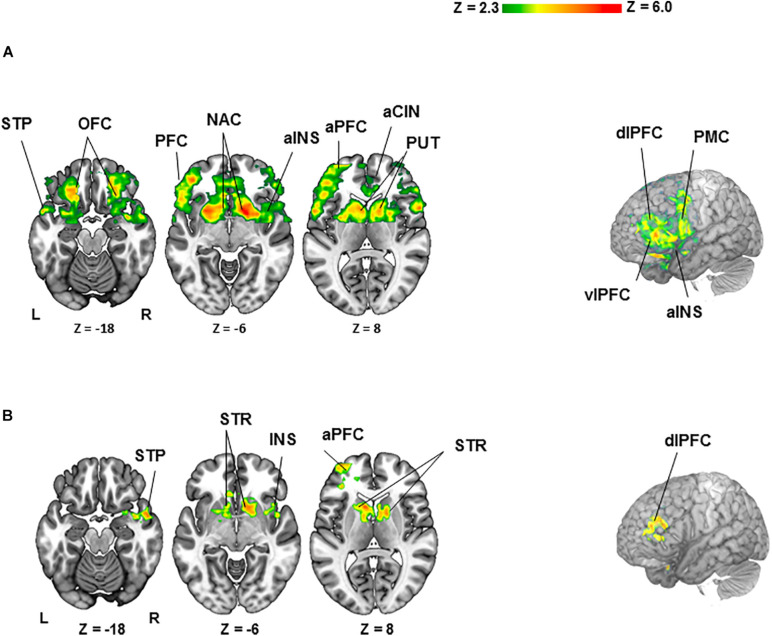
Although unconscious processing is a key element of mental operation, its neural correlates have not been established. Also, clinical observations suggest that unconscious processing may be involved in the pathophysiology of post-traumatic stress disorder (PTSD), but the neurobiological mechanisms underlying such impairments remain unknown. The purpose of the present study was to examine putative mechanisms underlying unconscious processing by healthy participants and to determine whether these mechanisms may be altered in PTSD patients. Twenty patients with PTSD and 27 healthy individuals were administered a validated wheel of fortune-type gambling task during functional magnetic resonance imaging (fMRI). Unconscious processing was elicited using unconscious contextual framing of the zero monetary outcomes as "no loss," "no gain" or as "neutral." Brief passive visual processing of the "no loss" vs. "no gain" contrast by healthy participants yielded bilateral frontal-, temporal- and insular cortices and striatal activations. Between-group comparison revealed smaller activity in the left anterior prefrontal-, left dorsolateral prefrontal-, right temporal- and right insular cortices and in bilateral striatum in PTSD patients with the left dorsolateral prefrontal cortex activity been more pronounced in those with greater PTSD severity. These observations implicate frontal-, temporal-, and insular cortices along with the striatum in the putative mechanisms underlying unconscious processing of the monetary outcomes. Additionally, our results support the hypothesis that PTSD is associated with primary cortical and subcortical alterations involved in the above processes and that these alterations may be related to some aspects of PTSD symptomatology.
尽管无意识加工是心理运作的关键要素,但其神经关联尚未明确。此外,临床观察表明,无意识加工可能参与创伤后应激障碍(PTSD)的病理生理过程,但这种损伤背后的神经生物学机制仍不清楚。本研究的目的是探讨健康参与者无意识加工的潜在机制,并确定这些机制在PTSD患者中是否可能发生改变。在功能磁共振成像(fMRI)期间,对20名PTSD患者和27名健康个体进行了一项经过验证的幸运轮式赌博任务。通过将零货币结果的无意识情境框架设定为“无损失”、“无收益”或“中性”来引发无意识加工。健康参与者对“无损失”与“无收益”对比进行简短的被动视觉加工时,双侧额叶、颞叶和岛叶皮质以及纹状体被激活。组间比较显示,PTSD患者的左侧前额叶前部、左侧背外侧前额叶、右侧颞叶和右侧岛叶皮质以及双侧纹状体的活动较小,其中左侧背外侧前额叶皮质的活动在PTSD严重程度较高的患者中更为明显。这些观察结果表明,额叶、颞叶和岛叶皮质以及纹状体参与了货币结果无意识加工的潜在机制。此外,我们的结果支持以下假设:PTSD与上述过程中涉及的原发性皮质和皮质下改变有关,并且这些改变可能与PTSD症状的某些方面有关。