Li Xuenan, Yang Kaiye, Gao Shuang, Zhao Jungang, Liu Guangrong, Chen Yu, Lin Haojie, Zhao Wengang, Hu Zhenlin, Xu Nuo
College of Life and Environmental Sciences, Wenzhou University, Wenzhou, China.
Infinitus (China) Company Ltd., Guangzhou, China.
Front Pharmacol. 2020 Dec 16;11:593832. doi: 10.3389/fphar.2020.593832. eCollection 2020.
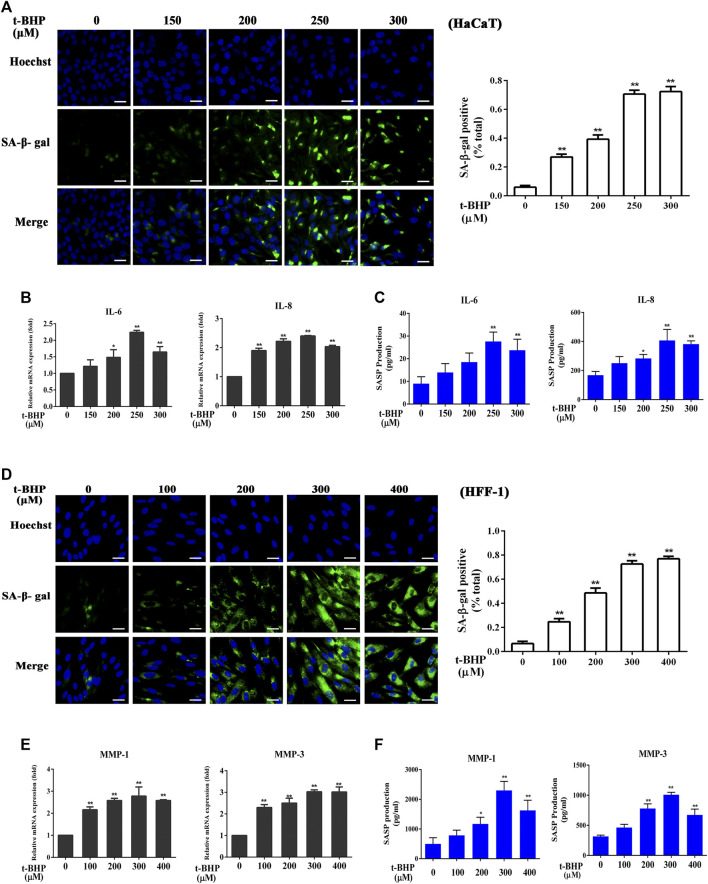
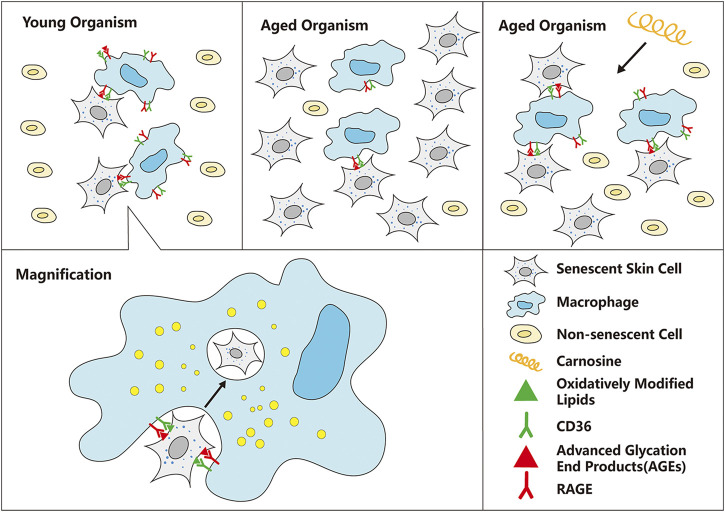
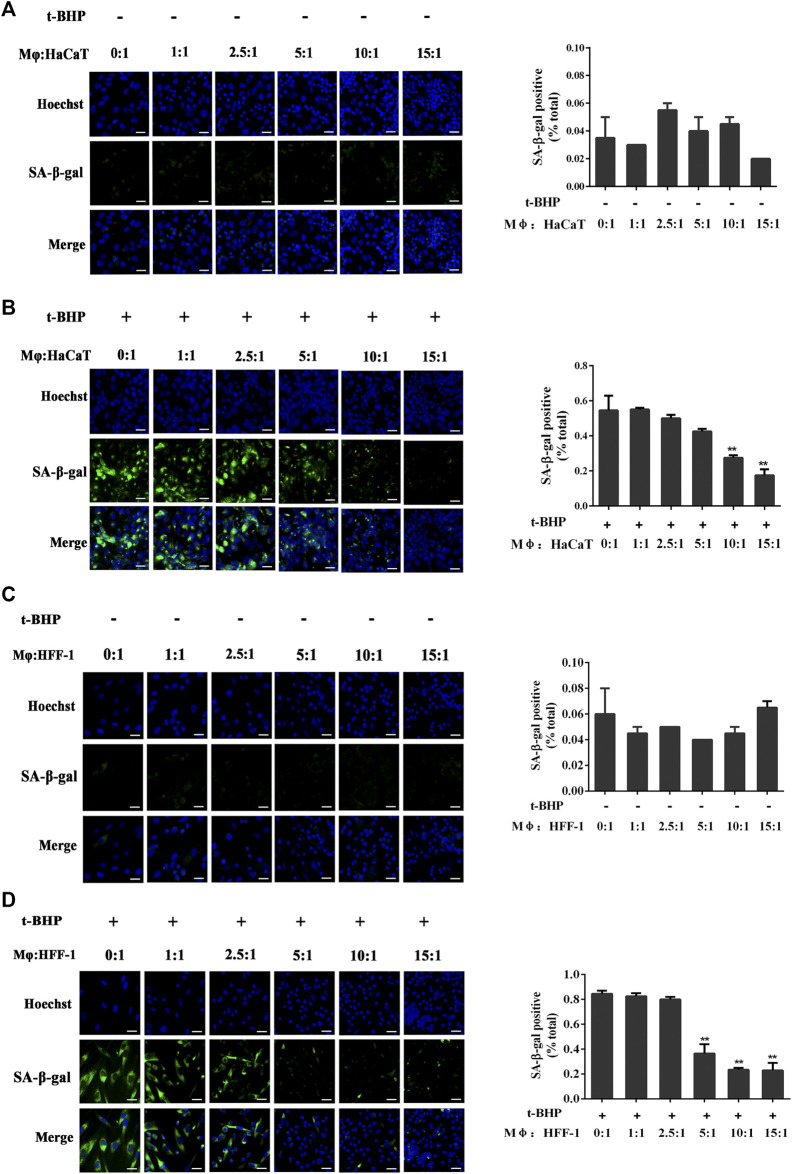
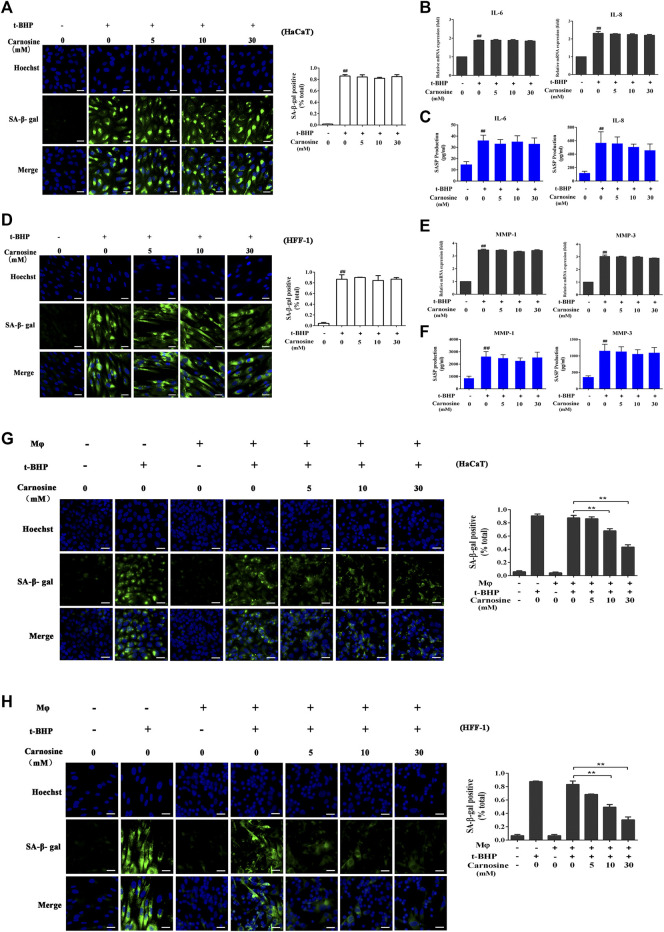
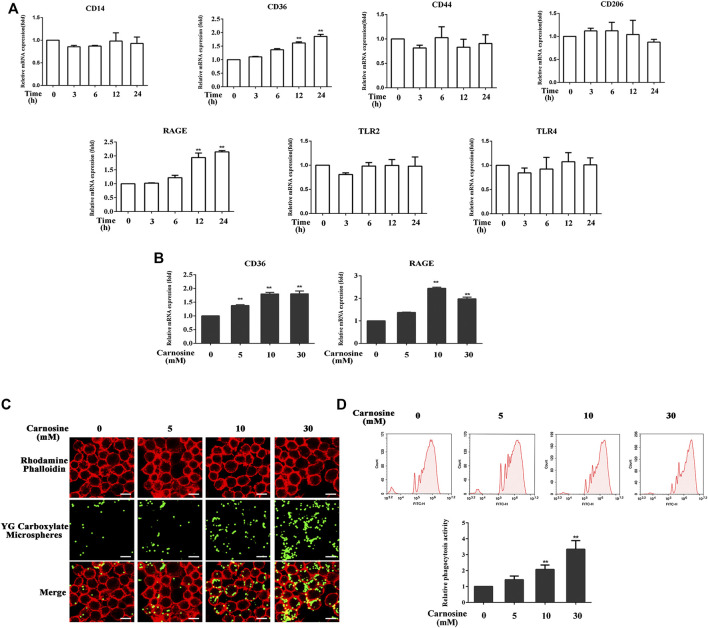
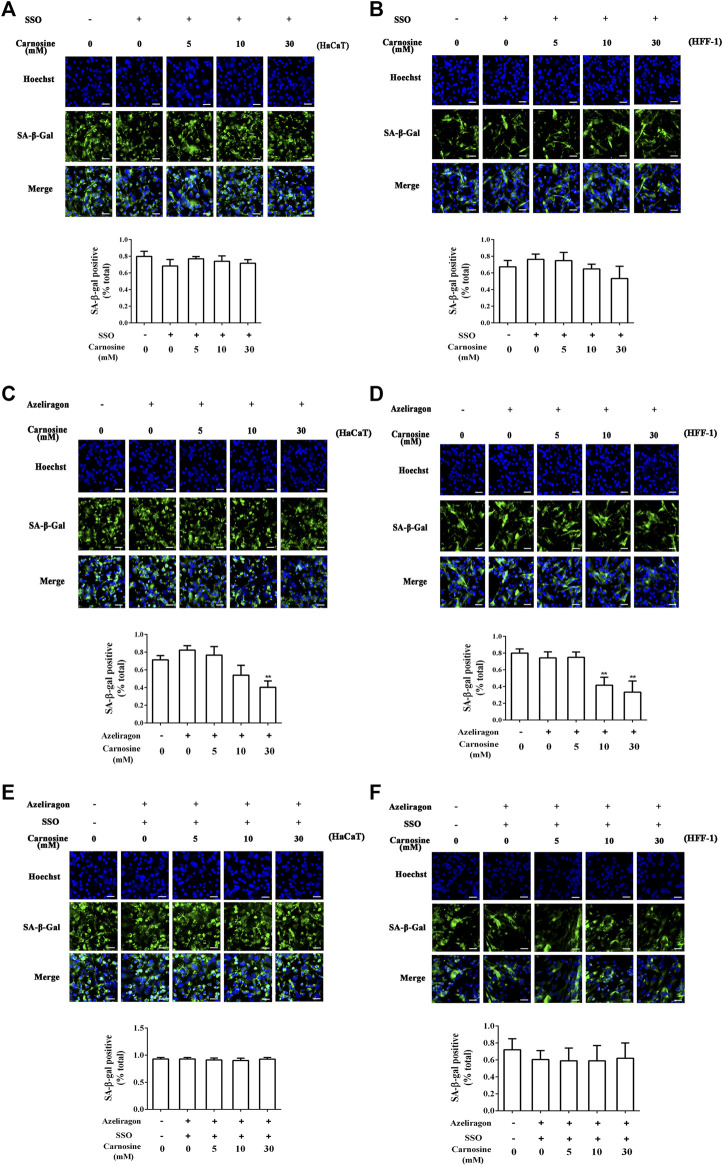
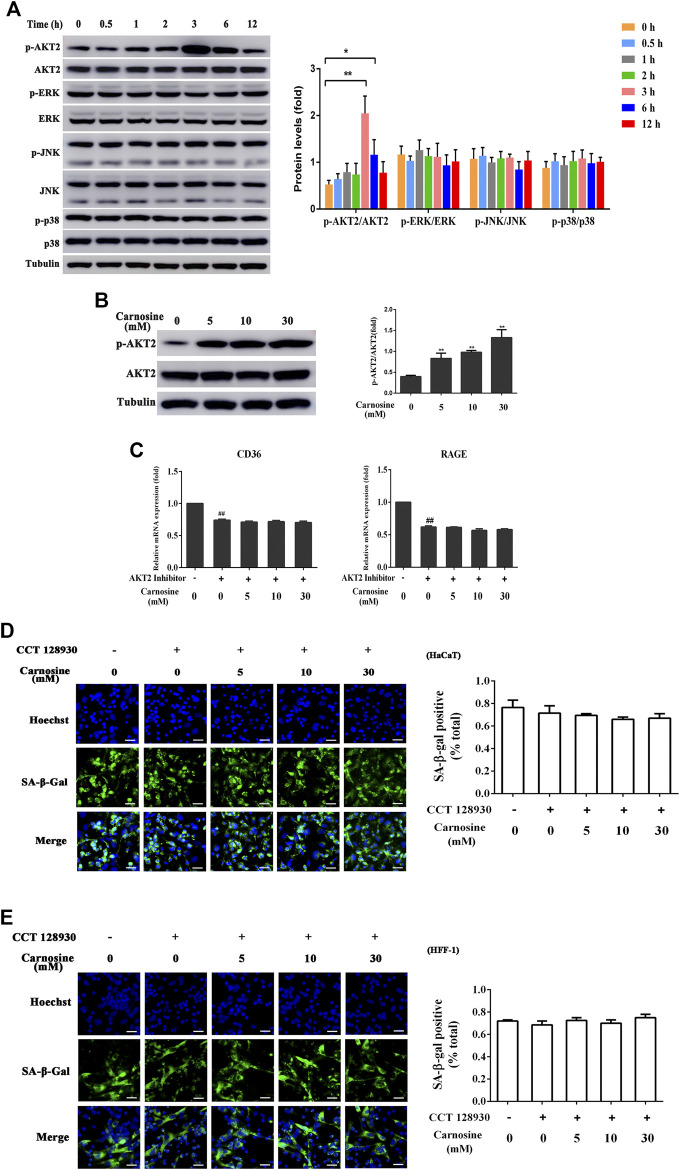
Macrophages can selectively recognize and eliminate senescent cells, but this function is impaired with age, resulting in excessive accumulation of senescent cells in the skin, which ultimately causes skin aging. Therefore, enhancing the immune surveillance ability of macrophages to clear senescent keratinocytes and fibroblasts from aging skin may be an effective skin rejuvenation strategy. In this study, a macrophage and senescent skin cell co-culture model was established whereby THP-1-derived macrophages and tert-butyl hydroxide-induced senescent skin cells (HaCaT and HFF-1) were grown in the same culture. Senescent skin cells were detected by the SPiDER-βgal assay, and the expression of secretory phenotype factors related to senescence was assayed by qPCR. The effect of carnosine on the number of SA-β-gal positive skin cells in the macrophage-senescent skin cell co-culture was evaluated and compared with that in the senescent skin cell monoculture. Carnosine promoted macrophage-mediated elimination of senescent skin cells in the co-culture. Through the AKT2 signaling pathway, carnosine upregulated the expression of CD36 and receptors for advanced glycation end products and elevated the phagocytic capacity of the macrophages, thereby promoting the ability of the macrophages to eliminate the senescent skin cells. Carnosine could boost the immune surveillance ability of macrophages to clear senescent keratinocytes and fibroblasts in the macrophage-senescent skin cell co-culture by activating the AKT2 signaling pathway, suggesting the possibility of using carnosine as an agent to reverse skin aging.
巨噬细胞能够选择性地识别并清除衰老细胞,但这种功能会随着年龄增长而受损,导致衰老细胞在皮肤中过度积累,最终引起皮肤老化。因此,增强巨噬细胞的免疫监视能力,以清除老化皮肤中的衰老角质形成细胞和成纤维细胞,可能是一种有效的皮肤年轻化策略。在本研究中,建立了一种巨噬细胞与衰老皮肤细胞共培养模型,即将THP-1来源的巨噬细胞与叔丁基氢氧化合物诱导的衰老皮肤细胞(HaCaT和HFF-1)在同一培养体系中培养。通过SPiDER-βgal检测法检测衰老皮肤细胞,并通过qPCR检测与衰老相关的分泌表型因子的表达。评估了肌肽对巨噬细胞-衰老皮肤细胞共培养体系中SA-β-gal阳性皮肤细胞数量的影响,并与衰老皮肤细胞单培养体系中的情况进行比较。肌肽在共培养体系中促进了巨噬细胞介导的衰老皮肤细胞清除。通过AKT2信号通路,肌肽上调了CD36和晚期糖基化终产物受体的表达,并提高了巨噬细胞的吞噬能力,从而增强了巨噬细胞清除衰老皮肤细胞的能力。肌肽可通过激活AKT2信号通路,增强巨噬细胞在巨噬细胞-衰老皮肤细胞共培养体系中清除衰老角质形成细胞和成纤维细胞的免疫监视能力,这表明肌肽有可能作为一种逆转皮肤衰老的药物。