Sun Jiayu, Zhao Fuya, Lin Baiqiang, Feng Jing, Wu Xin, Liu Yang, Zhao Lei, Zhu Biqiang, Wei Yunwei
Department of Oncology and Laparoscopy Surgery, The First Affiliated Hospital of Harbin Medical University, Harbin, China.
Front Pharmacol. 2020 Dec 17;11:598170. doi: 10.3389/fphar.2020.598170. eCollection 2020.
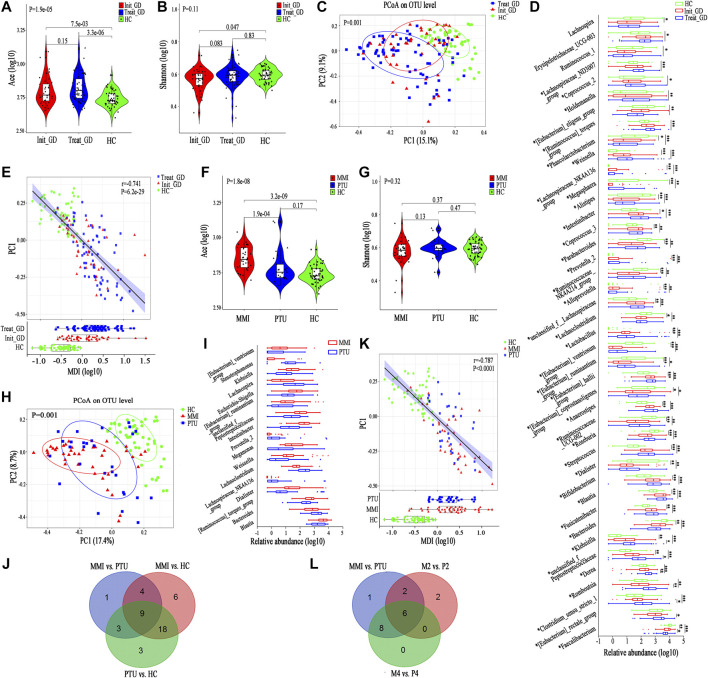
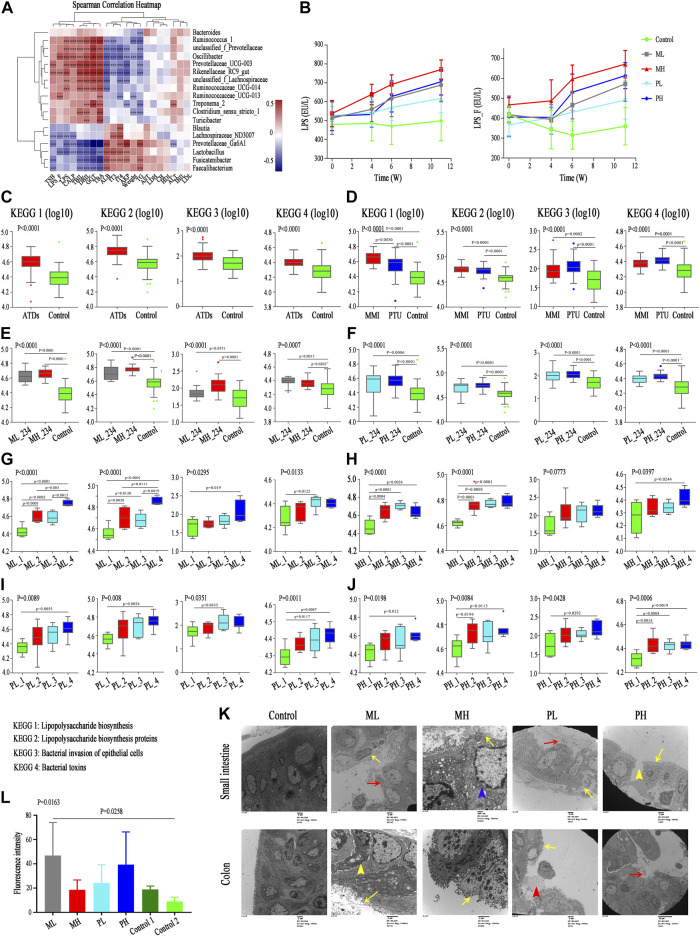
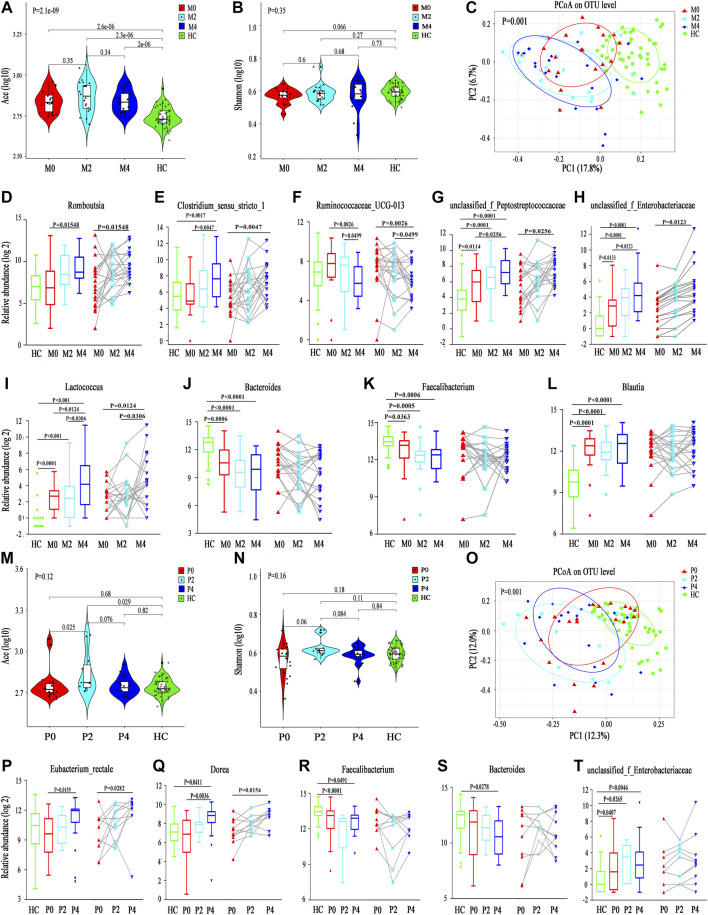
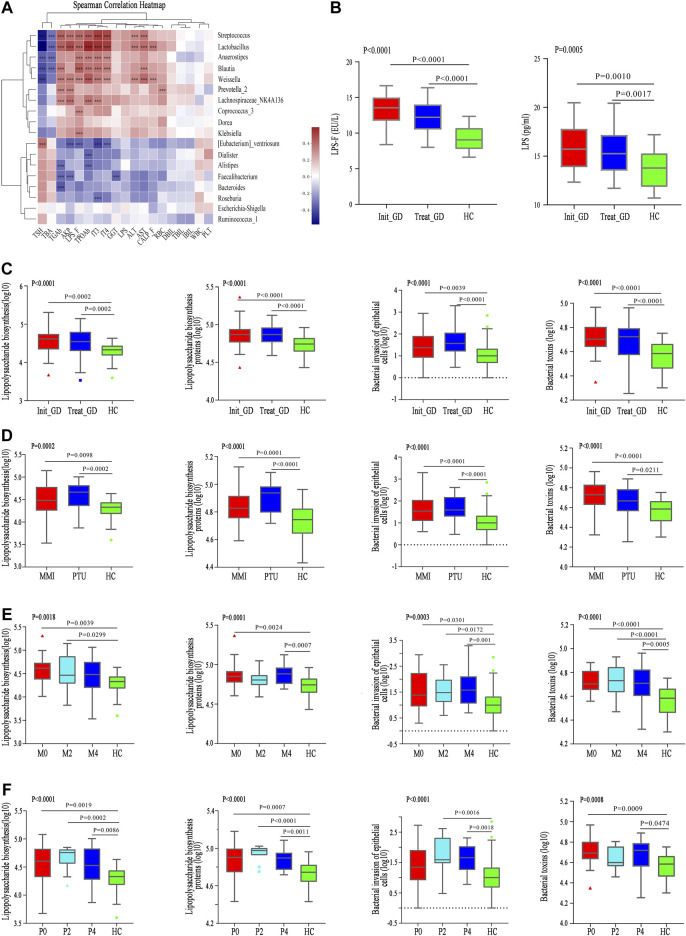
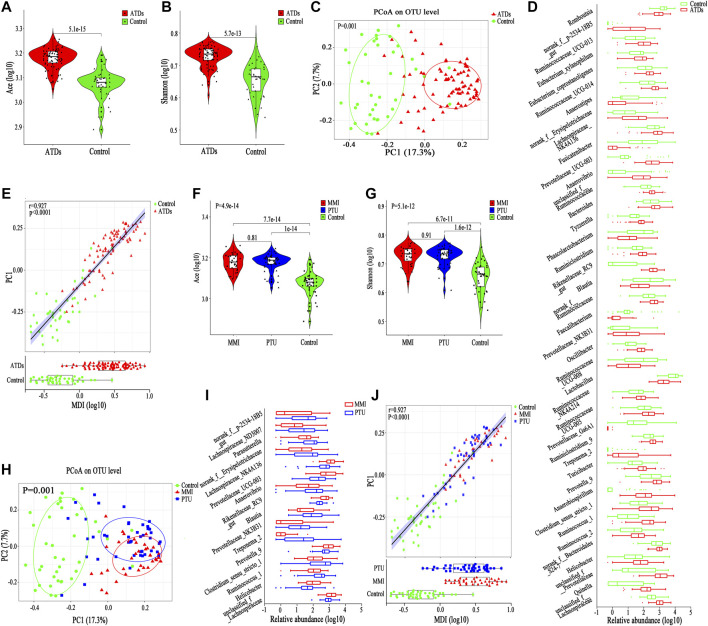
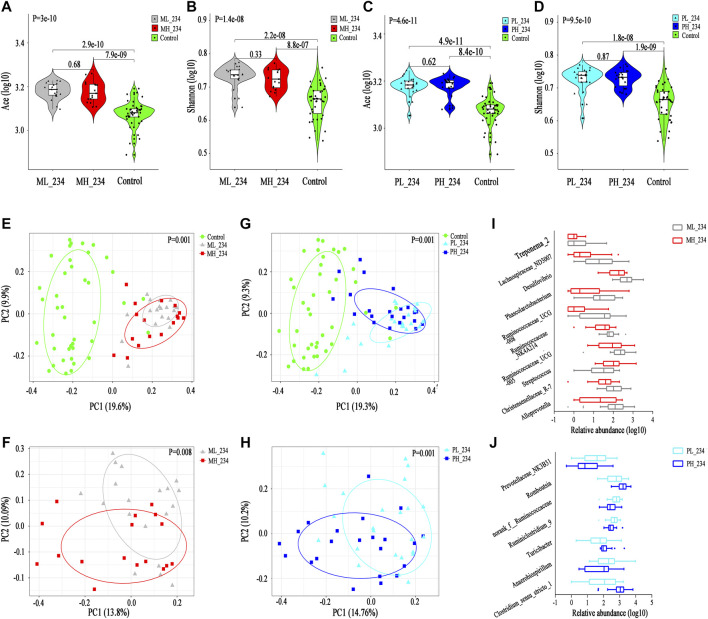
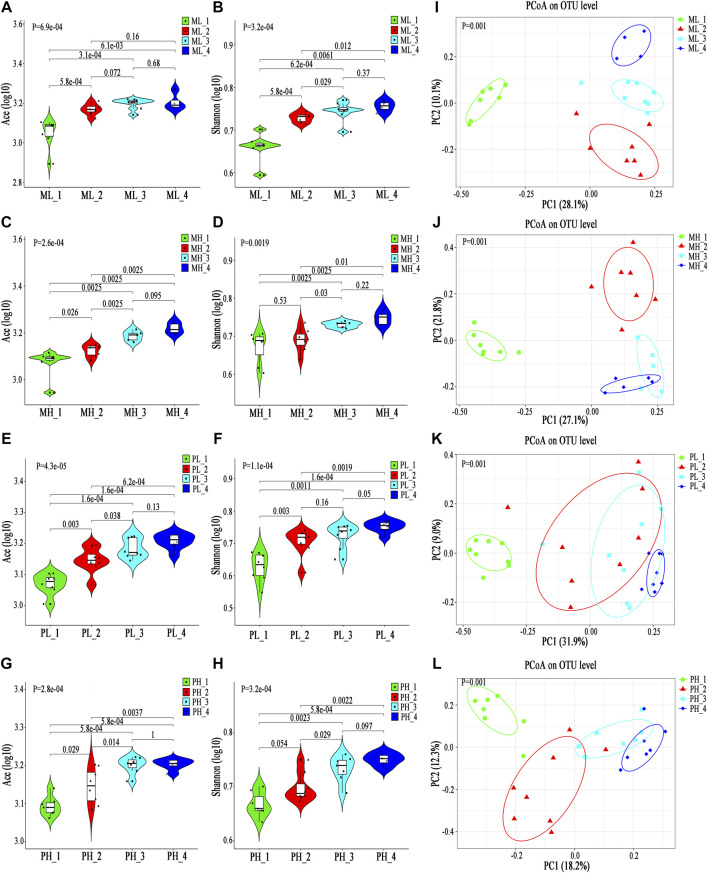
Drugs can alter the gut microbiota structure, and gut microbiota dysbiosis in turn is correlated with drug side effects through the intestinal endotoxemia hypothesis. Whether antithyroid drugs (including methimazole and propylthiouracil) cause gut microbiota dysbiosis and whether the gut microbiota is correlated with antithyroid drugs induced liver injury is unknown. Initial Graves' disease patients were randomly divided into the methimazole group ( = 20) and the propylthiouracil group ( = 20) and were followed up every 2 weeks; 50 healthy controls were also included. The structure and function of gut microbiota were compared from the cross sectional and longitudinal levels. The correlation between the gut microbiota and clinical parameters was also determined. In addition, Sprague-Dawley rats were randomly allotted into six groups, including four drug groups, which received daily doses of methimazole (1.5 mg/kg/day; 2.5 mg/kg/day) or propylthiouracil (7.5 mg/kg/day; 12.5 mg/kg/day) by oral gavage, and two control groups received the vehicle. In addition to the indexes mentioned above, intestinal barrier-related indexes were also performed. Cross sectional and longitudinal comparison results from both clinical trials and animal studies indicate that antithyroid drugs altered gut microbiota structure; and the liver function related indexes all increased which correlated with gut microbiota. In addition, lipopolysaccharide-related pathways and the lipopolysaccharide concentration in feces and serum all increased after antithyroid drugs administration. These results consistent with the destroyed intestinal barrier in animal study after antithyroid drugs administration. We verified that antithyroid drugs altered gut microbiota structure and that the gut microbiota may in turn be correlated with antithyroid drugs-induced liver injury through the intestinal endotoxemia hypothesis.
药物可改变肠道微生物群结构,而肠道微生物群失调通过肠道内毒素血症假说反过来与药物副作用相关。抗甲状腺药物(包括甲巯咪唑和丙硫氧嘧啶)是否会导致肠道微生物群失调以及肠道微生物群是否与抗甲状腺药物引起的肝损伤相关尚不清楚。将初发Graves病患者随机分为甲巯咪唑组(n = 20)和丙硫氧嘧啶组(n = 20),每2周随访一次;还纳入了50名健康对照者。从横断面和纵向水平比较肠道微生物群的结构和功能。还确定了肠道微生物群与临床参数之间的相关性。此外,将Sprague-Dawley大鼠随机分为六组,包括四个药物组,通过灌胃给予每日剂量的甲巯咪唑(1.5 mg/kg/天;2.5 mg/kg/天)或丙硫氧嘧啶(7.5 mg/kg/天;12.5 mg/kg/天),两个对照组给予赋形剂。除上述指标外,还检测了肠道屏障相关指标。临床试验和动物研究的横断面和纵向比较结果表明,抗甲状腺药物改变了肠道微生物群结构;肝功能相关指标均升高,且与肠道微生物群相关。此外,抗甲状腺药物给药后,粪便和血清中脂多糖相关通路及脂多糖浓度均升高。这些结果与抗甲状腺药物给药后动物研究中肠道屏障受损一致。我们证实抗甲状腺药物改变了肠道微生物群结构,并且肠道微生物群可能反过来通过肠道内毒素血症假说与抗甲状腺药物引起的肝损伤相关。