Department of Neurology, The First Affiliated Hospital of Chongqing Medical University, 1st You Yi Road, Yuzhong District, Chongqing, 400016, China.
Department of Neurology, Chongqing General Hospital, Chongqing, China.
J Neuroinflammation. 2021 Jan 5;18(1):5. doi: 10.1186/s12974-020-02056-0.
Central sensitization is an important pathophysiological mechanism of chronic migraine (CM). According to our previous studies, microglial activation and subsequent inflammation in the trigeminal nucleus caudalis (TNC) contribute to the central sensitization. The P2X7 receptor (P2X7R) is a purinergic receptor expressed in microglia and participates in central sensitization in chronic pain, but its role in CM is unclear. Numerous studies have shown that P2X7R regulates the level of autophagy and that autophagy affects the microglial activation and inflammation. Recently, autophagy has been shown to be involved in neuropathic pain, but there is no information about autophagy in CM. Therefore, the current study investigated the role of P2X7R in CM and its underlying mechanism, focusing on autophagy regulation.
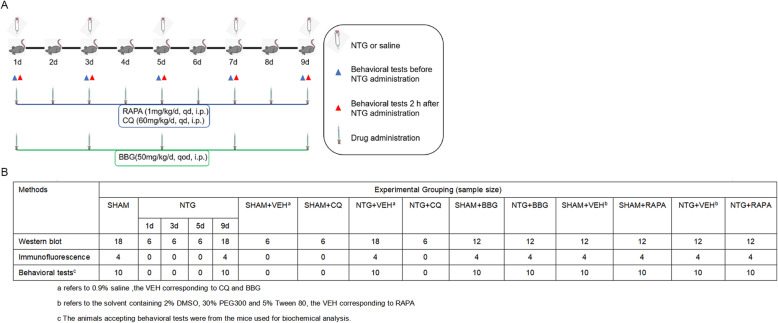
The CM model was established by repeated intraperitoneal injection of nitroglycerin (NTG) in mice. A Von Frey filament and radiant heat were used to assess the mechanical and thermal hypersensitivity. Western blotting and immunofluorescence assays were performed to detect the expression of P2X7R, autophagy-related proteins, and the cellular localization of P2X7R. To determine the role of P2X7R and autophagy in CM, we detected the effects of the autophagy inducer, rapamycin (RAPA) and P2X7R antagonist, Brilliant Blue G (BBG), on pain behavior and the expression of calcitonin gene-related peptide (CGRP) and c-fos. In addition, the effect of RAPA and BBG on microglial activation and subsequent inflammation were investigated.
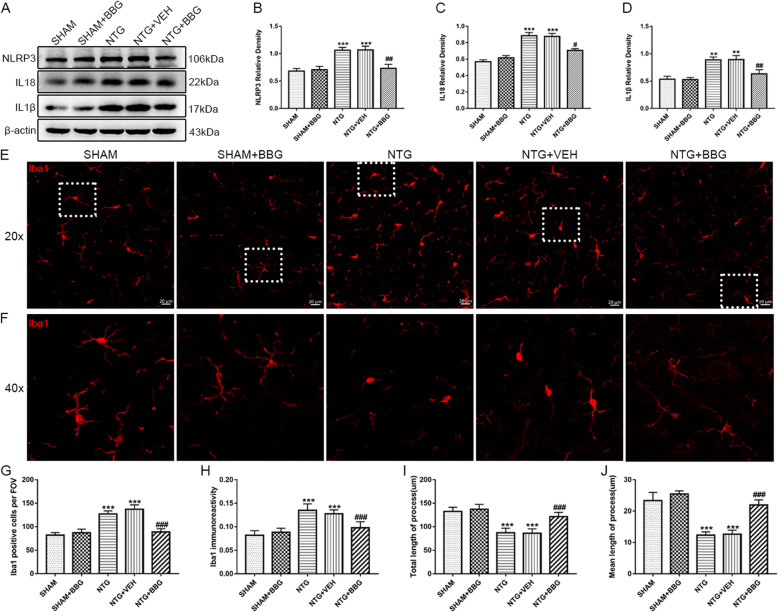
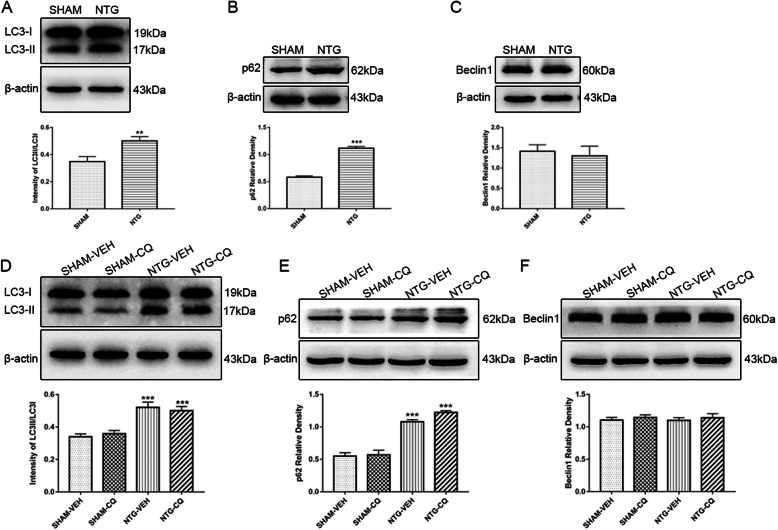
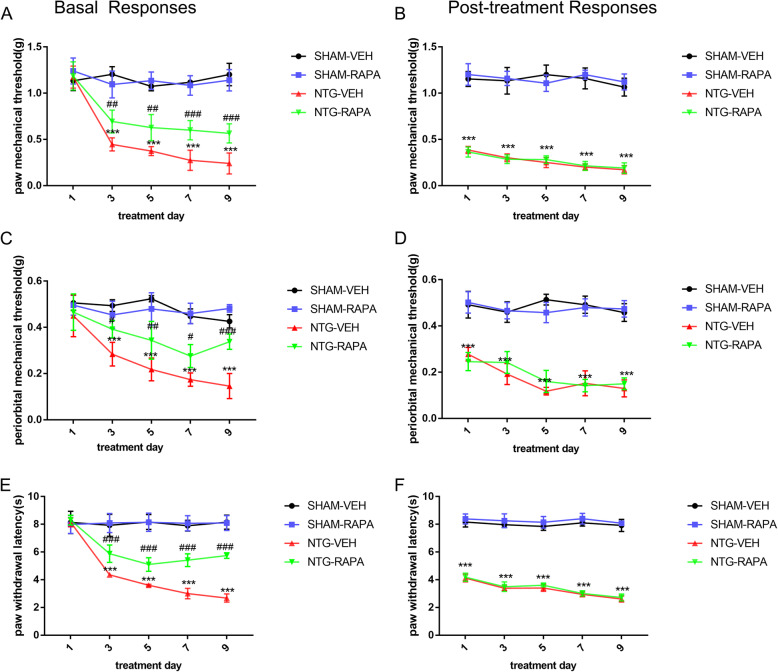
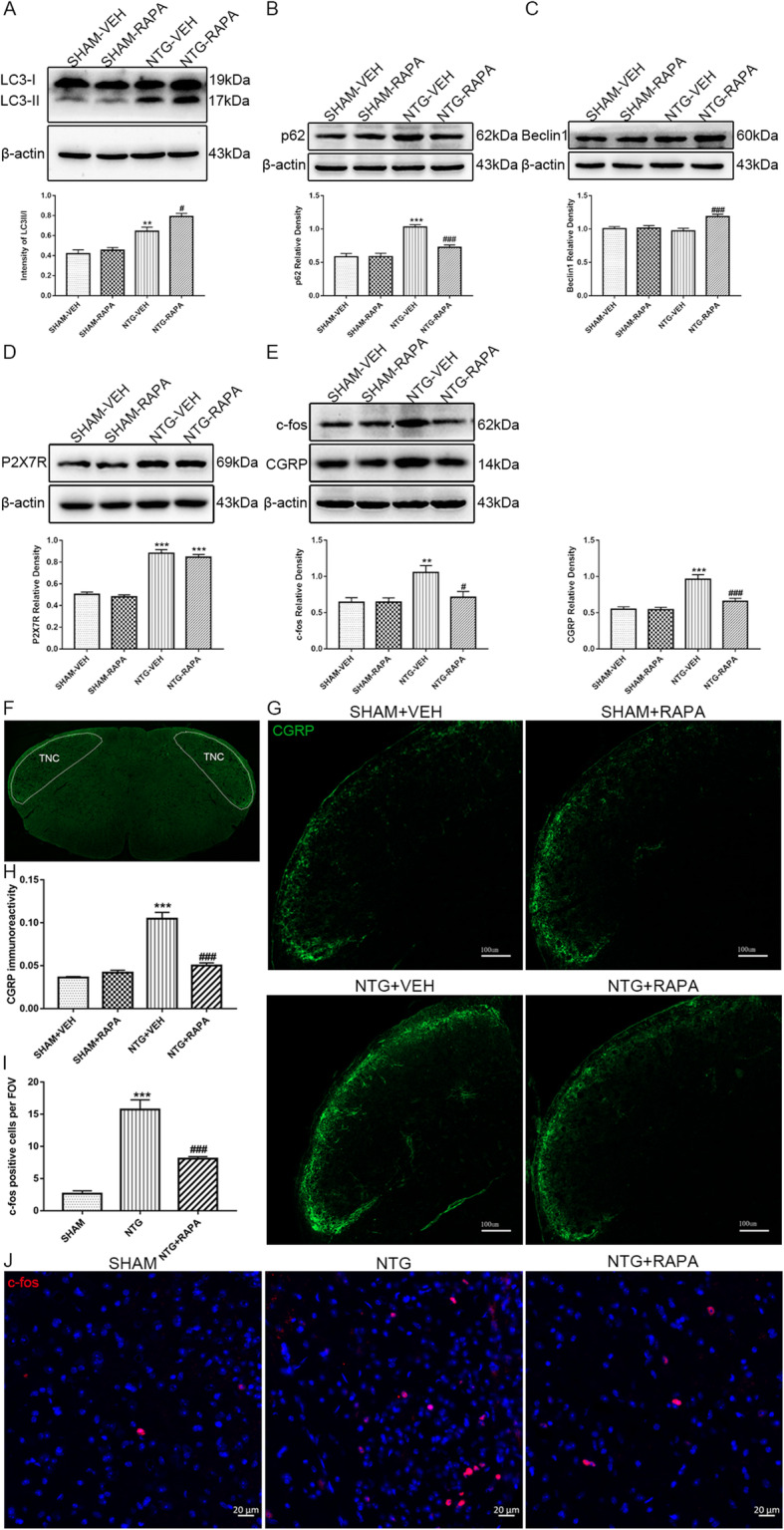
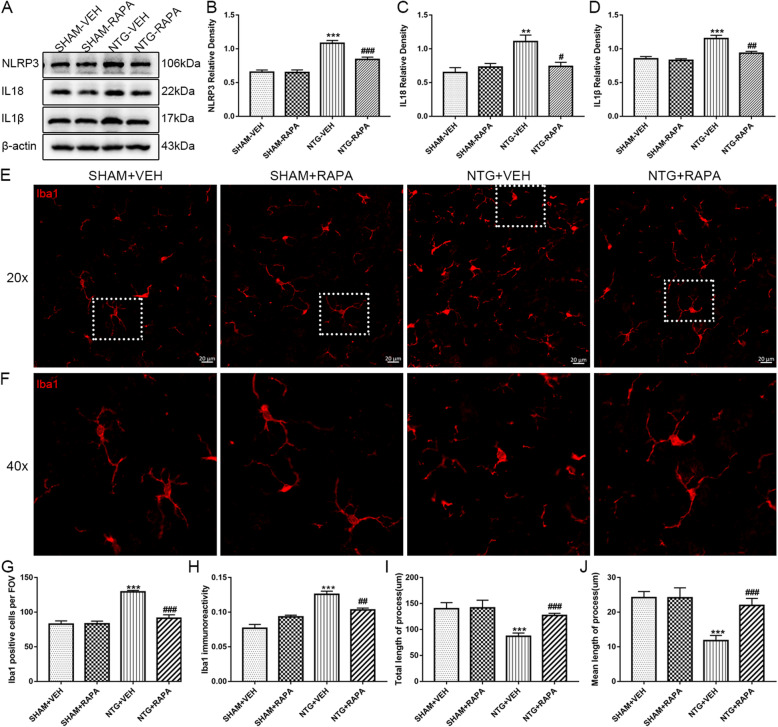
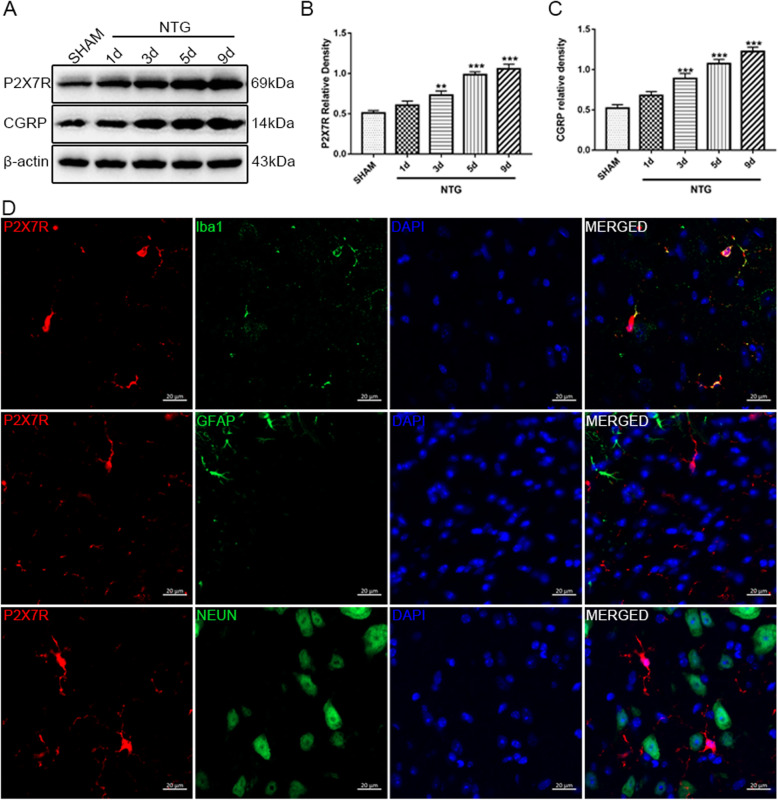
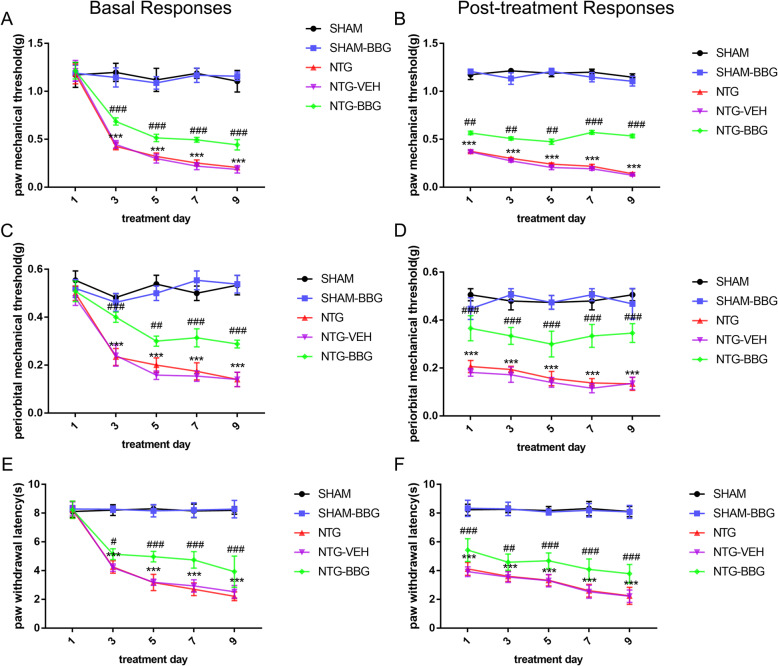
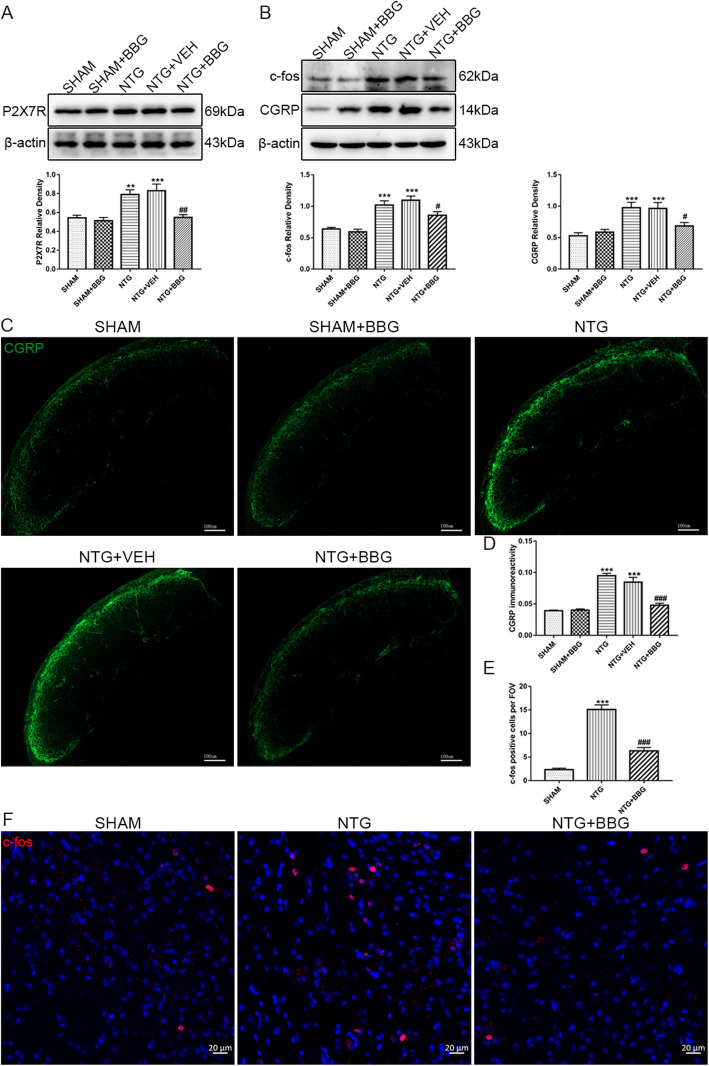
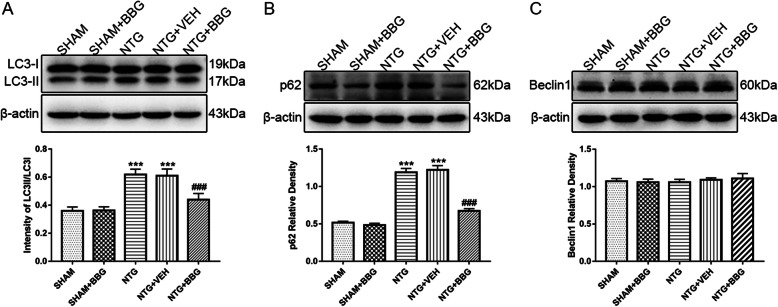
The expression of P2X7R was increased and was mainly colocalized with microglia in the TNC following recurrent NTG administration. The autophagic flux was blocked in CM, which was characterized by upregulated LC3-II, and accumulated autophagy substrate protein, p62. RAPA significantly improved the basal rather than acute hyperalgesia. BBG alleviated both basal and acute hyperalgesia. BBG activated the level of autophagic flux. RAPA and BBG inhibited the activation of microglia, limited the inflammatory response, and reduced the expression of CGRP and c-fos.
Our results demonstrate the dysfunction of the autophagic process in CM. Activated autophagy may have a preventive effect on migraine chronification. P2X7R contributes to central sensitization through mediating autophagy regulation and might become a potential target for CM.
中枢敏化是慢性偏头痛(CM)的重要病理生理机制。根据我们之前的研究,三叉神经脊束核(TNC)中的小胶质细胞激活和随后的炎症导致中枢敏化。嘌呤能受体 P2X7(P2X7R)是小胶质细胞中表达的嘌呤能受体,参与慢性疼痛中的中枢敏化,但在 CM 中的作用尚不清楚。大量研究表明,P2X7R 调节自噬水平,自噬影响小胶质细胞的激活和炎症。最近,自噬已被证明与神经性疼痛有关,但 CM 中尚无自噬的相关信息。因此,本研究探讨了 P2X7R 在 CM 中的作用及其潜在机制,重点关注自噬调节。
通过对小鼠重复腹腔注射硝化甘油(NTG)建立 CM 模型。使用 Von Frey 细丝和辐射热评估机械和热感觉过敏。通过 Western blot 和免疫荧光检测 P2X7R、自噬相关蛋白的表达以及 P2X7R 的细胞定位。为了确定 P2X7R 和自噬在 CM 中的作用,我们检测了自噬诱导剂雷帕霉素(RAPA)和 P2X7R 拮抗剂布立尼莫(BBG)对疼痛行为以及降钙素基因相关肽(CGRP)和 c-fos 表达的影响。此外,还研究了 RAPA 和 BBG 对小胶质细胞激活和随后炎症的影响。
反复给予 NTG 后,TNC 中小胶质细胞中 P2X7R 的表达增加,且主要与小胶质细胞共定位。CM 中自噬流受阻,表现为 LC3-II 上调和自噬底物蛋白 p62 积累。RAPA 显著改善了基础而非急性痛觉过敏。BBG 缓解了基础和急性痛觉过敏。BBG 激活了自噬流水平。RAPA 和 BBG 抑制了小胶质细胞的激活,限制了炎症反应,并降低了 CGRP 和 c-fos 的表达。
我们的研究结果表明,CM 中自噬过程出现功能障碍。激活的自噬可能对偏头痛慢性化具有预防作用。P2X7R 通过调节自噬参与中枢敏化,可能成为 CM 的潜在靶点。