Department of Experimental and Clinical Biomedical Sciences, University of Florence, Largo Palagi 1, 50139, Florence, Italy.
Orphanet J Rare Dis. 2021 Jan 6;16(1):16. doi: 10.1186/s13023-020-01650-y.
MEN1 is a complex, rare, syndrome inherited in an autosomal dominant tract and characterized by the development of multiple neuroendocrine tumors, requiring lifelong surveillance and multiple medical and surgical therapies throughout the patient's life. For all these reasons, a diagnosis of MEN1 can be a psychological shock for the patient, as well as his/her relatives, more so than the diagnosis of a single tumor. In the last two decades, clinicians have started to consider the emotional, psychological, relational, and social aspects of their patients' lives. The data collected in the present analyses highlight the unique features of MEN1 syndrome, and aim to evaluate the Quality of Life in the patients and their relatives. In this study, a comprehensive survey of various aspects of Health-Related Quality of Life was performed in a large series of Italian MEN1 patients, by administering five of the most common targeted questionnaires.
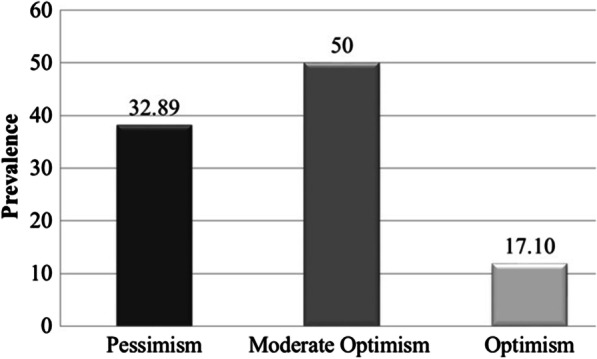
The results of the study showed that our patients, despite having a complex multi-tumor syndrome, were moderately optimistic (50%), and this corresponds with a normal Quality of Life. This positive response is strictly correlated with the fact that the patients are cared for at a dedicated Referral Center, receiving personalized care and constant follow-up, which gives them reassurance regarding the high quality of management of the disorder.
The possibility of having access to a clinical Referral Center for their complex rare disease, together with the support of a dedicated patient association, has been demonstrated to be the ideal model for the management of post-diagnosis shock, and contributes to the preservation of a good Health-Related Quality of Life for MEN1 patients.
MEN1 是一种复杂的、罕见的常染色体显性遗传综合征,其特征是多种神经内分泌肿瘤的发展,需要终身监测,并在患者的一生中多次进行医疗和手术治疗。出于所有这些原因,MEN1 的诊断对患者及其亲属来说都是一种心理冲击,比单一肿瘤的诊断更严重。在过去的二十年中,临床医生开始考虑患者生活中的情感、心理、关系和社会方面。本分析中收集的数据突出了 MEN1 综合征的独特特征,并旨在评估患者及其亲属的生活质量。在这项研究中,通过管理五个最常见的靶向问卷,对意大利大型 MEN1 患者系列进行了广泛的健康相关生活质量综合调查。
研究结果表明,尽管我们的患者患有复杂的多肿瘤综合征,但他们还是适度乐观(50%),这与正常的生活质量相对应。这种积极的反应与患者在专门的转诊中心接受治疗的事实密切相关,他们在那里接受个性化护理和持续的随访,这让他们对疾病的高质量管理感到放心。
能够获得针对其复杂罕见疾病的临床转诊中心,并得到专门患者协会的支持,已被证明是管理诊断后冲击的理想模式,有助于维持 MEN1 患者良好的健康相关生活质量。