Cardiology Division, Department of Medicine, Queen Mary Hospital, the University of Hong Kong, Hong Kong SAR, China.
Shenzhen Institutes of Research and Innovation, the University of Hong Kong, Hong Kong SAR, China.
Theranostics. 2021 Jan 1;11(4):1641-1654. doi: 10.7150/thno.46119. eCollection 2021.
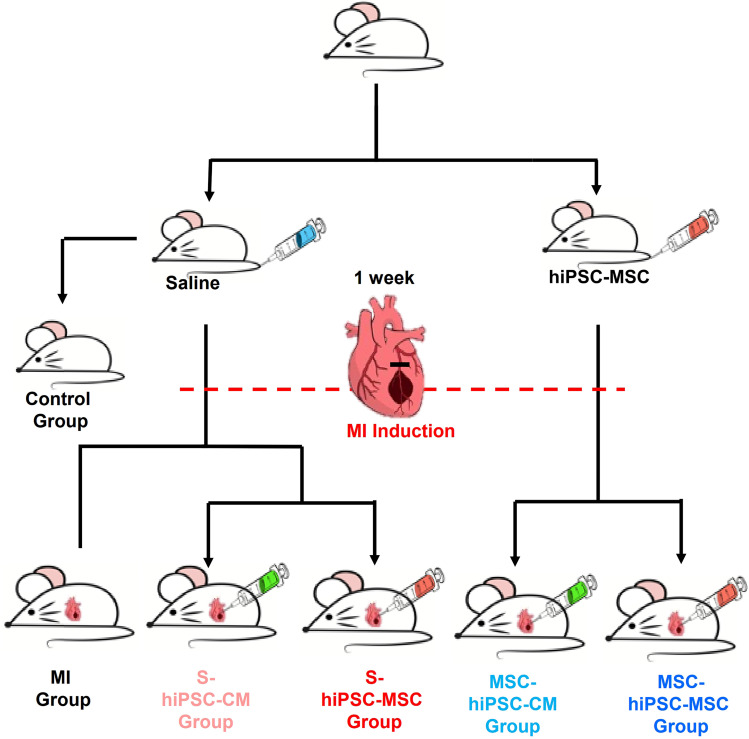
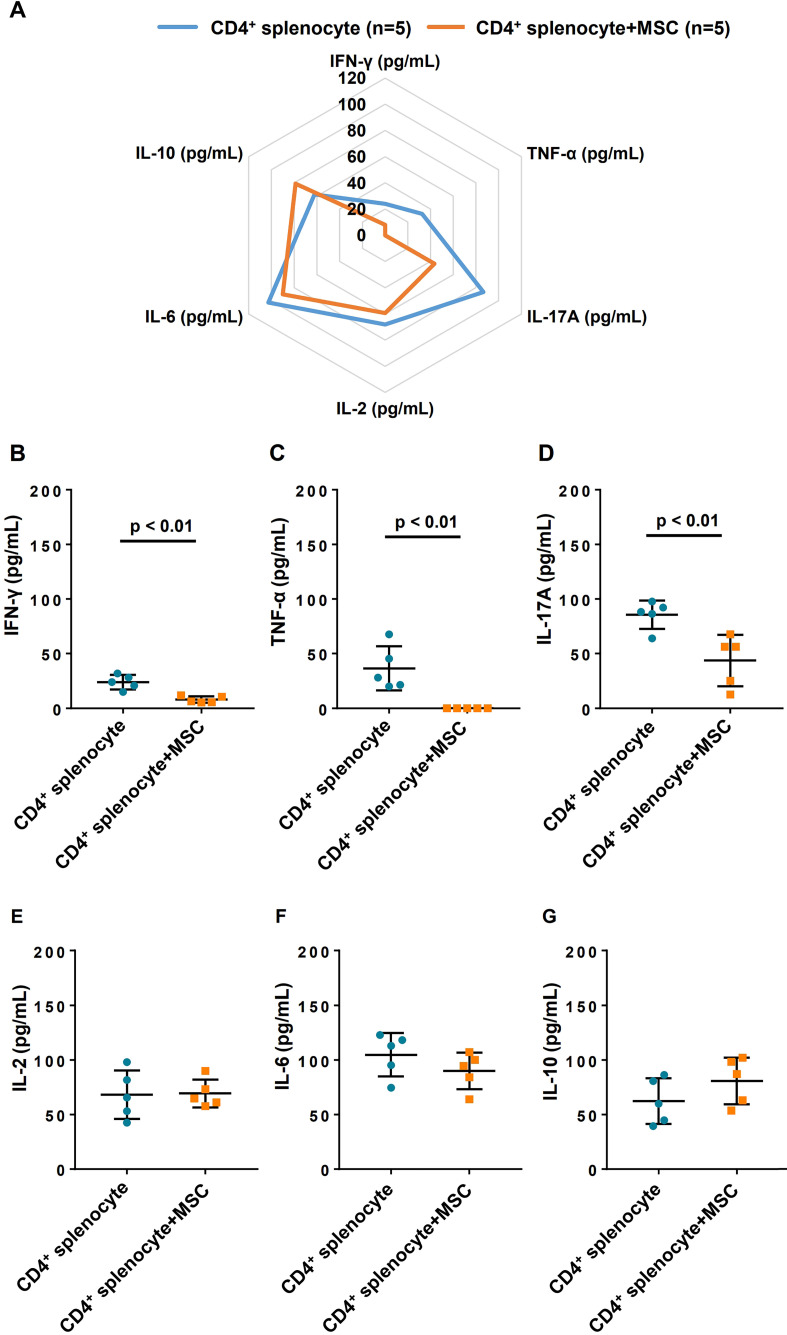
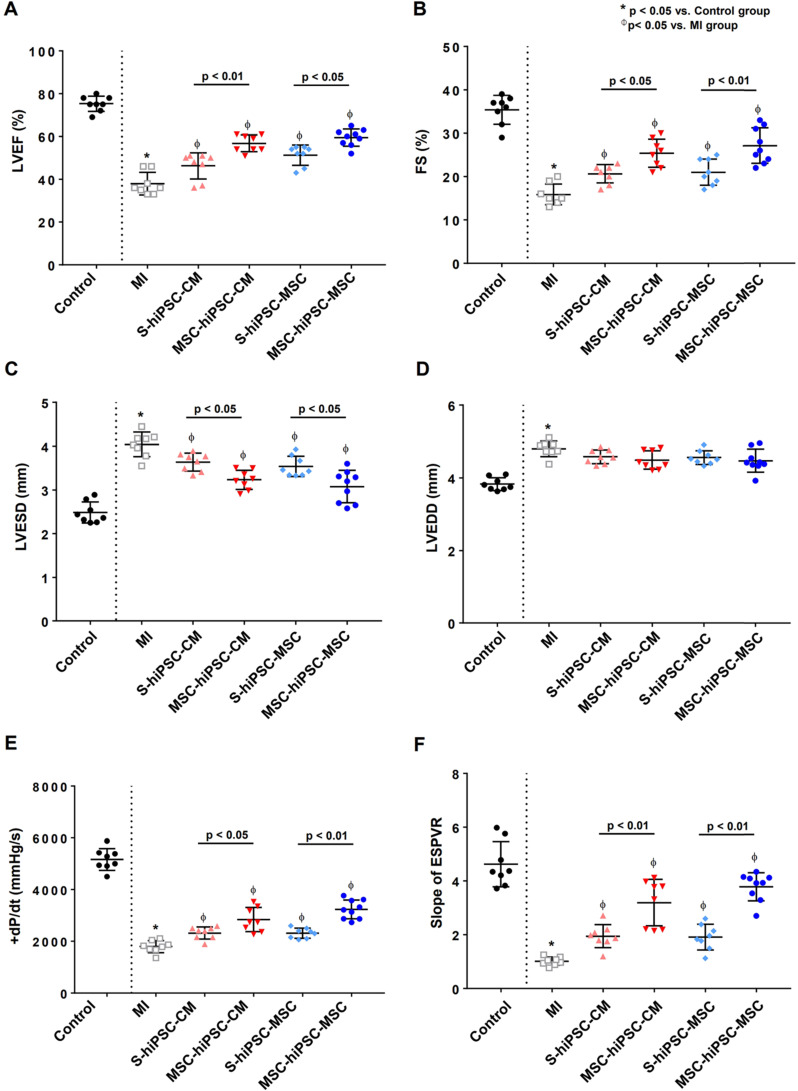
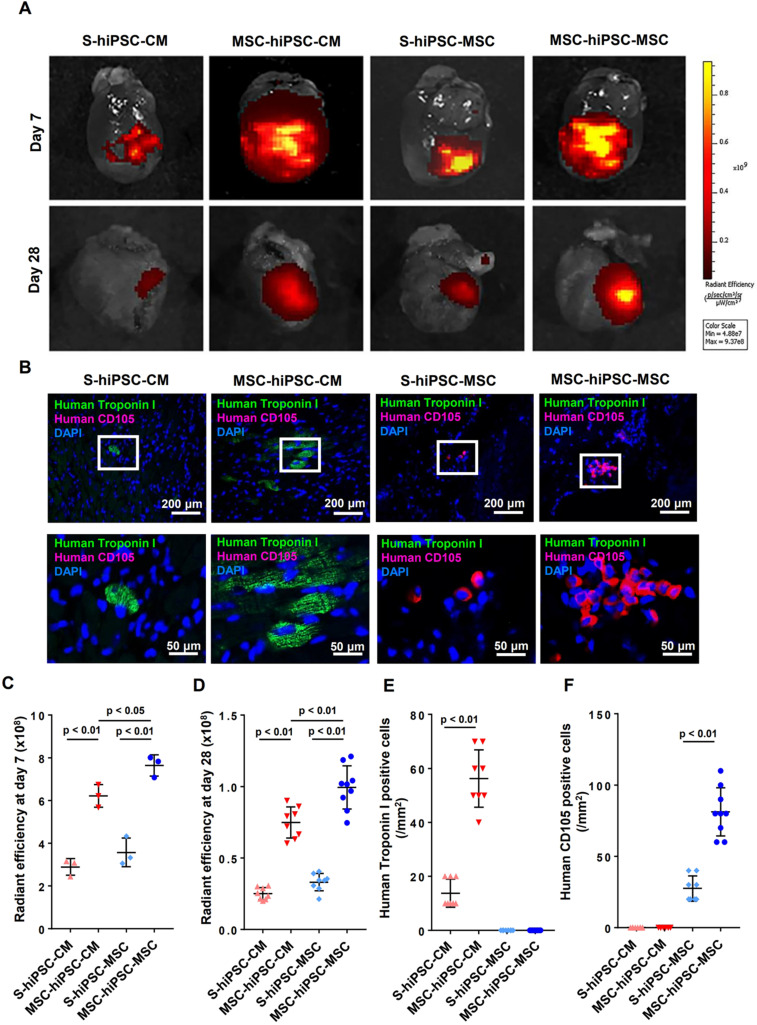
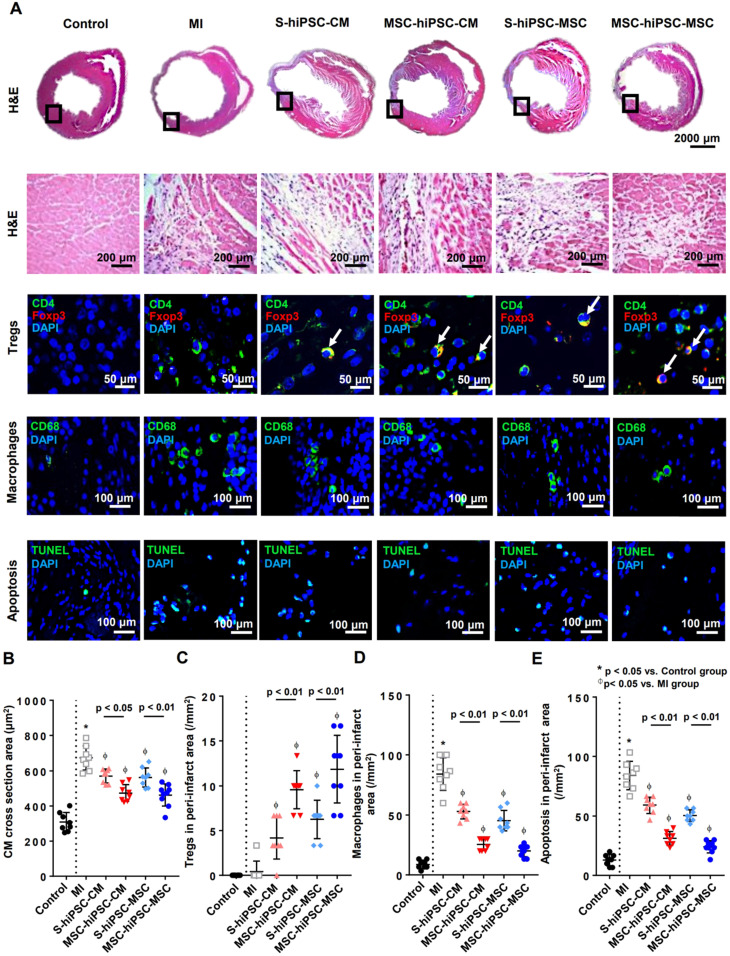
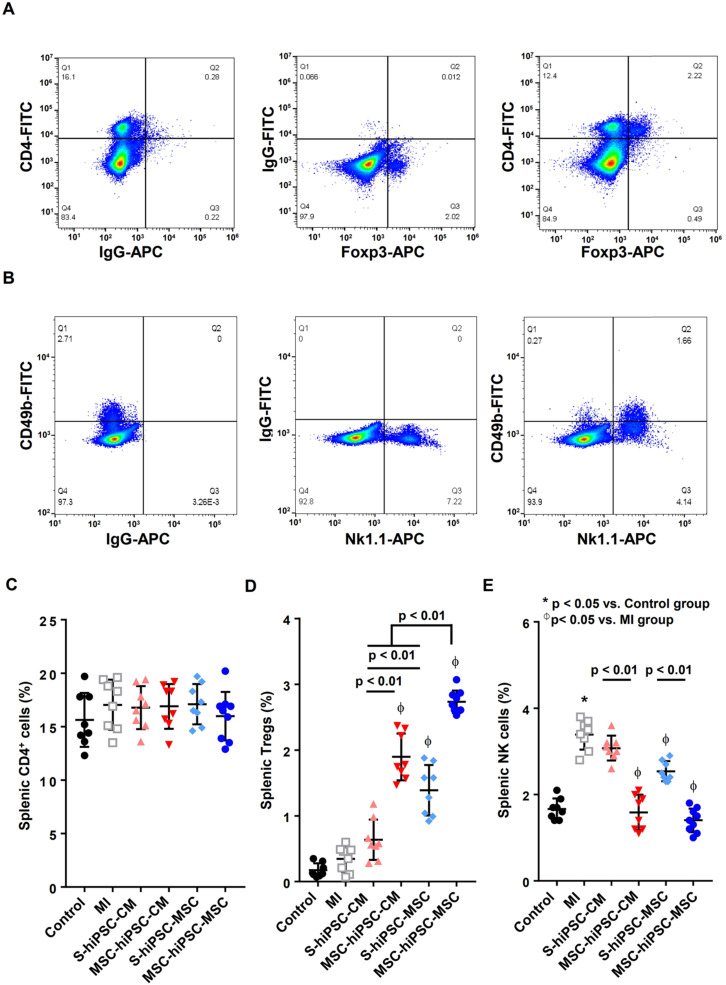
Poor survival and engraftment are major hurdles of stem cell therapy in the treatment of myocardial infarction (MI). We sought to determine whether pre-transplantation systemic intravenous administration of human induced pluripotent stem cell (hiPSC)-derived mesenchymal stromal cells (hiPSC-MSCs) could improve the survival of hiPSC-MSCs or hiPSC-derived cardiomyocytes (hiPSC-CMs) following direct intramyocardial transplantation in a mouse model of MI. Mice were randomized to undergo intravenous administration of saline or 5×10 hiPSC-MSCs one week prior to MI, induced by ligation of the left anterior descending coronary artery. Mice were further assigned to undergo direct intramyocardial transplantation of hiPSC-MSCs (1×10) or hiPSC-CMs (1×10) 10 minutes following MI. Echocardiographic and invasive hemodynamic assessment were performed to determine cardiac function. fluorescent imaging analysis, immunofluorescence staining and polymerase chain reaction were performed to detect cell engraftment. Flow cytometry of splenic regulatory T cells (Tregs) and natural killer (NK) cells was performed to assess the immunomodulatory effects. Pre-transplantation systemic administration of hiPSC-MSCs increased systemic Tregs activation, decreased the number of splenic NK cells and inflammation, and enhanced survival of transplanted hiPSC-MSCs and hiPSC-CMs. These improvements were associated with increased neovascularization and decreased myocardial inflammation and apoptosis at the peri-infract zone with consequent improved left ventricular function four weeks later. Co-culture of splenic CD4 cells with hiPSC-MSCs also modulated their cytokine expression profile with a decreased level of interferon-γ, tumor necrosis factor-α, and interleukin (IL)-17A, but not IL-2, IL-6 and IL-10. Pre-transplantation systemic intravenous administration of hiPSC-MSCs induced immunomodulation and facilitated the survival of intramyocardially transplanted cells to improve cardiac function in MI.
细胞移植治疗心肌梗死(MI)的主要障碍是细胞存活率低和植入效果差。我们试图确定在 MI 模型中,通过直接心肌内移植,移植前系统静脉给予人诱导多能干细胞(hiPSC)衍生的间充质基质细胞(hiPSC-MSCs)是否可以提高 hiPSC-MSCs 或 hiPSC 衍生的心肌细胞(hiPSC-CMs)的存活率。将小鼠随机分为静脉注射生理盐水或 5×10 个 hiPSC-MSCs 组,一周后通过结扎左前降支冠状动脉诱导 MI。随后,将小鼠进一步分为直接心肌内移植 hiPSC-MSCs(1×10)或 hiPSC-CMs(1×10)组,在 MI 后 10 分钟进行移植。进行超声心动图和侵入性血流动力学评估以确定心功能。进行荧光成像分析、免疫荧光染色和聚合酶链反应以检测细胞植入。通过流式细胞术检测脾调节性 T 细胞(Tregs)和自然杀伤(NK)细胞,评估免疫调节作用。移植前系统给予 hiPSC-MSCs 可增加全身 Tregs 激活,减少脾 NK 细胞数量和炎症,并增强移植的 hiPSC-MSCs 和 hiPSC-CMs 的存活率。这些改善与梗死周围区新生血管增加、炎症和细胞凋亡减少以及 4 周后左心室功能改善有关。脾 CD4 细胞与 hiPSC-MSCs 共培养也调节了其细胞因子表达谱,降低了干扰素-γ、肿瘤坏死因子-α和白细胞介素(IL)-17A 的水平,但不影响 IL-2、IL-6 和 IL-10。移植前系统静脉给予 hiPSC-MSCs 可诱导免疫调节,促进心肌内移植细胞的存活,从而改善 MI 患者的心功能。