Ryser-Degiorgis Marie-Pierre, Robert Nadia, Meier Roman Kaspar, Zürcher-Giovannini Samoa, Pewsner Mirjam, Ryser Andreas, Breitenmoser Urs, Kovacevic Alan, Origgi Francesco C
Centre for Fish and Wildlife Health, Vetsuisse Faculty, University of Bern, Bern, Switzerland.
Foundation KORA, Bern, Switzerland.
Front Vet Sci. 2020 Dec 21;7:594952. doi: 10.3389/fvets.2020.594952. eCollection 2020.
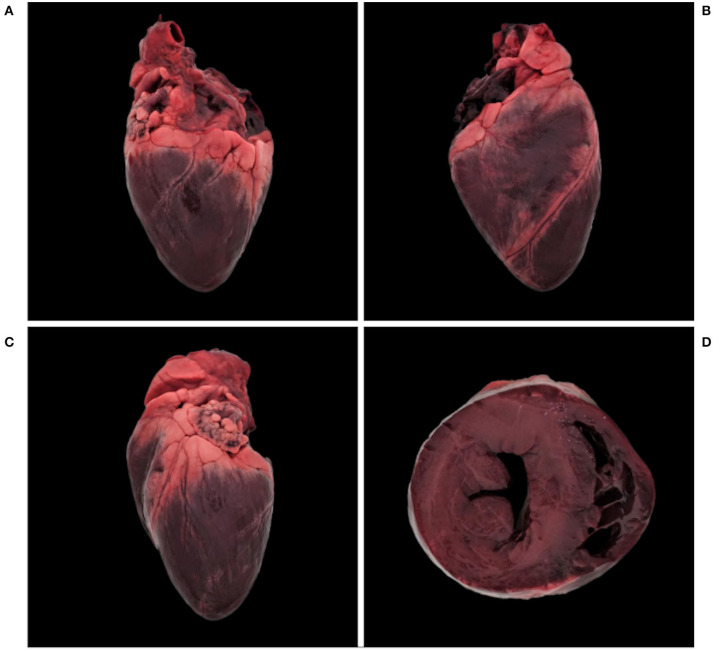
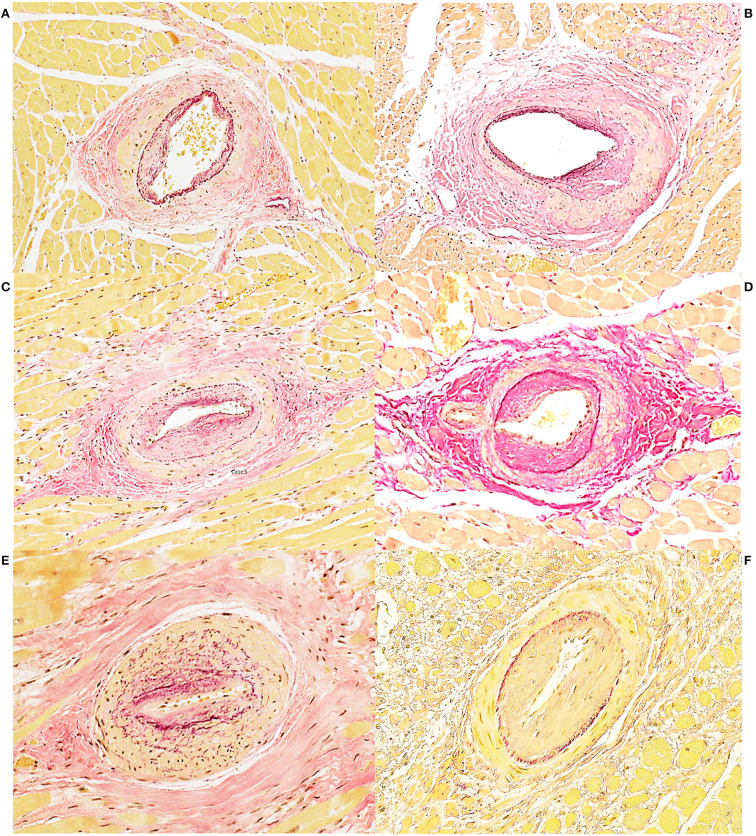
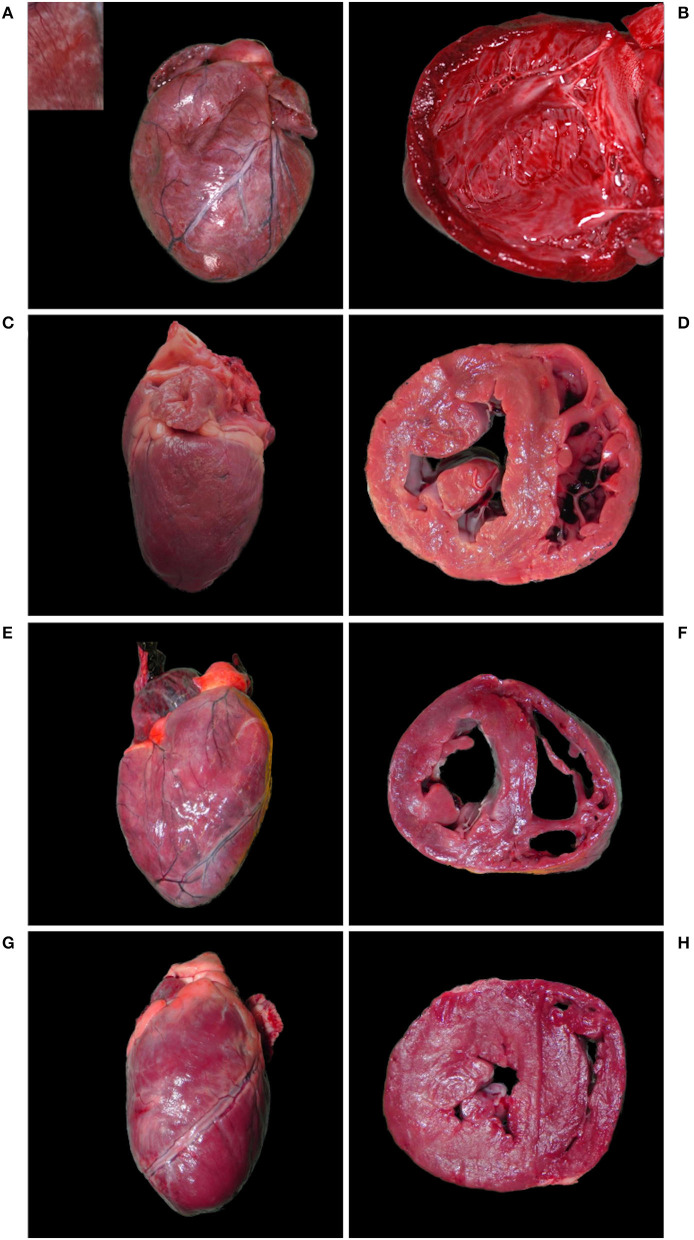
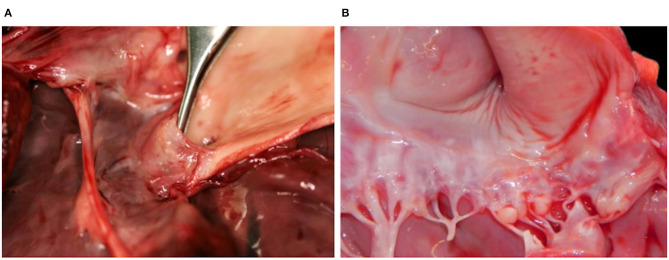
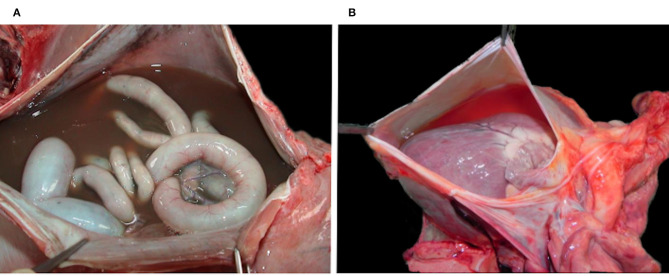
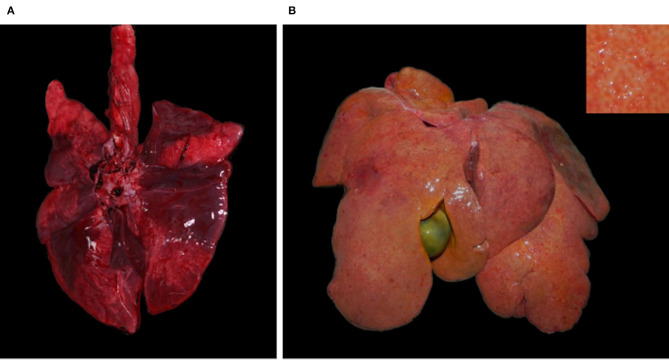
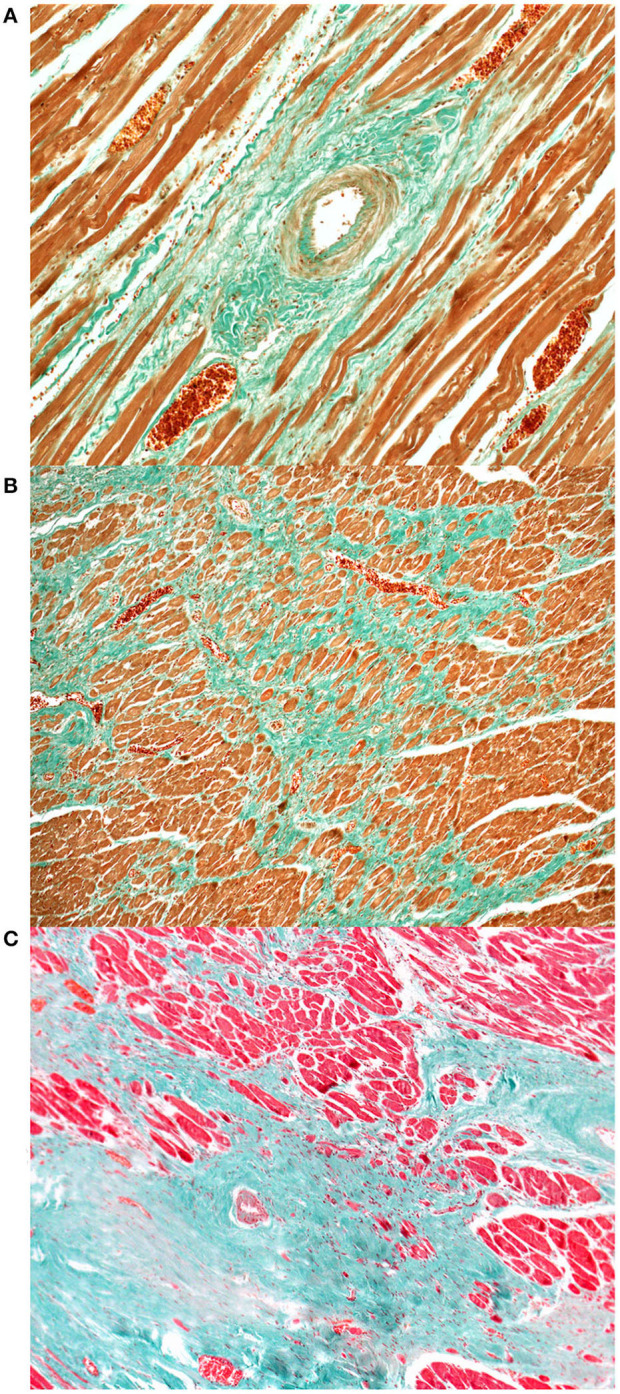
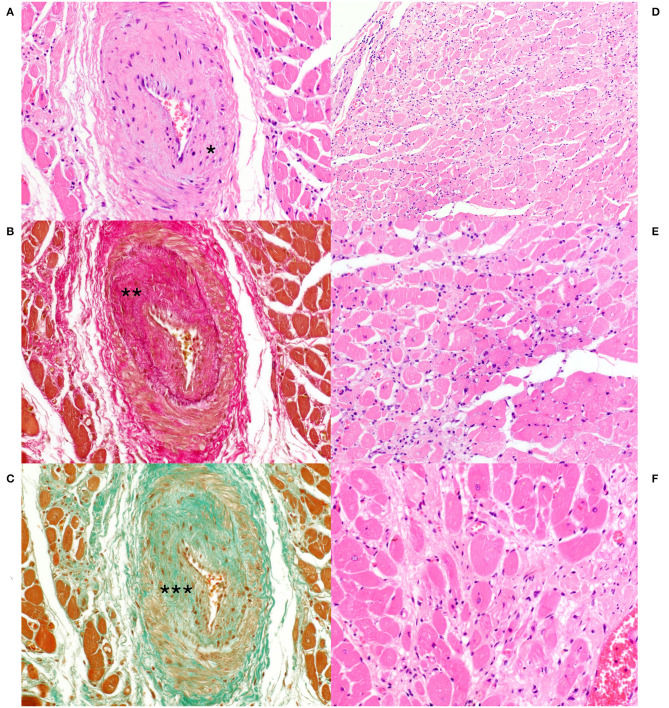
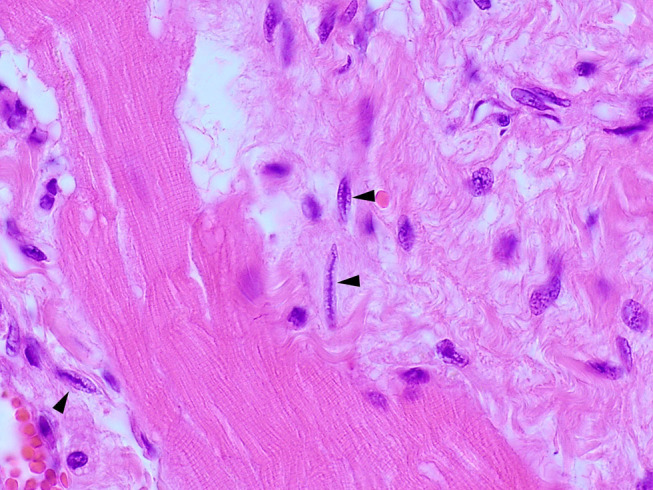
The Eurasian lynx (subspecies ) was reintroduced to Switzerland in the 1970's. Health monitoring of the reintroduced population started in the late 1980's. Since then, six lynx have been found affected by a myocardial disease. The earliest case was an animal that died after a field anesthesia. Two lynx were found dead, two were euthanized/culled because of disease signs, and one was hit by car. Two had a heart murmur at clinical examination. At necropsy, the first animal showed only lung edema but the other five had cardiomegaly associated with myocardial fibrosis. Three had multisystemic effusions. Histological examination of all six lynx showed mild to severe, multifocal, myocardial interstitial and perivascular fibrosis along with multifocal myocyte degeneration and loss, and replacement fibrosis. Moderate to severe multifocal arteriosclerosis with associated luminal stenosis of the small and medium-sized intramural coronary arteries and the presence of Anitschkow cells was also observed. The heart lesions may have led to sudden death in the first case and to a chronic right-sided heart failure in the remaining. None of the lynx showed lesions or signs suggestive of an acute or subacute infection. Given the common geographic origin of these animals and the severe loss of heterozygocity in this population, a genetic origin of the disease is hypothesized.
欧亚猞猁(亚种)于20世纪70年代被重新引入瑞士。对重新引入种群的健康监测始于20世纪80年代末。从那时起,已发现6只猞猁感染了一种心肌疾病。最早的病例是一只在野外麻醉后死亡的动物。2只猞猁被发现死亡,2只因出现疾病症状而被安乐死/扑杀,1只被汽车撞死。2只在临床检查时出现心脏杂音。尸检时,第一只动物仅表现为肺水肿,但其他5只出现心脏肿大并伴有心肌纤维化。3只出现多系统积液。对所有6只猞猁的组织学检查显示,存在轻度至重度、多灶性、心肌间质和血管周围纤维化,伴有多灶性心肌细胞变性和丢失以及替代性纤维化。还观察到中度至重度多灶性动脉硬化,伴有中小壁内冠状动脉管腔狭窄以及阿绍夫细胞的存在。心脏病变可能导致了第一例动物突然死亡,其余动物则出现慢性右侧心力衰竭。这些猞猁均未表现出提示急性或亚急性感染的病变或体征。鉴于这些动物的共同地理起源以及该种群杂合性的严重丧失,推测该疾病具有遗传起源。