Hong Minyoung, Jang Indong, Son Yongjun, Yi Chongku, Park Woojun
Laboratory of Molecular Environmental Microbiology, Department of Environmental Science and Ecological Engineering, Korea University, Seoul, 02841, Republic of Korea.
Construction Management and Material Laboratory, School of Civil, Environmental and Architectural Engineering, Korea University, Seoul, 02841, Republic of Korea.
AMB Express. 2021 Jan 6;11(1):11. doi: 10.1186/s13568-020-01166-5.
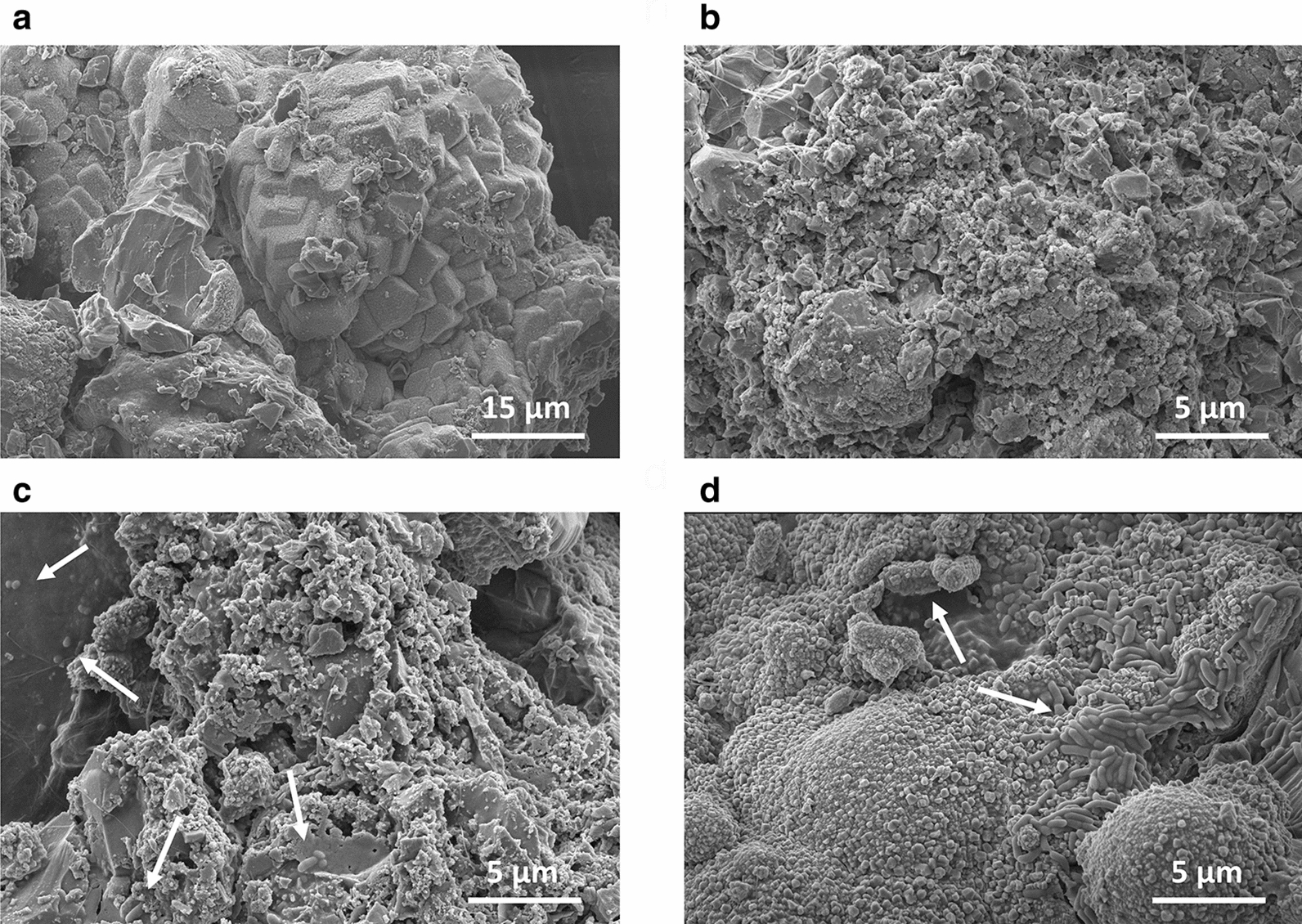
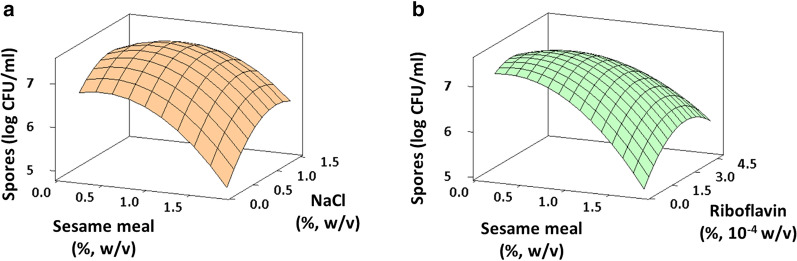
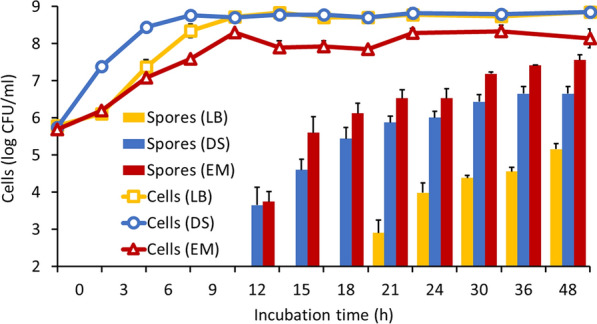
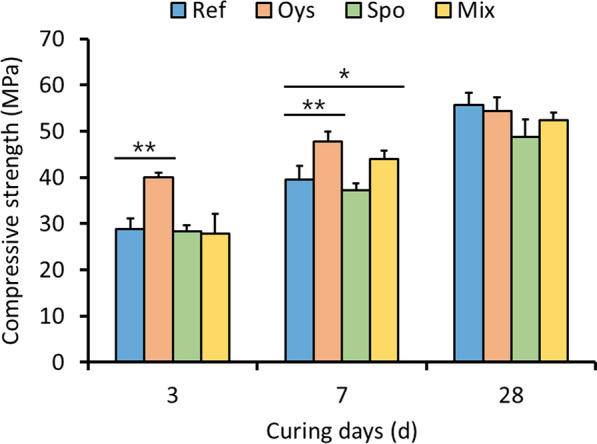
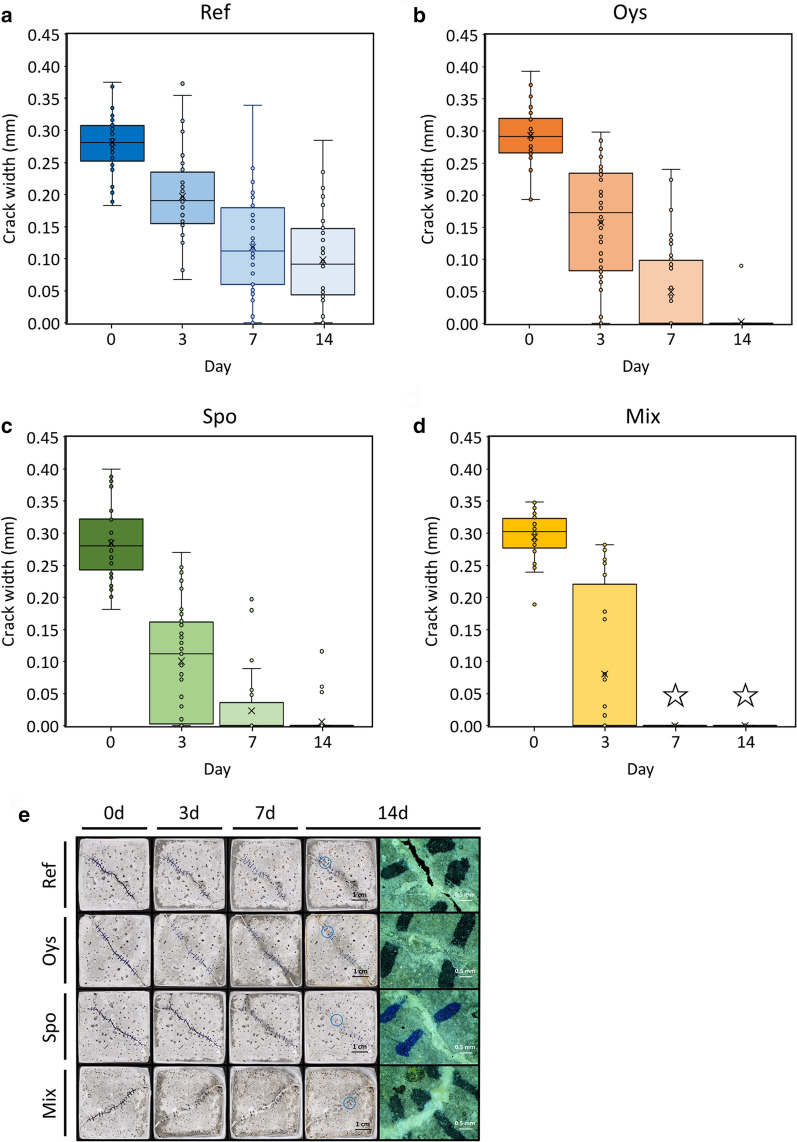
Bio-concrete using bacterially produced calcium carbonate can repair microcracks but is still relatively expensive due to the addition of bacteria, nutrients, and calcium sources. Agricultural by-products and oyster shells were used to produce economical bio-concrete. Sesame meal was the optimal agricultural by-product for low-cost spore production of the alkaliphilic Bacillus miscanthi strain AK13. Transcriptomic dataset was utilized to compare the gene expressions of AK13 strain under neutral and alkaline conditions, which suggested that NaCl and riboflavin could be chosen as growth-promoting factors at alkaline pH. The optimal levels of sesame meal, NaCl, and riboflavin were induced with the central composite design to create an economical medium, in which AK13 strain formed more spores with less price than in commercial sporulation medium. Calcium nitrate obtained from nitric acid treatment of oyster shell powder increased the initial compressive strength of cement mortar. Non-ureolytic calcium carbonate precipitation by AK13 using oyster shell-derived calcium ions was verified by energy-dispersive X-ray spectroscopy and X-ray diffraction analysis. Stereomicroscope and field emission scanning electron microscopy confirmed that oyster shell-derived calcium ions, along with soybean meal-solution, increased the bacterial survival and calcium carbonate precipitation inside mortar cracks. These data suggest the possibility of commercializing bacterial self-healing concrete with economical substitutes for culture medium, growth nutrient, and calcium sources.
利用细菌产生的碳酸钙制成的生物混凝土可以修复微裂缝,但由于添加了细菌、营养物质和钙源,其成本仍然相对较高。农业副产品和牡蛎壳被用于生产经济实惠的生物混凝土。芝麻粕是嗜碱芽孢杆菌AK13菌株低成本孢子生产的最佳农业副产品。利用转录组数据集比较了AK13菌株在中性和碱性条件下的基因表达,结果表明NaCl和核黄素可作为碱性pH条件下的生长促进因子。采用中心复合设计诱导出芝麻粕、NaCl和核黄素的最佳水平,以创建一种经济的培养基,在该培养基中,AK13菌株形成的孢子比在商业孢子形成培养基中更多且成本更低。用硝酸处理牡蛎壳粉得到的硝酸钙提高了水泥砂浆的初始抗压强度。通过能量色散X射线光谱和X射线衍射分析证实了AK13利用牡蛎壳衍生的钙离子进行非尿素分解碳酸钙沉淀。立体显微镜和场发射扫描电子显微镜证实,牡蛎壳衍生的钙离子与豆粕溶液一起,提高了砂浆裂缝内细菌的存活率和碳酸钙沉淀。这些数据表明,用经济实惠的培养基、生长营养物质和钙源替代品实现细菌自愈合混凝土商业化具有可能性。