School of Medical Sciences, Griffith University, Gold Coast, Queensland, Australia.
Menzies Health Institute Queensland, Queensland, Australia.
PLoS One. 2021 Jan 7;16(1):e0223288. doi: 10.1371/journal.pone.0223288. eCollection 2021.
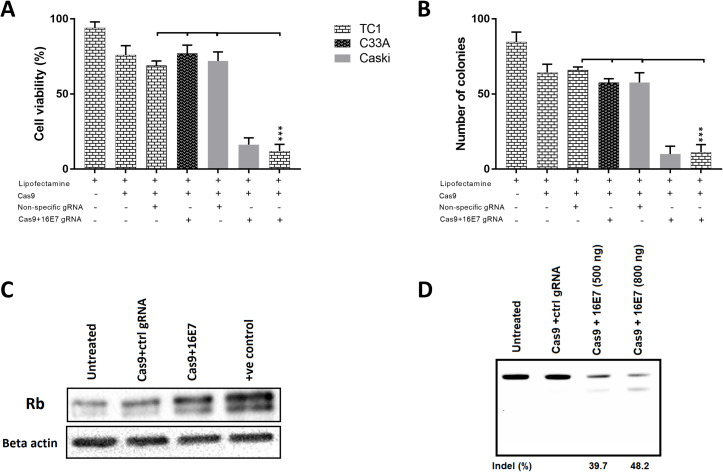
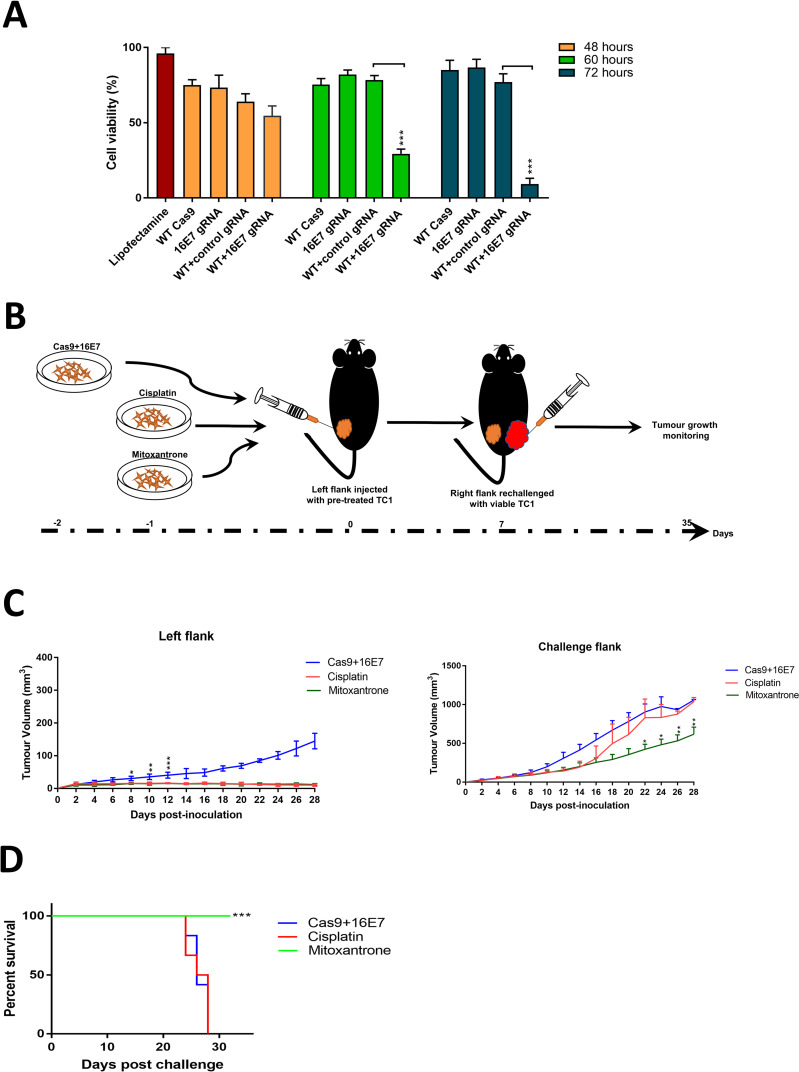
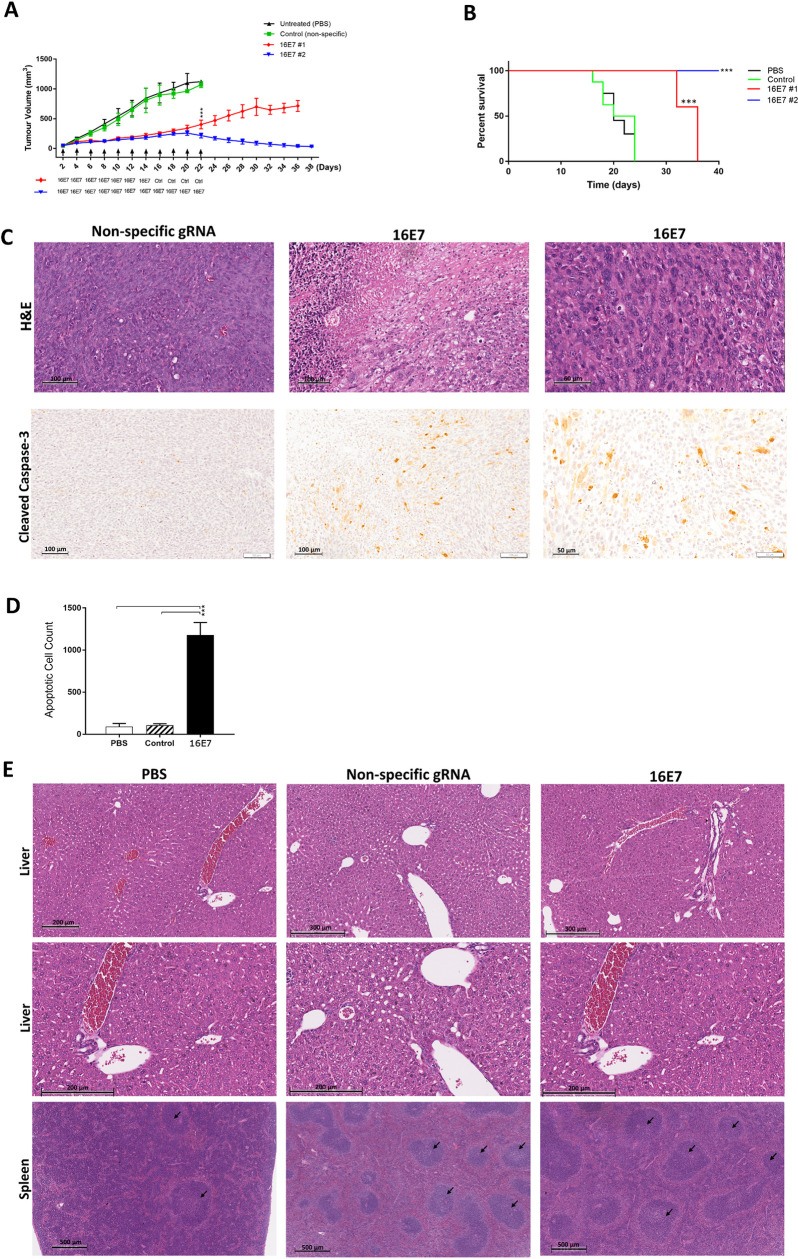
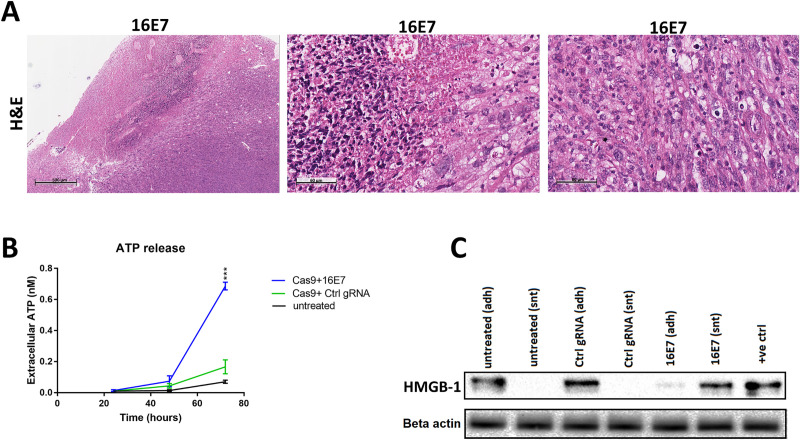
Gene-editing has raised the possibility of being able to treat or cure cancers, but key challenges remain, including efficient delivery, in vivo efficacy, and its safety profile. Ideal targets for cancer therapy are oncogenes, that when edited, cause cell death. Here, we show, using the human papillomavirus (HPV) type 16 cancer cell line TC1, that CRISPR/Cas9 targeting the E7 oncogene and packaged in PEGylated liposomes cleared established tumours in immunocompetent mice. Treatment caused no significant toxicity in the spleen or liver. An ideal therapeutic outcome would be the induction of an immunogenic cell death (ICD), such that recurrent tumours would be eliminated by the host immune system. We show here for the first time that CRISPR/Cas9-mediated cell death via targeting E7 did not result in ICD. Overall, our data show that in vivo CRISPR/Cas targeting of oncogenes is an effective treatment approach for cancer.
基因编辑技术提高了治疗或治愈癌症的可能性,但仍存在一些关键挑战,包括高效的传递、体内疗效和安全性。癌症治疗的理想靶点是癌基因,编辑这些基因会导致细胞死亡。在这里,我们使用人乳头瘤病毒(HPV)16 型癌细胞系 TC1 表明,包装在聚乙二醇化脂质体中的 CRISPR/Cas9 靶向 E7 癌基因可清除免疫功能正常的小鼠体内已建立的肿瘤。治疗未引起脾脏或肝脏的明显毒性。理想的治疗结果是诱导免疫原性细胞死亡(ICD),从而使宿主免疫系统消除复发性肿瘤。我们在这里首次表明,通过靶向 E7 的 CRISPR/Cas9 介导的细胞死亡不会导致 ICD。总的来说,我们的数据表明,体内针对癌基因的 CRISPR/Cas 靶向是治疗癌症的有效方法。