Center for Nanomedicine at the Wilmer Eye Institute, Johns Hopkins University School of Medicine, Baltimore, MD 21231, USA; Department of Chemical & Biomolecular Engineering, Johns Hopkins University, Baltimore, MD 21218, USA.
Center for Nanomedicine at the Wilmer Eye Institute, Johns Hopkins University School of Medicine, Baltimore, MD 21231, USA; Department of Chemical & Biomolecular Engineering, Johns Hopkins University, Baltimore, MD 21218, USA; Department of Ophthalmology, Wilmer Eye Institute, Johns Hopkins University School of Medicine, Baltimore, MD 21287, USA; Department of Biomedical Engineering, Johns Hopkins University, Baltimore, MD 21218, USA; Department of Pharmacology and Molecular Sciences, Johns Hopkins University School of Medicine, Baltimore, MD 21287, USA; The Sidney Kimmel Comprehensive Cancer Center at Johns Hopkins University, Baltimore, MD 21287, USA; Department of Neurosurgery, Johns Hopkins University School of Medicine, Baltimore, MD 21287, USA.
Trends Mol Med. 2021 May;27(5):436-450. doi: 10.1016/j.molmed.2020.12.001. Epub 2021 Jan 4.
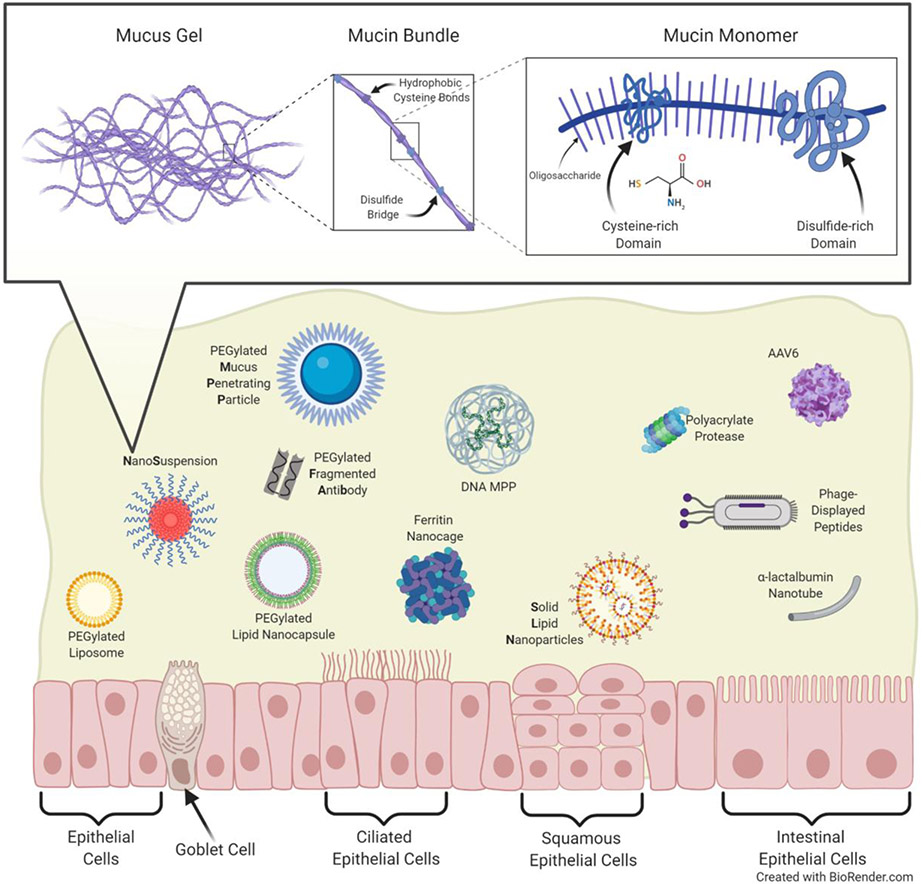
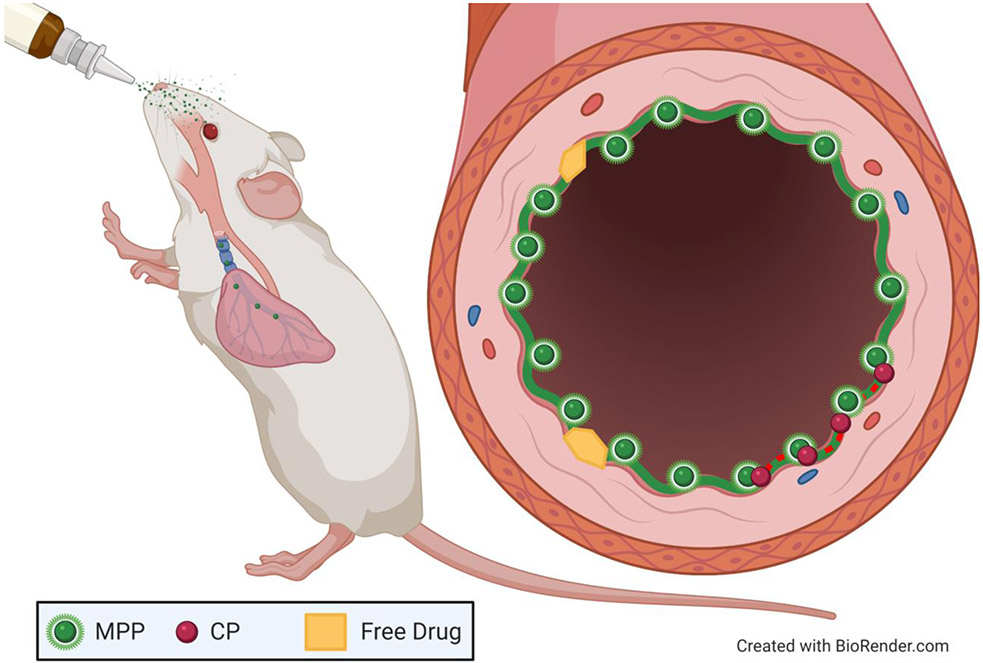
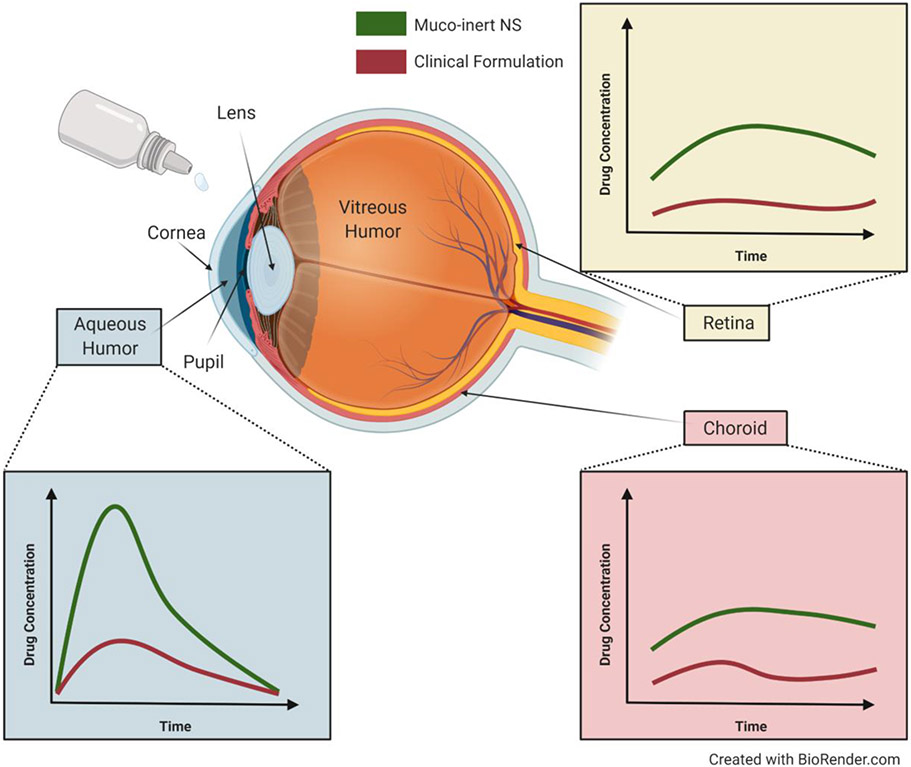
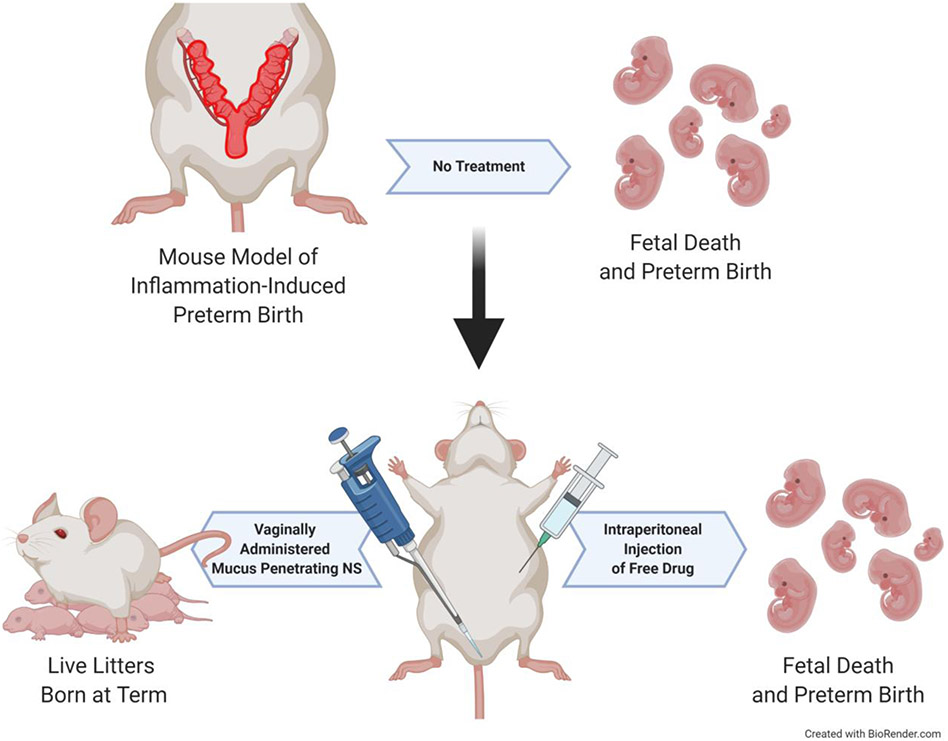
The efficacy of drugs administered by traditional routes is limited by numerous biological barriers that preclude reaching the intended site of action. Further, full body systemic exposure leads to dose-limiting, off-target side effects. Topical formulations may provide more efficacious drug and nucleic acid delivery for diseases and conditions affecting mucosal tissues, but the mucus protecting our epithelial surfaces is a formidable barrier. Here, we describe recent advances in mucus-penetrating approaches for drug and nucleic acid delivery to the ocular surface, the female reproductive tract, the gastrointestinal tract, and the airways.
传统给药途径的疗效受到多种生物屏障的限制,无法到达预期的作用部位。此外,全身系统暴露会导致剂量限制、非靶向副作用。局部制剂可能为影响粘膜组织的疾病和病症提供更有效的药物和核酸传递,但保护我们上皮表面的粘液是一个巨大的障碍。在这里,我们描述了用于眼部表面、女性生殖道、胃肠道和呼吸道的药物和核酸传递的粘液穿透方法的最新进展。