Immunology and Microbiology, University of Colorado Anschutz Medical Campus, Aurora, Colorado, USA.
Pediatrics, Biostatistics and Informatics, Cancer Center Biostatistics Core, University of Colorado Anschutz Medical Campus, Aurora, Colorado, USA.
J Immunother Cancer. 2021 Jan;9(1). doi: 10.1136/jitc-2020-001615.
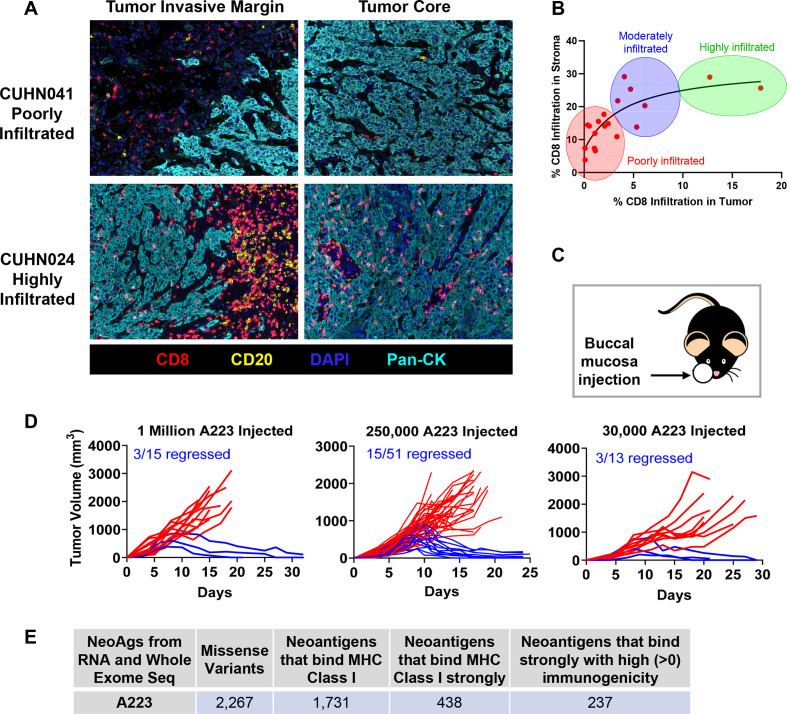
Antitumor immunity is highly heterogeneous between individuals; however, underlying mechanisms remain elusive, despite their potential to improve personalized cancer immunotherapy. Head and neck squamous cell carcinomas (HNSCCs) vary significantly in immune infiltration and therapeutic responses between patients, demanding a mouse model with appropriate heterogeneity to investigate mechanistic differences.
We developed a unique HNSCC mouse model to investigate underlying mechanisms of heterogeneous antitumor immunity. This model system may provide a better control for tumor-intrinsic and host-genetic variables, thereby uncovering the contribution of the adaptive immunity to tumor eradication. We employed single-cell T-cell receptor (TCR) sequencing coupled with single-cell RNA sequencing to identify the difference in TCR repertoire of CD8 tumor-infiltrating lymphocytes (TILs) and the unique activation states linked with different TCR clonotypes.
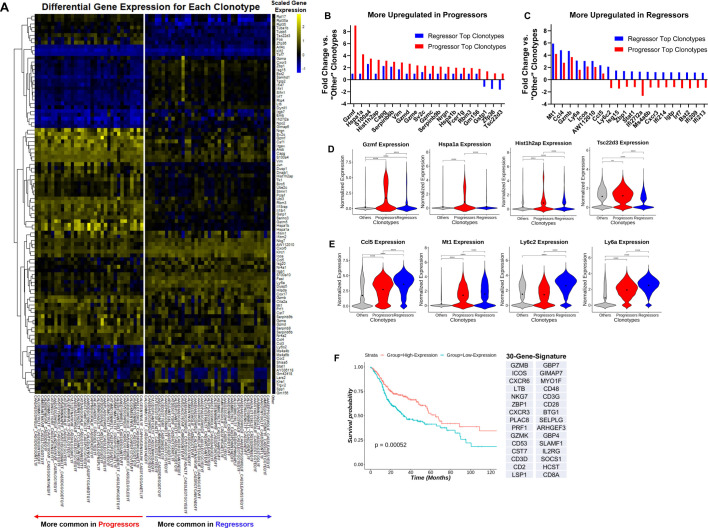
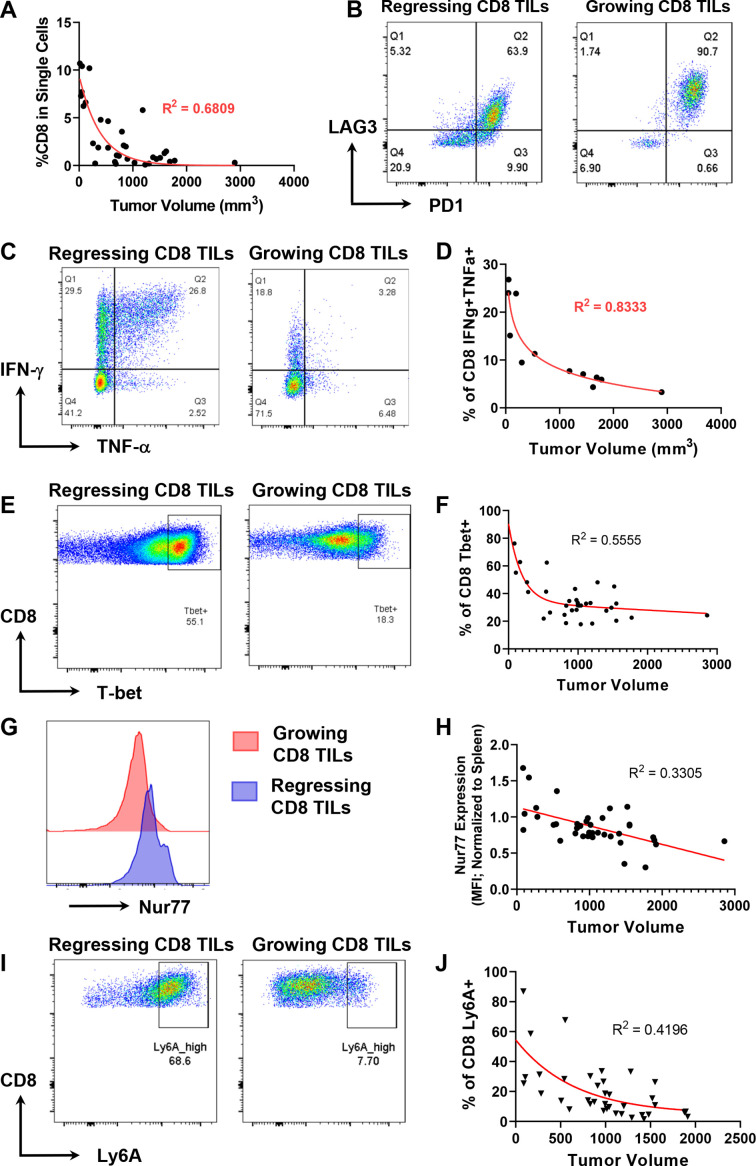
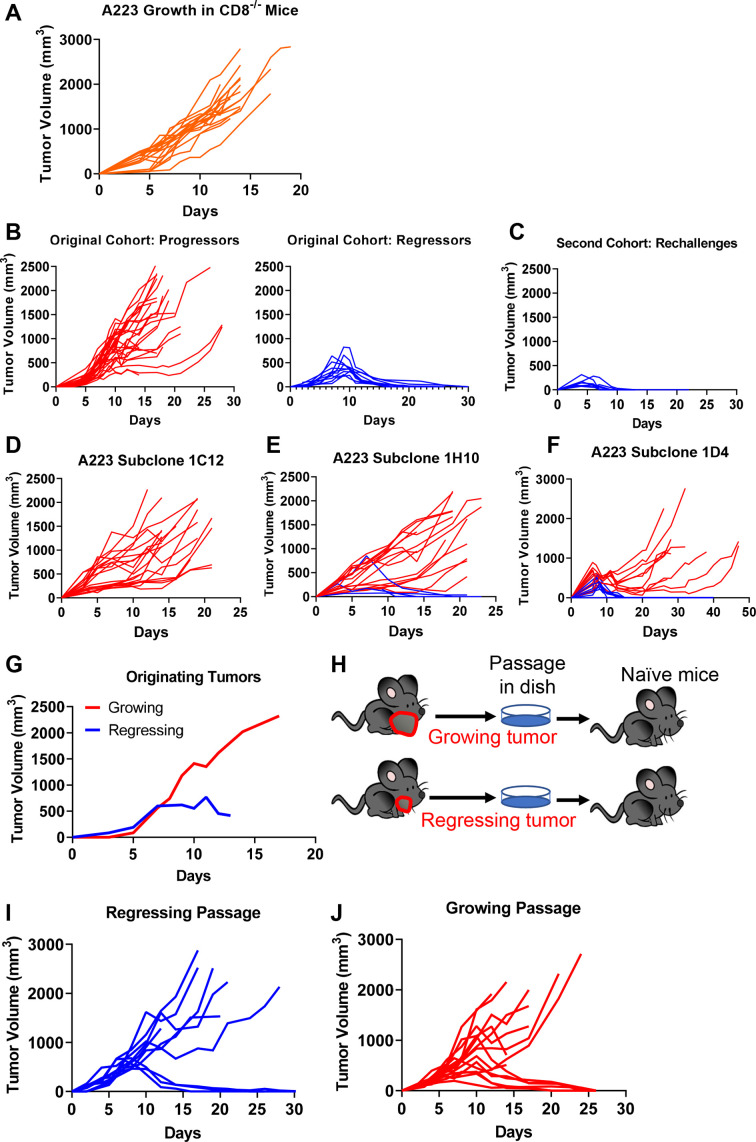
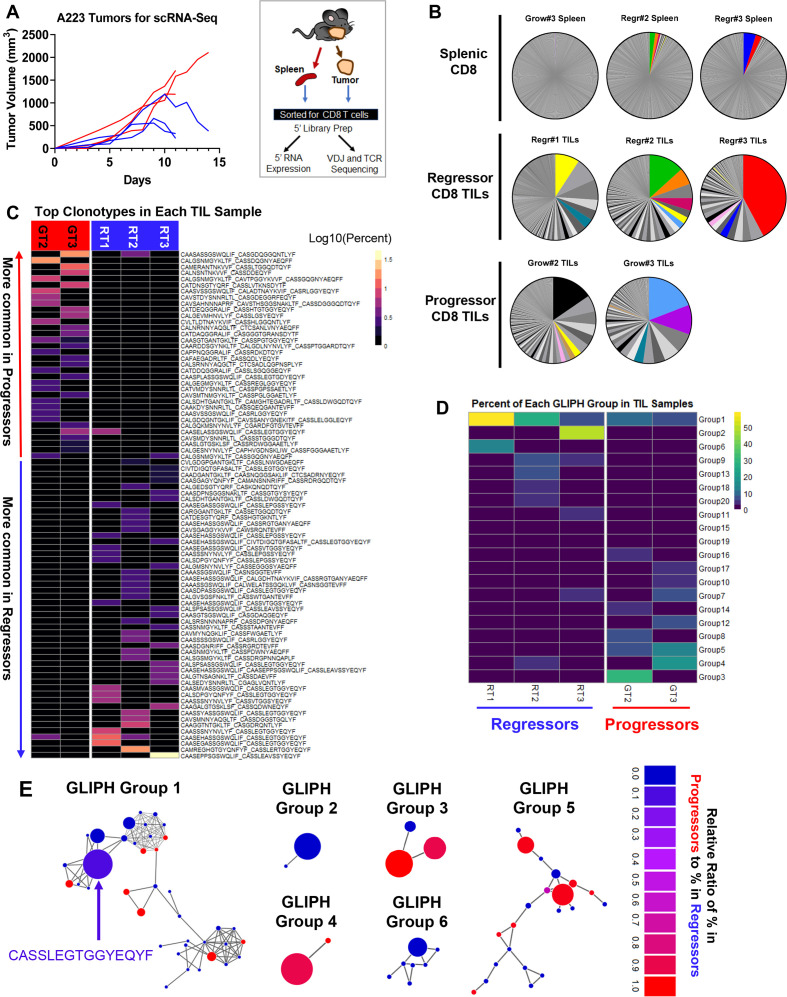
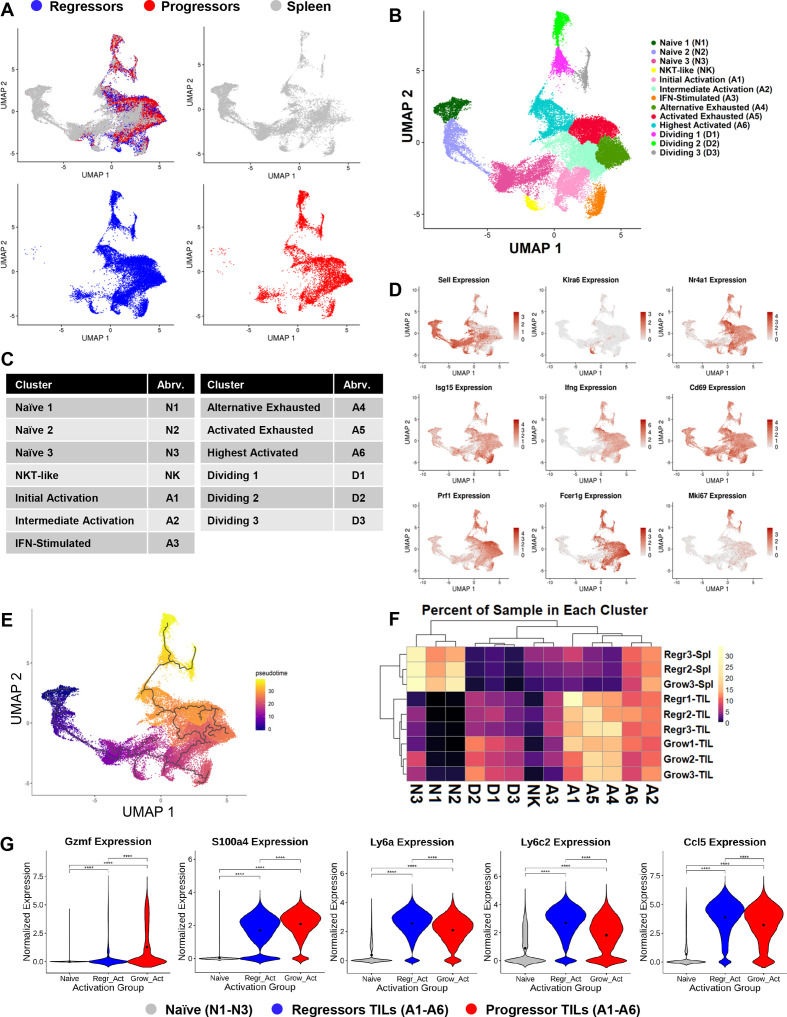
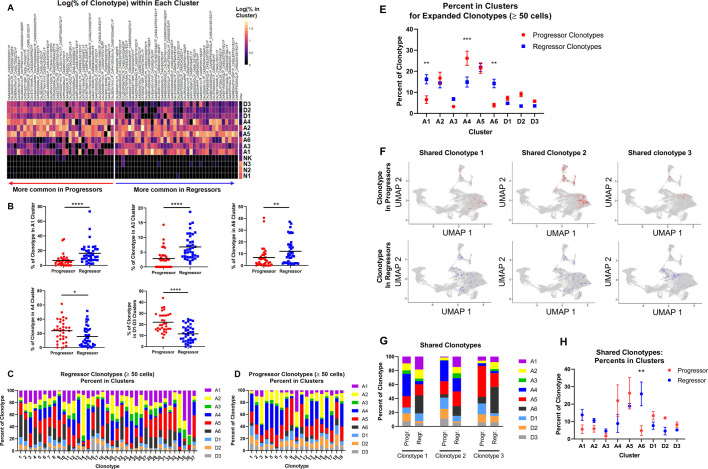
We discovered that genetically identical wild-type recipient mice responded heterogeneously to the same squamous cell carcinoma tumors orthotopically transplanted into the buccal mucosa. While tumors initially grew in 100% of recipients and most developed aggressive tumors, ~25% of recipients reproducibly eradicated tumors without intervention. Heterogeneous antitumor responses were dependent on CD8 T cells. Consistently, CD8 TILs in regressing tumors were significantly increased and more activated. Single-cell TCR-sequencing revealed that CD8 TILs from both growing and regressing tumors displayed evidence of clonal expansion compared with splenic controls. However, top TCR clonotypes and TCR specificity groups appear to be mutually exclusive between regressing and growing TILs. Furthermore, many TCRα/TCRβ sequences only occur in one recipient. By coupling single-cell transcriptomic analysis with unique TCR clonotypes, we found that top TCR clonotypes clustered in distinct activation states in regressing versus growing TILs. Intriguingly, the few TCR clonotypes shared between regressors and progressors differed greatly in their activation states, suggesting a more dominant influence from tumor microenvironment than TCR itself on T cell activation status.
We reveal that intrinsic differences in the TCR repertoire of TILs and their different transcriptional trajectories may underlie the heterogeneous antitumor immune responses in different hosts. We suggest that antitumor immune responses are highly individualized and different hosts employ different TCR specificities against the same tumors, which may have important implications for developing personalized cancer immunotherapy.
抗肿瘤免疫在个体之间存在高度异质性;然而,尽管它们有可能改善个性化癌症免疫疗法,但潜在机制仍难以捉摸。头颈部鳞状细胞癌(HNSCC)在患者之间的免疫浸润和治疗反应方面存在显著差异,因此需要一种具有适当异质性的小鼠模型来研究机制差异。
我们开发了一种独特的 HNSCC 小鼠模型,以研究抗肿瘤免疫异质性的潜在机制。该模型系统可为肿瘤内在和宿主遗传变量提供更好的控制,从而揭示适应性免疫对肿瘤清除的贡献。我们采用单细胞 T 细胞受体(TCR)测序结合单细胞 RNA 测序来鉴定 CD8 肿瘤浸润淋巴细胞(TIL)中 TCR 库的差异,以及与不同 TCR 克隆型相关的独特激活状态。
我们发现,遗传上相同的野生型受体小鼠对同种原位移植到颊黏膜的鳞状细胞癌表现出异质性反应。虽然肿瘤最初在 100%的受体内生长,并且大多数发展为侵袭性肿瘤,但约 25%的受体内肿瘤在没有干预的情况下可被反复消除。抗肿瘤的异质性反应依赖于 CD8 T 细胞。一致地,消退肿瘤中的 CD8 TIL 显著增加且更活跃。单细胞 TCR 测序显示,与脾对照相比,来自生长和消退肿瘤的 CD8 TIL 均显示出克隆扩增的证据。然而,顶级 TCR 克隆型和 TCR 特异性组似乎在消退和生长 TIL 之间相互排斥。此外,许多 TCRα/TCRβ 序列仅在一个受体内出现。通过将单细胞转录组分析与独特的 TCR 克隆型相结合,我们发现,与生长 TIL 相比,消退 TIL 中的顶级 TCR 克隆型聚类在不同的激活状态。有趣的是,在消退者和进展者之间共享的少数 TCR 克隆型在其激活状态上差异很大,这表明肿瘤微环境对 T 细胞激活状态的影响大于 TCR 本身。
我们揭示了 TIL 中 TCR 库的内在差异及其不同的转录轨迹可能是不同宿主中抗肿瘤免疫反应异质性的基础。我们认为,抗肿瘤免疫反应具有高度的个体性,不同的宿主针对同一肿瘤采用不同的 TCR 特异性,这可能对开发个性化癌症免疫疗法具有重要意义。