Department of Analytical, Environmental and Forensic Sciences, School of Population Health and Environmental Sciences, Faculty of Life Sciences and Medicine, King's College London, London, UK.
Toxicology Department, GAB Consulting GmbH, 69126, Heidelberg, Germany.
Arch Toxicol. 2021 Mar;95(3):1055-1069. doi: 10.1007/s00204-020-02968-z. Epub 2021 Jan 9.
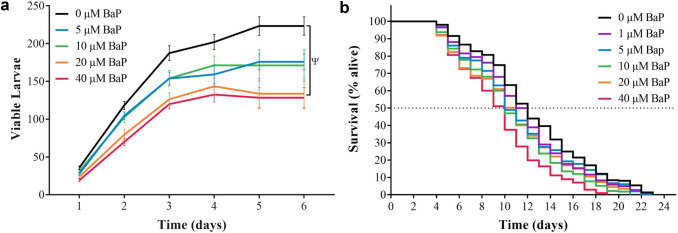
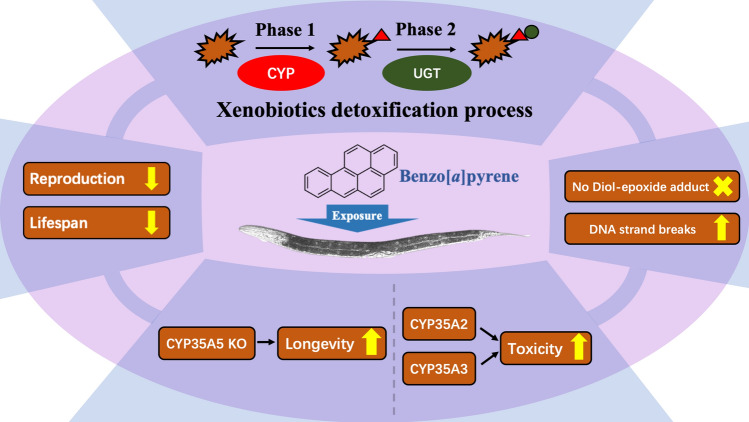
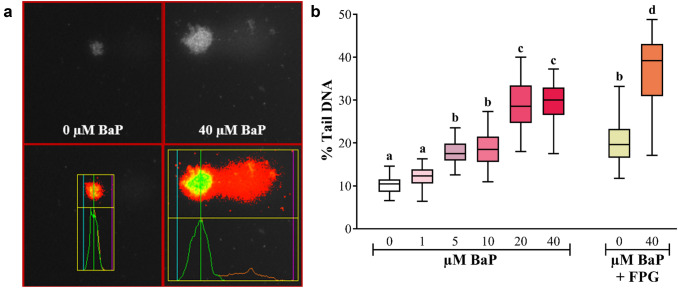
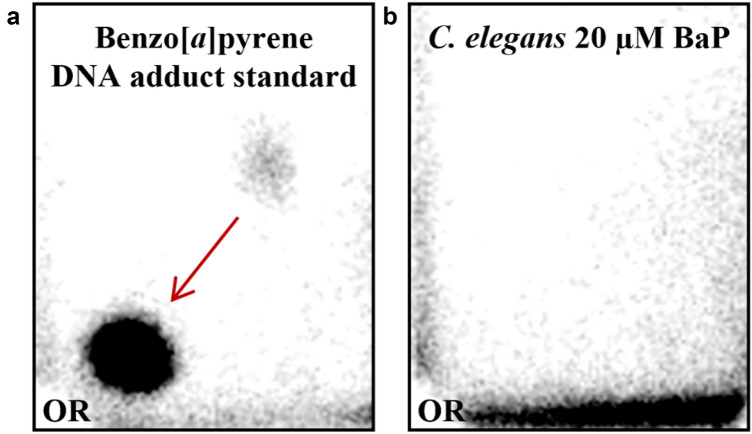
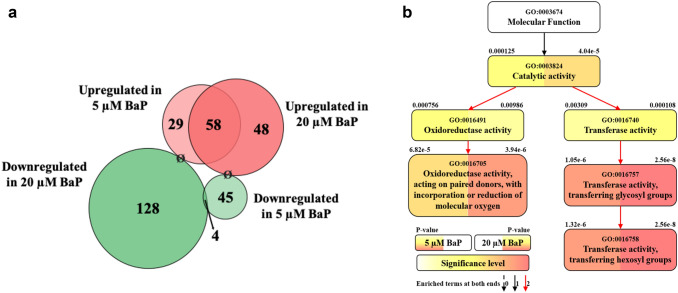
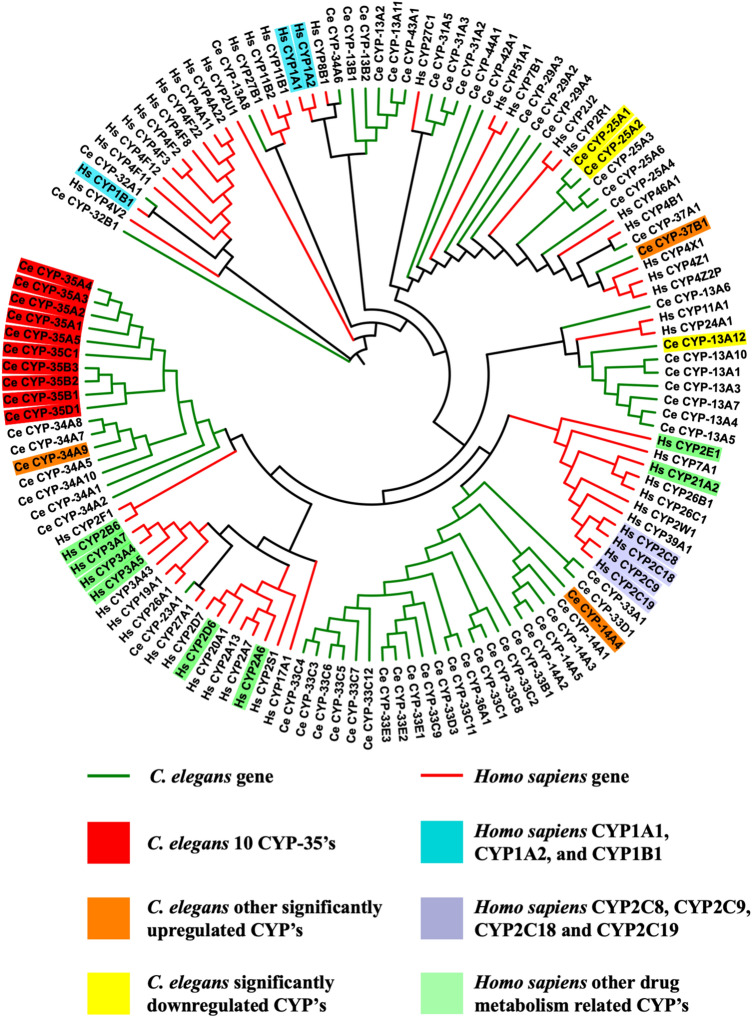
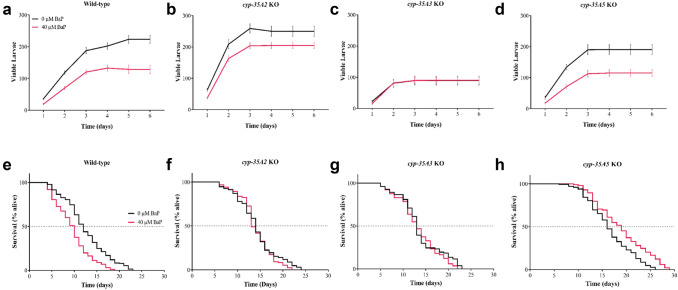
Benzo[a]pyrene (BaP) is bioactivated in most organisms by the cytochrome P450 (CYP) enzymes, mainly CYP1A1, ultimately resulting in the reactive metabolite BaP-7,8-dihydrodiol-9,10-epoxide (BPDE) capable of covalently binding to DNA and forming adducts. This step has been defined as the key process in cancer initiation in humans. However, limited knowledge is available about the consequences of BaP exposure in organisms lacking this classical CYP1A1 pathway, one example is the model nematode Caenorhabditis elegans. The aim of this study was to define the genotoxic potential of BaP in C. elegans and to advance our understanding of xenobiotic processing in the absence of the CYP1A1 pathway. Exposure to high concentrations of BaP (0-40 µM) significantly affected life cycle endpoints of C. elegans, which were manifested by a reduced reproductive output and shortened life span. An optimised comet assay revealed that DNA damage increased in a dose-dependent manner; however, no bulky DNA adducts (dG-N-BPDE) were observed by P-postlabelling. Global transcriptomic analysis by RNA-Seq identified responsive transcript families, most prominently members of the cyp-35 and UDP-glucuronosyltransferases (UGTs) enzyme families, both of which are linked to xenobiotic metabolism. Strains harbouring mutations in the cyp-35A2 and cyp-35A3 genes were notably less prone to BaP-mediated toxicity, and BaP led to longevity in cyp-35A5 mutants. In summary, BaP induces transcriptional, genotoxic and phenotypic responses in C. elegans, despite the absence of the classical CYP1A1 bioactivation pathway. This provides first evidence that parallel pathways are implicated in BaP metabolism in C. elegans and this seems to be mediated via the cyp-35 pathway.
苯并[a]芘(BaP)在大多数生物体中被细胞色素 P450(CYP)酶,主要是 CYP1A1,生物激活,最终产生具有反应性的代谢物 BaP-7,8-二氢二醇-9,10-环氧化物(BPDE),能够与 DNA 共价结合并形成加合物。这一步已被定义为人类癌症发生的关键过程。然而,对于缺乏这种经典 CYP1A1 途径的生物体中 BaP 暴露的后果,人们知之甚少,一个例子是模式线虫秀丽隐杆线虫。本研究旨在确定 BaP 在秀丽隐杆线虫中的遗传毒性潜力,并深入了解缺乏 CYP1A1 途径时的外来化合物处理。暴露于高浓度 BaP(0-40μM)显著影响秀丽隐杆线虫的生命周期终点,表现为生殖输出减少和寿命缩短。优化的彗星试验显示,DNA 损伤呈剂量依赖性增加;然而,通过 P-后标记未观察到大量 DNA 加合物(dG-N-BPDE)。通过 RNA-Seq 进行的全转录组分析鉴定了响应性转录家族,最突出的是 cyp-35 和 UDP-葡糖醛酸基转移酶(UGTs)酶家族的成员,这两个家族都与外来化合物代谢有关。cyp-35A2 和 cyp-35A3 基因突变的菌株明显不易受到 BaP 介导的毒性影响,而 BaP 导致 cyp-35A5 突变体的寿命延长。总之,尽管缺乏经典的 CYP1A1 生物激活途径,BaP 仍会诱导秀丽隐杆线虫的转录、遗传毒性和表型反应。这首次提供了证据表明平行途径参与了秀丽隐杆线虫中的 BaP 代谢,这似乎是通过 cyp-35 途径介导的。