Wang Hao, Xia Weiwei, Long Guangfeng, Pei Zhiyin, Li Yuanyuan, Wu Mengying, Wang Qian, Zhang Yue, Jia Zhanjun, Chen Hongbing
Department of Clinical Laboratory, Children's Hospital of Nanjing Medical University, Nanjing, China.
Jiangsu Key Laboratory of Pediatrics, Nanjing Medical University, Nanjing, China.
Front Pharmacol. 2020 Dec 18;11:599416. doi: 10.3389/fphar.2020.599416. eCollection 2020.
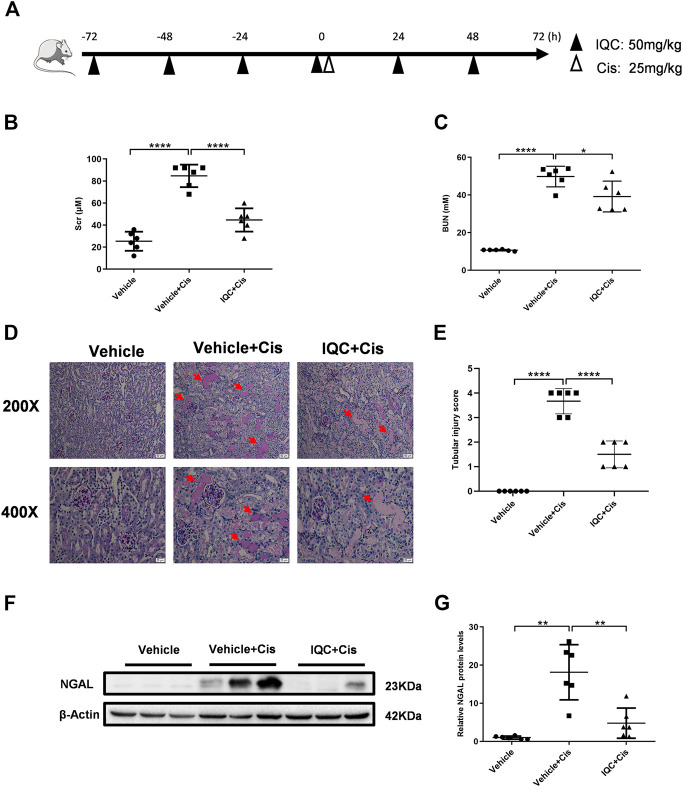
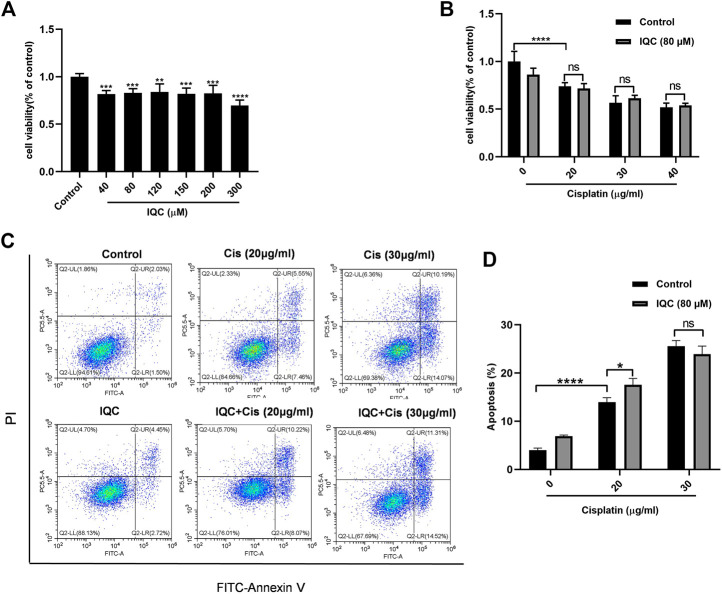
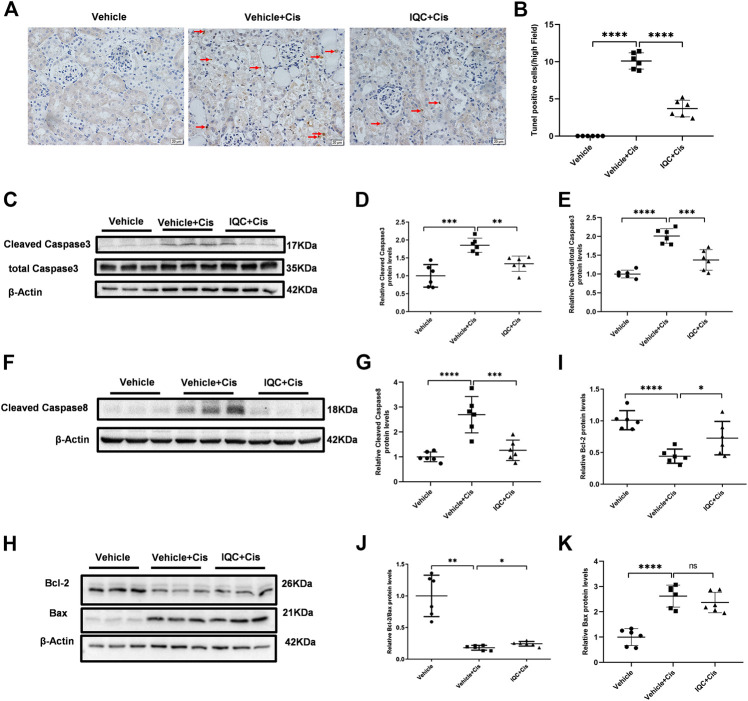
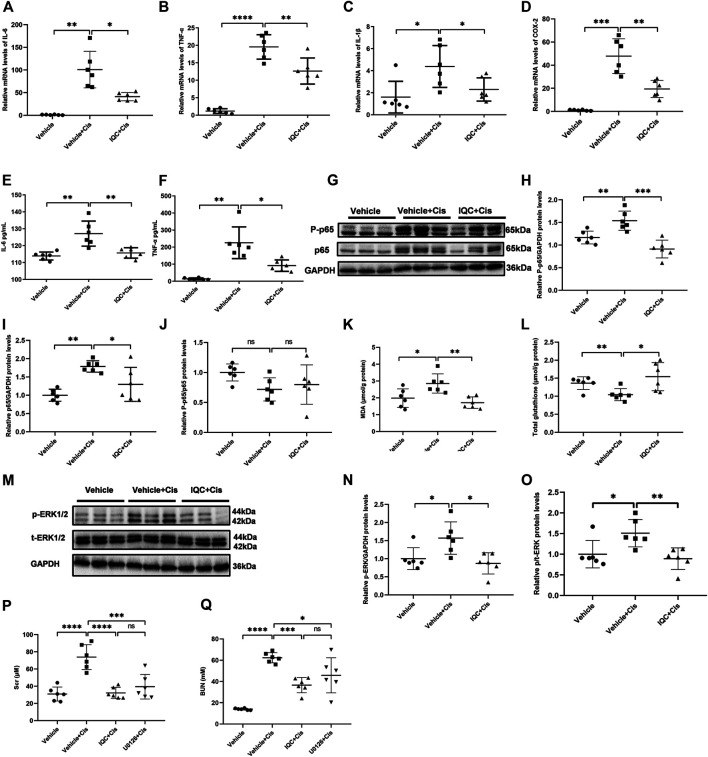
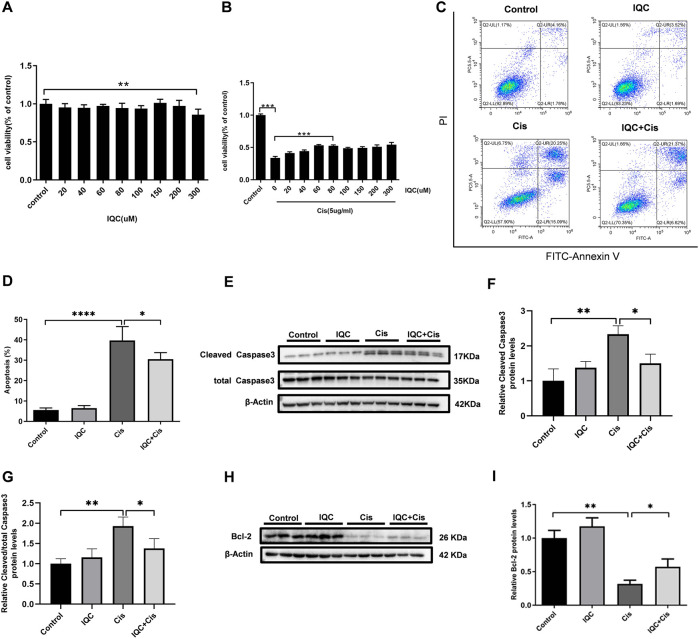
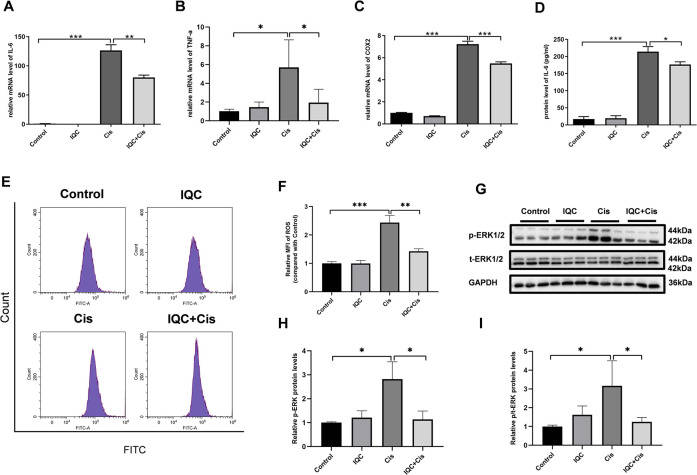
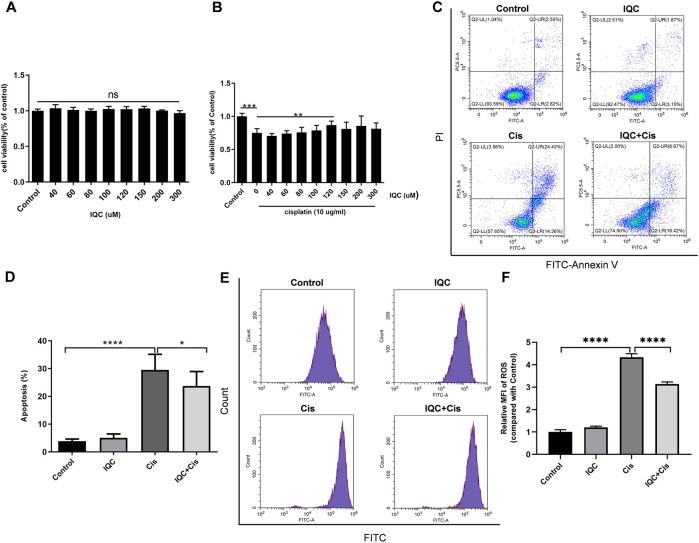
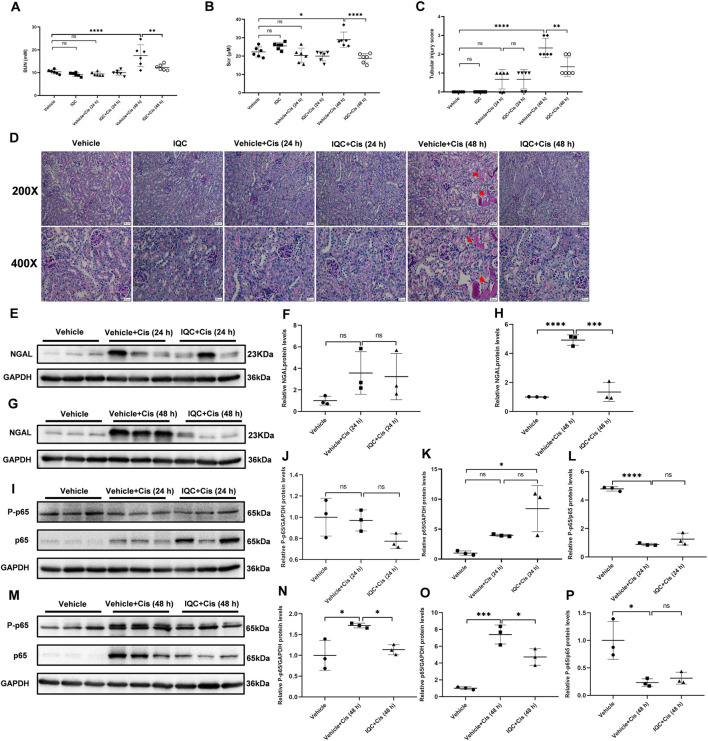
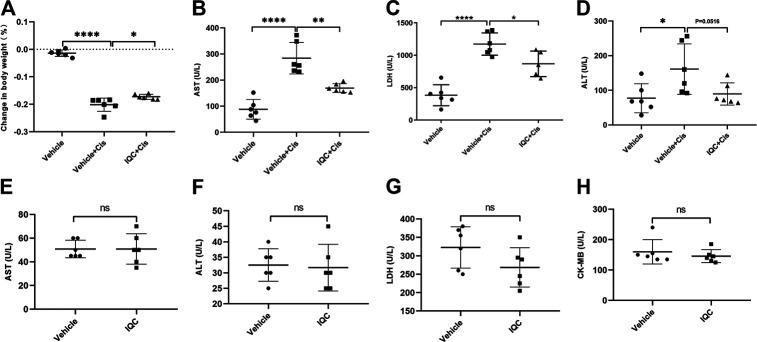
Cisplatin is extensively used and is highly effective in clinical oncology; nevertheless, nephrotoxicity has severely limited its widespread utility. Isoquercitrin (IQC), a natural flavonoid widely found in herbage, is well known and recognized for its antioxidant, anti-inflammatory, and anti-apoptotic properties. However, the potential effects and mechanism of IQC in cisplatin-induced acute kidney diseases remain unknown. In this study, we postulated the potential effects and mechanism of IQC upon cisplatin exposure and . For the study, C57BL/6J mice were pretreated with IQC or saline (50 mg/kg/day) by gavage for 3 days before cisplatin single injection (25 mg/kg). Renal function, apoptosis, inflammation, oxidative stress and p-ERK were measured to evaluate kidney injury. , mouse proximal tubular cells (mPTCs) and human proximal tubule epithelial cell line (HK2) were pretreated with or without IQC (80 μM for mPTCs and 120 μM for HK2) for 2 h and then co-administrated with cisplatin for another 24 h. Apoptosis, inflammation, ROS and p-ERK of cells were also measured. , IQC administration strikingly reduced cisplatin-induced nephrotoxicity as evidenced by the improvement in renal function (serum creatinine and blood urea nitrogen), kidney histology (PAS staining), apoptotic molecules (cleaved caspase-3, caspase-8, Bax and Bcl-2), inflammatory cytokines (IL-1β, IL-6, TNF-α, and COX-2), oxidative stress (MDA and total glutathione) and p-ERK. In line with findings, IQC markedly protected against cisplatin-induced cell injury in mPTCs and HK2 cells. Collectively, these findings demonstrated that IQC administration could significantly protect against cisplatin nephrotoxicity possibly through ameliorating apoptosis, inflammation and oxidative stress accompanied by cross talk with p-ERK. Furthermore, IQC may have potential therapeutic uses in the treatment of cisplatin-induced acute kidney injury.
顺铂在临床肿瘤学中被广泛使用且疗效显著;然而,肾毒性严重限制了其广泛应用。异槲皮苷(IQC)是一种在草本植物中广泛存在的天然黄酮类化合物,以其抗氧化、抗炎和抗凋亡特性而闻名并得到认可。然而,IQC在顺铂诱导的急性肾疾病中的潜在作用和机制尚不清楚。在本研究中,我们推测了IQC在顺铂暴露后的潜在作用和机制。在本研究中,C57BL/6J小鼠在单次注射顺铂(25mg/kg)前3天,通过灌胃给予IQC或生理盐水(50mg/kg/天)。检测肾功能、细胞凋亡、炎症、氧化应激和p-ERK以评估肾损伤。此外,小鼠近端肾小管细胞(mPTCs)和人近端肾小管上皮细胞系(HK2)在有或无IQC(mPTCs为80μM,HK2为120μM)预处理2小时后,再与顺铂共同处理24小时。还检测了细胞的凋亡、炎症、活性氧和p-ERK。结果显示,IQC给药显著降低了顺铂诱导的肾毒性,表现为肾功能(血清肌酐和血尿素氮)改善、肾脏组织学(PAS染色)、凋亡分子(裂解的半胱天冬酶-3、半胱天冬酶-8、Bax和Bcl-2)、炎性细胞因子(IL-1β、IL-6、TNF-α和COX-2)、氧化应激(丙二醛和总谷胱甘肽)及p-ERK水平降低。与体内研究结果一致,IQC显著保护mPTCs和HK2细胞免受顺铂诱导的细胞损伤。总体而言,这些发现表明,IQC给药可能通过改善细胞凋亡、炎症和氧化应激并伴有与p-ERK的相互作用,显著预防顺铂肾毒性。此外,IQC在治疗顺铂诱导的急性肾损伤方面可能具有潜在的治疗用途。