CellDynamics isrl, Bologna, Italy.
Laboratory of Human and General Physiology, Department of Pharmacy and Biotechnology (FaBiT), University of Bologna, Bologna, Italy.
Front Immunol. 2020 Dec 23;11:564887. doi: 10.3389/fimmu.2020.564887. eCollection 2020.
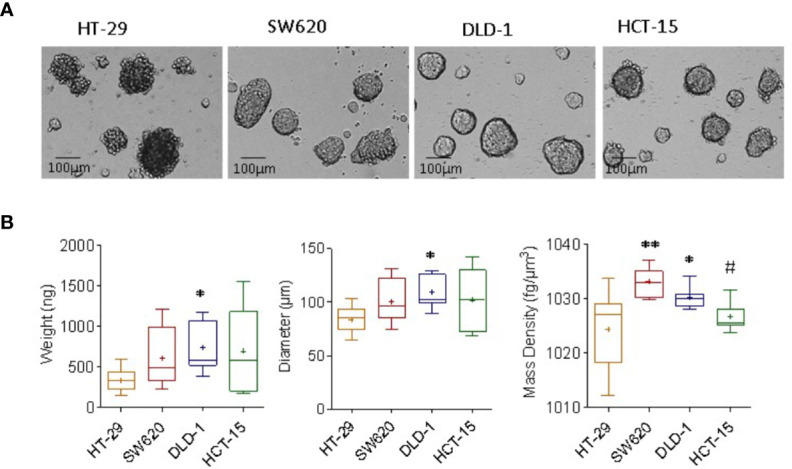
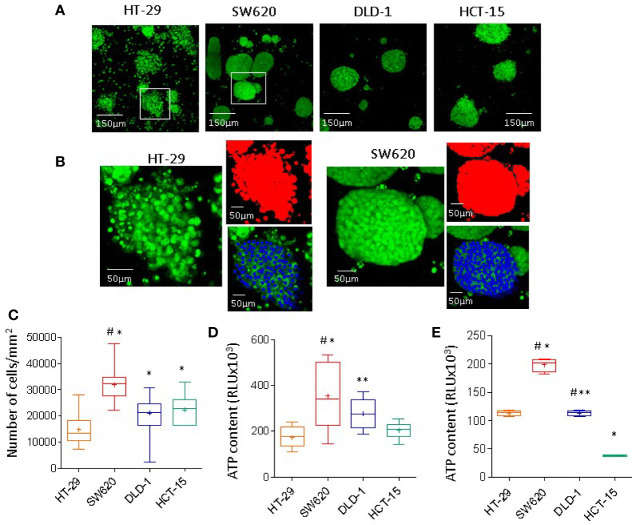
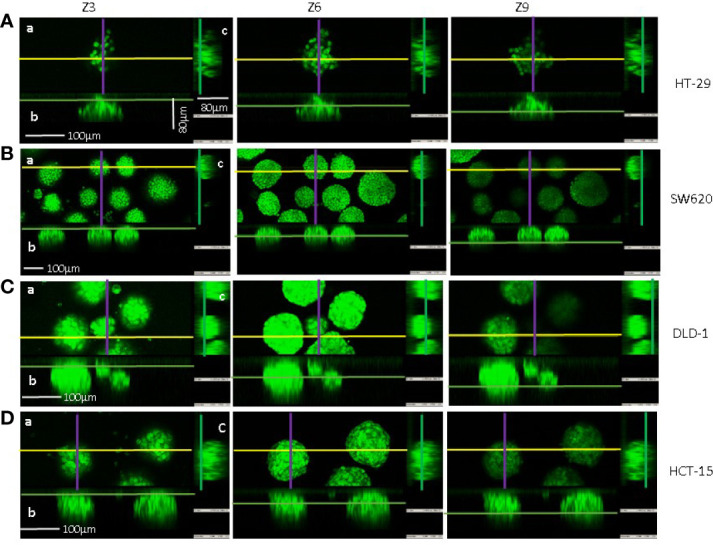
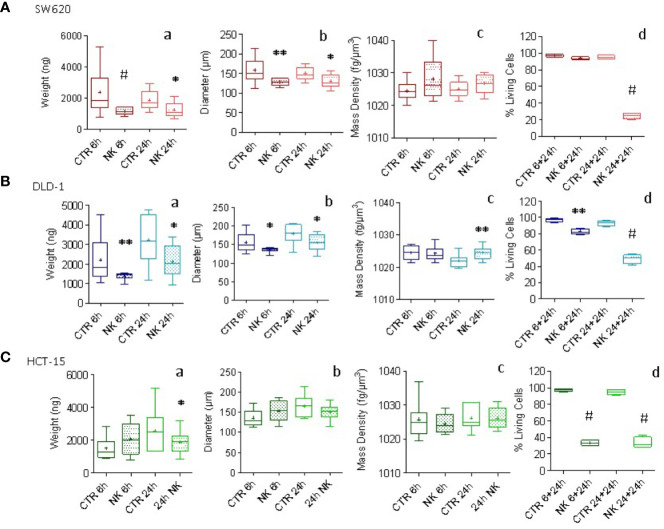
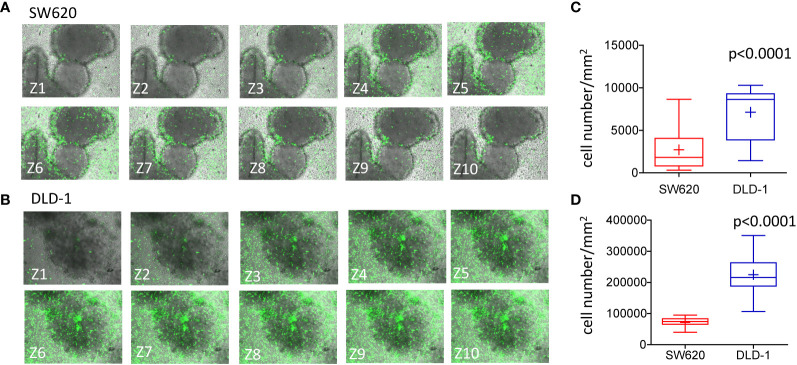
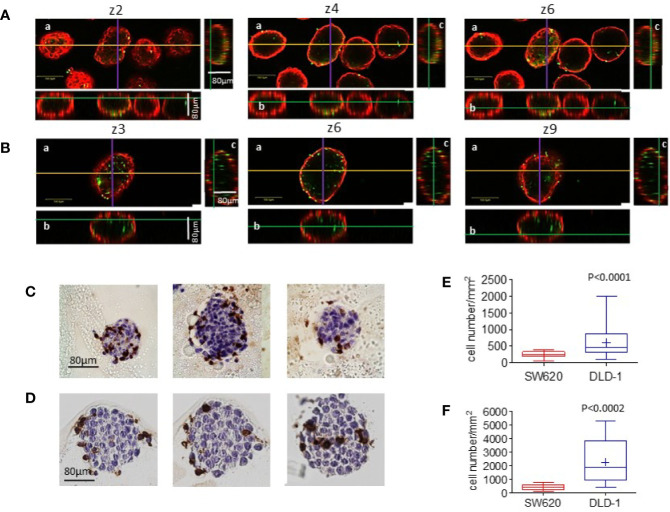
To improve pathogenetic studies in cancer development and reliable preclinical testing of anti-cancer treatments, three-dimensional (3D) cultures, including spheroids, have been widely recognized as more physiologically relevant models of in tumor behavior. Currently, the generation of uniformly sized spheroids is still challenging: different 3D cell culture methods produce heterogeneous populations in dimensions and morphology, that may strongly influence readouts reliability correlated to tumor growth rate or antitumor natural killer (NK) cell-mediated cytotoxicity. In this context, an increasing consensus claims the integration of microfluidic technologies within 3D cell culture, as the physical characterization of tumor spheroids is unavoidably demanded to standardize protocols and assays for testing. In this paper, we employed a flow-based method specifically conceived to measure weight, size and focused onto mass density values of tumor spheroids. These measurements are combined with confocal and digital imaging of such samples. We tested the spheroids of four colorectal cancer (CRC) cell lines that exhibit statistically relevant differences in their physical characteristics, even though starting from the same cell seeding density. These variations are seemingly cell line-dependent and associated with the number of growing cells and the degree of spheroid compaction as well, supported by different adenosine-triphosphate contents. We also showed that this technology can estimate the NK cell killing efficacy by measuring the weight loss and diameter shrinkage of tumor spheroids, alongside with the commonly used cell viability test. As the activity of NK cells relies on their infiltration rate, the sensitivity of CRC spheroids proved to be exposure time- and cell line-dependent with direct correlation to the cell viability reduction. All these functional aspects can be measured by the system and are documented by digital image analysis. In conclusion, this flow-based method potentially paves the way towards standardization of 3D cell cultures and its early adoption in cancer research to test antitumor immune response and set up new immunotherapy strategies.
为了改善癌症发展的发病机制研究和抗癌治疗的可靠临床前测试,三维(3D)培养物,包括球体,已被广泛认为是更具生理相关性的肿瘤行为模型。目前,均匀大小球体的生成仍然具有挑战性:不同的 3D 细胞培养方法会产生尺寸和形态上不均匀的群体,这可能会强烈影响与肿瘤生长速度或抗肿瘤自然杀伤(NK)细胞介导的细胞毒性相关的读出值的可靠性。在这种情况下,越来越多的共识要求将微流控技术集成到 3D 细胞培养中,因为不可避免地需要对肿瘤球体进行物理特性表征,以标准化用于测试的协议和测定法。在本文中,我们采用了一种专门设计的基于流动的方法来测量肿瘤球体的重量、大小和聚焦于质量密度值。这些测量结果与这些样本的共聚焦和数字成像相结合。我们测试了四种结直肠癌(CRC)细胞系的球体,它们在物理特性上表现出具有统计学意义的差异,尽管它们是从相同的细胞接种密度开始的。这些变化似乎与细胞系有关,并且与生长细胞的数量以及球体的紧密程度有关,这也得到了不同的三磷酸腺苷含量的支持。我们还表明,通过测量肿瘤球体的重量损失和直径收缩,以及常用的细胞活力测试,该技术可以估计 NK 细胞的杀伤效力。由于 NK 细胞的活性依赖于其渗透速率,CRC 球体的敏感性被证明与暴露时间和细胞系有关,并且与细胞活力降低直接相关。所有这些功能方面都可以通过该系统进行测量,并通过数字图像分析进行记录。总之,这种基于流动的方法有可能为 3D 细胞培养的标准化铺平道路,并在癌症研究中尽早采用,以测试抗肿瘤免疫反应并建立新的免疫治疗策略。