Institute of Applied Synthetic Chemistry and Institute of Chemical Technologies and Analytics, Faculty of Technical Chemistry, Vienna University of Technology, Getreidemarkt 9, 1060, Vienna, Austria.
Institute of Synthetic Bioarchitectures, Department of Nanobiotechnology, University of Natural Resources and Life Sciences, Vienna, Muthgasse 11, 1190, Vienna, Austria.
Sci Rep. 2019 Mar 19;9(1):4863. doi: 10.1038/s41598-019-41273-3.
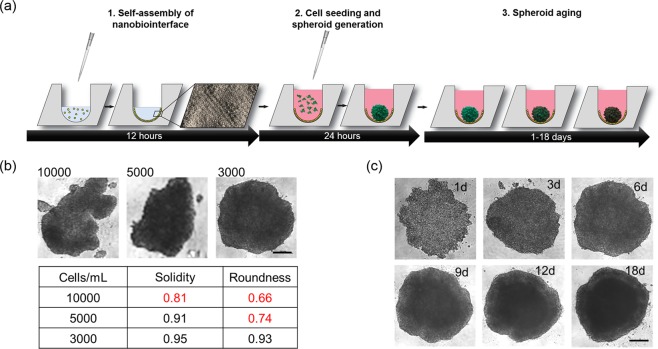
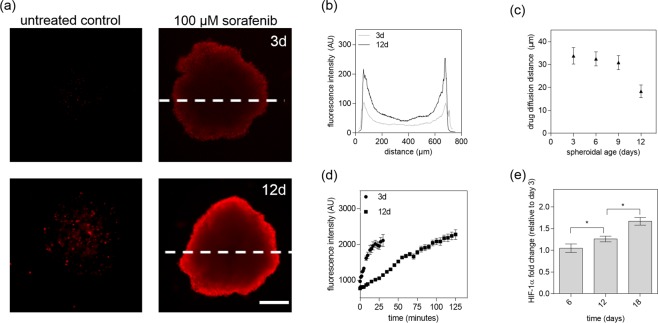
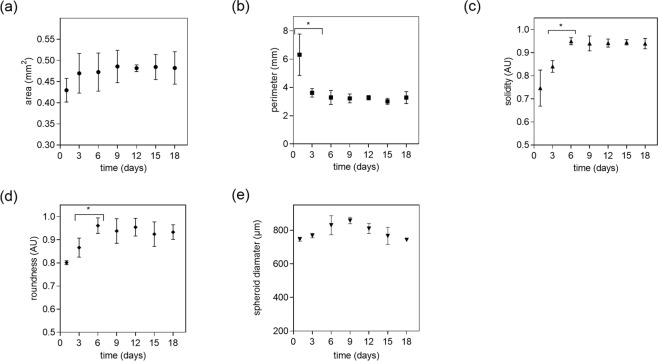
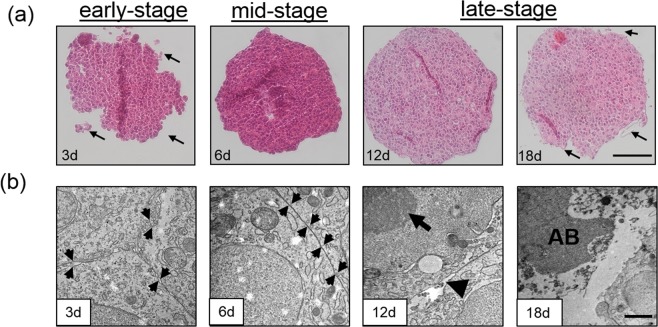
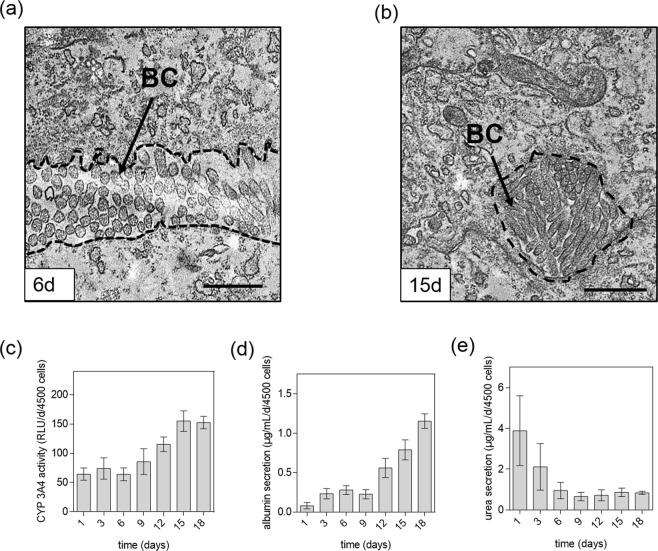
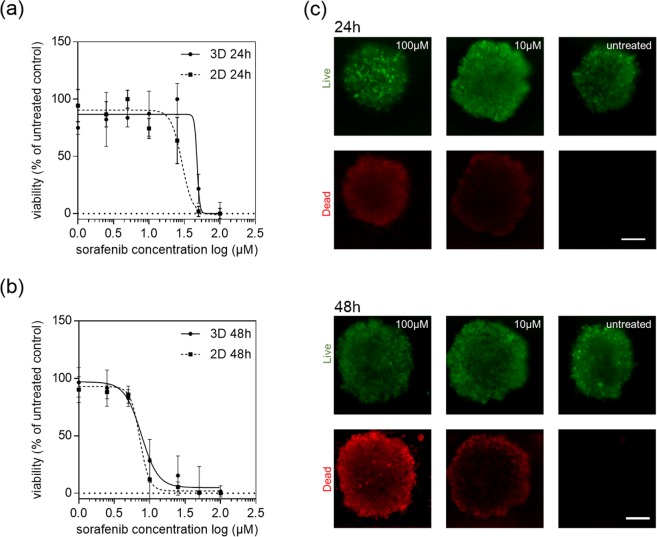
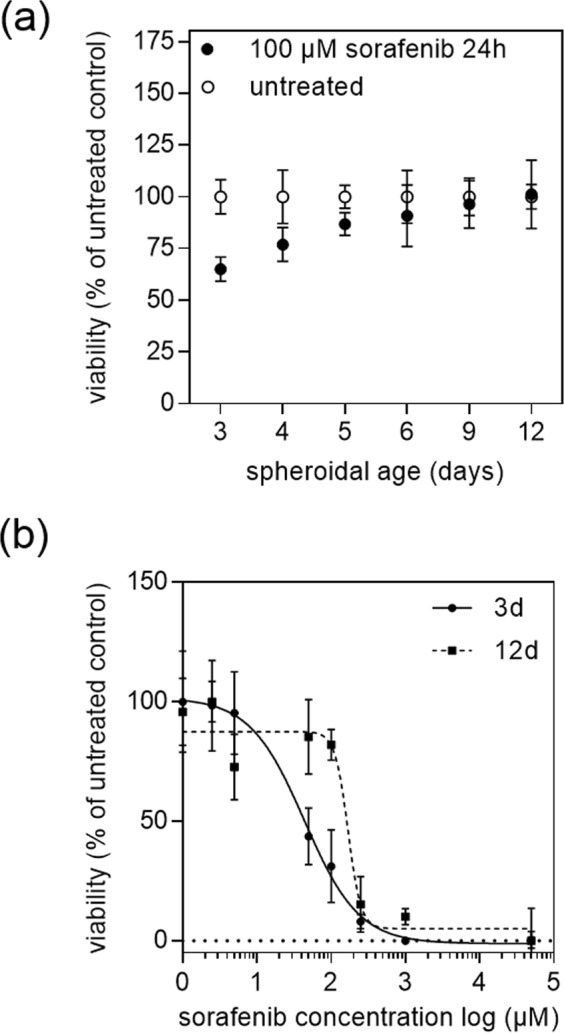
The enhanced predictive power of 3D multi-cellular spheroids in comparison to conventional monolayer cultures makes them a promising drug screening tool. However, clinical translation for pharmacology and toxicology is lagging its technological progression. Even though spheroids show a biological complexity resembling native tissue, standardization and validation of drug screening protocols are influenced by continuously changing physiological parameters during spheroid formation. Such cellular heterogeneities impede the comparability of drug efficacy studies and toxicological screenings. In this paper, we demonstrated that aside from already well-established physiological parameters, spheroidal age is an additional critical parameter that impacts drug diffusivity and toxicity in 3D cell culture models. HepG2 spheroids were generated and maintained on a self-assembled ultra-low attachment nanobiointerface and characterized regarding time-dependent changes in morphology, functionality as well as anti-cancer drug resistance. We demonstrated that spheroidal aging directly influences drug response due to the evolution of spheroid micro-structure and organo-typic functions, that alter inward diffusion, thus drug uptake.
与传统的单层培养相比,三维多细胞球体的增强预测能力使它们成为一种很有前途的药物筛选工具。然而,其在药理学和毒理学方面的临床转化却滞后于技术的发展。尽管球体显示出类似于天然组织的生物复杂性,但在球体形成过程中不断变化的生理参数影响了药物筛选方案的标准化和验证。这种细胞异质性阻碍了药物疗效研究和毒理学筛选的可比性。在本文中,我们证明了除了已经确立的生理参数外,球体年龄是另一个影响 3D 细胞培养模型中药物扩散和毒性的关键参数。我们生成并维持 HepG2 球体在自组装的超低附着纳米生物界面上,并对其形态、功能以及抗癌药物耐药性的时变进行了研究。我们证明了由于球体微结构和器官样功能的演变,导致了球体的老化直接影响了药物的反应,改变了药物的内部分散,从而影响了药物的摄取。