Kloskowski Tomasz, Jarząbkowska Joanna, Jundziłł Arkadiusz, Balcerczyk Daria, Buhl Monika, Szeliski Kamil, Bodnar Magdalena, Marszałek Andrzej, Drewa Gerard, Drewa Tomasz, Pokrywczyńska Marta
Chair of Urology and Andrology, Department of Regenerative Medicine, Cell and Tissue Bank, Collegium Medicum, Nicolaus Copernicus University, Sklodowskiej-Curie 9, 85-094 Bydgoszcz, Poland.
Department of Plastic, Reconstructive and Aesthetic Surgery, Collegium Medicum, Nicolaus Copernicus University, Bydgoszcz, Poland.
Stem Cells Int. 2020 Dec 23;2020:8810476. doi: 10.1155/2020/8810476. eCollection 2020.
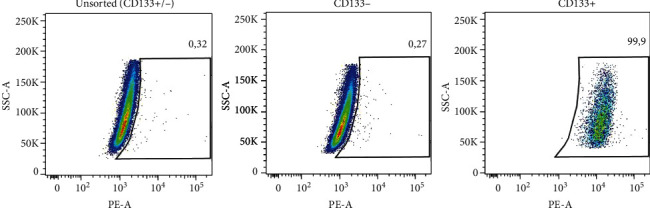
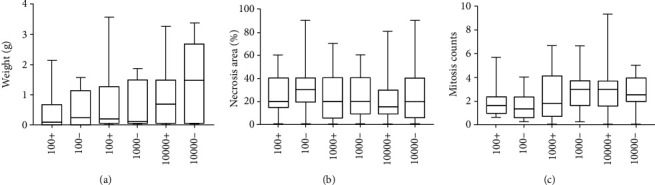
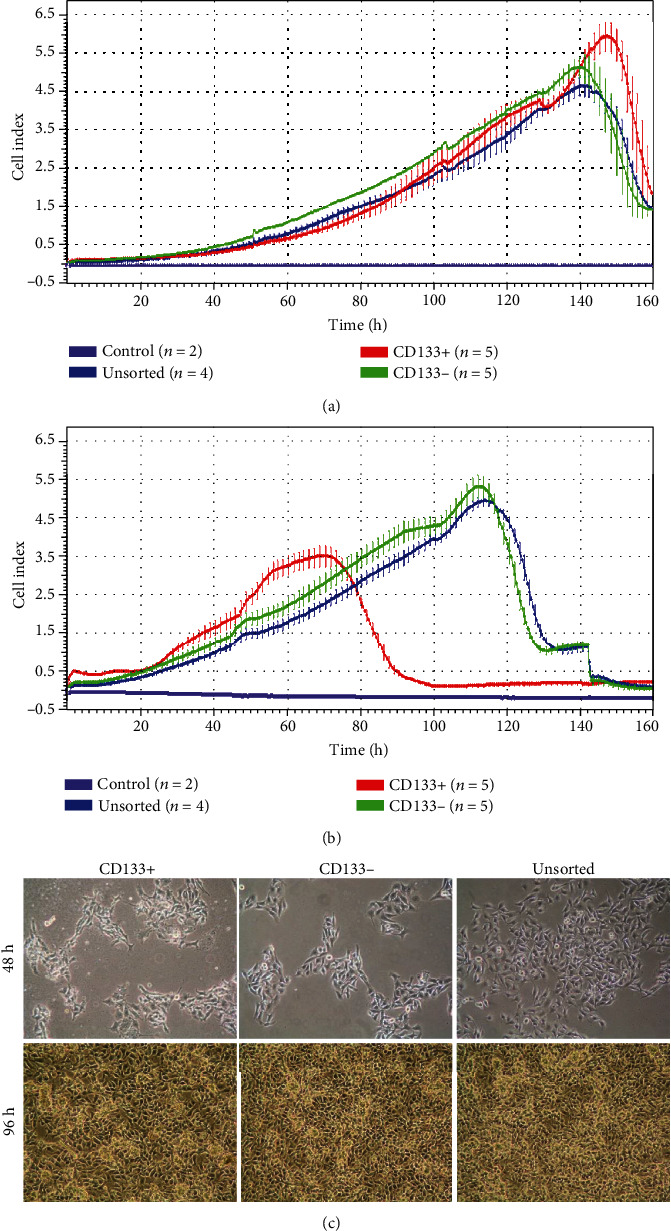
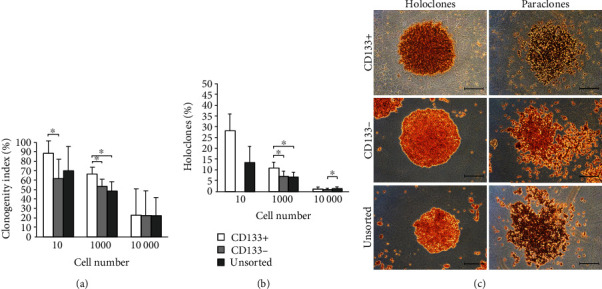
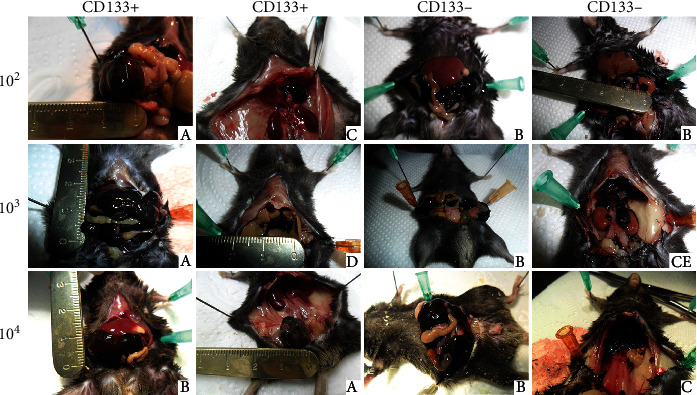
Melanoma is the most dangerous type of skin cancer. Cancer stem cells (CSCs) are suspected to be responsible for the cancer recurrence and in the consequence for cancer therapy failure. CD133 is a potential marker for detection of melanoma CSCs. Experiments were performed on the B16-F10 mouse melanoma cell line. CD133+ cells were isolated using an immunomagnetic cell sorting technique. After isolation proliferative and clonogenic potential of CD133+, CD133- and CD133+/- were evaluated. The potential of CD133+ and CD133- cells for tumor induction was conducted on C57BL/6J mouse model. Three different cell quantities (100, 1000, 10000) were tested. Tumor morphology, number of mitoses, and tumor necrosis area were analyzed. Average 0.12% CD133+ cells were isolated. Compared to CD133- and unsorted CD133+/- cells, CD133+ cells were characterized by the higher proliferative and clonogenic potential. These properties were not confirmed , as both CD133+ and CD133- cells induced tumor growth in mouse model. No statistical differences in mitosis number and tumor necrosis area were observed. Simultaneous detection of CD133 antigen with other markers is necessary for accurate identification of these melanoma cancer stem cells.
黑色素瘤是最危险的皮肤癌类型。癌症干细胞(CSCs)被怀疑与癌症复发以及癌症治疗失败有关。CD133是检测黑色素瘤癌症干细胞的一个潜在标志物。实验在B16-F10小鼠黑色素瘤细胞系上进行。使用免疫磁珠细胞分选技术分离CD133+细胞。分离后,评估CD133+、CD133-和CD133+/-细胞的增殖和克隆形成潜力。在C57BL/6J小鼠模型上检测CD133+和CD133-细胞的肿瘤诱导潜力。测试了三种不同的细胞数量(100、1000、10000)。分析肿瘤形态、有丝分裂数和肿瘤坏死面积。平均分离出0.12%的CD133+细胞。与CD133-和未分选的CD133+/-细胞相比,CD133+细胞具有更高的增殖和克隆形成潜力。但这些特性未得到证实,因为CD133+和CD133-细胞在小鼠模型中均能诱导肿瘤生长。在有丝分裂数和肿瘤坏死面积方面未观察到统计学差异。为准确鉴定这些黑色素瘤癌症干细胞,需要同时检测CD133抗原和其他标志物。