Zhao Yijing, Zhou Lei, Li Hui, Sun Tingge, Wen Xue, Li Xueli, Meng Ying, Li Yan, Liu Mengmeng, Liu Shanshan, Kim Su-Jeong, Xiao Jialin, Li Lingyu, Zhang Songling, Li Wei, Cohen Pinchas, Hoffman Andrew R, Hu Ji-Fan, Cui Jiuwei
Key Laboratory of Organ Regeneration and Transplantation of Ministry of Education, Cancer Center, The First Hospital of Jilin University, Changchun, Jilin 130021, China.
Department of Medicine, PAVIR, Stanford University Medical School, VA Palo Alto Health Care System, Palo Alto, CA 94304, USA.
Mol Ther Nucleic Acids. 2020 Oct 4;23:264-276. doi: 10.1016/j.omtn.2020.09.040. eCollection 2021 Mar 5.
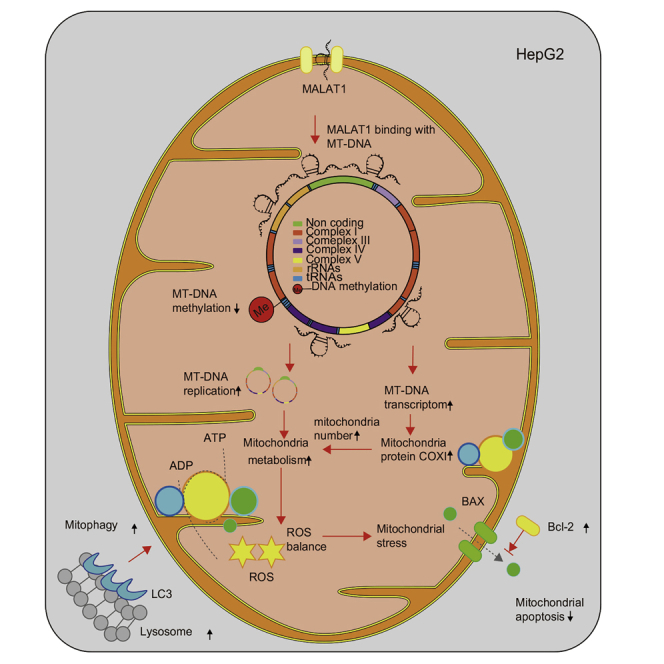
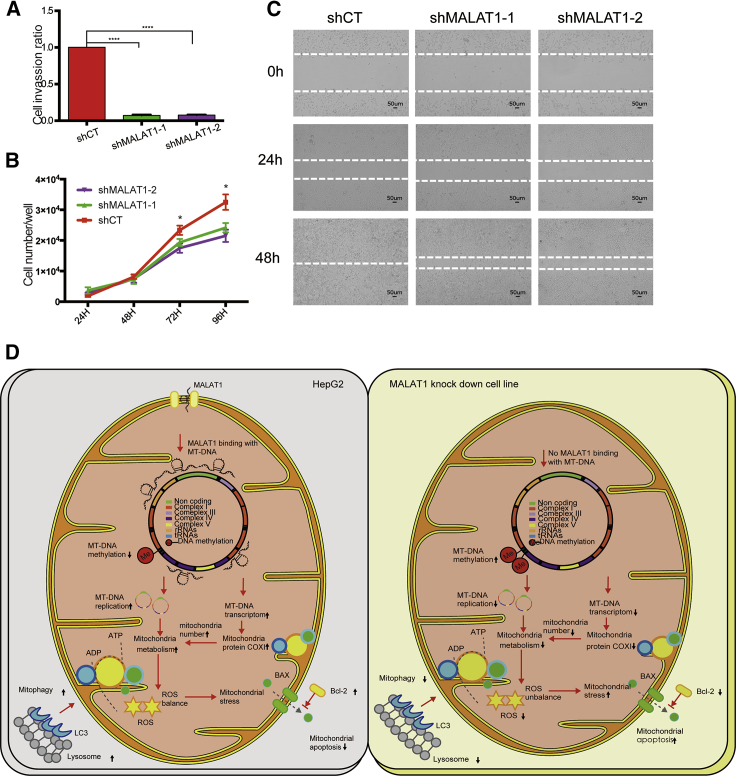
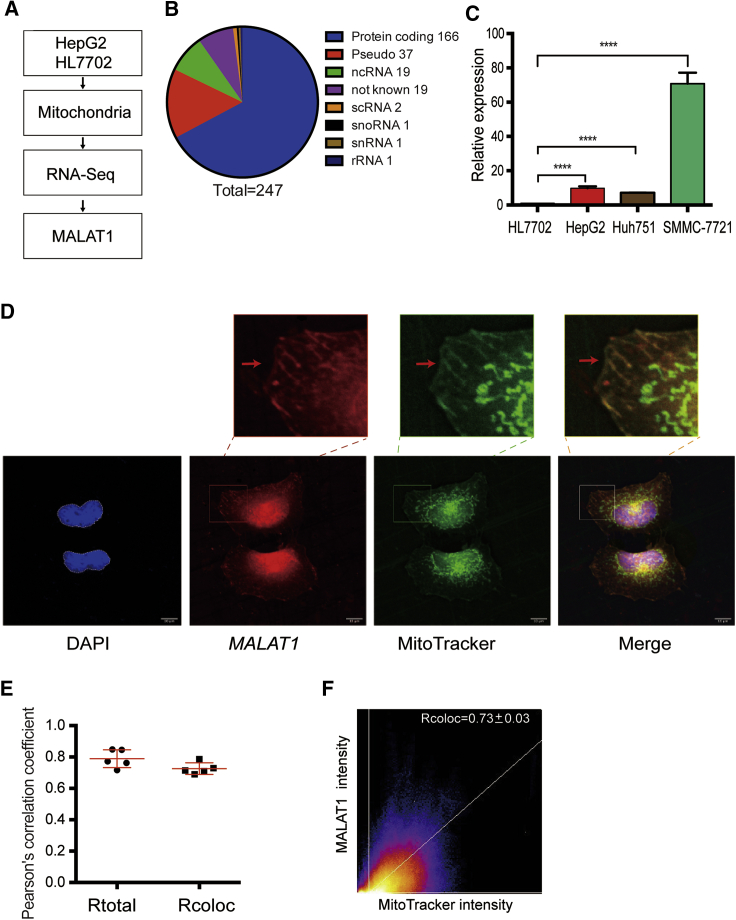
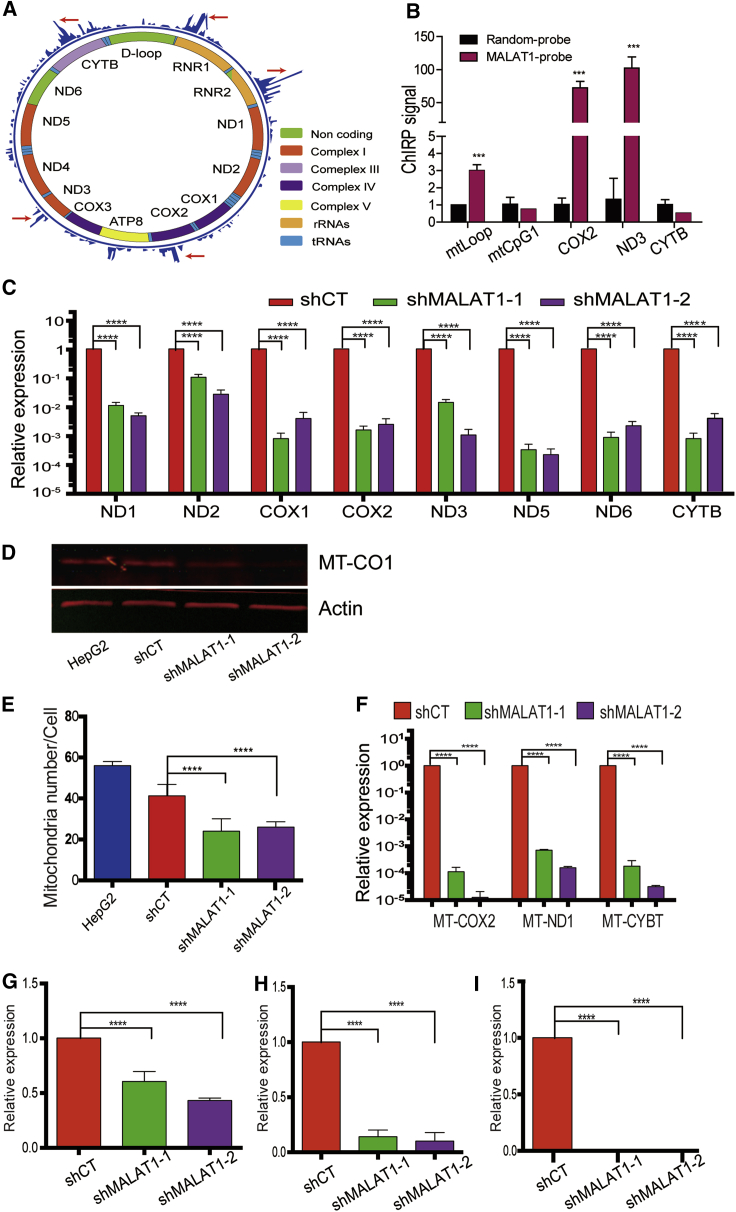
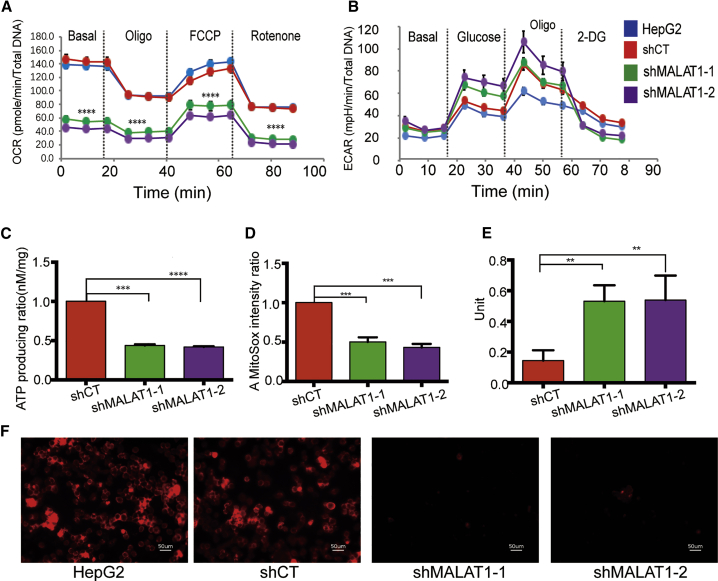
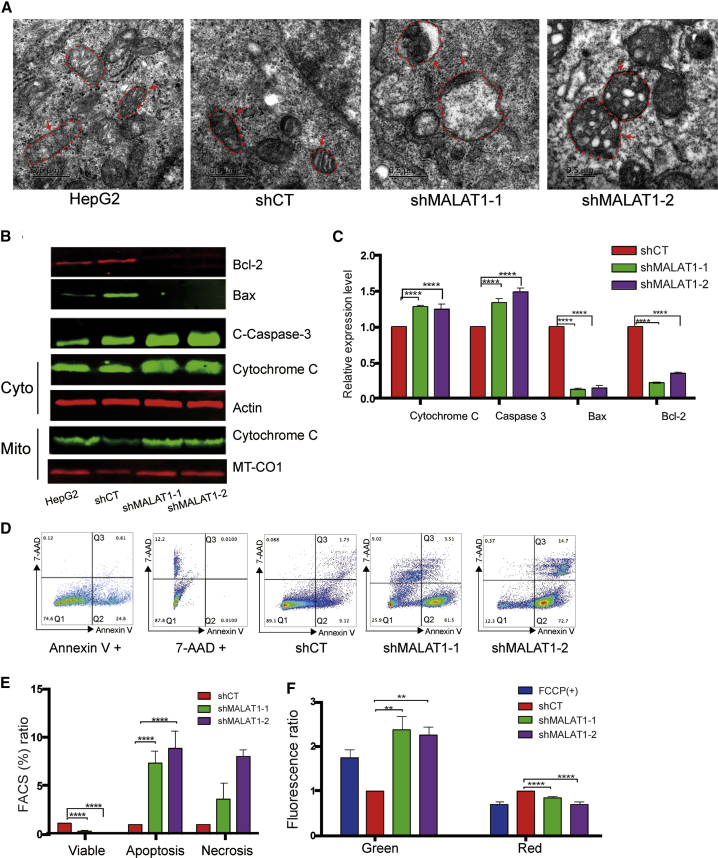
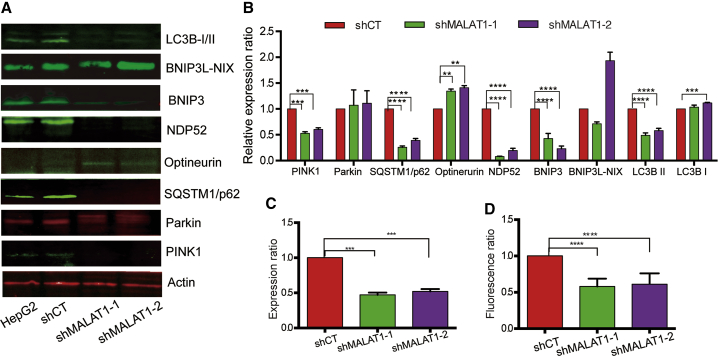
Mitochondrial dysfunction is a metabolic hallmark of cancer cells. In search of molecular factors involved in this dysregulation in hepatocellular carcinoma (HCC), we found that the nuclear-encoded long noncoding RNA (lncRNA) (metastasis-associated lung adenocarcinoma transcript 1) was aberrantly enriched in the mitochondria of hepatoma cells. Using RNA reverse transcription-associated trap sequencing (RAT-seq), we showed that interacted with multiple loci on mitochondrial DNA (mtDNA), including D-loop, , , and genes. knockdown induced alterations in the CpG methylation of mtDNA and in mitochondrial transcriptomes. This was associated with multiple abnormalities in mitochondrial function, including altered mitochondrial structure, low oxidative phosphorylation (OXPHOS), decreased ATP production, reduced mitophagy, decreased mtDNA copy number, and activation of mitochondrial apoptosis. These alterations in mitochondrial metabolism were associated with changes in tumor phenotype and in pathways involved in cell mitophagy, mitochondrial apoptosis, and epigenetic regulation. We further showed that the RNA-shuttling protein HuR and the mitochondria transmembrane protein MTCH2 mediated the transport of in this nuclear-mitochondrial crosstalk. This study provides the first evidence that the nuclear genome-encoded lncRNA functions as a critical epigenetic player in the regulation of mitochondrial metabolism of hepatoma cells, laying the foundation for further clarifying the roles of lncRNAs in tumor metabolic reprogramming.
线粒体功能障碍是癌细胞的一种代谢特征。在寻找参与肝细胞癌(HCC)这种失调的分子因素时,我们发现核编码的长链非编码RNA(lncRNA)(转移相关肺腺癌转录本1)在肝癌细胞的线粒体中异常富集。使用RNA逆转录相关捕获测序(RAT-seq),我们表明 与线粒体DNA(mtDNA)上的多个位点相互作用,包括D-loop、 、 和 基因。 的敲低诱导了mtDNA的CpG甲基化和线粒体转录组的改变。这与线粒体功能的多种异常有关,包括线粒体结构改变、低氧化磷酸化(OXPHOS)、ATP产生减少、线粒体自噬减少、mtDNA拷贝数降低以及线粒体凋亡的激活。线粒体代谢的这些改变与肿瘤表型以及细胞线粒体自噬、线粒体凋亡和表观遗传调控相关途径的变化有关。我们进一步表明,RNA穿梭蛋白HuR和线粒体跨膜蛋白MTCH2在这种核 - 线粒体串扰中介导了 的转运。这项研究提供了首个证据,即核基因组编码的lncRNA 在肝癌细胞线粒体代谢调控中作为关键的表观遗传因子发挥作用,并为进一步阐明lncRNAs在肿瘤代谢重编程中的作用奠定了基础。