Department of Food Science, Purdue University, West Lafayette, Indiana 47906.
School of Nutrition and Food Sciences, AgCenter, Louisiana State University, Baton Rouge, Louisiana 70803, USA.
J Food Prot. 2021 Jun 1;84(6):1000-1008. doi: 10.4315/JFP-20-463.
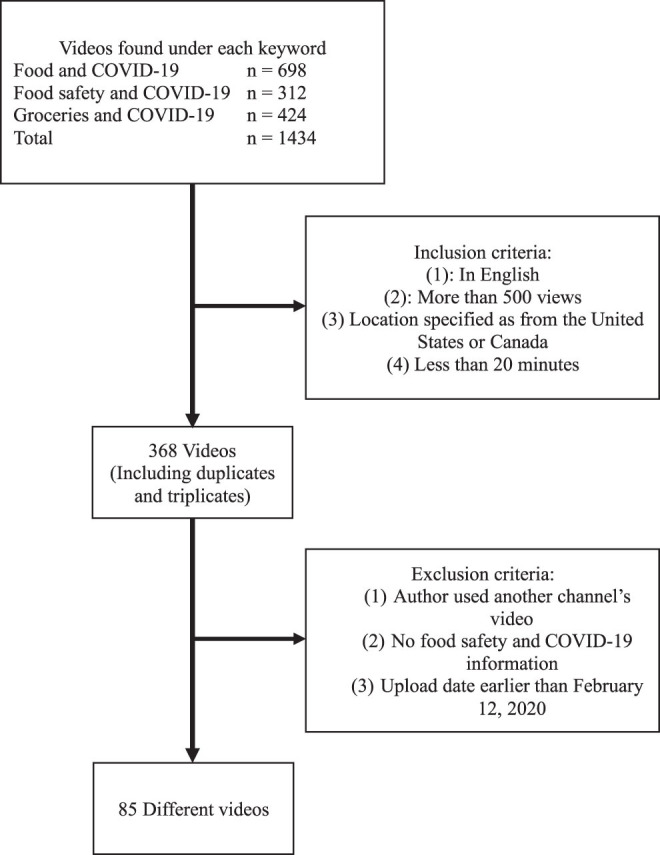
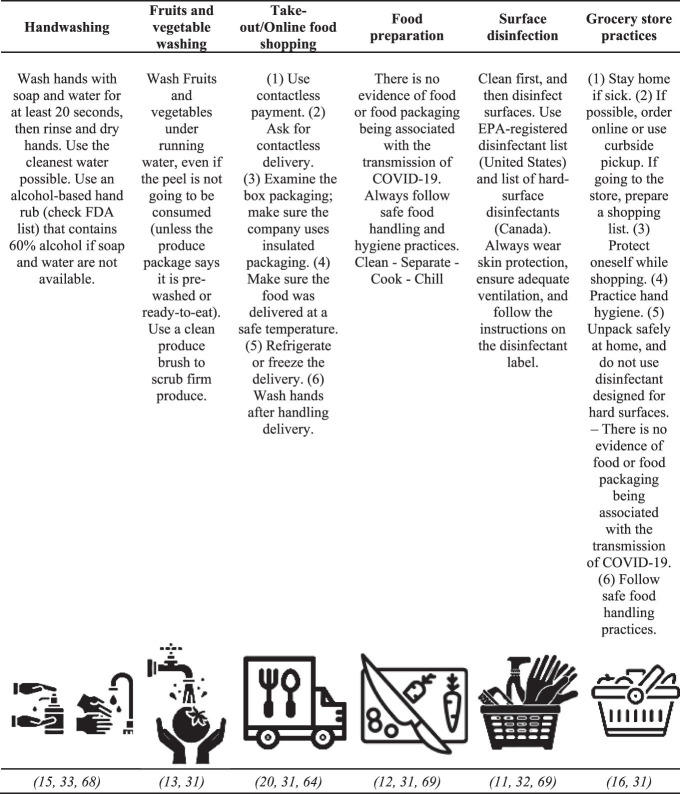
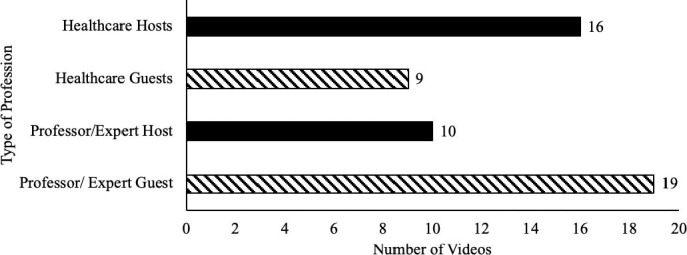
Although severe acute respiratory syndrome coronavirus 2 (SARS-CoV-2) is not a proven foodborne pathogen, the COVID-19 pandemic has put the food system on alert, and food safety has been identified as an important pillar in mitigating the crisis. Therefore, an understanding of how popular media are used as a vital disseminator of food safety and health information for the public is more important than ever. YouTube deserves particular attention as one of the most highly trafficked Web sites on the Internet, especially because YouTube has been blamed during the pandemic for spreading misleading or untrustworthy information that contradicts validated information. This study was conducted to evaluate the food safety information and practices circulating on YouTube during the COVID-19 pandemic and the alignment of these practices with recommendations from government agencies. A search for videos on YouTube was conducted using the key words "food and COVID-19," "food safety and COVID-19," and "groceries and COVID-19." After applying a series of inclusive and exclusive criteria, 85 videos from the United States and Canada were evaluated. More than half (69%) of the videos presented hand washing procedures, 26% showed kitchen disinfection, and most (86%) showed take-out food or grocery store practices. Multiple produce washing procedures were also shown throughout videos. Food was not considered hazardous in 39% of the videos, but 24% mentioned that food packaging is potentially hazardous. Most videos cited government agencies and had a host or guest who was a health care professional, professor, or expert. Three videos were not aligned with a government agency's guideline or information cited; two were presented by a health care professional. These findings reveal the need to develop educational interventions that increase YouTube video host and guest awareness of social media use as a tool for food safety dissemination and the need to provide trustworthy information.
尽管严重急性呼吸综合征冠状病毒 2(SARS-CoV-2)不是已证实的食源性病原体,但 COVID-19 大流行已使食品系统处于警戒状态,食品安全已被确定为缓解危机的重要支柱。因此,了解大众媒体如何作为向公众传播食品安全和健康信息的重要传播者比以往任何时候都更为重要。YouTube 作为互联网上流量最大的网站之一,尤其值得特别关注,因为在大流行期间,YouTube 被指责传播与经过验证的信息相矛盾的误导或不可信的信息。本研究旨在评估 COVID-19 大流行期间在 YouTube 上传播的食品安全信息和做法,以及这些做法与政府机构建议的一致性。使用“食物与 COVID-19”“食品安全与 COVID-19”和“杂货与 COVID-19”等关键词在 YouTube 上进行视频搜索。应用一系列包含和排除标准后,评估了来自美国和加拿大的 85 个视频。超过一半(69%)的视频展示了洗手程序,26%展示了厨房消毒,大多数(86%)展示了外卖食品或杂货店做法。视频中还展示了多种农产品清洗程序。39%的视频认为食物没有危害,但 24%的视频提到食物包装可能具有危害性。大多数视频引用了政府机构,主持人或嘉宾是医疗保健专业人员、教授或专家。有 3 个视频与政府机构的指南或引用的信息不一致;其中两个由医疗保健专业人员呈现。这些发现揭示了需要制定教育干预措施,以提高 YouTube 视频主持人和嘉宾对社交媒体作为食品安全传播工具的使用意识,并提供值得信赖的信息。