Department of Anaesthesiology and Intensive Care Medicine, Hannover Medical School, Hannover, Germany.
Medicine (Baltimore). 2021 Jan 8;100(1):e24160. doi: 10.1097/MD.0000000000024160.
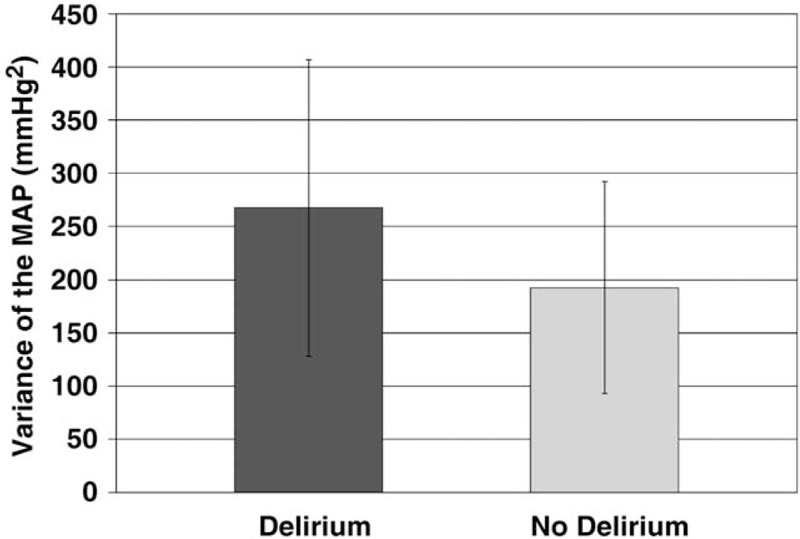
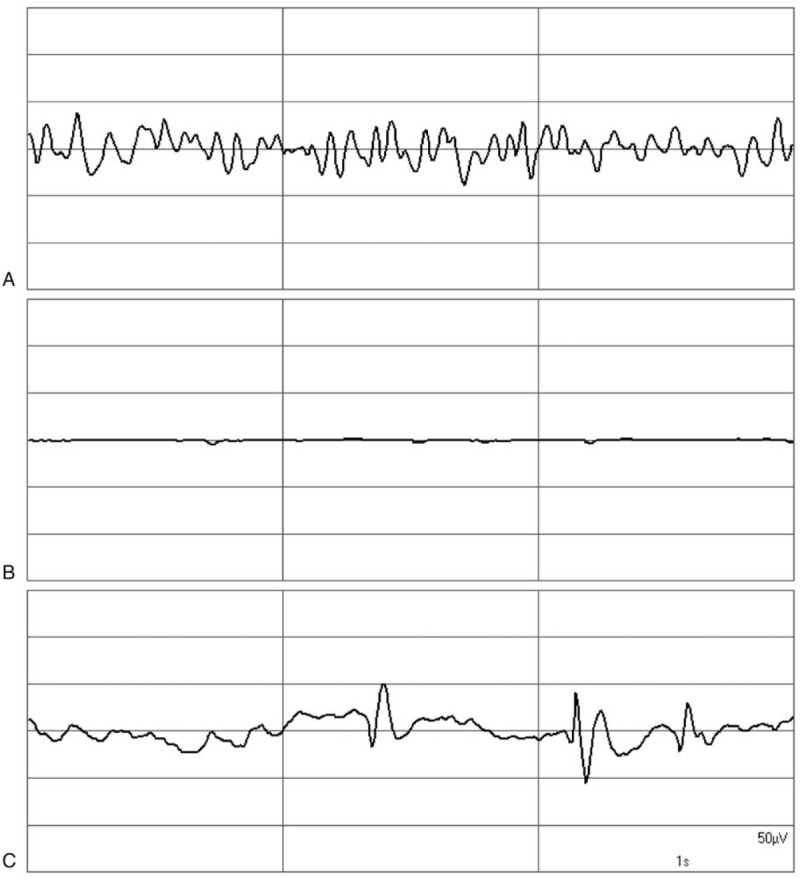
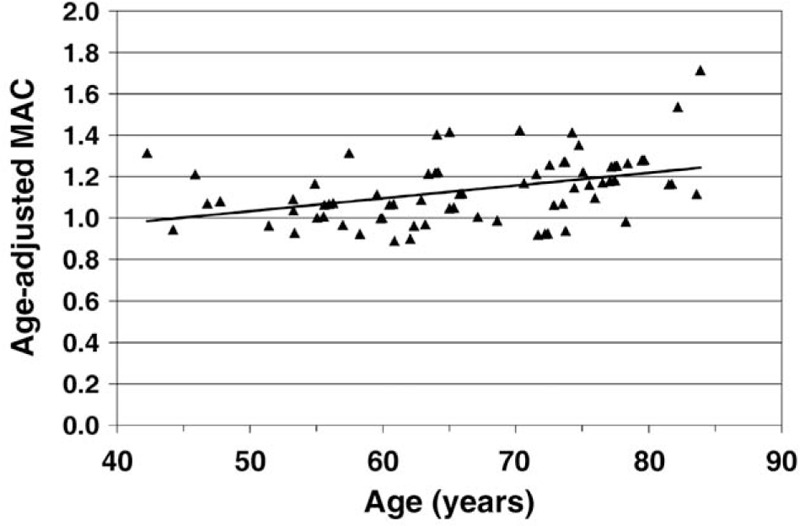
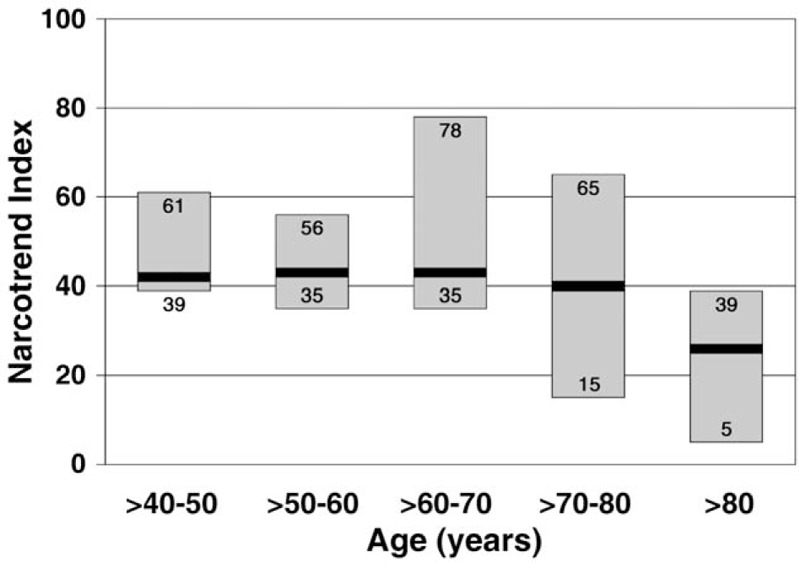
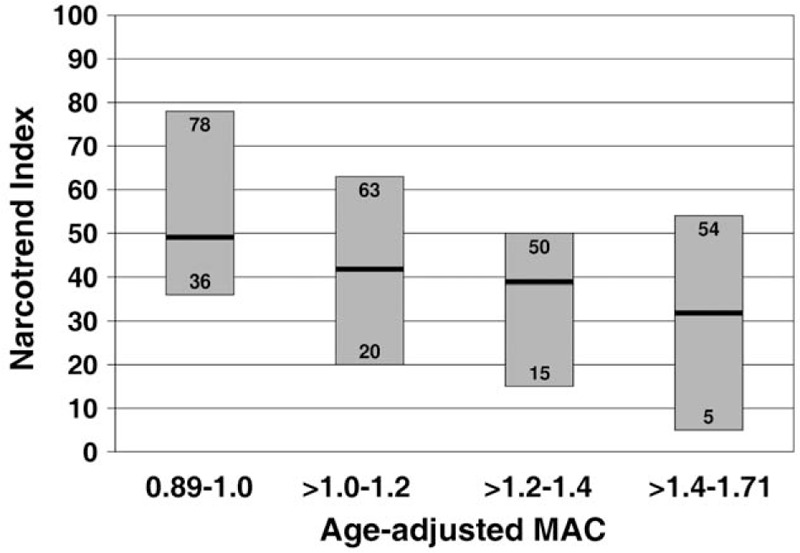
Postoperative delirium (PODE) can be associated with severe clinical complications; therefore, preventive measures are important. The objective of this trial was to elucidate whether haemodynamic or electroencephalographic (EEG) monitoring parameters during general anaesthesia or sevoflurane dosage correlate with the incidence of PODE. In addition, sevoflurane dosages and EEG stages during the steady state of anaesthesia were analyzed in patients of different ages.Eighty adult patients undergoing elective abdominal surgery received anaesthesia with sevoflurane and sufentanil according to the clinical routine. Anaesthesiologists were blinded to the EEG. Haemodynamic parameters, EEG parameters, sevoflurane dosage, and occurrence of PODE were analyzed.Thirteen patients (4 out of 33 women, 9 out of 47 men) developed PODE. Patients with PODE had a greater mean arterial pressure (MAP) variance (267.26 (139.40) vs 192.56 (99.64) mmHg2, P = .04), had a longer duration of EEG burst suppression or suppression (27.09 (45.32) vs 5.23 (10.80) minutes, P = .03), and received higher minimum alveolar sevoflurane concentrations (MAC) (1.22 (0.22) vs 1.09 (0.17), P = .03) than patients without PODE. MAC values were associated with wide ranges of EEG index values representing different levels of hypnosis.The results suggest that, in order to prevent PODE, a great variance of MAP, higher doses of sevoflurane, and deep levels of anaesthesia should be avoided. Titrating sevoflurane according to end-tidal gas monitoring and vital signs can lead to unnecessarily deep or light hypnosis. Intraoperative EEG monitoring may help to prevent PODE.
术后谵妄(PODE)可能与严重的临床并发症相关;因此,预防措施很重要。本试验的目的是阐明全身麻醉期间或七氟醚用量的血流动力学或脑电图(EEG)监测参数是否与 PODE 的发生率相关。此外,还分析了不同年龄患者在麻醉稳定期的七氟醚用量和 EEG 分期。
80 例择期行腹部手术的成年患者根据临床常规接受七氟醚和舒芬太尼麻醉。麻醉师对 EEG 情况不知情。分析了血流动力学参数、脑电图参数、七氟醚用量和 PODE 的发生情况。
13 例(33 名女性中有 4 例,47 名男性中有 9 例)患者发生 PODE。PODE 患者的平均动脉压(MAP)变异较大(267.26(139.40)比 192.56(99.64)mmHg2,P=0.04),脑电图爆发抑制或抑制持续时间较长(27.09(45.32)比 5.23(10.80)分钟,P=0.03),并且接受的最低肺泡七氟醚浓度(MAC)较高(1.22(0.22)比 1.09(0.17),P=0.03)。MAC 值与代表不同催眠水平的 EEG 指数值的宽范围相关。
结果表明,为了预防 PODE,应避免 MAP 变异较大、七氟醚用量较高和麻醉深度较深。根据呼气末气体监测和生命体征滴定七氟醚可能导致不必要的过深或过浅的催眠。术中脑电图监测可能有助于预防 PODE。