Szabo Katalin, Dulf Francisc Vasile, Teleky Bernadette-Emőke, Eleni Panagiota, Boukouvalas Christos, Krokida Magdalini, Kapsalis Nikolas, Rusu Alexandru Vasile, Socol Claudia Terezia, Vodnar Dan Cristian
Institute of Life Sciences, University of Agricultural Sciences and Veterinary Medicine Cluj-Napoca, Calea Manastur 3-5, 400372 Cluj-Napoca, Romania.
Faculty of Agriculture, Department of Environmental and Plant Protection, University of Agricultural Sciences and Veterinary Medicine Cluj-Napoca, Calea Manastur 3-5, 400372 Cluj-Napoca, Romania.
Foods. 2021 Jan 7;10(1):110. doi: 10.3390/foods10010110.
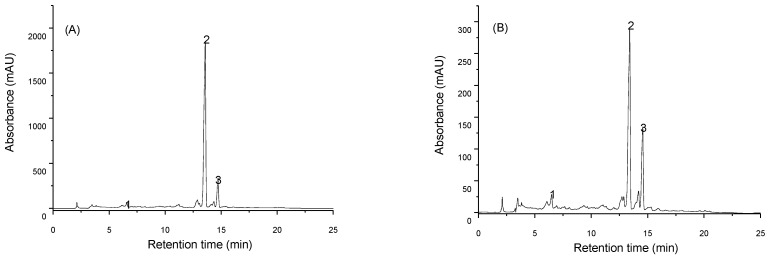
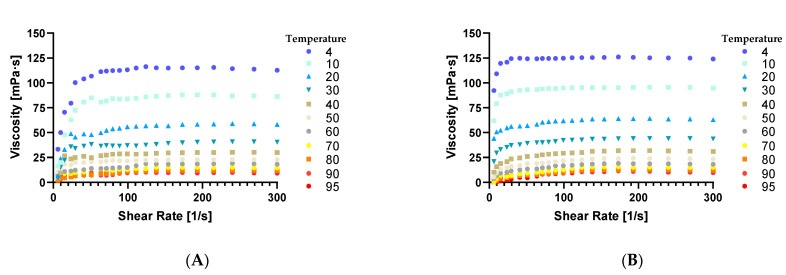
The circular economy action plan involves principles related to food waste reduction and integration of recovered nutrients to the market. In this context, the present study aims to highlight the valuable bioactive components found in tomato processing by-products (carotenoids, phenolic compounds and fatty acids) influenced by industrial pre-treatments, particularly cold break (CB) process at 65-75 °C and hot break (HB) process at 85-95 °C. The fatty acid profile of the tomato seed oil was examined by gas chromatography coupled to mass spectrometry (GC-MS), individual carotenoid and phenolic compositions were determined by high performance liquid chromatography (HPLC) and the viscoelastic properties were evaluated by rheological measurements. The physicochemical properties revealed appropriate characteristics of the tomato seed oil to fit the standards of generally accepted edible oils, for both CB and HB derived samples, however, significant qualitative and quantitative differences were detected in their phenolic composition and carotenoids content. Lycopene (37.43 ± 1.01 mg/100 mL) was a major carotenoid in the examined samples, linoleic acid was the main fatty acid (61.73%) detected in the tomato seed oil and syringic acid appeared to be one of two major phenolic acids detected in the samples of CB process. Our findings extend the boundaries of tomato processing industry by validating that tomato seed oil is a bioactive rich edible oil with additional health benefits, which can be integrated in functional food products.
循环经济行动计划涉及与减少食物浪费以及将回收养分融入市场相关的原则。在此背景下,本研究旨在突出番茄加工副产物中发现的有价值的生物活性成分(类胡萝卜素、酚类化合物和脂肪酸),这些成分受工业预处理的影响,特别是65 - 75°C的冷破碎(CB)工艺和85 - 95°C的热破碎(HB)工艺。通过气相色谱 - 质谱联用(GC - MS)检测番茄籽油的脂肪酸谱,用高效液相色谱(HPLC)测定单个类胡萝卜素和酚类成分,并通过流变学测量评估其粘弹性。物理化学性质表明,CB和HB衍生样品的番茄籽油具有符合普遍认可食用油标准的适宜特性,然而,在它们的酚类成分和类胡萝卜素含量方面检测到了显著的定性和定量差异。番茄红素(37.43±1.01mg/100mL)是所检测样品中的主要类胡萝卜素,亚油酸是番茄籽油中检测到的主要脂肪酸(61.73%),丁香酸似乎是CB工艺样品中检测到的两种主要酚酸之一。我们的研究结果通过验证番茄籽油是一种富含生物活性且具有额外健康益处的食用油,可融入功能性食品,从而扩展了番茄加工业的边界。