Radeloff Katrin, Ramos Tirado Mario, Haddad Daniel, Breuer Kathrin, Müller Jana, Hochmuth Sabine, Hackenberg Stephan, Scherzad Agmal, Kleinsasser Norbert, Radeloff Andreas
Department of Otorhinolaryngology, Head and Neck Surgery, University of Oldenburg, 26122 Oldenburg, Germany.
Department of Otorhinolaryngology, Plastic, Aesthetic and Reconstructive Head and Neck Surgery, University of Wuerzburg, 97080 Wuerzburg, Germany.
Materials (Basel). 2021 Jan 7;14(2):263. doi: 10.3390/ma14020263.
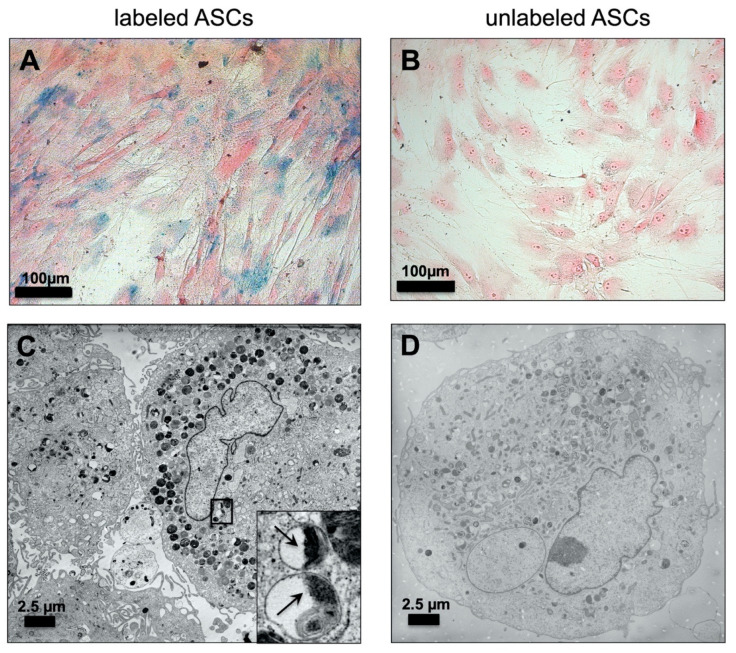
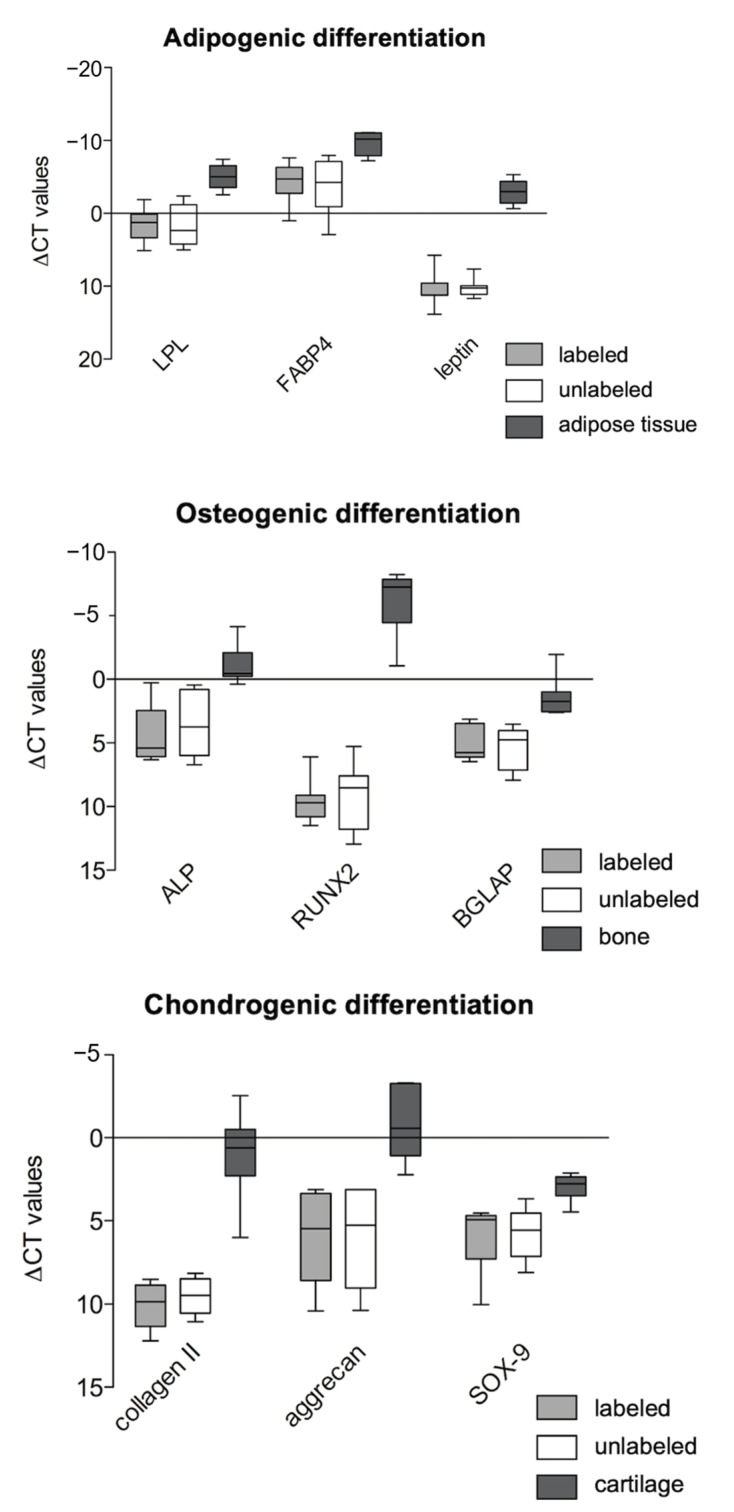
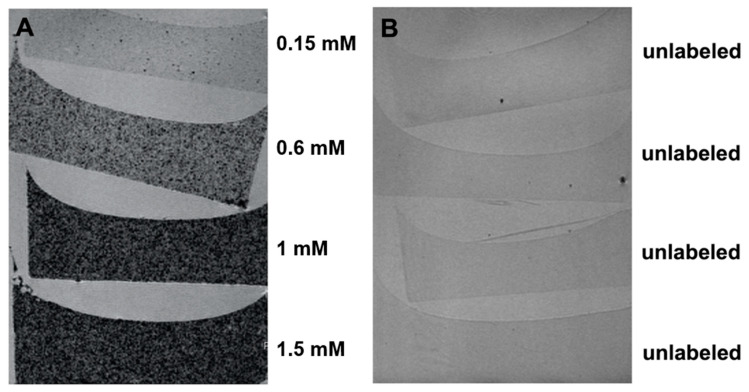
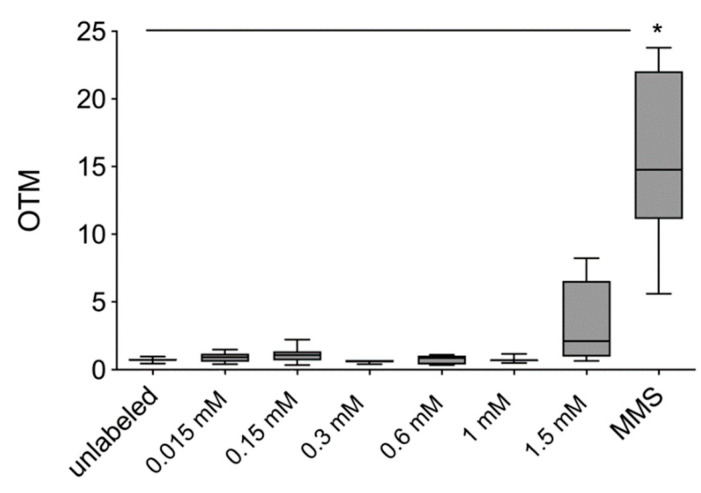
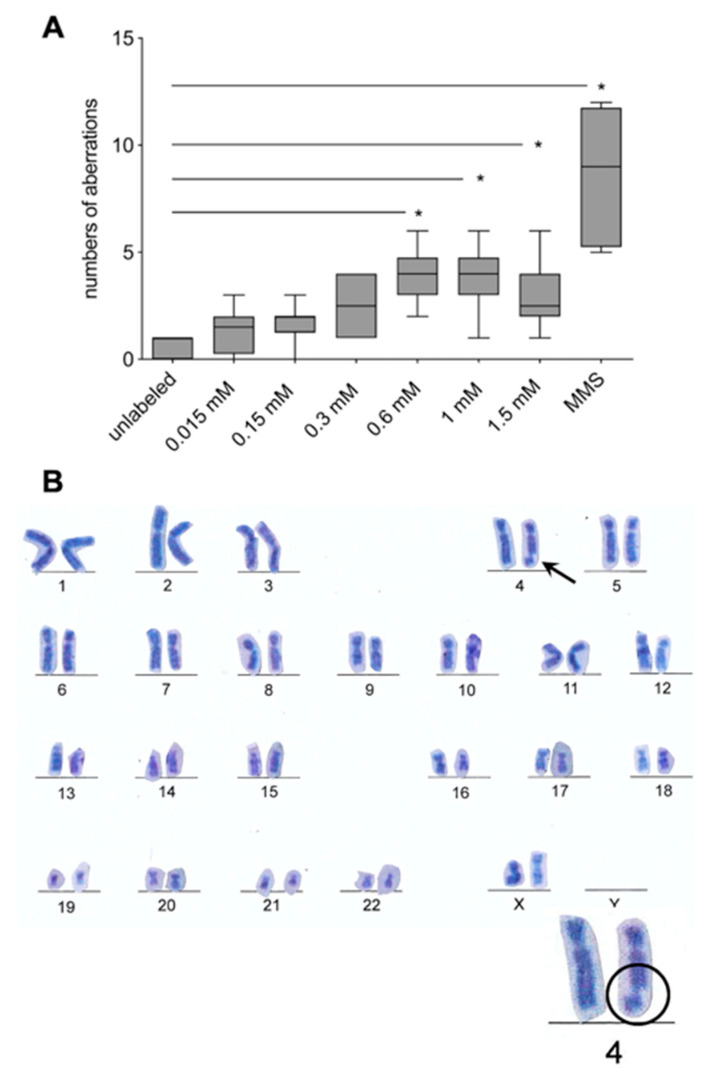
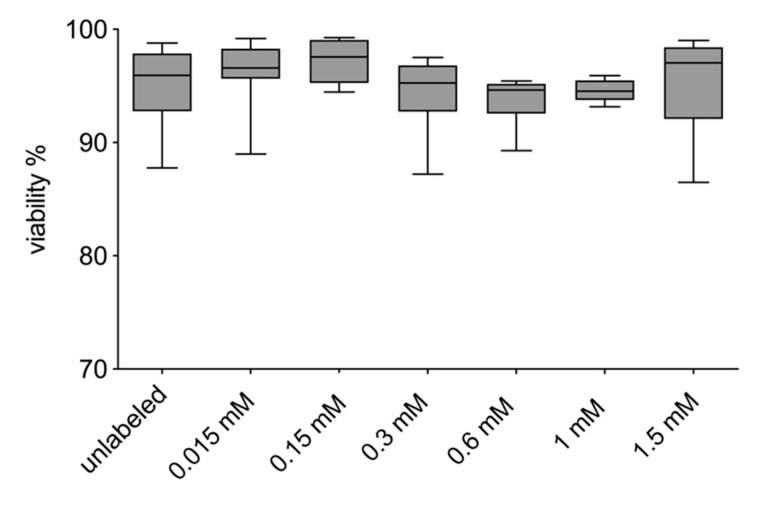
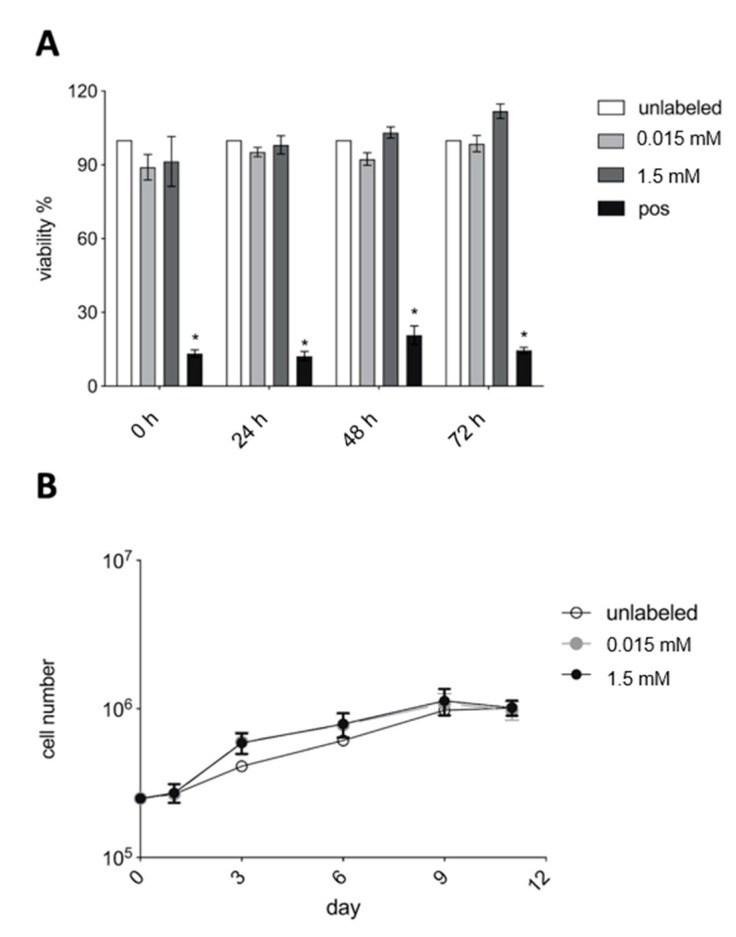
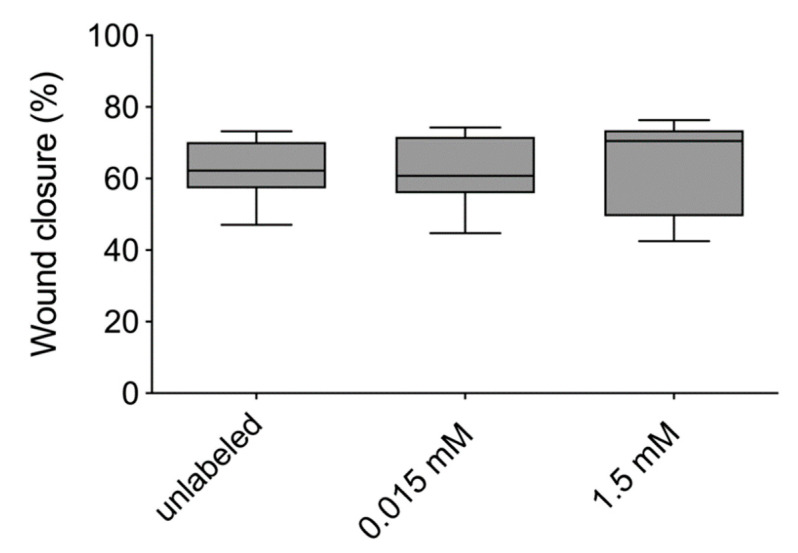
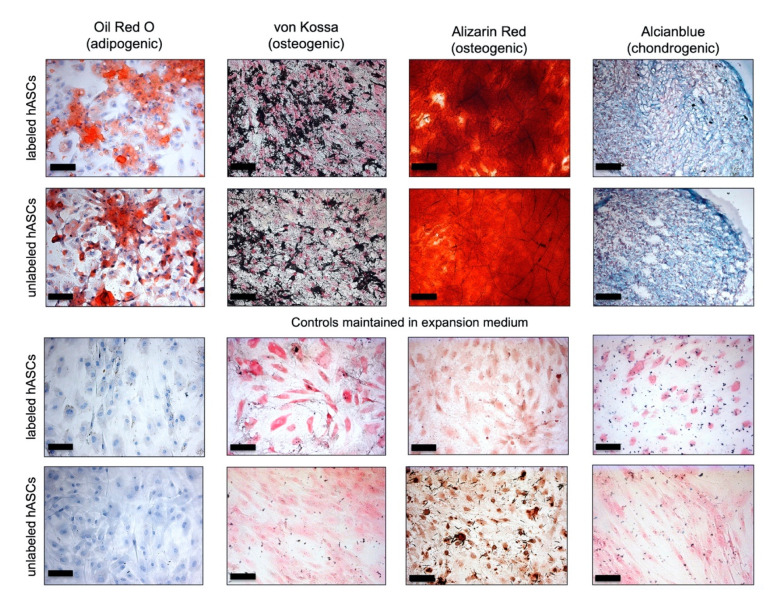
Adipose tissue-derived stromal cells (ASCs) represent a capable source for cell-based therapeutic approaches. For monitoring a cell-based application in vivo, magnetic resonance imaging (MRI) of cells labeled with iron oxide particles is a common method. It is the aim of the present study to analyze potential DNA damage, cytotoxicity and impairment of functional properties of human (h)ASCs after labeling with citrate-coated very small superparamagnetic iron oxide particles (VSOPs). Cytotoxic as well as genotoxic effects of the labeling procedure were measured in labeled and unlabeled hASCs using the MTT assay, comet assay and chromosomal aberration test. Trilineage differentiation was performed to evaluate an impairment of the differentiation potential due to the particles. Proliferation as well as migration capability were analyzed after the labeling procedure. Furthermore, the labeling of the hASCs was confirmed by Prussian blue staining, transmission electron microscopy (TEM) and high-resolution MRI. Below the concentration of 0.6 mM, which was used for the procedure, no evidence of genotoxic effects was found. At 0.6 mM, 1 mM as well as 1.5 mM, an increase in the number of chromosomal aberrations was determined. Cytotoxic effects were not observed at any concentration. Proliferation, migration capability and differentiation potential were also not affected by the procedure. Labeling with VSOPs is a useful labeling method for hASCs that does not affect their proliferation, migration and differentiation potential. Despite the absence of cytotoxicity, however, indications of genotoxic effects have been demonstrated.
脂肪组织来源的基质细胞(ASCs)是基于细胞的治疗方法的一个可行来源。为了监测体内基于细胞的应用,对用氧化铁颗粒标记的细胞进行磁共振成像(MRI)是一种常用方法。本研究的目的是分析用柠檬酸盐包被的超小超顺磁性氧化铁颗粒(VSOPs)标记后人(h)ASCs的潜在DNA损伤、细胞毒性和功能特性损害。使用MTT法、彗星试验和染色体畸变试验在标记和未标记的hASCs中测量标记过程的细胞毒性和遗传毒性作用。进行三系分化以评估颗粒对分化潜能的损害。在标记过程后分析增殖和迁移能力。此外,通过普鲁士蓝染色、透射电子显微镜(TEM)和高分辨率MRI确认hASCs的标记。在用于该过程的0.6 mM浓度以下,未发现遗传毒性作用的证据。在0.6 mM、1 mM和1.5 mM时,确定染色体畸变数量增加。在任何浓度下均未观察到细胞毒性作用。增殖、迁移能力和分化潜能也不受该过程的影响。用VSOPs标记是一种对hASCs有用的标记方法,不会影响其增殖、迁移和分化潜能。然而,尽管没有细胞毒性,但已证明存在遗传毒性作用的迹象。