Department of Interventional and Vascular Surgery, Changzhou No. 2 People's Hospital, Changzhou, China.
Department of Nuclear Medicine, Shanghai Tenth People's Hospital, Tongji University, Shanghai, China.
Cell Prolif. 2021 Mar;54(3):e12986. doi: 10.1111/cpr.12986. Epub 2021 Jan 11.
Mitophagy is considered to be a key mechanism in the pathogenesis of intestinal ischaemic reperfusion (IR) injury. NOD-like receptor X1 (NLRX1) is located in the mitochondria and is highly expressed in the intestine, and is known to modulate ROS production, mitochondrial damage, autophagy and apoptosis. However, the function of NLRX1 in intestinal IR injury is unclear.
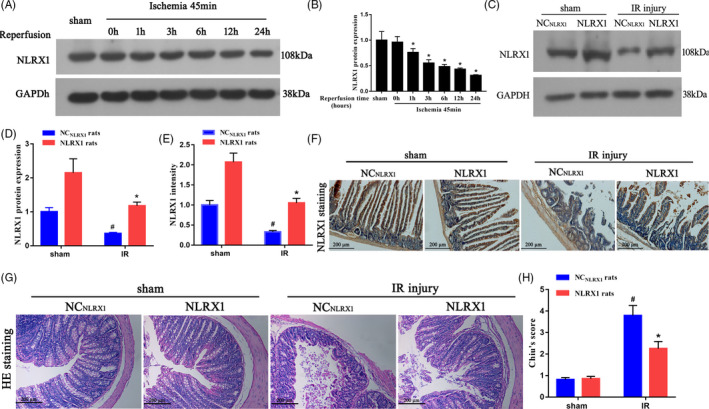
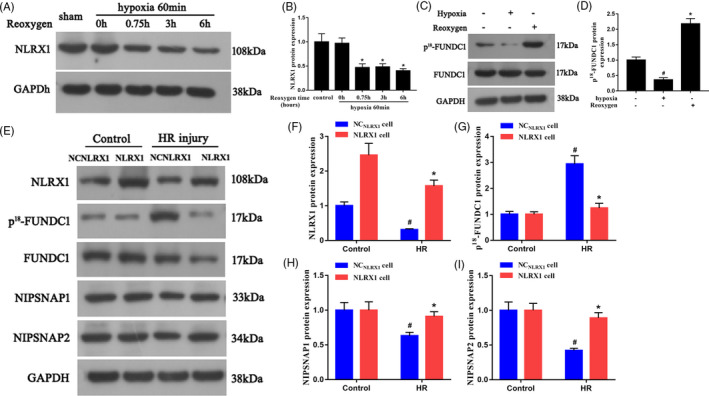
NLRX1 in rats with IR injury or in IEC-6 cells with hypoxia reoxygenation (HR) injury were measured by Western blotting, real-time PCR and immunohistochemistry. The function of NLRX1-FUNDC1-NIPSNAP1/NIPSNAP2 axis in mitochondrial homeostasis and cell apoptosis were assessed in vitro.
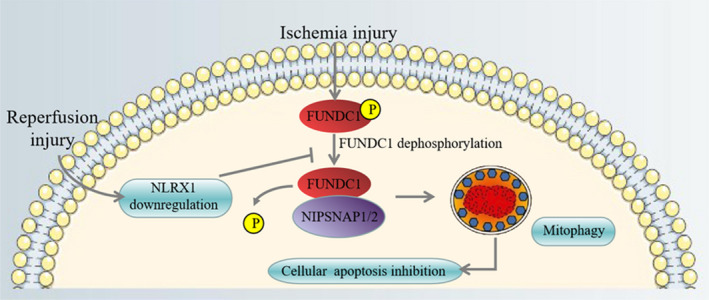
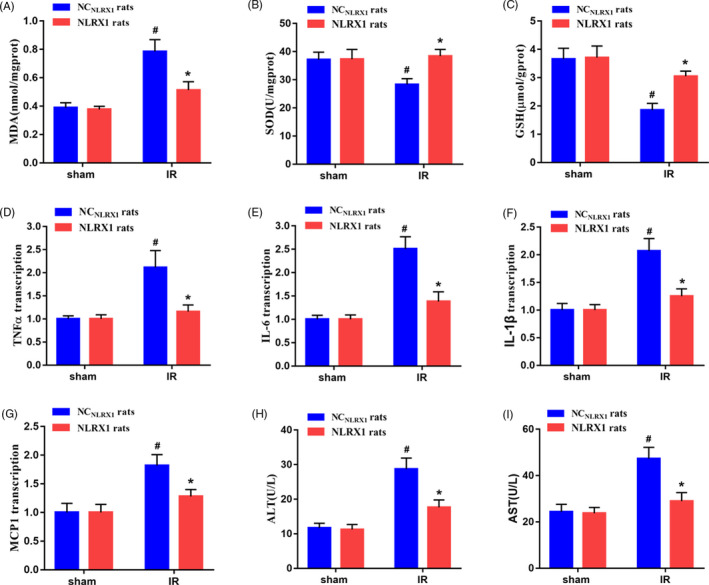
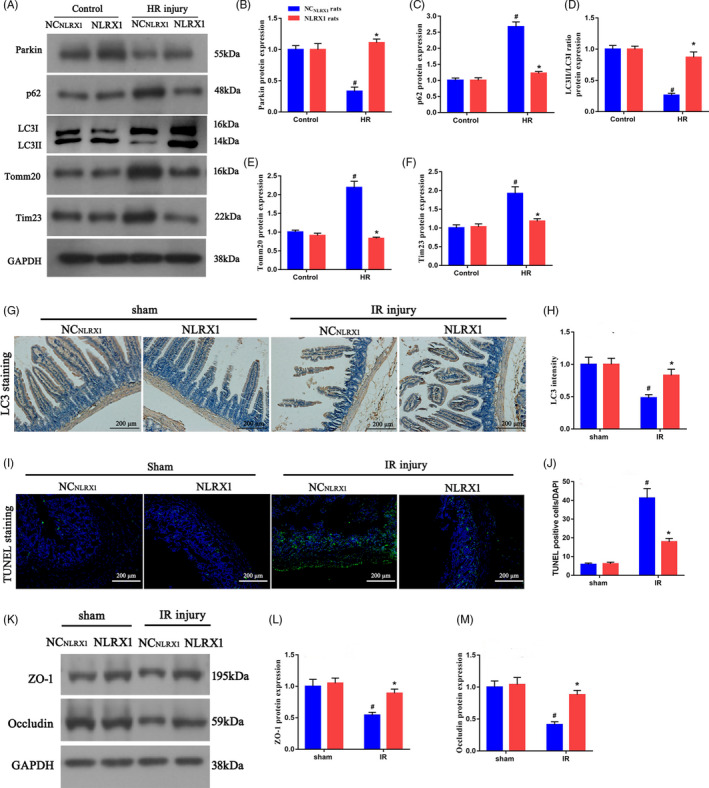
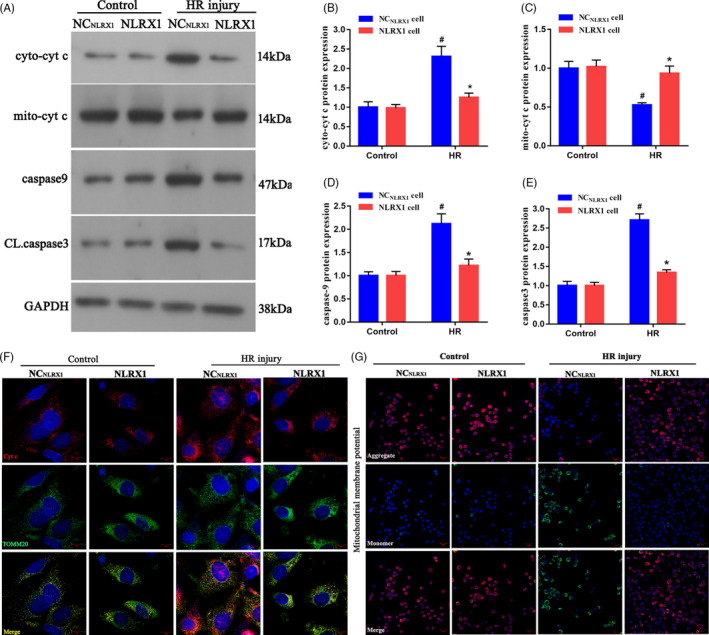
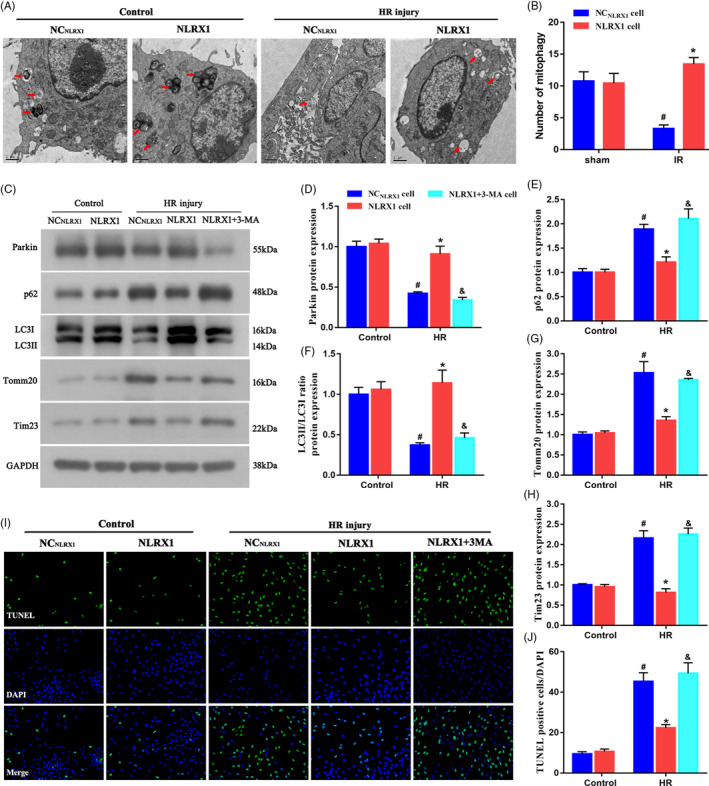
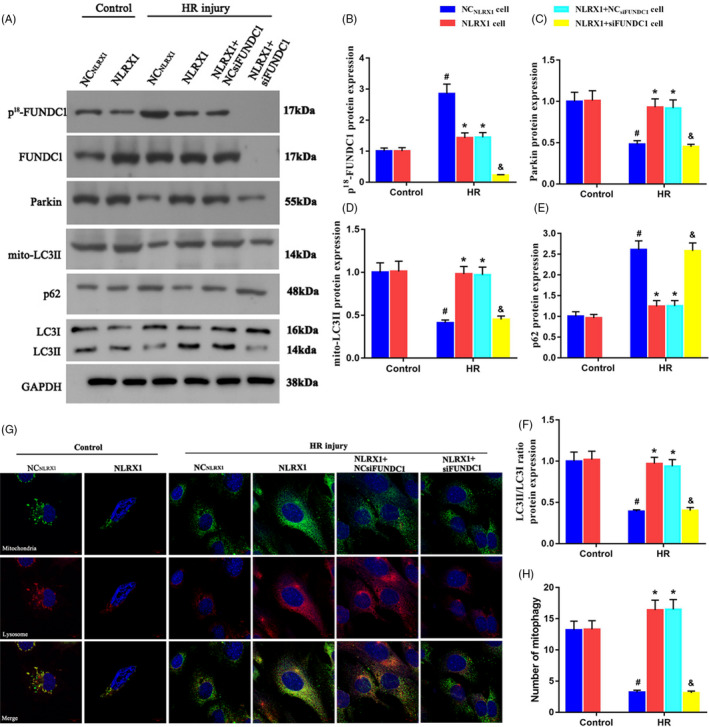
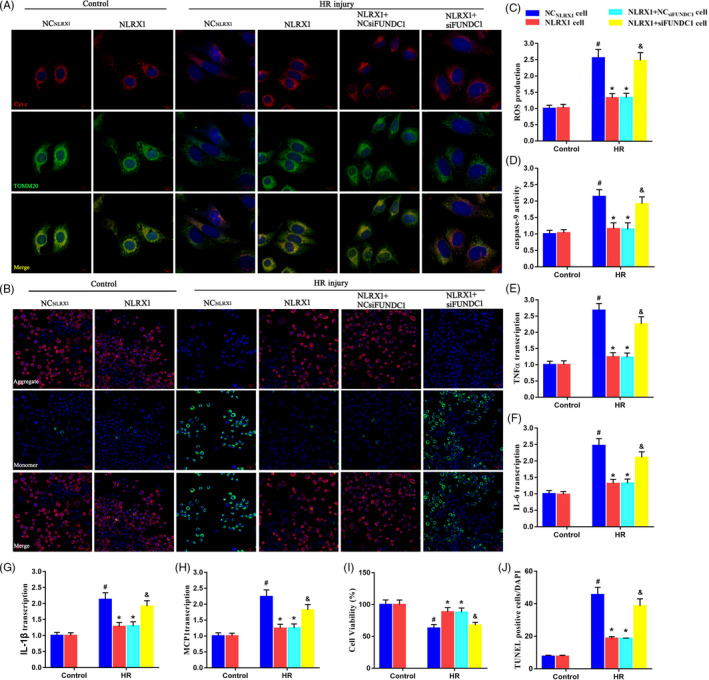
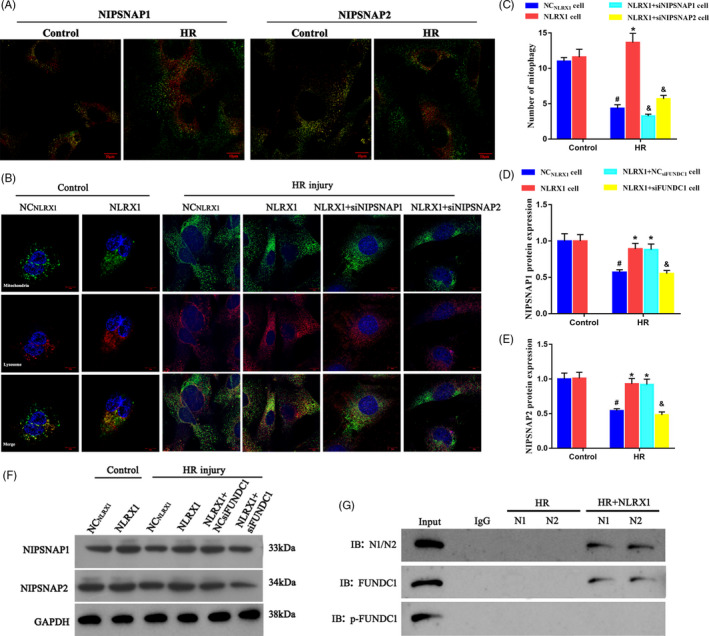
NLRX1 is significantly downregulated following intestinal IR injury. In vivo studies showed that rats overexpressing NLRX1 exhibited resistance against intestinal IR injury and mitochondrial dysfunction. These beneficial effects of NLRX1 overexpression were dependent on mitophagy activation. Functional studies showed that HR injury reduced NLRX1 expression, which promoted phosphorylation of FUN14 domain-containing 1 (FUNDC1). Based on immunoprecipitation studies, it was evident that phosphorylated FUNDC1 could not interact with the mitophagy signalling proteins NIPSNAP1 and NIPSNAP2 on the outer membrane of damaged mitochondria, which failed to launch the mitophagy process, resulting in the accumulation of damaged mitochondria and epithelial apoptosis.
NLRX1 regulates mitophagy via FUNDC1-NIPSNAP1/NIPSNAP2 signalling pathway. Thus, this study provides a potential target for the development of a therapeutic strategy for intestinal IR injury.
自噬被认为是肠道缺血再灌注(IR)损伤发病机制中的关键机制。核苷酸结合寡聚结构域样受体 X1(NLRX1)位于线粒体中,在肠道中高度表达,已知其可调节 ROS 产生、线粒体损伤、自噬和细胞凋亡。然而,NLRX1 在肠道 IR 损伤中的作用尚不清楚。
通过 Western blot、实时 PCR 和免疫组织化学检测 IR 损伤大鼠或缺氧复氧(HR)损伤的 IEC-6 细胞中的 NLRX1。在体外评估 NLRX1-FUNDC1-NIPSNAP1/NIPSNAP2 轴在线粒体稳态和细胞凋亡中的功能。
肠道 IR 损伤后 NLRX1 明显下调。体内研究表明,过表达 NLRX1 的大鼠对肠道 IR 损伤和线粒体功能障碍具有抗性。NLRX1 过表达的这些有益作用依赖于自噬激活。功能研究表明,HR 损伤降低了 NLRX1 的表达,促进了 FUN14 结构域包含蛋白 1(FUNDC1)的磷酸化。基于免疫沉淀研究,显然磷酸化的 FUNDC1 不能与受损线粒体外膜上的自噬信号蛋白 NIPSNAP1 和 NIPSNAP2 相互作用,无法启动自噬过程,导致受损线粒体的积累和上皮细胞凋亡。
NLRX1 通过 FUNDC1-NIPSNAP1/NIPSNAP2 信号通路调节自噬。因此,本研究为开发肠道 IR 损伤的治疗策略提供了一个潜在的靶点。