Department of Food Science and Technology, The Ohio State University, Columbus, OH 43210, USA.
Department of Food Science and Technology, University of California Davis, Davis, CA 95616, USA.
Molecules. 2021 Jan 9;26(2):310. doi: 10.3390/molecules26020310.
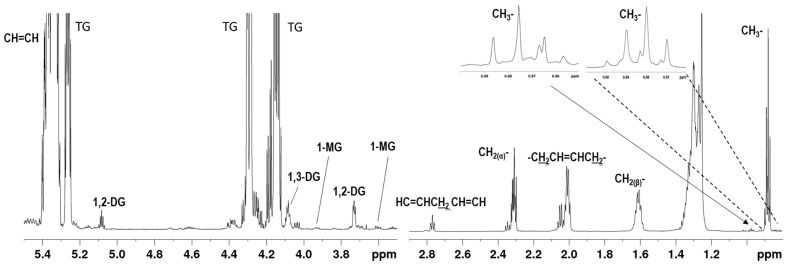
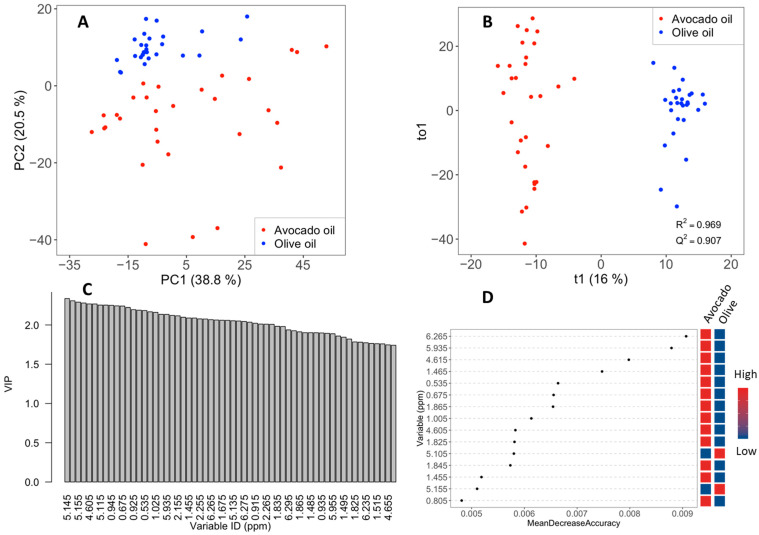
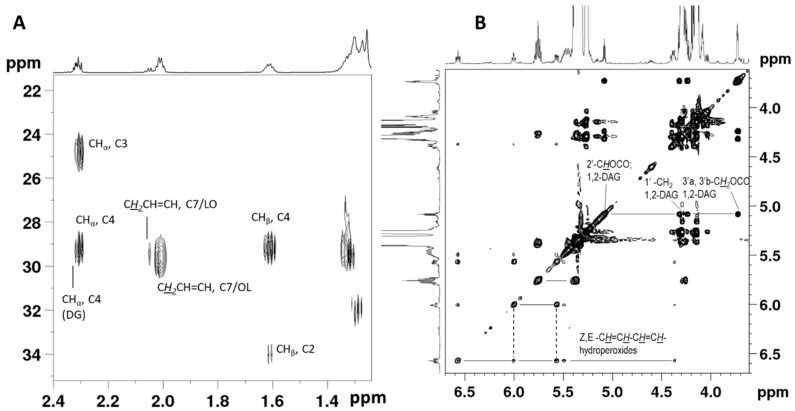
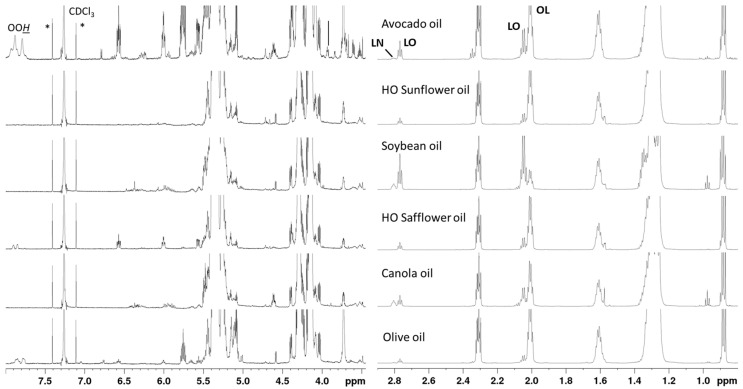
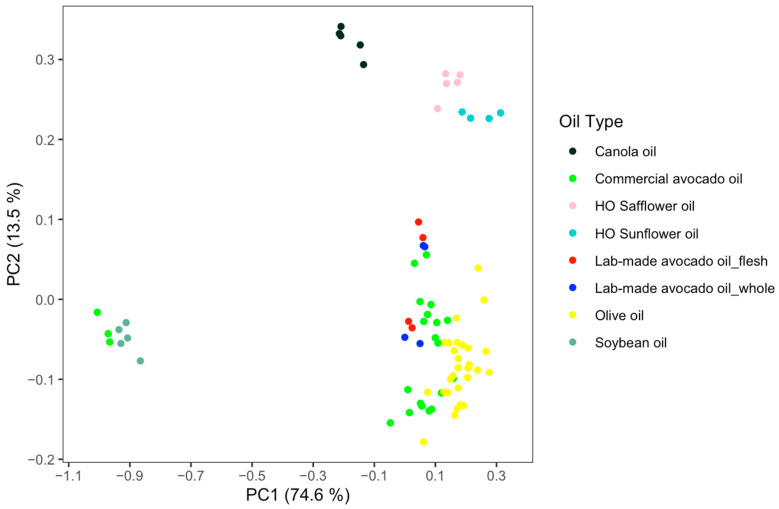
Avocado oil is a food product of high commercial and nutritional value. As a result, it can be a subject of adulteration similar to other high-value edible oils, such as olive oil. For olive oil and many other foods products, NMR spectroscopy has been successfully used for authentication and quality assessment. In this study, we apply NMR analysis to avocado oil to differentiate it from other oils including olive, canola, high-oleic (HO) safflower, HO sunflower and soybean oil using commercial and lab-made samples of avocado oils. NMR allowed the rapid analysis of the fatty acid profile and detection of minor compounds, such as sterols, oxidation products, and hydrolysis products, which can be used to assess oil quality and authenticity. The NMR assignment was conducted using traditional 2D NMR and the novel NOAH super-sequences. Combining chemometrics with NMR enabled us to differentiate between avocado oil and other oils. Avocado oil has compositional similarities with other vegetable oils, such as HO sunflower and HO safflower oil, which can be used as potential adulterants. Despite these similarities, NMR-based metabolomics captured differences in the levels of certain compounds including fatty acids, terpenes, sterols, and oxidation products to detect adulteration and for quality control purposes.
鳄梨油是一种具有高商业和营养价值的食品。因此,它可能像其他高价值食用油(如橄榄油)一样成为掺假的对象。对于橄榄油和许多其他食品产品,NMR 光谱已成功用于鉴定和质量评估。在这项研究中,我们应用 NMR 分析来区分鳄梨油与其他油,包括橄榄油、菜籽油、高油酸(HO)红花油、HO 葵花籽油和大豆油,使用商业和实验室制造的鳄梨油样品。NMR 允许快速分析脂肪酸谱并检测甾醇、氧化产物和水解产物等微量化合物,这些化合物可用于评估油的质量和真实性。NMR 分配使用传统的 2D NMR 和新型的 NOAH 超序列进行。将化学计量学与 NMR 相结合,使我们能够区分鳄梨油和其他油。鳄梨油与其他植物油(如 HO 葵花籽油和 HO 红花油)具有相似的组成,可能被用作潜在的掺杂物。尽管存在这些相似之处,但基于 NMR 的代谢组学可以捕捉到某些化合物(包括脂肪酸、萜烯、甾醇和氧化产物)水平的差异,以检测掺假和进行质量控制。