Shi Yanan, Zhu Jingjing, Xu Yan, Tang Xiaozhao, Yang Zushun, Huang Aixiang
College of Food Science and Technology, Yunnan Agricultural University, Kunming, 650201, Yunnan, China.
Yunnan Center for Disease Control and Prevention, Kunming, 650201, Yunnan, China.
Proteome Sci. 2021 Jan 12;19(1):1. doi: 10.1186/s12953-020-00169-1.
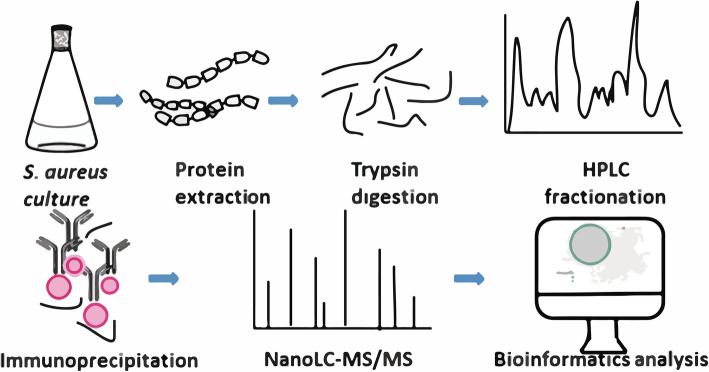
Protein lysine malonylation, a novel post-translational modification (PTM), has been recently linked with energy metabolism in bacteria. Staphylococcus aureus is the third most important foodborne pathogen worldwide. Nonetheless, substrates and biological roles of malonylation are still poorly understood in this pathogen.
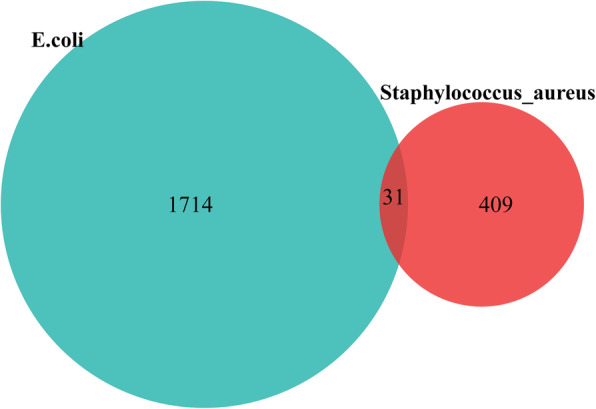
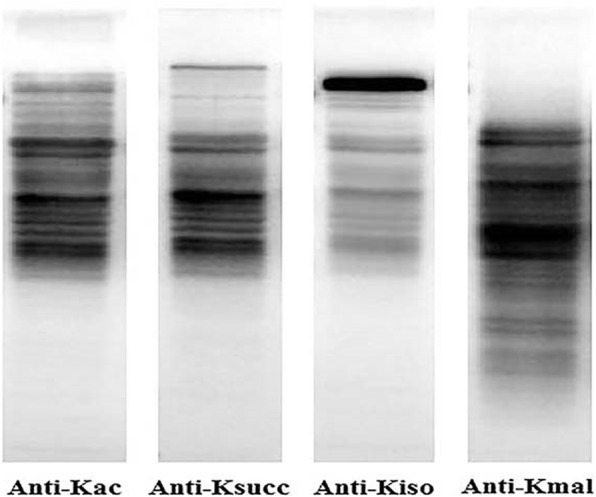
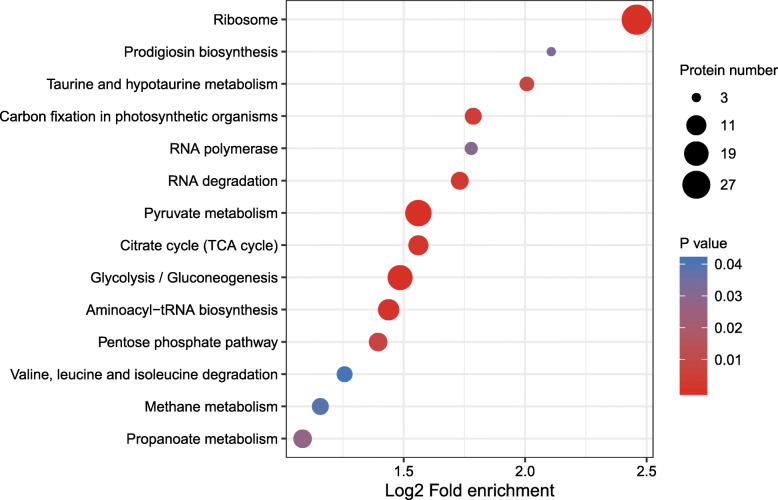
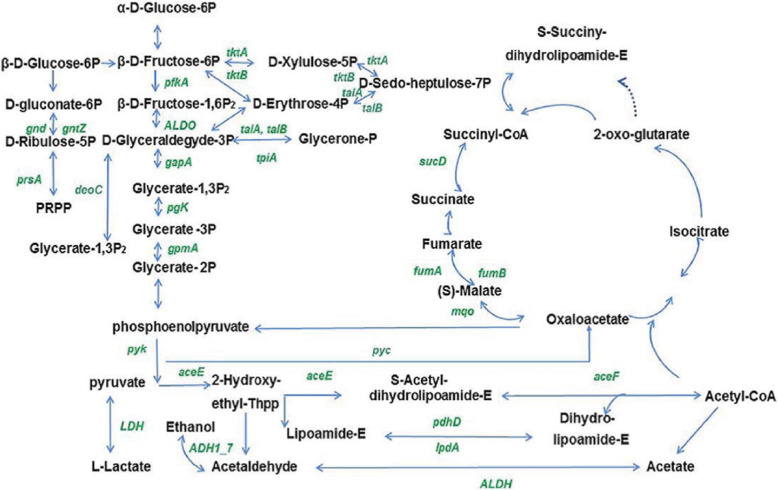
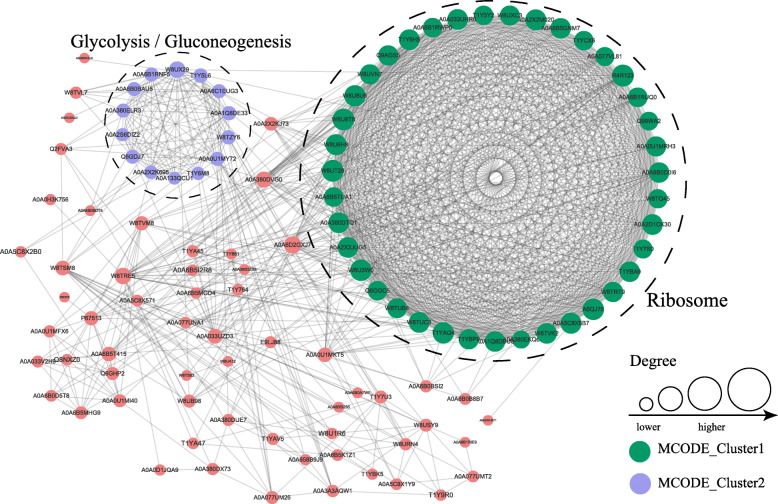
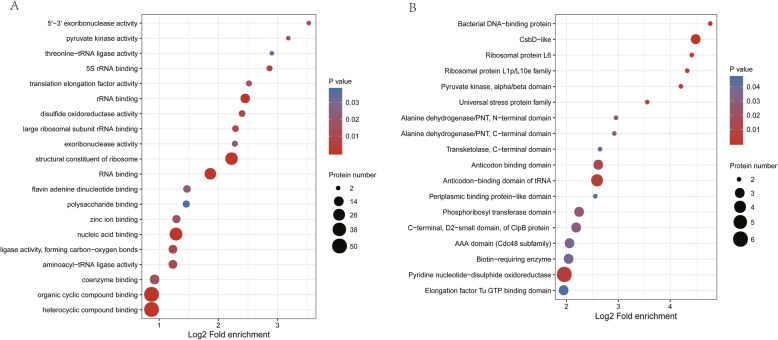
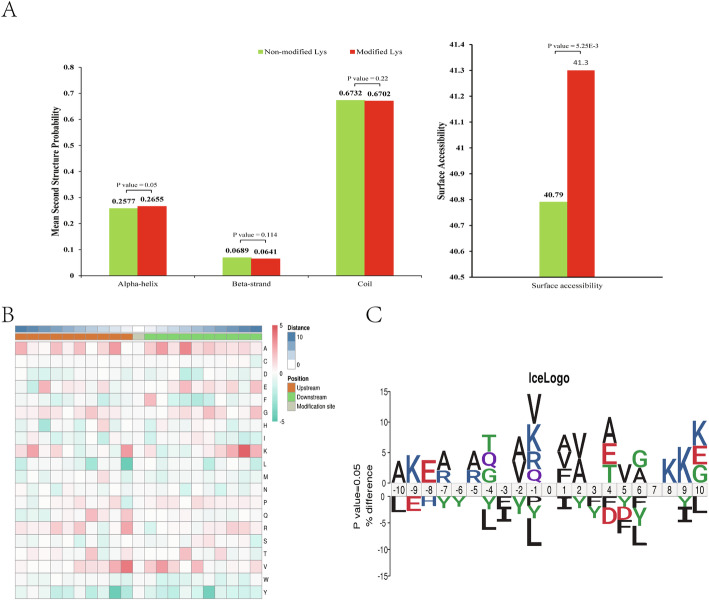
Using anti-malonyl-lysine antibody enrichment and high-resolution LC-MS/MS analysis, 440 lysine-malonylated sites were identified in 281 proteins of S. aureus strain. The frequency of valine in position - 1 and alanine at + 2 and + 4 positions was high. KEGG pathway analysis showed that six categories were highly enriched, including ribosome, glycolysis/gluconeogenesis, pentose phosphate pathway (PPP), tricarboxylic acid cycle (TCA), valine, leucine, isoleucine degradation, and aminoacyl-tRNA biosynthesis. In total, 31 malonylated sites in S. aureus shared homology with lysine-malonylated sites previously identified in E. coli, indicating malonylated proteins are highly conserved among bacteria. Key rate-limiting enzymes in central carbon metabolic pathways were also found to be malonylated in S. aureus, namely pyruvate kinase (PYK), 6-phosphofructokinase, phosphoglycerate kinase, dihydrolipoyl dehydrogenase, and F1F0-ATP synthase. Notably, malonylation sites were found at or near protein active sites, including KH domain protein, thioredoxin, alanine dehydrogenase (ALD), dihydrolipoyl dehydrogenase (LpdA), pyruvate oxidase CidC, and catabolite control protein A (CcpA), thus suggesting that lysine malonylation may affect the activity of such enzymes.
Data presented herein expand the current knowledge on lysine malonylation in prokaryotes and indicate the potential roles of protein malonylation in bacterial physiology and metabolism.
蛋白质赖氨酸丙二酰化是一种新型的翻译后修饰(PTM),最近已被证明与细菌的能量代谢有关。金黄色葡萄球菌是全球第三重要的食源性病原体。然而,在这种病原体中,丙二酰化的底物和生物学作用仍知之甚少。
使用抗丙二酰赖氨酸抗体富集和高分辨率液相色谱-串联质谱(LC-MS/MS)分析,在金黄色葡萄球菌菌株的281种蛋白质中鉴定出440个赖氨酸丙二酰化位点。-1位的缬氨酸以及+2和+4位的丙氨酸出现频率较高。京都基因与基因组百科全书(KEGG)通路分析表明,有六个类别高度富集,包括核糖体、糖酵解/糖异生、磷酸戊糖途径(PPP)、三羧酸循环(TCA)、缬氨酸、亮氨酸、异亮氨酸降解以及氨酰-tRNA生物合成。总共,金黄色葡萄球菌中的31个丙二酰化位点与先前在大肠杆菌中鉴定出的赖氨酸丙二酰化位点具有同源性,这表明丙二酰化蛋白质在细菌中高度保守。还发现参与中心碳代谢途径的关键限速酶在金黄色葡萄球菌中被丙二酰化,即丙酮酸激酶(PYK)、6-磷酸果糖激酶、磷酸甘油酸激酶、二氢硫辛酰胺脱氢酶和F1F0-ATP合酶。值得注意的是,在蛋白质活性位点或其附近发现了丙二酰化位点,包括KH结构域蛋白、硫氧还蛋白、丙氨酸脱氢酶(ALD)、二氢硫辛酰胺脱氢酶(LpdA)、丙酮酸氧化酶CidC和分解代谢物控制蛋白A(CcpA),因此表明赖氨酸丙二酰化可能会影响这些酶的活性。
本文提供的数据扩展了目前关于原核生物中赖氨酸丙二酰化的知识,并表明蛋白质丙二酰化在细菌生理学和代谢中的潜在作用。