Biosciences, College of Life and Environmental Sciences, University of Exeter, Exeter, United Kingdom.
BioEconomy Centre, The Henry Wellcome Building for BioCatalysis, Biosciences, Exeter, United Kingdom.
PLoS Pathog. 2021 Jan 13;17(1):e1009194. doi: 10.1371/journal.ppat.1009194. eCollection 2021 Jan.
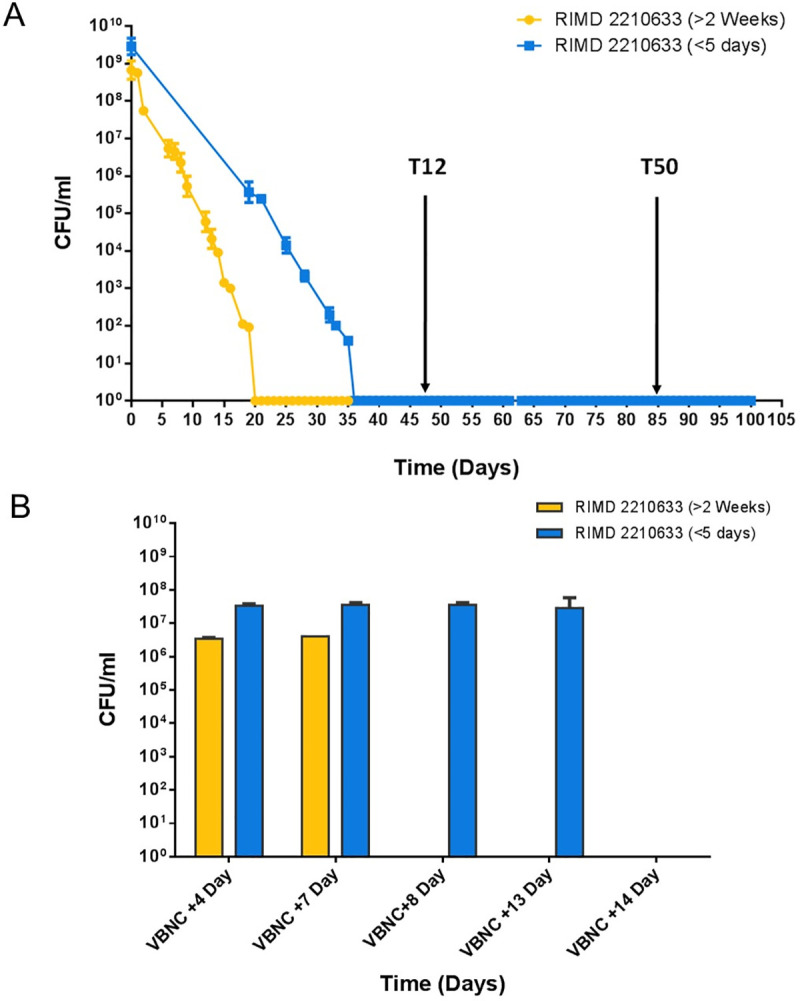
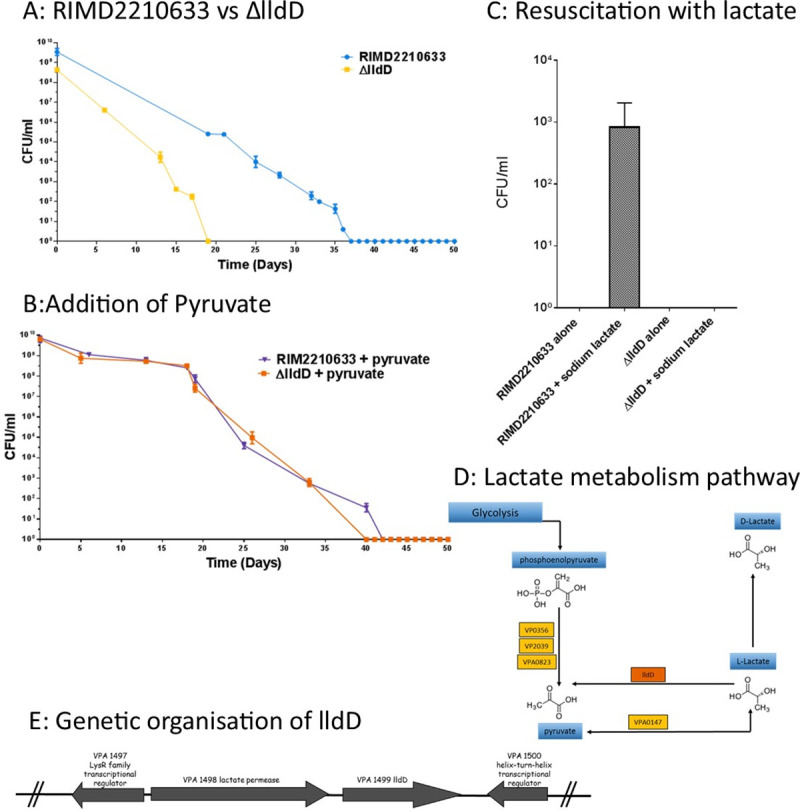
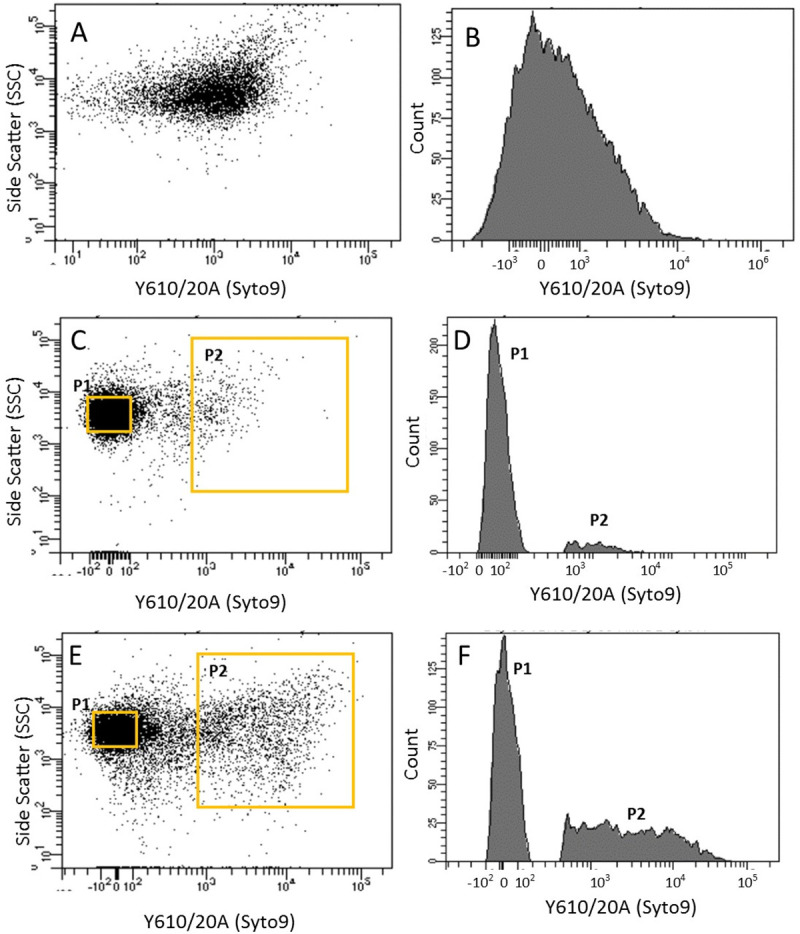
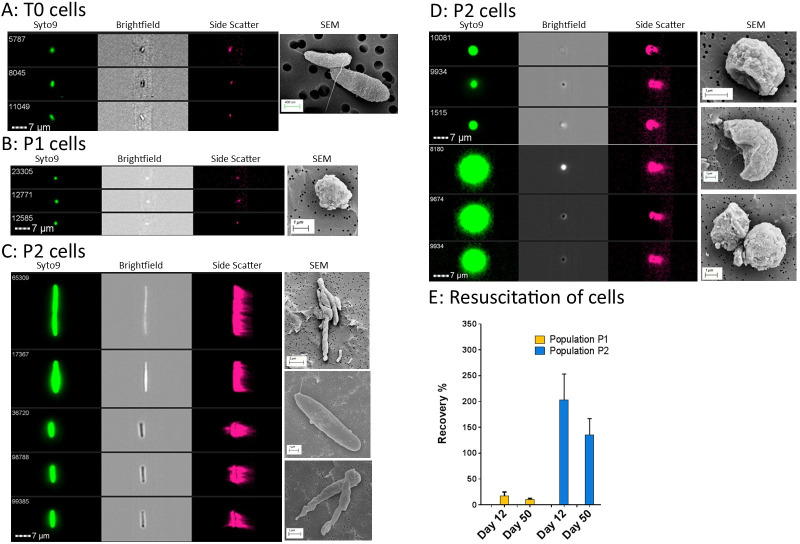
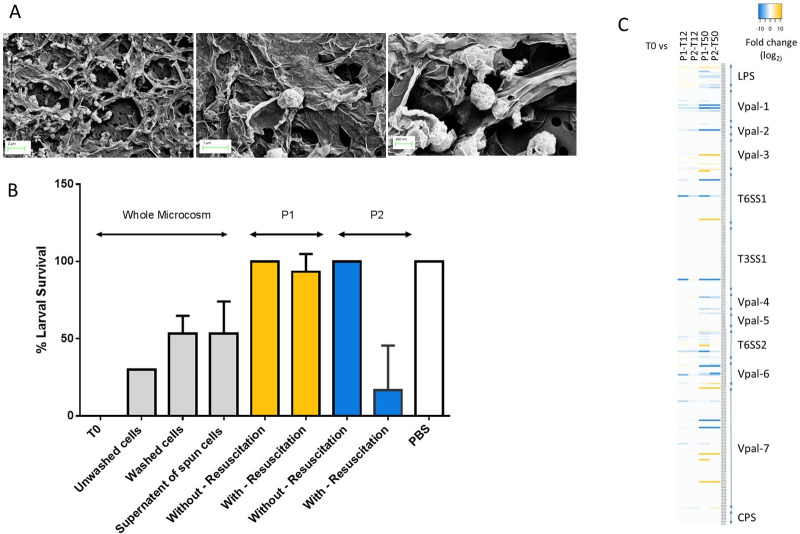
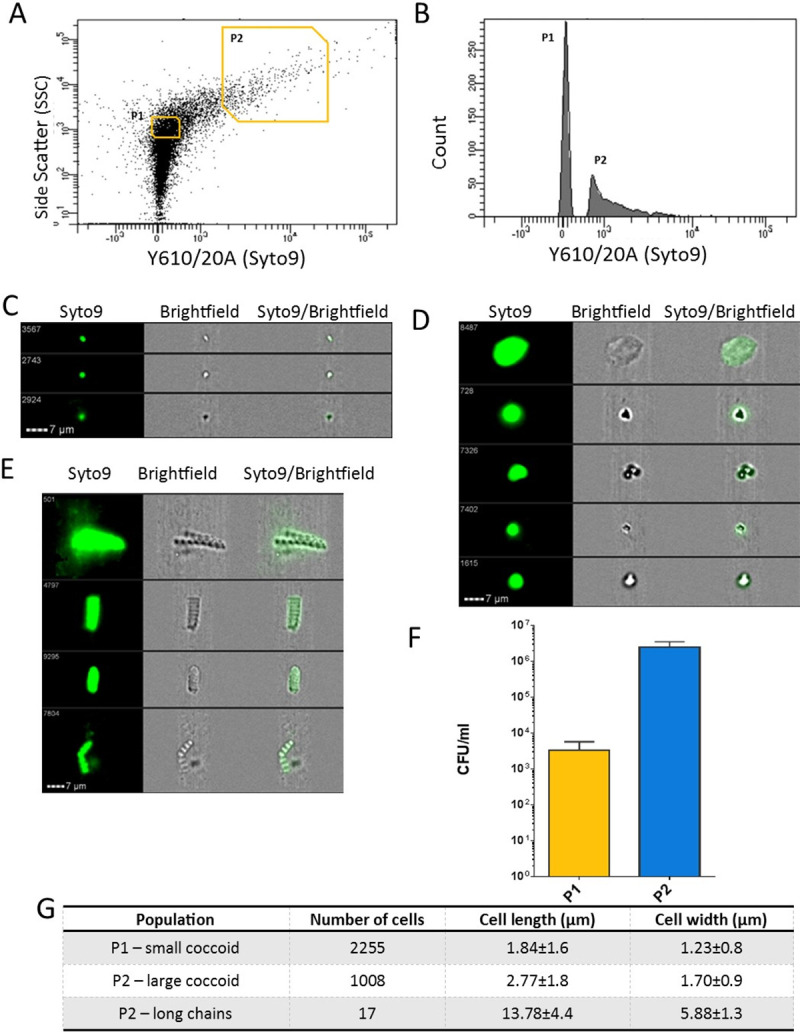
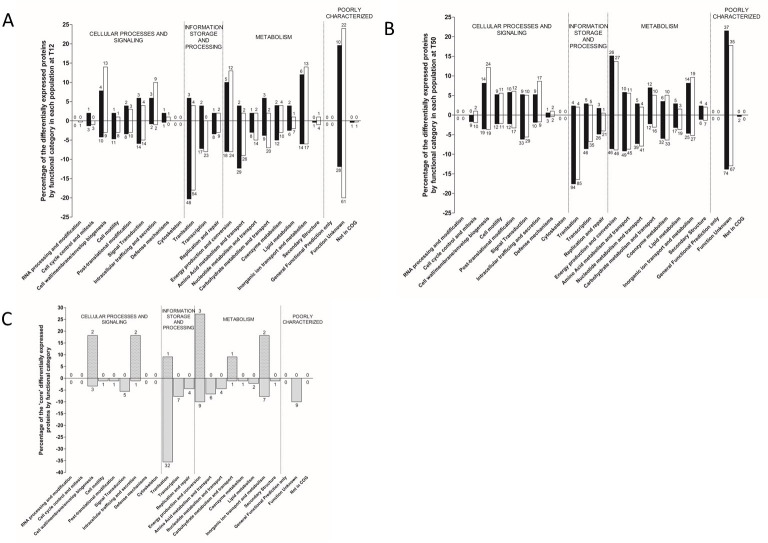
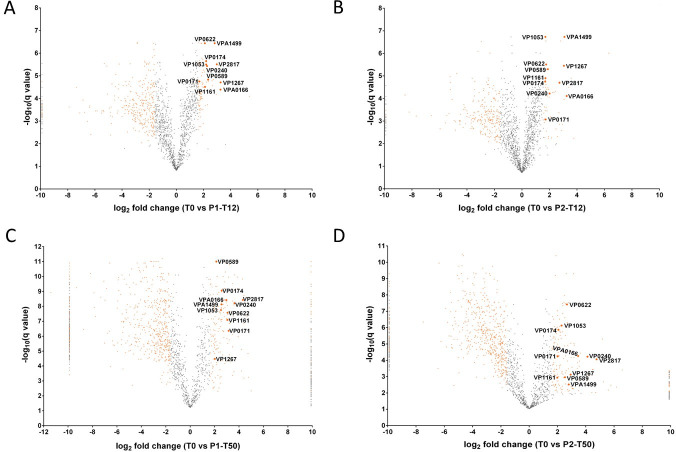
The viable but non culturable (VBNC) state is a condition in which bacterial cells are viable and metabolically active, but resistant to cultivation using a routine growth medium. We investigated the ability of V. parahaemolyticus to form VBNC cells, and to subsequently become resuscitated. The ability to control VBNC cell formation in the laboratory allowed us to selectively isolate VBNC cells using fluorescence activated cell sorting, and to differentiate subpopulations based on their metabolic activity, cell shape and the ability to cause disease in Galleria mellonella. Our results showed that two subpopulations (P1 and P2) of V. parahaemolyticus VBNC cells exist and can remain dormant in the VBNC state for long periods. VBNC subpopulation P2, had a better fitness for survival under stressful conditions and showed 100% revival under favourable conditions. Proteomic analysis of these subpopulations (at two different time points: 12 days (T12) and 50 days (T50) post VBNC) revealed that the proteome of P2 was more similar to that of the starting microcosm culture (T0) than the proteome of P1. Proteins that were significantly up or down-regulated between the different VBNC populations were identified and differentially regulated proteins were assigned into 23 functional groups, the majority being assigned to metabolism functional categories. A lactate dehydrogenase (lldD) protein, responsible for converting lactate to pyruvate, was significantly upregulated in all subpopulations of VBNC cells. Deletion of the lactate dehydrogenase (RIMD2210633:ΔlldD) gene caused cells to enter the VBNC state significantly more quickly compared to the wild-type, and adding lactate to VBNC cells aided their resuscitation and extended the resuscitation window. Addition of pyruvate to the RIMD2210633:ΔlldD strain restored the wild-type VBNC formation profile. This study suggests that lactate dehydrogenase may play a role in regulating the VBNC state.
活的但非可培养状态(VBNC)是指细菌细胞具有活力和代谢活性,但对使用常规生长培养基进行培养具有抗性的状态。我们研究了副溶血性弧菌形成 VBNC 细胞的能力,以及随后复苏的能力。在实验室中控制 VBNC 细胞形成的能力使我们能够使用荧光激活细胞分选选择性地分离 VBNC 细胞,并根据其代谢活性、细胞形状和在大蜡螟中引起疾病的能力对亚群进行区分。我们的结果表明,副溶血性弧菌 VBNC 细胞存在两个亚群(P1 和 P2),可以在 VBNC 状态下长期休眠。VBNC 亚群 P2 在应激条件下具有更好的生存适应性,在有利条件下可 100%复苏。对这些亚群的蛋白质组学分析(在 VBNC 后 12 天(T12)和 50 天(T50)的两个不同时间点)表明,P2 的蛋白质组与起始微宇宙培养物(T0)更相似,而不是 P1 的蛋白质组。在不同的 VBNC 群体之间显著上调或下调的蛋白质被鉴定出来,差异调节蛋白被分配到 23 个功能组,其中大多数被分配到代谢功能类别。一种负责将乳酸转化为丙酮酸的乳酸脱氢酶(lldD)蛋白在 VBNC 细胞的所有亚群中均显著上调。与野生型相比,缺失乳酸脱氢酶(RIMD2210633:ΔlldD)基因的细胞更快地进入 VBNC 状态,并且向 VBNC 细胞添加乳酸有助于它们的复苏并延长复苏窗口。向 RIMD2210633:ΔlldD 菌株中添加丙酮酸恢复了野生型 VBNC 形成谱。这项研究表明,乳酸脱氢酶可能在调节 VBNC 状态中发挥作用。