Department of Breast and Thyroid Surgery, The Second Affiliated Hospital of Chongqing Medical University, No.74, Linjiang Rd, Yuzhong Dist, Chongqing, 404100, People's Republic of China.
Department of Pathology, The Second Affiliated Hospital of Chongqing Medical University, No.74, Linjiang Rd, Yuzhong Dist, Chongqing, 404100, People's Republic of China.
BMC Surg. 2021 Jan 13;21(1):36. doi: 10.1186/s12893-020-01042-w.
Horner syndrome (HS), mainly characterized by symptoms including ptosis, miosis, and anhidrosis on the affected face, is a condition that is well documented but rarely reported as a postoperative complication of thyroidectomy, particularly in endoscopic thyroid surgery (ETS). We hereby report a case of HS due to ETS with a brief literature review on this topic.
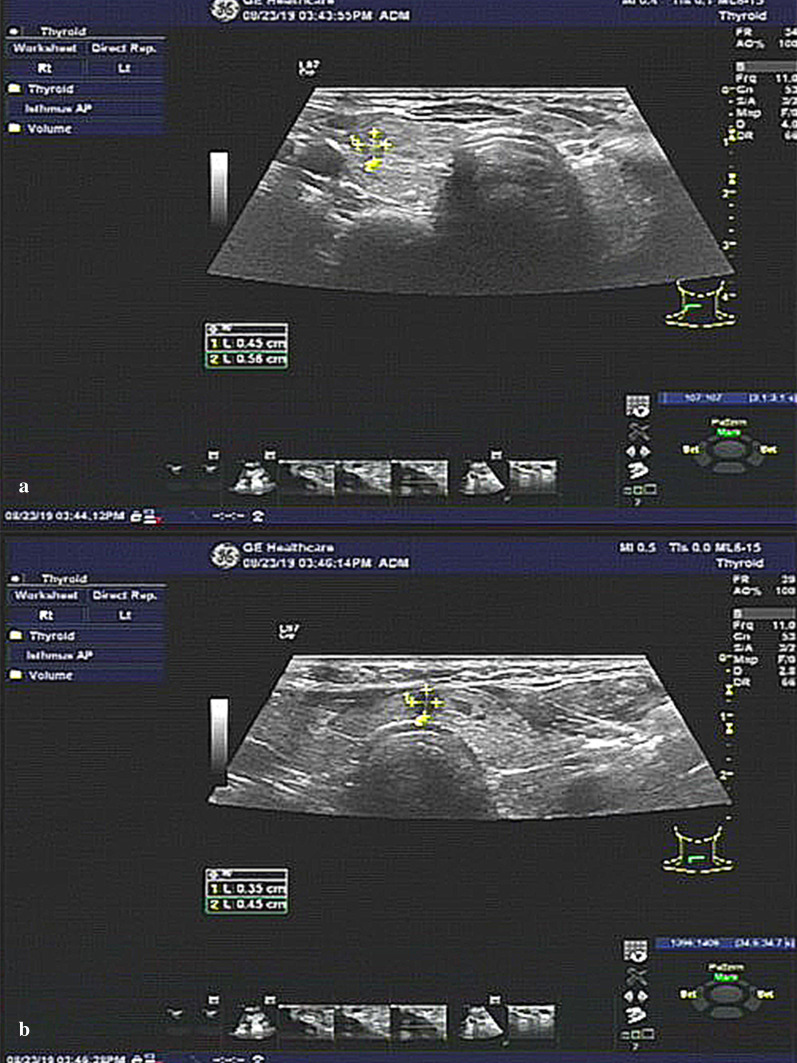
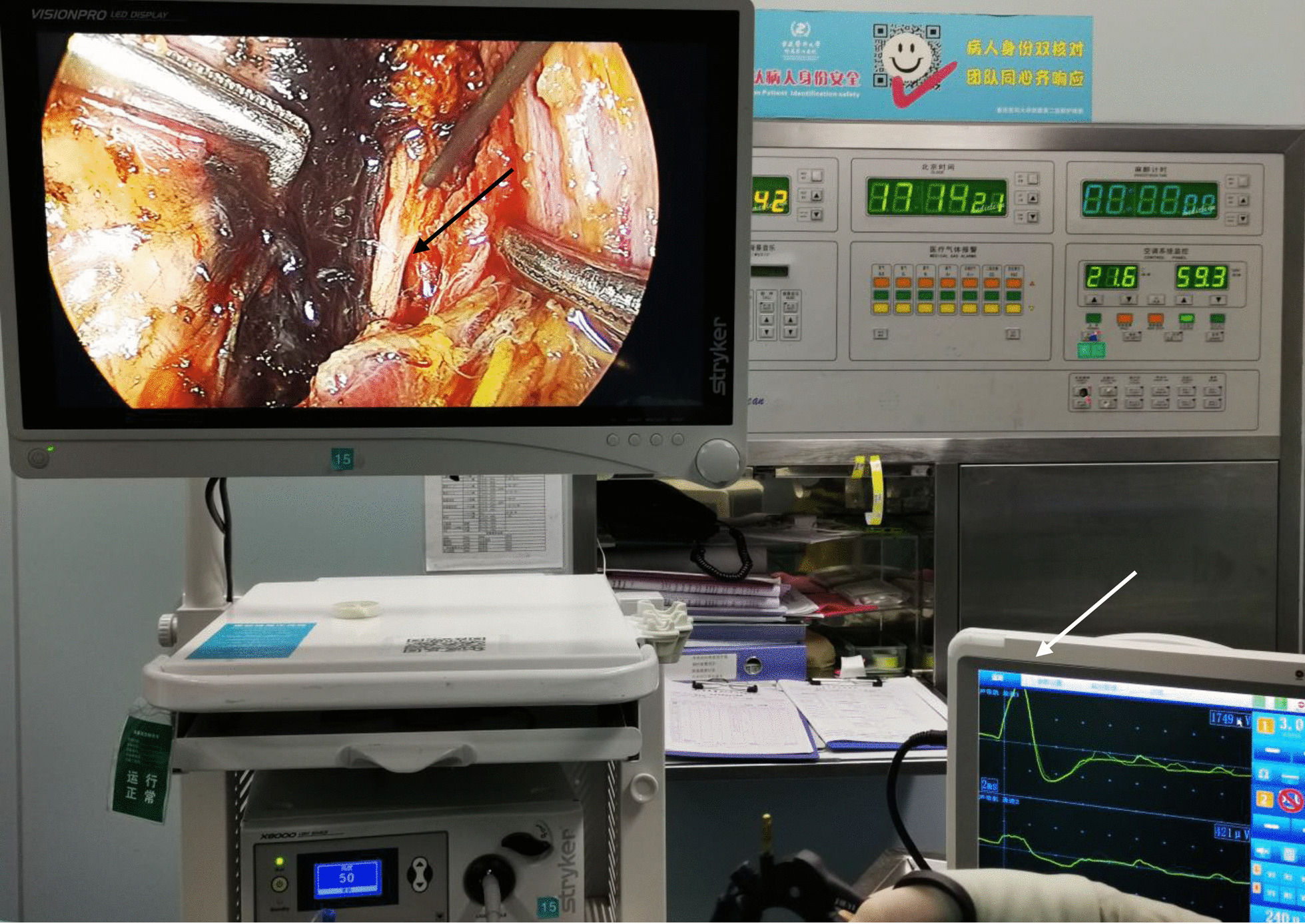
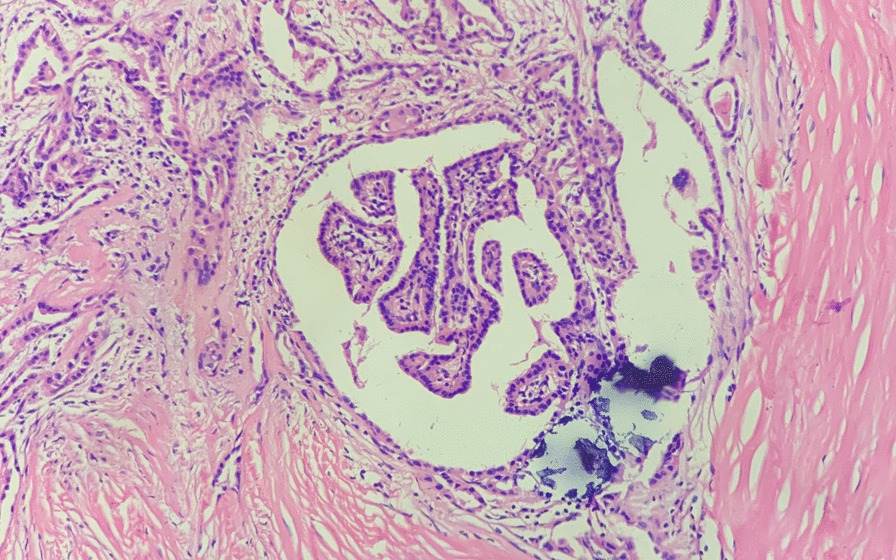
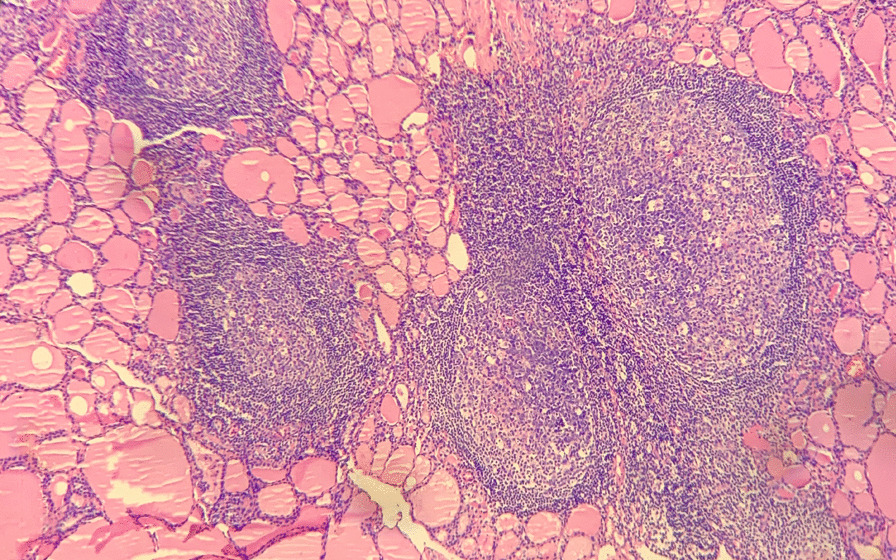
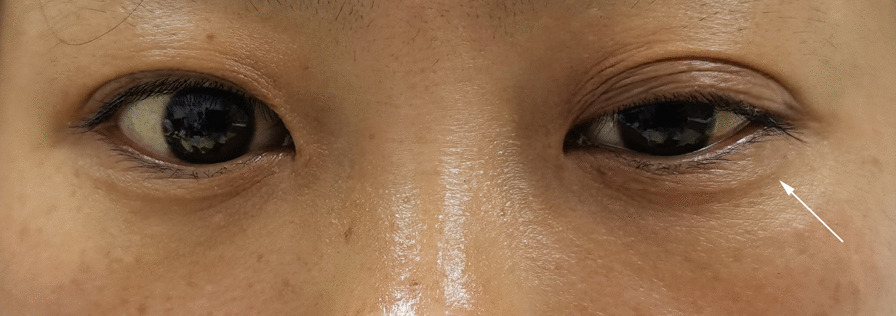
A 31-year-old female was admitted to our hospital with an unexpected physical examination finding of two thyroid nodules that were hypoechoic, had an irregular shape, and exhibited calcification. Subsequently, the results of a fine-needle aspiration (FNA) biopsy from the thyroid nodules and BRAF mutation further confirmed the malignancy of these nodules. Thus, total thyroidectomy combined with central lymph node dissection (CLND) by ETS via the bilateral axillo-breast approach was performed on this patient. Histology confirmed the diagnosis of papillary thyroid microcarcinoma (PTMC) concurrent with Hashimoto's thyroiditis (HT). However, this patient developed HS with ptosis in her left eye on postoperative day 3. All symptoms gradually resolved before the 3-month follow-up.
HS subsequent to ETS is a rare complication. Thus, standardized and appropriate operative procedures, as well as subtle manipulation, are essential in preventing and reducing the occurrence of HS. In addition, the early diagnosis and management of this rare complication are also important for a favorable outcome.
霍纳综合征(HS)主要表现为患侧眼睑下垂、瞳孔缩小和无汗,其在医学文献中记载较多,但作为甲状腺切除术,特别是内镜甲状腺手术(ETS)的术后并发症较为罕见。我们在此报告一例 ETS 术后 HS 病例,并对该主题进行文献复习。
一名 31 岁女性因体检时发现两个甲状腺结节而入院,这两个结节呈低回声,形状不规则,并伴有钙化。随后,甲状腺结节的细针穿刺活检(FNA)和 BRAF 突变结果进一步证实了这些结节的恶性程度。因此,对该患者进行了 ETS 双侧腋窝入路全甲状腺切除术和中央淋巴结清扫术(CLND)。组织学证实了甲状腺微小乳头状癌(PTMC)合并桥本甲状腺炎(HT)的诊断。然而,该患者在术后第 3 天出现左侧眼睛上睑下垂的 HS 症状。所有症状在 3 个月随访前逐渐缓解。
ETS 后发生 HS 是一种罕见的并发症。因此,标准化和适当的手术操作以及精细的操作对于预防和减少 HS 的发生至关重要。此外,早期诊断和处理这种罕见的并发症对于获得良好的预后也很重要。