Cancer Biology Graduate Program, Carver College of Medicine, University of Iowa, 285 Newton Rd, 3269C CBRB, Iowa City, IA, 52246, USA.
Medical Scientist Training Program, University of Iowa, Iowa City, IA, USA.
Sci Rep. 2021 Jan 13;11(1):1098. doi: 10.1038/s41598-020-80216-1.
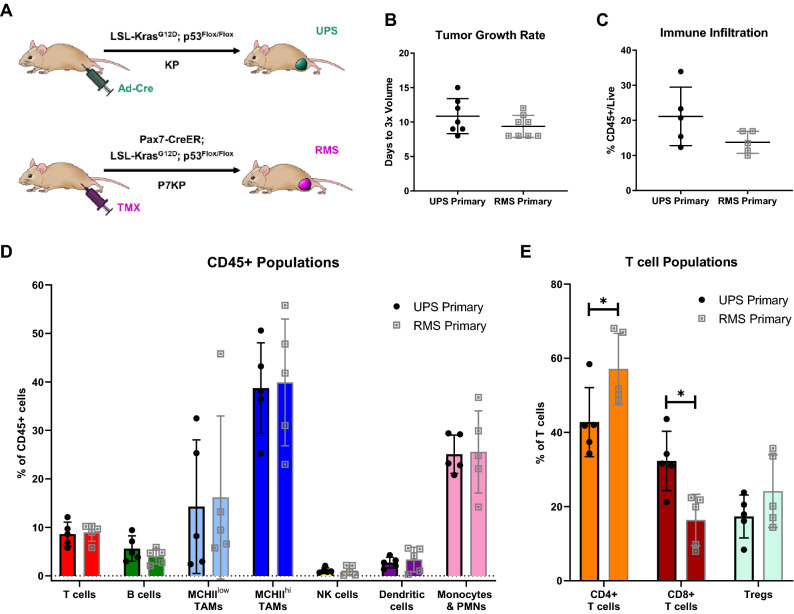
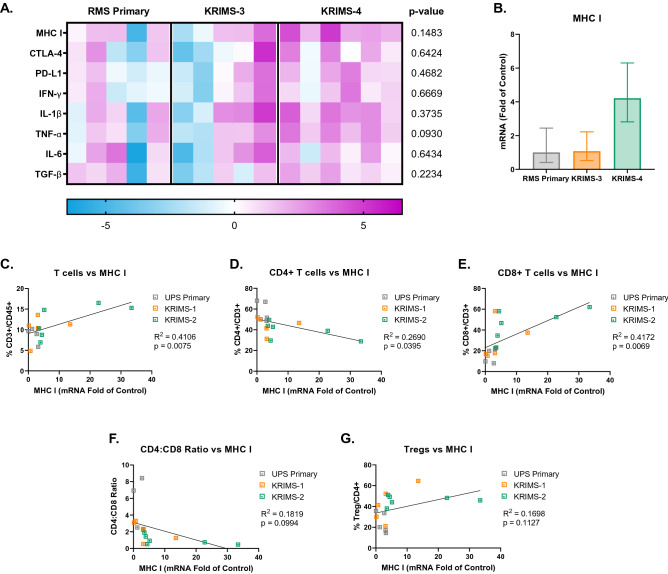
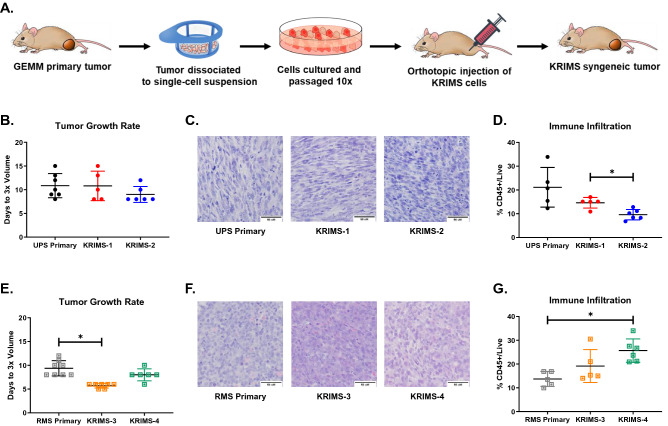
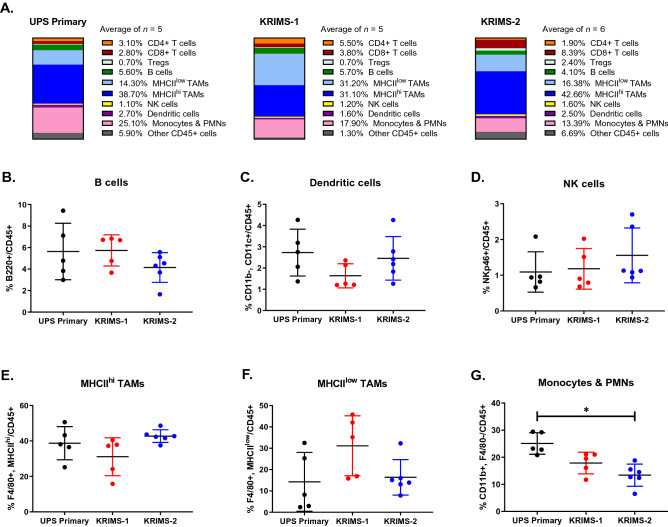
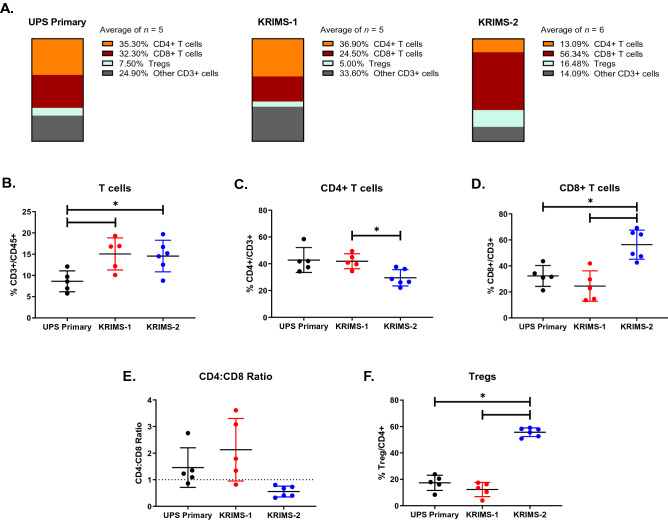
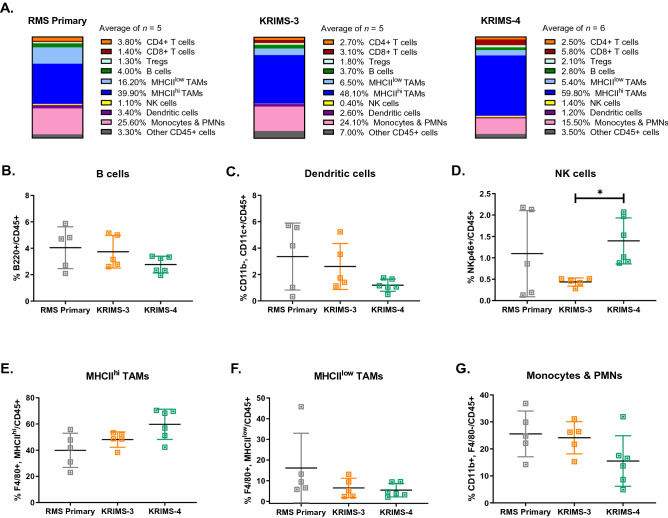
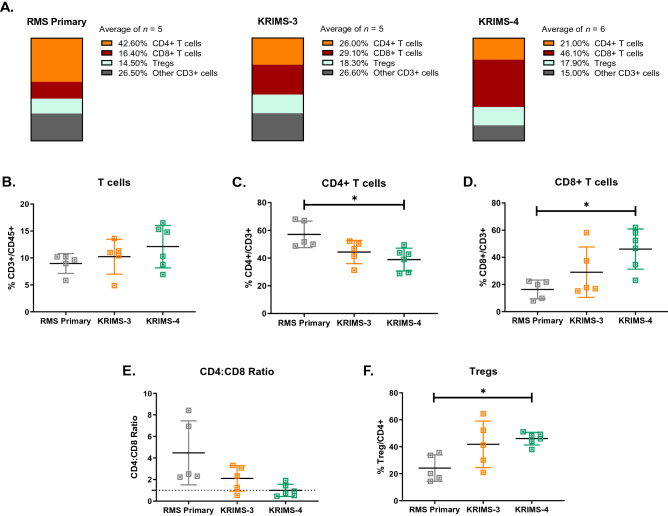
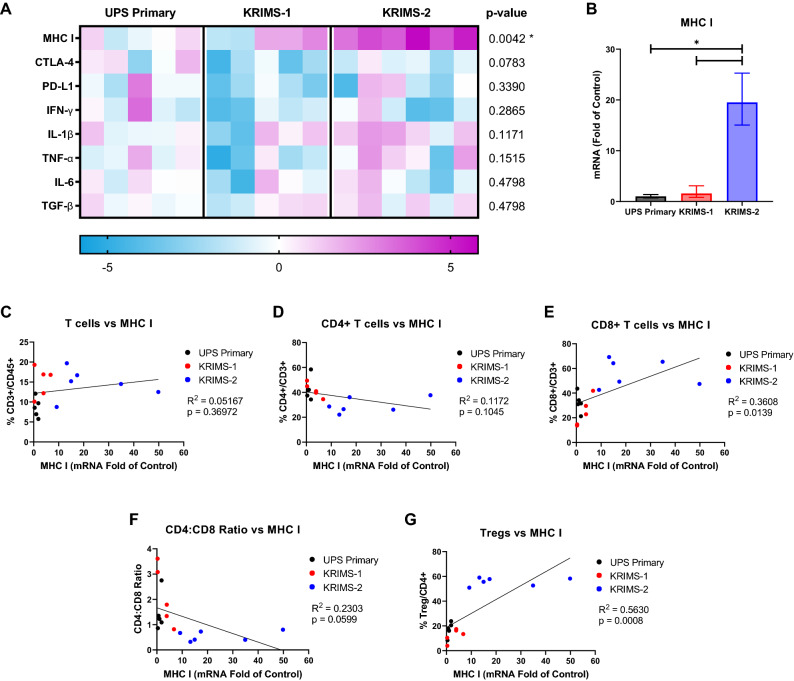
Immune cells play critical functions in cancer, and mice with intact immune systems are vital to understanding tumor immunology. Both genetically engineered mouse models (GEMMs) and syngeneic cell transplant approaches use immunocompetent mice to define immune-dependent events in tumor development and progression. Due to their rapid and reproducible nature, there is expanded interest in developing new syngeneic tools from established primary tumor models. However, few studies have examined the extent that syngeneic tumors reflect the immune profile of their originating primary models. Here, we describe comprehensive immunophenotyping of two well-established GEMMs and four new syngeneic models derived from these parental primary tumors. To our knowledge, this is the first systematic analysis comparing immune landscapes between primary and orthotopic syngeneic tumors. These models all use the same well-defined human-relevant driver mutations, arise at identical orthotopic locations, and are generated in mice of the same background strain. This allows for a direct and focused comparison of tumor immune landscapes in carefully controlled mouse models. We identify key differences between the immune infiltrate of GEMM models and their corresponding syngeneic tumors. Most notable is the divergence of T cell populations, with different proportions of CD8+ T cells and regulatory T cells across several models. We also observe immune variation across syngeneic tumors derived from the same primary model. These findings highlight the importance of immune variance across mouse modeling approaches, which has strong implications for the design of rigorous and reproducible translational studies.
免疫细胞在癌症中发挥着关键作用,免疫系统健全的小鼠对于理解肿瘤免疫学至关重要。基因工程小鼠模型 (GEMM) 和同基因细胞移植方法都使用免疫功能正常的小鼠来定义肿瘤发生和进展中免疫依赖的事件。由于其快速和可重复的性质,人们对从已建立的原发性肿瘤模型开发新的同基因工具产生了更大的兴趣。然而,很少有研究检查同基因肿瘤在多大程度上反映了其起源原发性模型的免疫特征。在这里,我们描述了两种成熟的 GEMM 和从这些亲本原发性肿瘤衍生的四种新的同基因模型的全面免疫表型。据我们所知,这是首次对原发性和原位同基因肿瘤之间的免疫景观进行系统分析。这些模型都使用相同的明确定义的人类相关驱动突变,在相同的原位位置出现,并在相同的背景品系小鼠中产生。这允许在精心控制的小鼠模型中直接和集中地比较肿瘤免疫景观。我们确定了 GEMM 模型和相应的同基因肿瘤中免疫浸润之间的关键差异。最值得注意的是 T 细胞群体的分歧,几个模型中的 CD8+T 细胞和调节性 T 细胞的比例不同。我们还观察到来自同一原发性模型的同基因肿瘤之间的免疫变化。这些发现强调了在不同的小鼠建模方法中存在免疫差异的重要性,这对严格和可重复的转化研究的设计具有重要意义。