Department of Surgery-Otolaryngology Head and Neck Surgery, The University of Adelaide, Adelaide, Australia.
SA Pathology and Adelaide Medical School, The University of Adelaide, Adelaide, Australia.
PLoS One. 2021 Jan 14;16(1):e0244503. doi: 10.1371/journal.pone.0244503. eCollection 2021.
Adhesions are often considered to be an inevitable consequence of abdominal and pelvic surgery, jeopardizing the medium and long-term success of these procedures. Numerous strategies have been tested to reduce adhesion formation, however, to date, no surgical or medical therapeutic approaches have been successful in its prevention. This study demonstrates the safety and efficacy of Chitogel with Deferiprone and/or antibacterial Gallium Protoporphyrin in different concentrations in preventing adhesion formation after abdominal surgery.
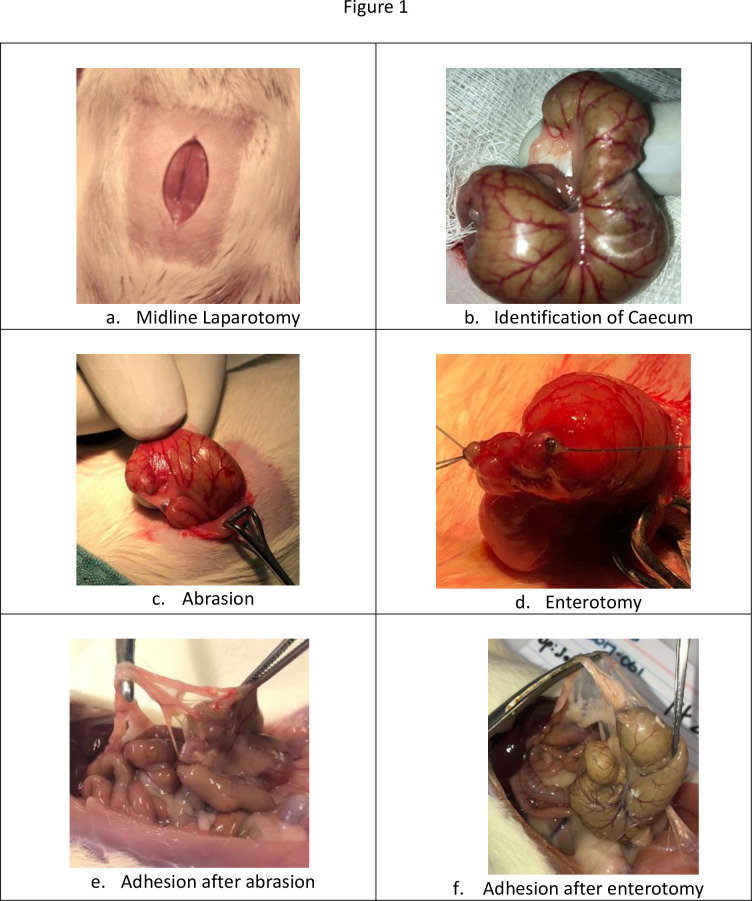
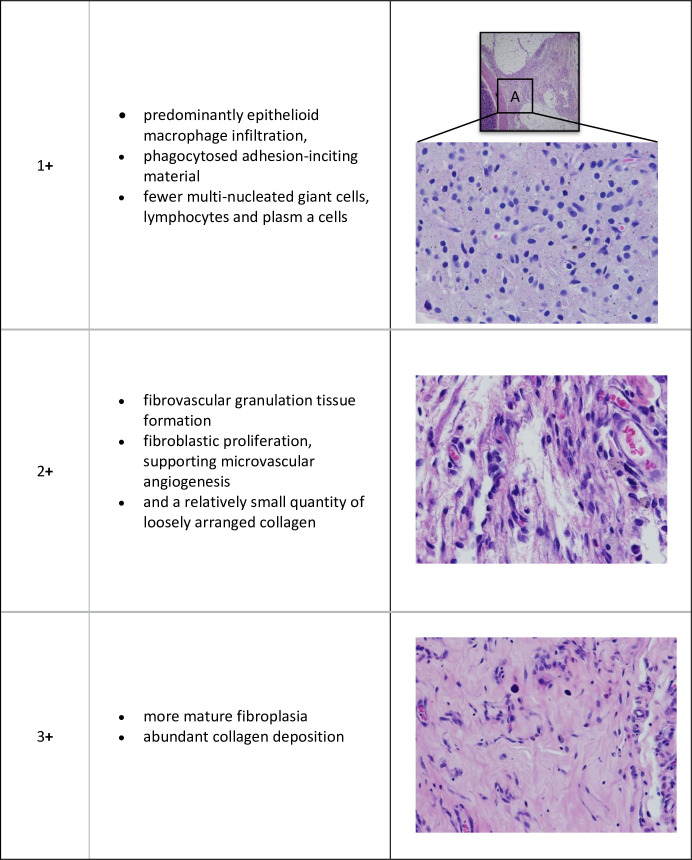
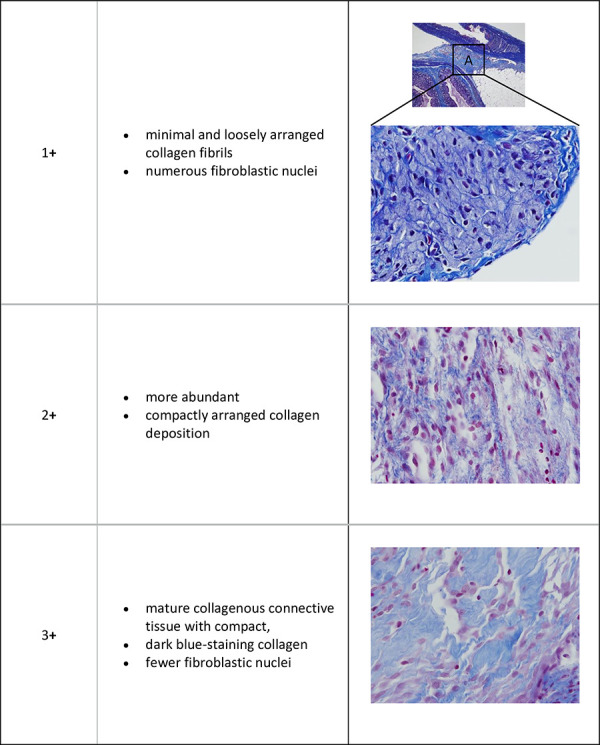
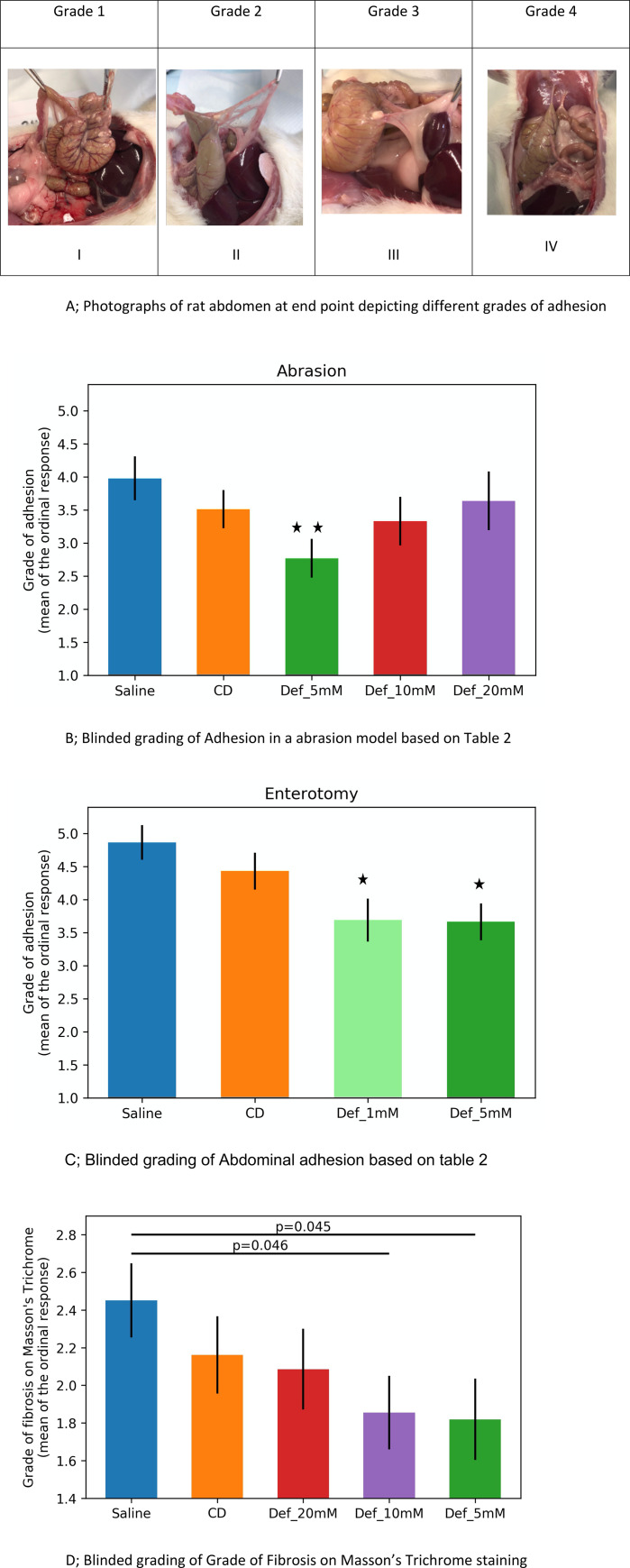
112 adult (8-10 week old) male Wistar albino rats were subjected to midline laparotomy and caecal abrasion, with 48 rats having an additional enterotomy and suturing. Kaolin (0.005g/ml) was applied to further accelerate adhesion formation. The abrasion model rats were randomized to receive saline, Chitogel, or Chitogel plus Deferiprone (5, 10 or 20 mM), together with Gallium Protoporphyrin (250μg/mL). The abrasion with enterotomy rats were randomised to receive saline, Chitogel or Chitogel with Deferiprone (1 or 5 mM). At day 21, rats were euthanised, and adhesions graded macroscopically and microscopically; the tensile strength of the repaired caecum was determined by an investigator blinded to the treatment groups.
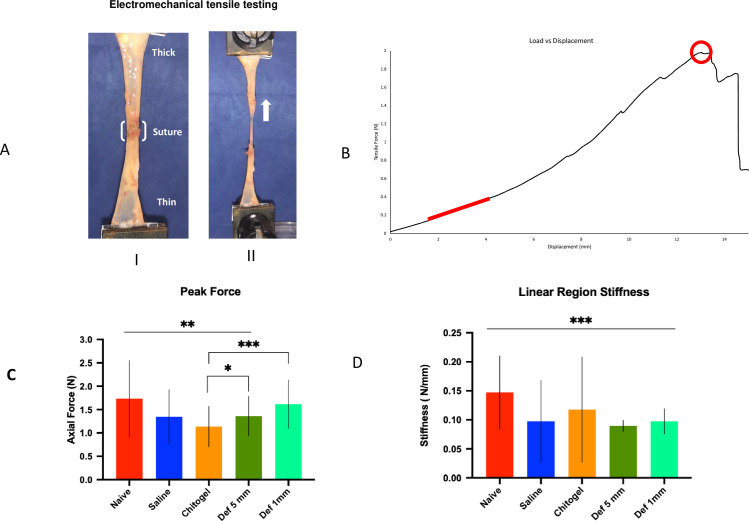
Chitogel with Deferiprone 5 mM significantly reduced adhesion formation (p<0.01) when pathologically assessed in a rat abrasion model. Chitogel with Deferiprone 5 mM and 1 mM also significantly reduced adhesions (p<0.05) after abrasion with enterotomy. Def-Chitogel 1mM treatment did not weaken the enterotomy site with treated sites having significantly better tensile strength compared to control saline treated enterotomy rats.
Chitogel with Deferiprone 1 mM constitutes an effective preventative anti-adhesion barrier after abdominal surgery in a rat model. Moreover, this therapeutic combination of agents is safe and does not weaken the healing of the sutured enterotomy site.
粘连通常被认为是腹部和骨盆手术的必然结果,危及这些手术的中远期成功率。已经测试了许多策略来减少粘连形成,但是,迄今为止,没有任何手术或医学治疗方法能够成功预防粘连。本研究证明了壳聚糖与去铁酮和/或不同浓度的抗菌镓原卟啉在预防腹部手术后粘连形成方面的安全性和有效性。
将 112 只成年(8-10 周龄)雄性 Wistar 白化大鼠进行中线剖腹术和盲肠擦伤,其中 48 只大鼠还进行了肠切开术和缝合。应用高岭土(0.005g/ml)进一步加速粘连形成。将擦伤模型大鼠随机分为生理盐水组、壳聚糖组或壳聚糖加去铁酮(5、10 或 20mM)组,同时加用镓原卟啉(250μg/ml)。肠切开术擦伤大鼠随机分为生理盐水组、壳聚糖组或壳聚糖加去铁酮(1 或 5mM)组。第 21 天,处死大鼠,宏观和微观分级粘连;用对治疗组不知情的研究者测定修复盲肠的拉伸强度。
在大鼠擦伤模型中,壳聚糖加去铁酮 5mM 显著降低了粘连形成(p<0.01)。在肠切开术擦伤后,壳聚糖加去铁酮 5mM 和 1mM 也显著减少了粘连(p<0.05)。Def-Chitogel 1mM 治疗不会削弱肠切开部位,治疗部位的拉伸强度明显优于生理盐水治疗的对照肠切开大鼠。
壳聚糖加去铁酮 1mM 构成了腹部手术后大鼠模型中有效的预防粘连屏障。此外,这种联合治疗剂是安全的,不会削弱缝合肠切开部位的愈合。