Zahir Lamya, Kida Takumitsu, Tanaka Ryo, Nakayama Yuushou, Shiono Takeshi, Kawasaki Norioki, Yamano Naoko, Nakayama Atsuyoshi
Department of Applied Chemistry, Graduate School of Advanced Science and Engineering, Hiroshima University, 1-4-1 Kagamiyama, Higashi-Hiroshima Hiroshima 739-8527, Japan.
Biomedical Research Institute, National Institute of Advanced Industrial Science and Technology (AIST), 1-8-31 Midorigaoka, Ikeda, Osaka 563-8577, Japan.
Life (Basel). 2021 Jan 12;11(1):43. doi: 10.3390/life11010043.
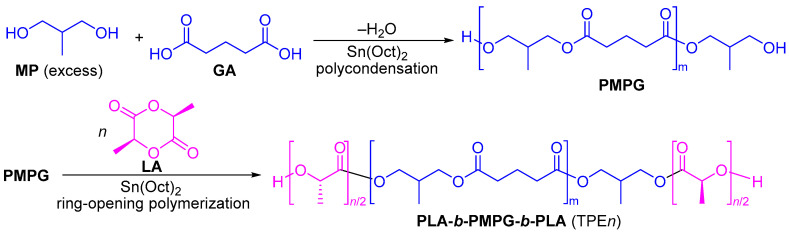
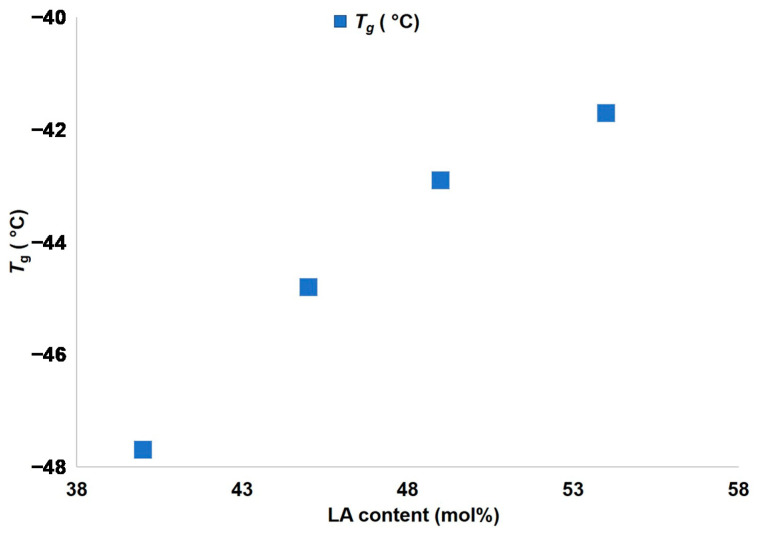
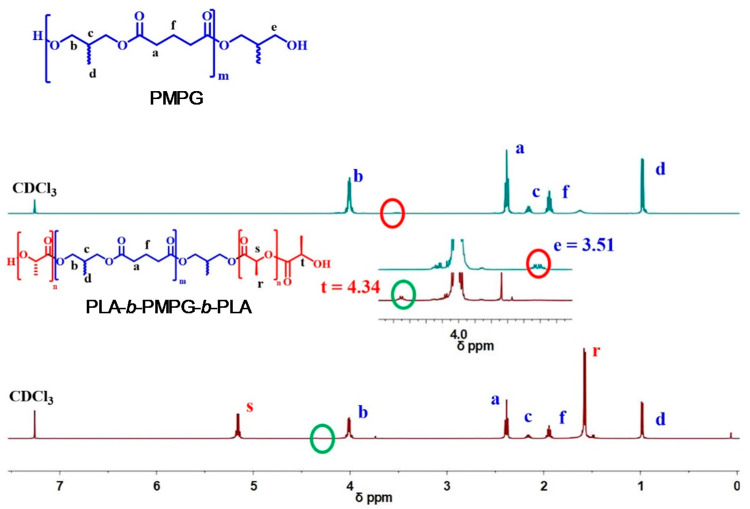
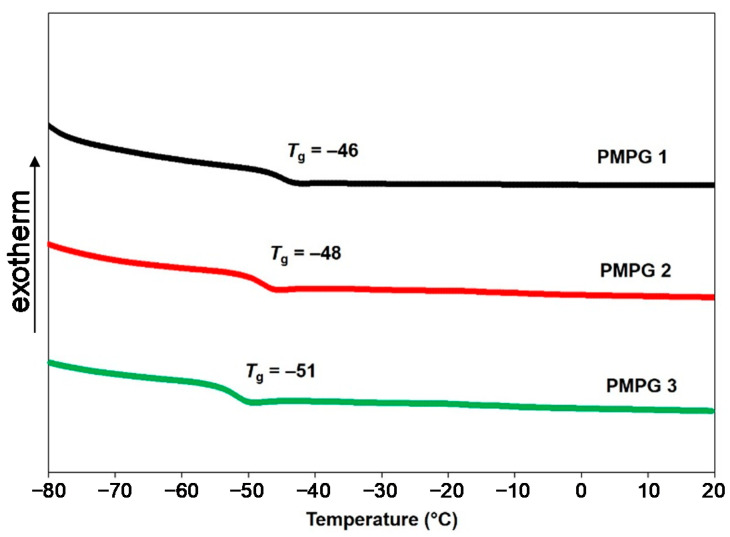
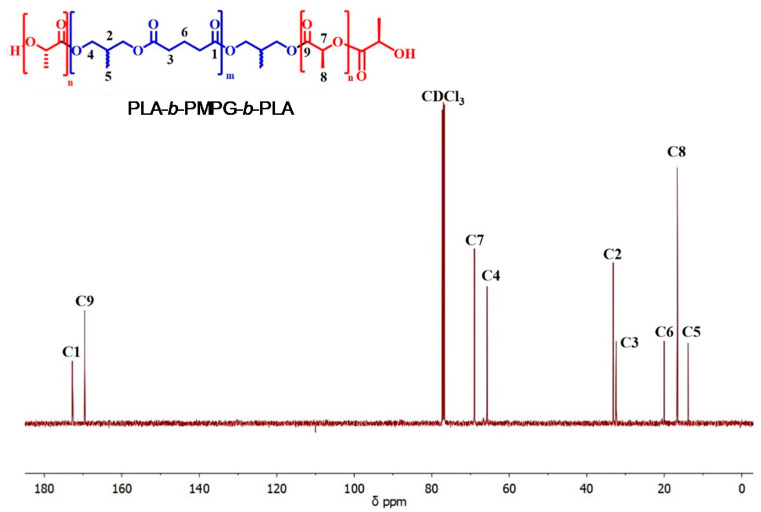
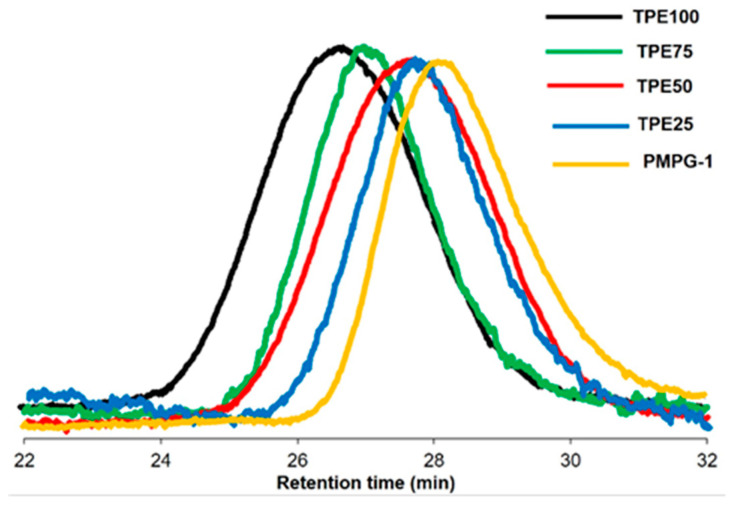
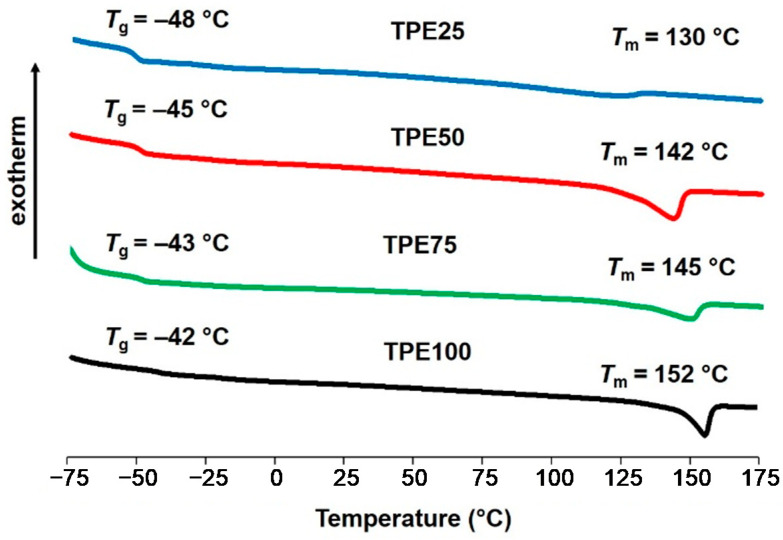
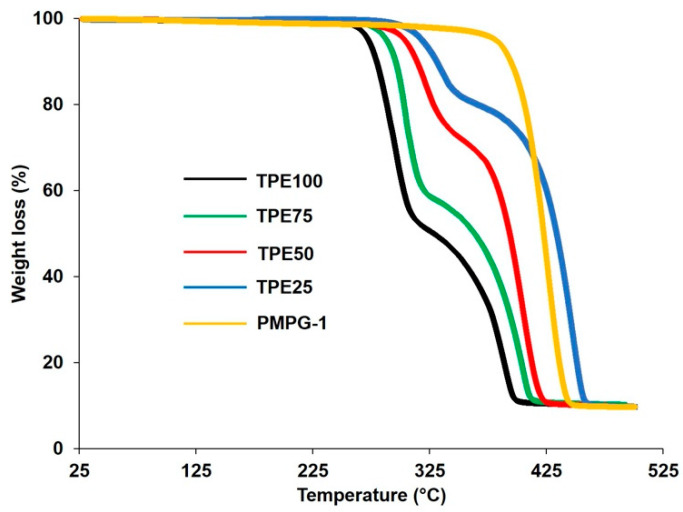
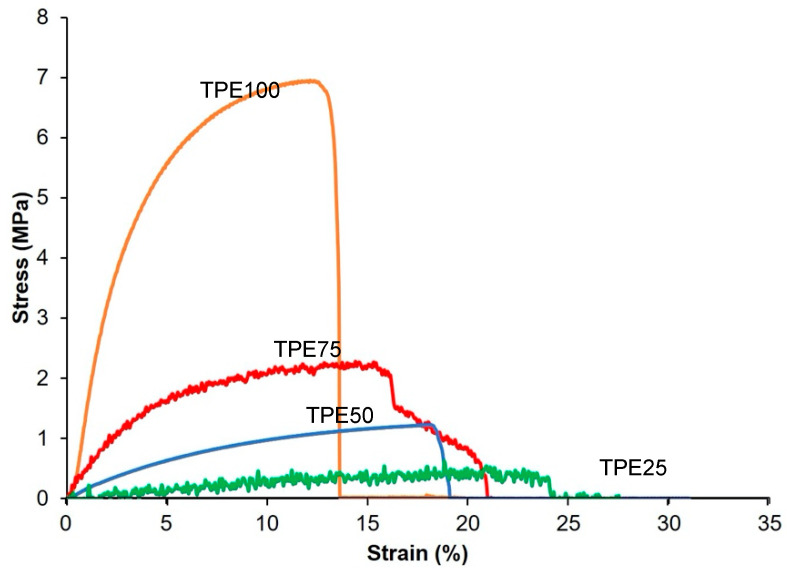
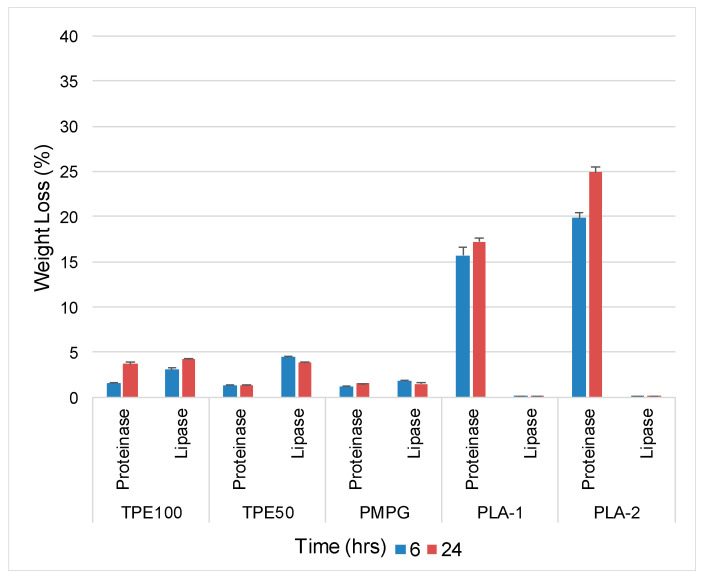
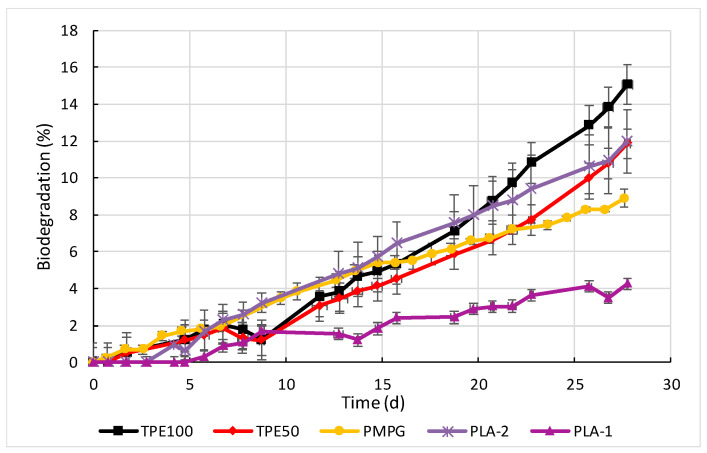
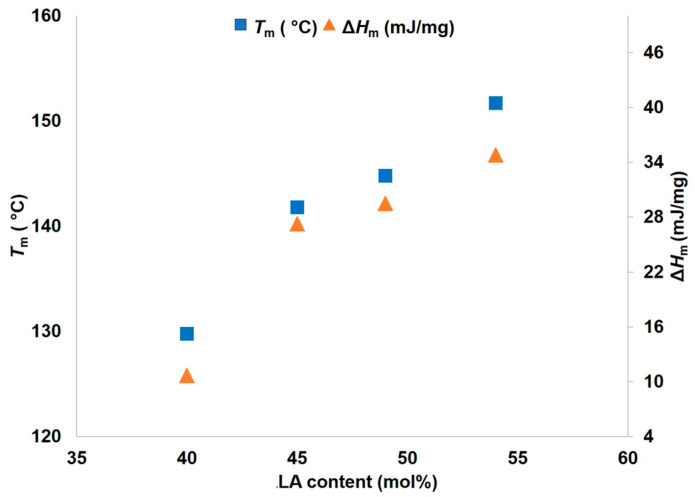
An innovative type of biodegradable thermoplastic elastomers with improved mechanical properties from very common and potentially renewable sources, poly(L-lactide)--poly(2-methyl-1,3-propylene glutarate)--poly(L-lactide) (PLA--PMPG--PLA)s, has been developed for the first time. PLA--PMPG--PLAs were synthesized by polycondensation of 2-methyl-1,3-propanediol and glutaric acid and successive ring-opening polymerization of L-lactide, where PMPG is an amorphous central block with low glass transition temperature and PLA is hard semicrystalline terminal blocks. The copolymers showed glass transition temperature at lower than -40 °C and melting temperature at 130-152 °C. The tensile tests of these copolymers were also performed to evaluate their mechanical properties. The degradation of the copolymers and PMPG by enzymes proteinase K and lipase PS were investigated. Microbial biodegradation in seawater was also performed at 27 °C. The triblock copolymers and PMPG homopolymer were found to show 9-15% biodegradation within 28 days, representing their relatively high biodegradability in seawater. The macromolecular structure of the triblock copolymers of PLA and PMPG can be controlled to tune their mechanical and biodegradation properties, demonstrating their potential use in various applications.
首次开发出一种创新型可生物降解热塑性弹性体,其由非常常见且可能可再生的资源聚(L-丙交酯)-聚(2-甲基-1,3-丙二醇戊二酸酯)-聚(L-丙交酯)(PLA-PMPG-PLA)制成,具有改善的机械性能。PLA-PMPG-PLA通过2-甲基-1,3-丙二醇与戊二酸的缩聚反应以及L-丙交酯的连续开环聚合反应合成,其中PMPG是具有低玻璃化转变温度的无定形中心嵌段,PLA是硬的半结晶末端嵌段。这些共聚物的玻璃化转变温度低于-40℃,熔点在130-152℃。还对这些共聚物进行了拉伸试验以评估其机械性能。研究了蛋白酶K和脂肪酶PS对共聚物和PMPG的降解作用。还在27℃下进行了海水中的微生物生物降解试验。发现三嵌段共聚物和PMPG均聚物在28天内显示出9-15%的生物降解率,表明它们在海水中具有相对较高的生物降解性。PLA和PMPG的三嵌段共聚物的大分子结构可以得到控制,以调节其机械性能和生物降解性能,证明了它们在各种应用中的潜在用途。