Tsang Sharon Mh, Chan Kenneth Tk, Ho Parco Lt, Kwok Jacky Cy, Tse Daniel Ht, Tsoi Henry Ht
Department of Rehabilitation Sciences, The Hong Kong Polytechnic University, Yuk Choi Road, Hung Hom, Kowloon, Hong Kong, China.
BMC Musculoskelet Disord. 2021 Jan 14;22(1):81. doi: 10.1186/s12891-021-03943-0.
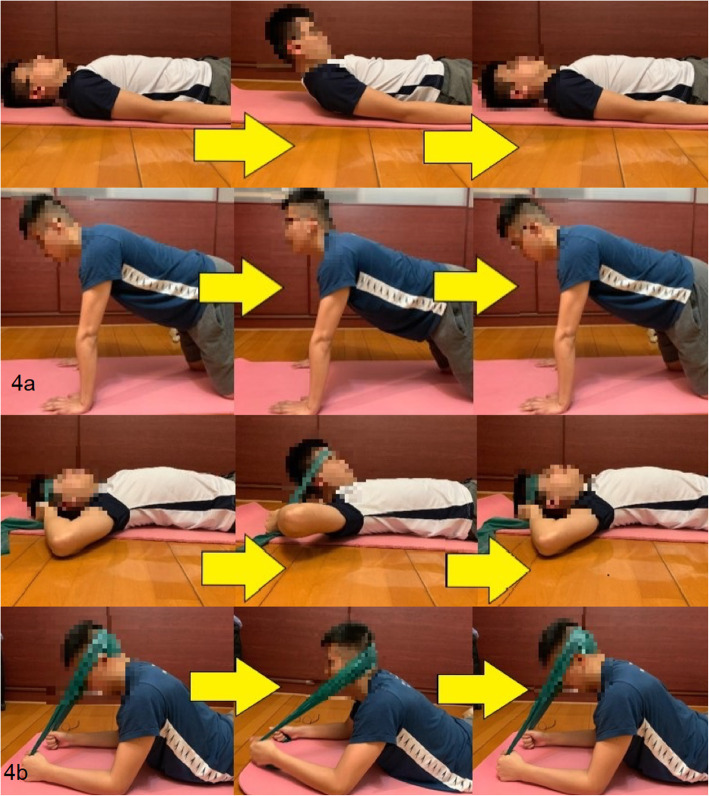
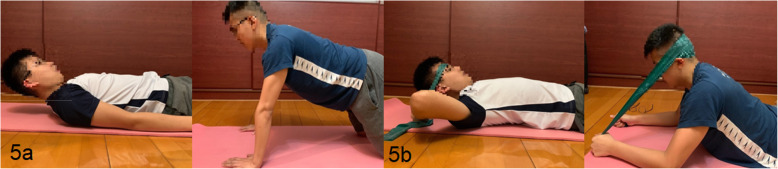
Evidence has shown that velocity-specific exercise results in additional benefits for peripheral joint muscles by promoting their functions, however, its effects on spinal muscles are yet to be investigated. This study aimed to examine the feasibility and effects of velocity-specific exercise compared to isometric exercise on cervical muscle functions and performance in healthy individuals.
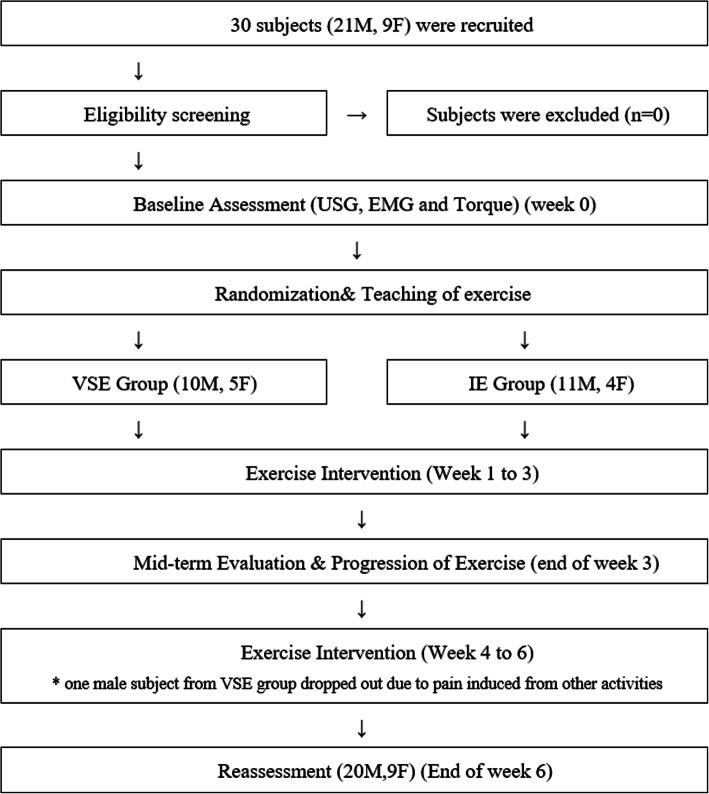
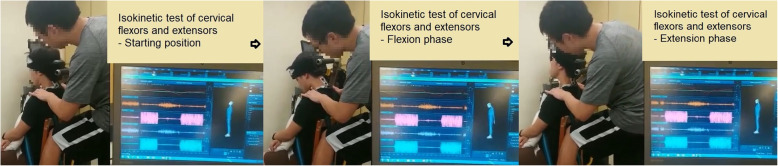
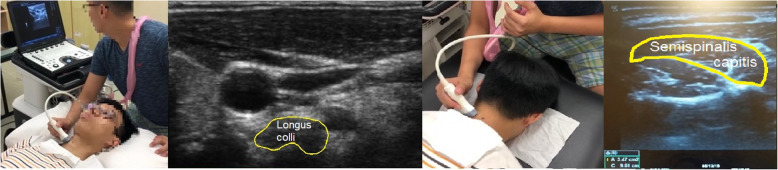
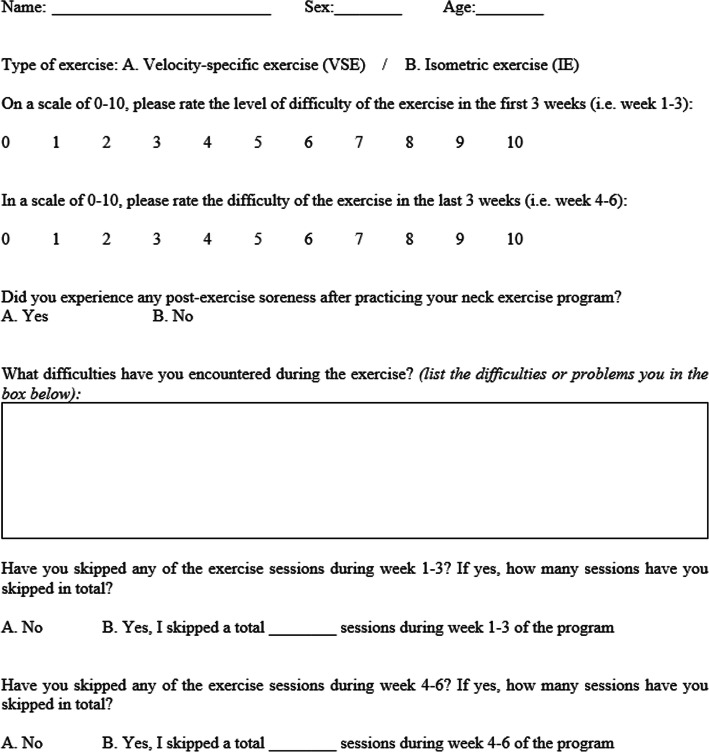
Thirty healthy adults were randomised to practise either the velocity-specific exercise (VSE, n = 15) or isometric exercise (IE, n = 15) for 6 weeks. Functions and performance of the cervical extensors and flexors were assessed pre- and post-program, by analyzing the peak torque and electromyography during the isokinetic testing, and cross-sectional area of the deep cervical muscles at rest. The self-reported level of difficulty and post-exercise soreness during the exercise were recorded to evaluate the feasibility and safety of the two exercise programs.
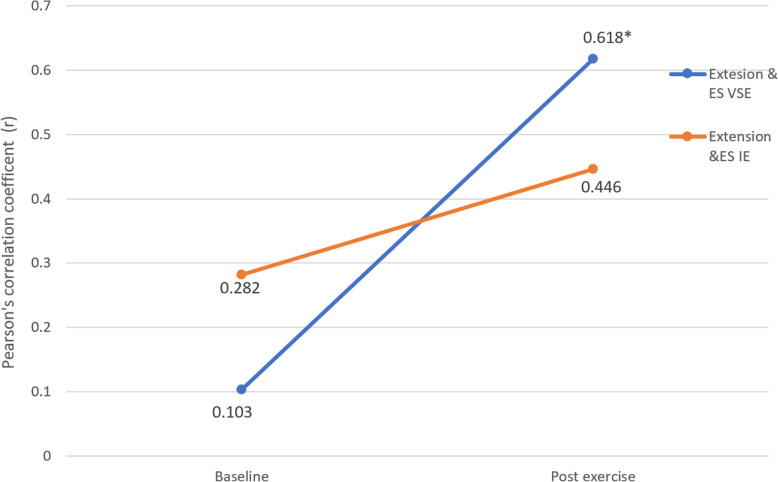
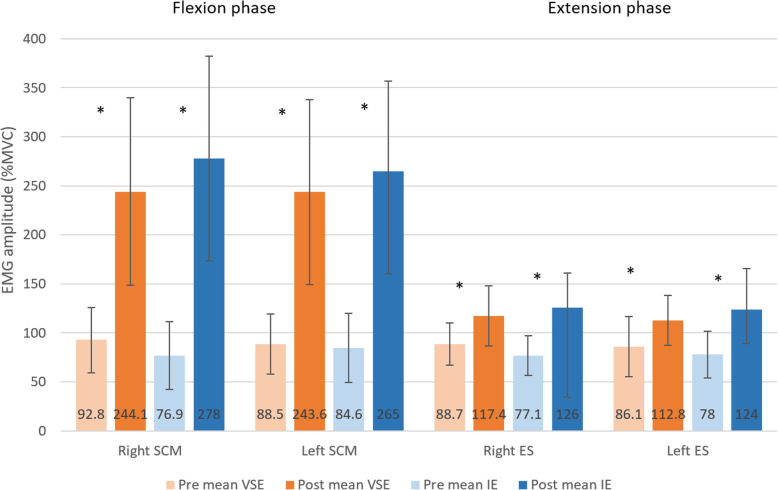
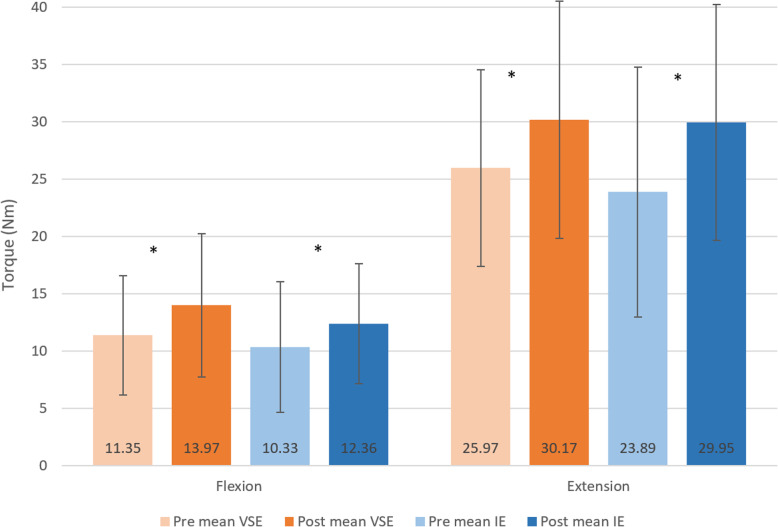
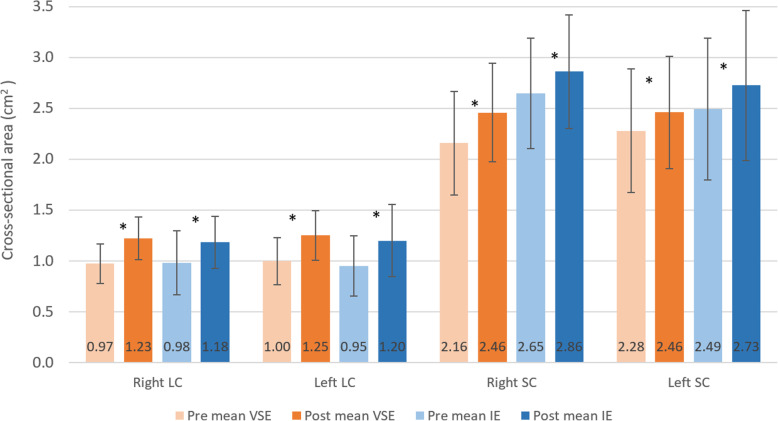
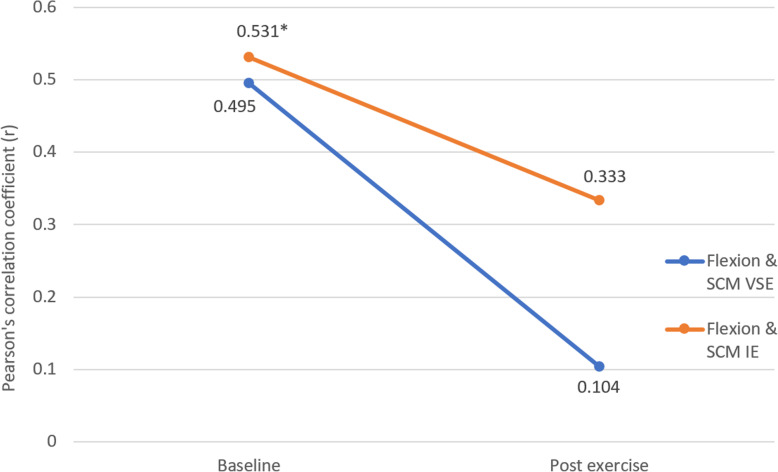
Both VSE and IE exercises resulted in significant improvement of the muscle functions and performance while there were no between-group differences at reassessment of the (a) cross-sectional area of longus colli and semispinalis capitis; (b) EMG amplitude in sternocleidomastoid and cervical erector spinae, and (c) peak torque values. Further analysis revealed that degree of correlation between extension torque and EMG amplitude of cervical erector spinae increased in both groups. However, significant correlation was found only in VSE group post-program. There were no significant differences for the level of difficulty and post-exercise soreness found between two groups.
Both velocity-specific and isometric exercises significantly promoted cervical muscle functions and performance. The present study confirms that velocity-specific exercise can be practised safely and it also contributes to a greater enhancement in neuromuscular efficiency of the cervical extensors. These findings indicate that the velocity-specific exercise can be considered as a safe alternative for training of the cervical muscles. Further study is recommended to examine its benefit and application for promoting the muscle functions and recovery in symptomatic individuals.
有证据表明,特定速度运动通过促进外周关节肌肉的功能,能为其带来额外益处,然而,其对脊柱肌肉的影响尚待研究。本研究旨在探讨与等长运动相比,特定速度运动对健康个体颈部肌肉功能和表现的可行性及影响。
30名健康成年人被随机分为两组,分别进行特定速度运动(VSE组,n = 15)或等长运动(IE组,n = 15),为期6周。在训练前后,通过分析等速测试期间的峰值扭矩和肌电图,以及静息时颈深部肌肉的横截面积,评估颈伸肌和屈肌的功能及表现。记录运动期间自我报告的难度水平和运动后酸痛情况,以评估两种运动方案的可行性和安全性。
VSE组和IE组运动均使肌肉功能和表现得到显著改善,在重新评估时,两组之间在以下方面无差异:(a)颈长肌和头半棘肌的横截面积;(b)胸锁乳突肌和颈竖脊肌的肌电图振幅;(c)峰值扭矩值。进一步分析表明,两组颈竖脊肌伸展扭矩与肌电图振幅之间的相关性程度均增加。然而,仅在VSE组训练后发现显著相关性。两组之间在难度水平和运动后酸痛方面无显著差异。
特定速度运动和等长运动均能显著促进颈部肌肉功能和表现。本研究证实特定速度运动可安全进行,且对颈伸肌神经肌肉效率的提高也有更大作用。这些发现表明特定速度运动可被视为颈部肌肉训练的安全替代方法。建议进一步研究其对有症状个体促进肌肉功能和恢复的益处及应用。