LEO Foundation Skin Immunology Research Center & Department of Immunology and Microbiology, University of Copenhagen, Panum Institute, The Maersk tower, 07.12.76, Blegdamsvej 3C, 2200, Copenhagen, Denmark.
MS-Omics, Vedbæk, Denmark.
Sci Rep. 2021 Jan 14;11(1):1458. doi: 10.1038/s41598-020-80933-7.
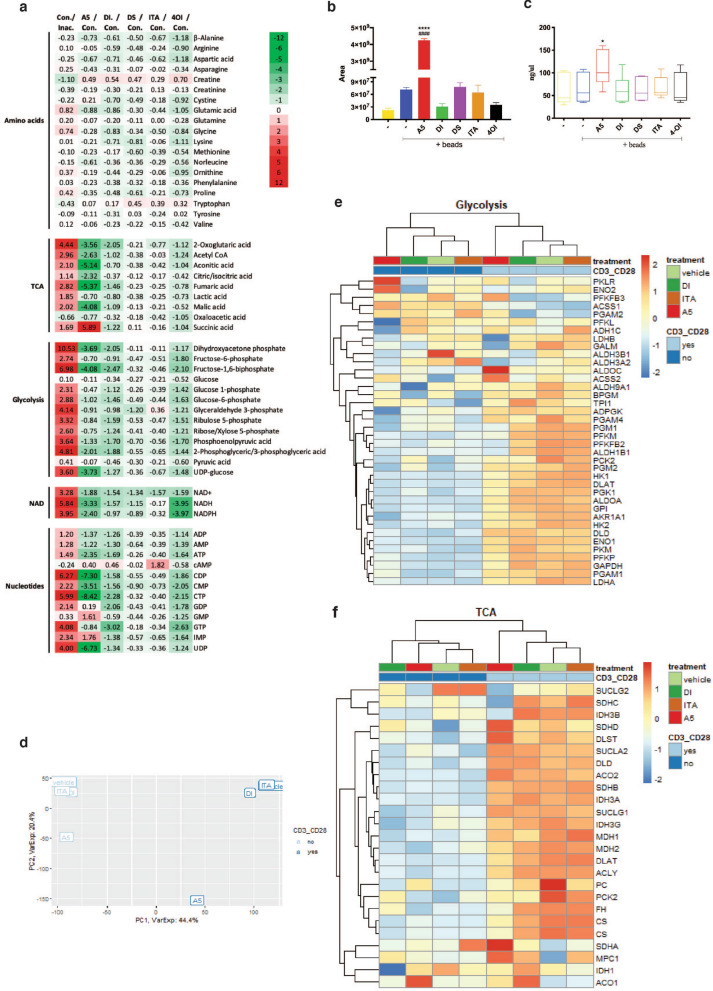
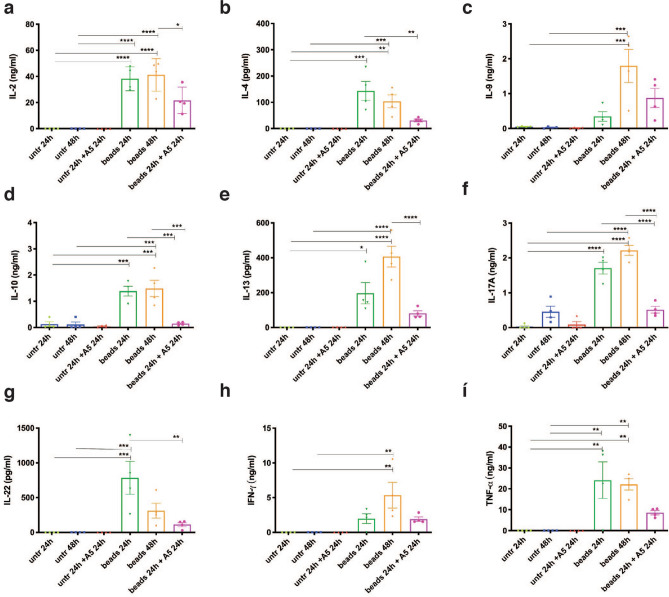
T cell activation is intimately linked to metabolism, as distinct metabolic requirements support the functional and phenotypical differences between quiescent and activated T cells. Metabolic transition from mitochondrial oxidative phosphorylation to aerobic glycolysis is crucial for a proper T cell activation. However, the role of tricarboxylic acid cycle (TCA), and in particular succinate dehydrogenase (SDH) in activated T cells needs further elucidation. Here we show that inhibition of SDH during activation of T cells results in strong impairment of proliferation, expression of activation markers, and production of key inflammatory cytokines, despite a concomitant increase in glycolytic metabolic activity. Similar effect of SDH inhibition were demonstrated in pre-activated T cell. Interestingly, itaconic acid, an endogenous SDH inhibitor released from activated macrophages and dendritic cells, had no immunomodulator effect. Taken together, our findings demonstrate that SDH enzyme fitness is critical for mounting and maintaining appropriate activation and function of human T cells.
T 细胞的激活与代谢密切相关,因为不同的代谢需求支持静止和激活的 T 细胞之间的功能和表型差异。从线粒体氧化磷酸化到有氧糖酵解的代谢转变对于 T 细胞的适当激活至关重要。然而,三羧酸循环(TCA),特别是琥珀酸脱氢酶(SDH)在激活的 T 细胞中的作用需要进一步阐明。在这里,我们表明在 T 细胞激活过程中抑制 SDH 会导致增殖、激活标志物表达和关键炎症细胞因子产生的严重损害,尽管同时伴有糖酵解代谢活性的增加。在预激活的 T 细胞中也证明了 SDH 抑制的类似作用。有趣的是,从激活的巨噬细胞和树突状细胞释放的内源性 SDH 抑制剂衣康酸没有免疫调节剂作用。总之,我们的研究结果表明,SDH 酶适应性对于人 T 细胞的适当激活和功能至关重要。