Centre for Regenerative Medicine, Institute for Regeneration and Repair, University of Edinburgh, Edinburgh, EH16 4UU, UK.
Centre for Discovery Brain Sciences, University of Edinburgh, Edinburgh, EH8 9XD, UK.
Acta Neuropathol. 2021 Mar;141(3):415-429. doi: 10.1007/s00401-020-02258-z. Epub 2021 Jan 15.
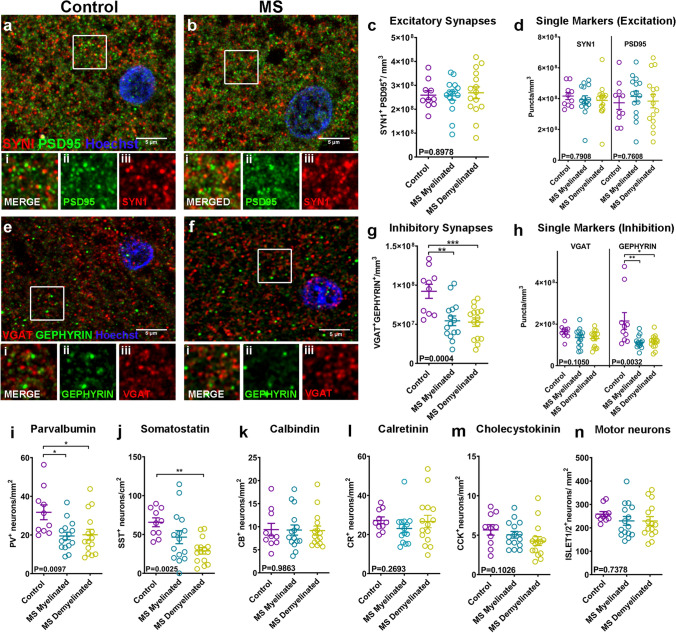
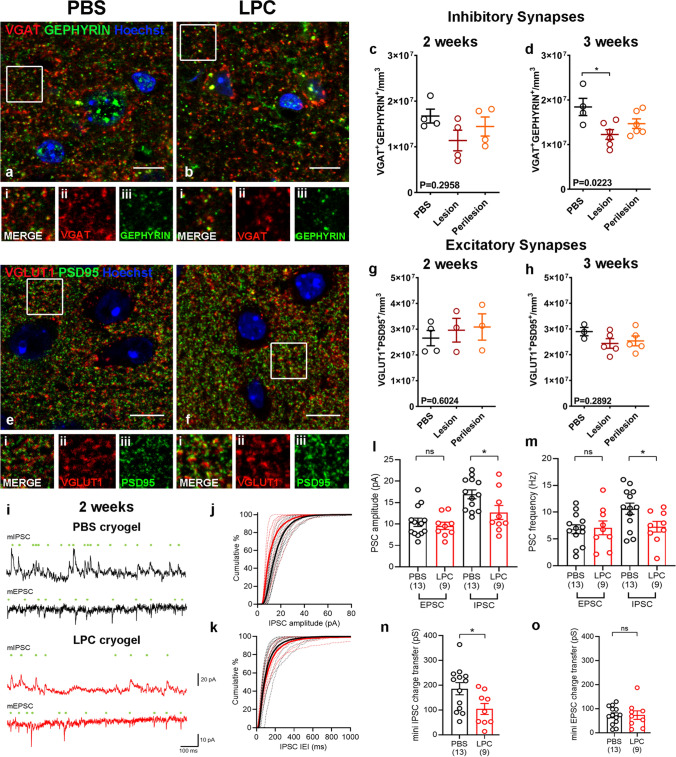
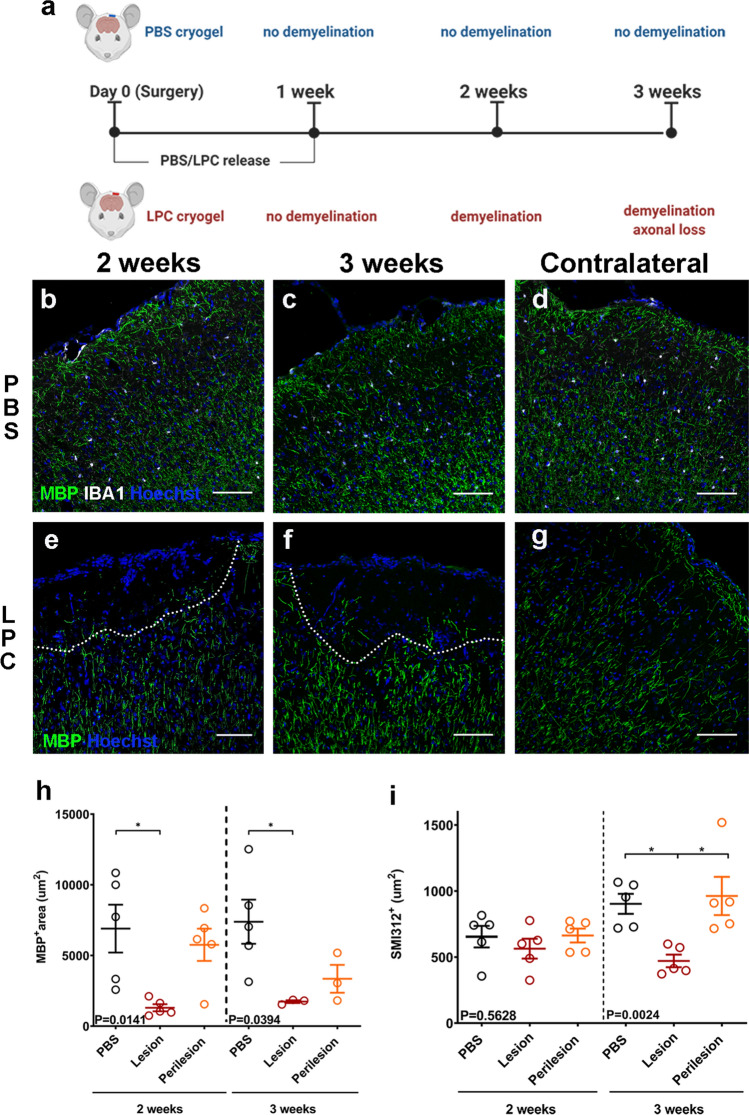
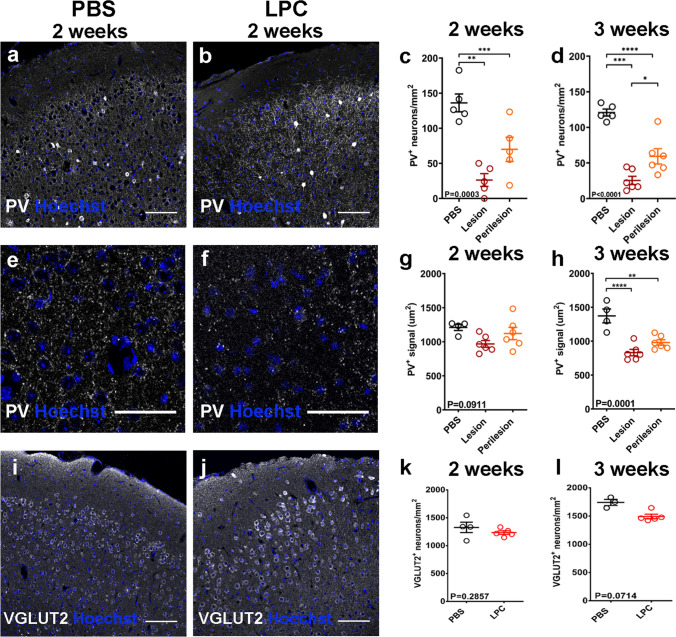
In multiple sclerosis (MS), a chronic demyelinating disease of the central nervous system, neurodegeneration is detected early in the disease course and is associated with the long-term disability of patients. Neurodegeneration is linked to both inflammation and demyelination, but its exact cause remains unknown. This gap in knowledge contributes to the current lack of treatments for the neurodegenerative phase of MS. Here we ask if neurodegeneration in MS affects specific neuronal components and if it is the result of demyelination. Neuropathological examination of secondary progressive MS motor cortices revealed a selective vulnerability of inhibitory interneurons in MS. The generation of a rodent model of focal subpial cortical demyelination reproduces this selective neurodegeneration providing a new preclinical model for the study of neuroprotective treatments.
在多发性硬化症(MS)中,中枢神经系统的一种慢性脱髓鞘疾病,神经退行性变在疾病早期就被检测到,并与患者的长期残疾有关。神经退行性变与炎症和脱髓鞘有关,但确切的原因尚不清楚。这一知识空白导致目前缺乏针对 MS 神经退行性阶段的治疗方法。在这里,我们想知道 MS 中的神经退行性变是否影响特定的神经元成分,以及它是否是脱髓鞘的结果。对继发性进行性 MS 运动皮层的神经病理学检查显示,MS 中抑制性中间神经元存在选择性易损性。局灶性软脑膜下皮质脱髓鞘啮齿动物模型的产生再现了这种选择性神经退行性变,为神经保护治疗的研究提供了新的临床前模型。