
褪黑素通过抑制胎盘滋养层细胞中活性氧介导的GCN2/ATF4/BNIP3依赖性线粒体自噬,预防环境应激诱导的胎儿生长受限。
Melatonin protects against environmental stress-induced fetal growth restriction via suppressing ROS-mediated GCN2/ATF4/BNIP3-dependent mitophagy in placental trophoblasts.
作者信息
Zhu Hua-Long, Shi Xue-Ting, Xu Xiao-Feng, Zhou Guo-Xiang, Xiong Yong-Wei, Yi Song-Jia, Liu Wei-Bo, Dai Li-Min, Cao Xue-Lin, Xu De-Xiang, Wang Hua
机构信息
Department of Toxicology, School of Public Health, Anhui Medical University, China; Key Laboratory of Environmental Toxicology of Anhui Higher Education Institutes, China.
Reproductive Medicine Center, Department of Obstetrics and Gynecology, The First Affiliated Hospital of Anhui Medical University, China; NHC Key Laboratory of Study on Abnormal Gametes and Reproductive Tract, Anhui, China.
出版信息
Redox Biol. 2021 Apr;40:101854. doi: 10.1016/j.redox.2021.101854. Epub 2021 Jan 6.
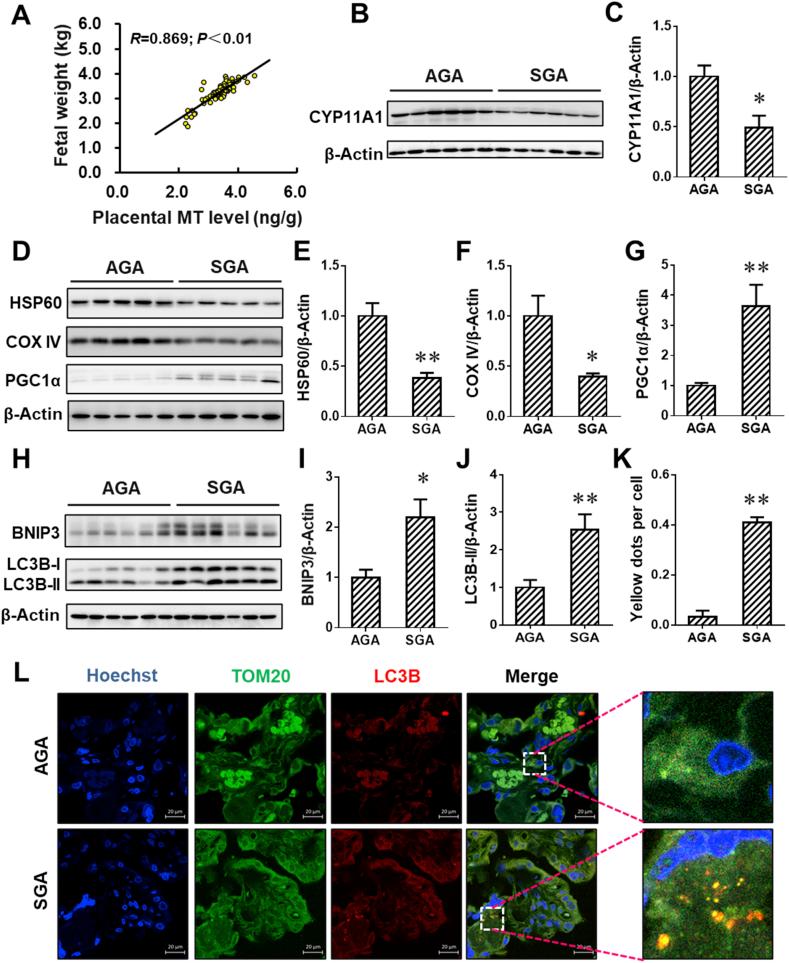
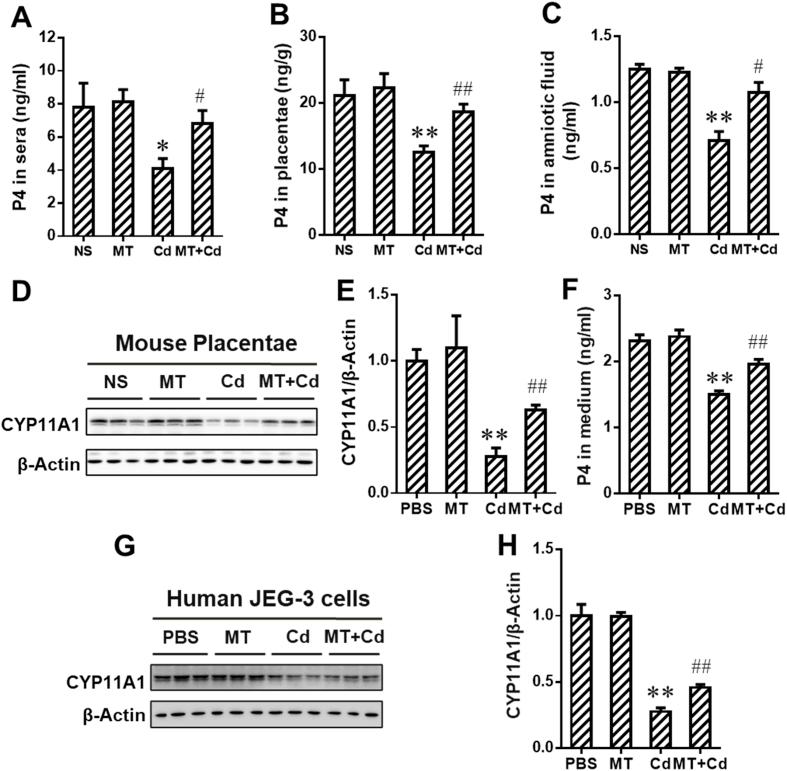
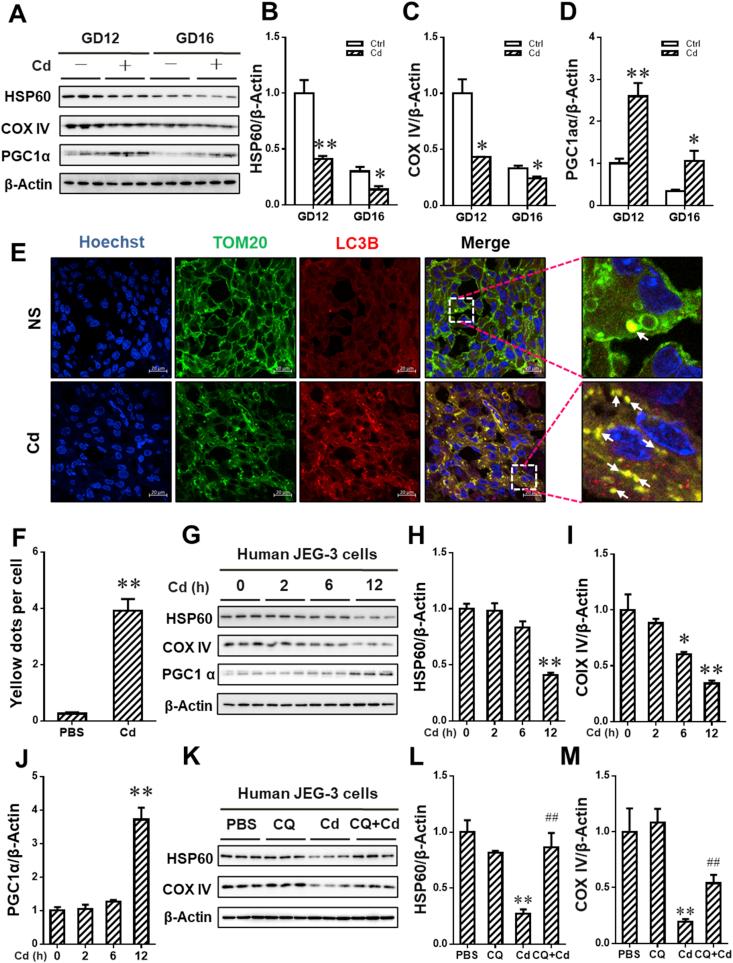
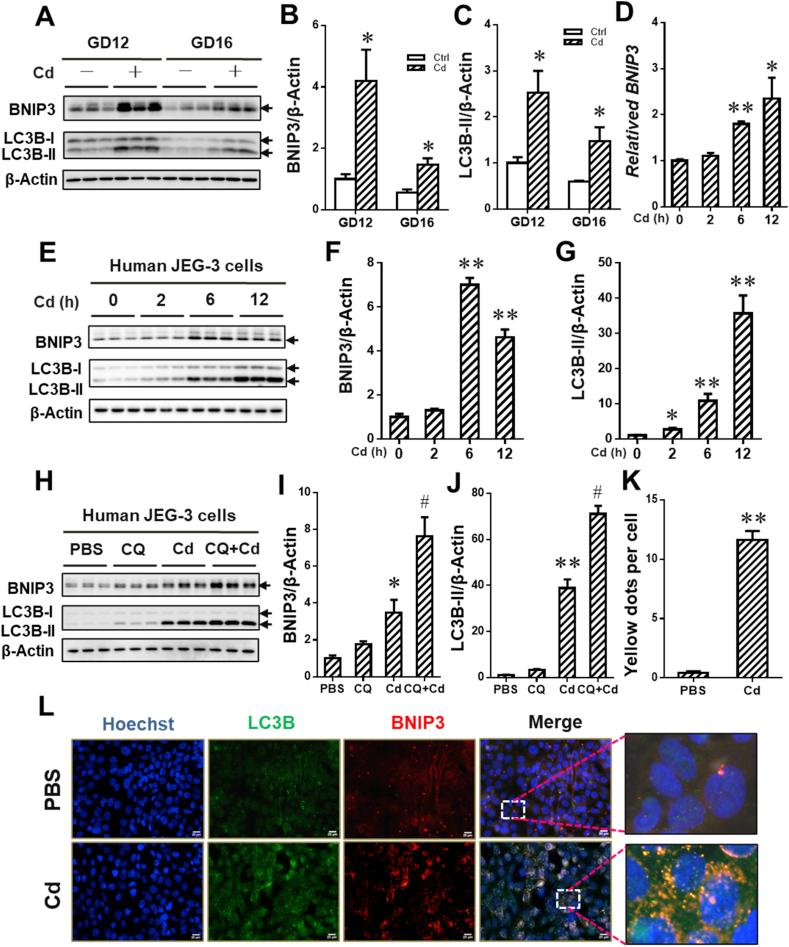
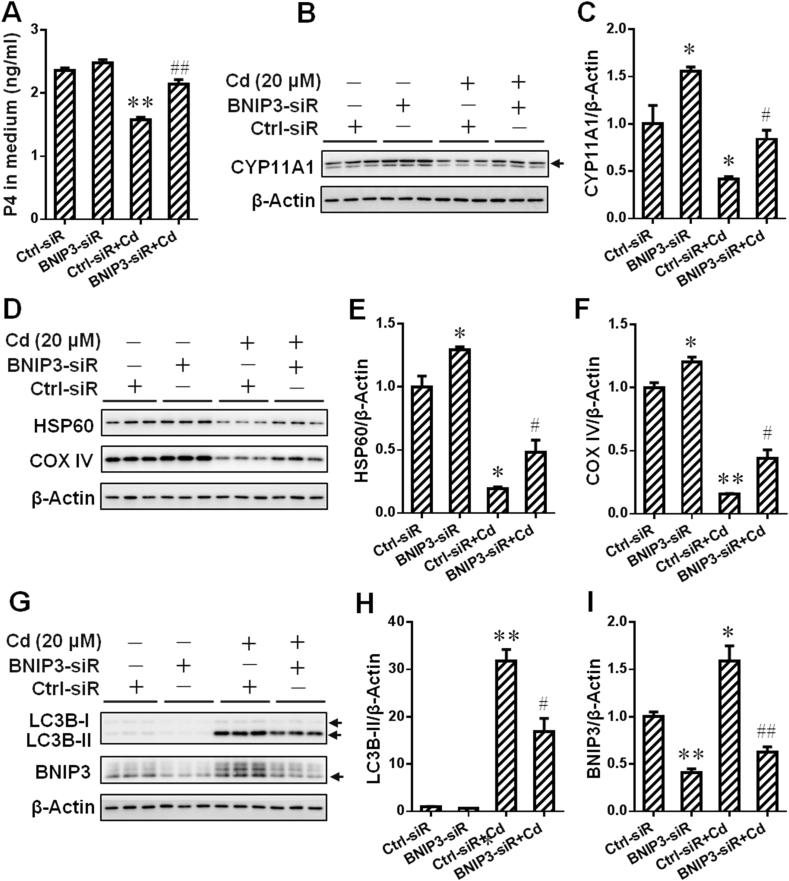
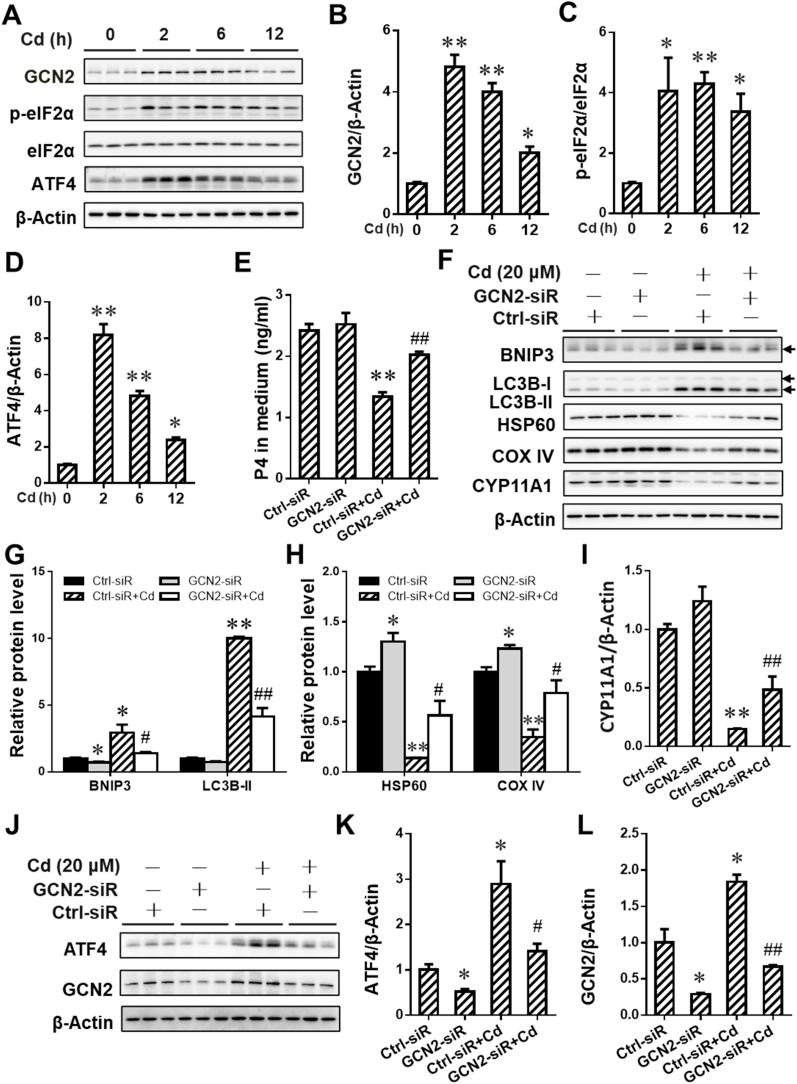
Gestational exposure to environmental stress induces fetal growth restriction (FGR), and thereby increasing the risk of infant death and chronic noncommunicable diseases in adults. However, the mechanism by which environmental stress induces FGR remains unclear. Based on case-control study, we found that the reduced level of melatonin (MT), a major secretory product from the pineal gland, was observed in placentae of FGR. This work was to investigate the protective effect of MT on environmental stress-caused FGR and its mechanisms. We used cadmium (Cd) as an environmental stressor to stimulate pregnant mice and thereby establishing a FGR model. The data showed that maternal Cd exposure lowered the P4 concentration in maternal sera, placentae and amniotic fluid, and caused FGR. Correspondingly, the expression of CYP11A1, a critical P4 synthase, was markedly downregulated in Cd-treated placentae. Simultaneously, Cd triggered BNIP3-dependent mitophagy in placental trophoblasts, as determined by the degradation of mitochondrial proteins, including HSP60 and COX IV, and the accumulation of puncta representing co-localization of TOM20 with LC3B or BNIP3 with LC3B. Based on our case-control study, we also found that activated BNIP3-dependent mitophagy and P4 synthesis inhibition occurred in SGA placentae. Most importantly, BNIP3 siRNA reversed Cd-induced P4 synthesis suppression in human placental trophoblasts. It is noteworthy that MT alleviated Cd-caused P4 synthesis suppression and FGR via antagonizing BNIP3-dependent mitophagy in placental trophoblasts. Further results confirmed that MT attenuated Cd-triggered BNIP3-dependent mitophagy via blocking GCN2/ATF4 signaling. Amusingly, Cd triggered oxidative stress and then activating GCN2/ATF4 signaling in placental trophoblasts. As expected, MT obviously suppressed Cd-caused reactive oxygen species (ROS) release. In the present study, we propose a neoteric mechanism by which MT protects against environmental stress-impaired P4 synthesis and fetal growth via suppressing ROS-mediated GCN2/ATF4/BNIP3-dependent mitophagy in placental trophoblasts. As above, MT is a potential therapeutic agent antagonizing environmental stress-induced developmental toxicity.
孕期暴露于环境应激会导致胎儿生长受限(FGR),从而增加婴儿死亡以及成年人患慢性非传染性疾病的风险。然而,环境应激诱导FGR的机制仍不清楚。基于病例对照研究,我们发现FGR胎盘组织中褪黑素(MT)水平降低,MT是松果体的主要分泌产物。本研究旨在探讨MT对环境应激所致FGR的保护作用及其机制。我们使用镉(Cd)作为环境应激源刺激怀孕小鼠,从而建立FGR模型。数据显示,母体暴露于Cd会降低母体血清、胎盘和羊水中的孕酮(P4)浓度,并导致FGR。相应地,关键的P4合成酶CYP11A1在Cd处理的胎盘组织中的表达明显下调。同时,Cd引发胎盘滋养层细胞中BNIP3依赖性线粒体自噬,这可通过线粒体蛋白(包括HSP60和COX IV)的降解以及代表TOM20与LC3B或BNIP3与LC3B共定位的斑点积累来确定。基于我们的病例对照研究,我们还发现小于胎龄儿(SGA)胎盘组织中发生了激活的BNIP3依赖性线粒体自噬和P4合成抑制。最重要的是,BNIP3小干扰RNA(siRNA)逆转了Cd诱导的人胎盘滋养层细胞中P4合成的抑制。值得注意的是,MT通过拮抗胎盘滋养层细胞中BNIP3依赖性线粒体自噬减轻了Cd引起的P4合成抑制和FGR。进一步的结果证实,MT通过阻断GCN2/ATF4信号通路减弱了Cd引发的BNIP3依赖性线粒体自噬。有趣的是,Cd引发氧化应激,进而激活胎盘滋养层细胞中的GCN2/ATF4信号通路。正如预期的那样,MT明显抑制了Cd引起的活性氧(ROS)释放。在本研究中,我们提出了一种新机制,即MT通过抑制胎盘滋养层细胞中ROS介导的GCN2/ATF4/BNIP3依赖性线粒体自噬来保护免受环境应激损害的P4合成和胎儿生长。综上所述,MT是一种潜在的治疗药物,可对抗环境应激诱导的发育毒性。




 Zotero 插件