Department of Ultrasound Diagnostics, Tangdu Hospital, Fourth Military Medical University, Xi'an, People's Republic of China.
The State Laboratory of Cancer Biology, Department of Biochemistry and Molecular Biology, Fourth Military Medical University, Xi'an, People's Republic of China.
Theranostics. 2021 Jan 1;11(6):2953-2965. doi: 10.7150/thno.49874. eCollection 2021.
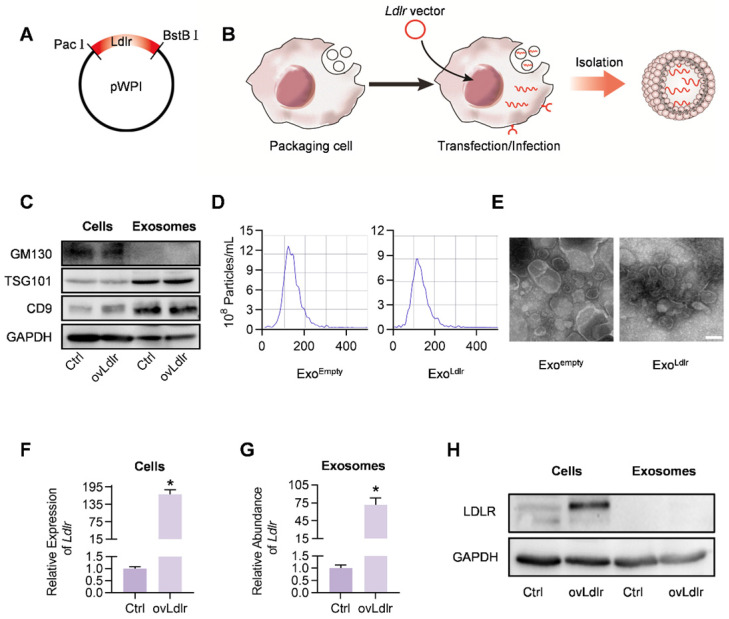
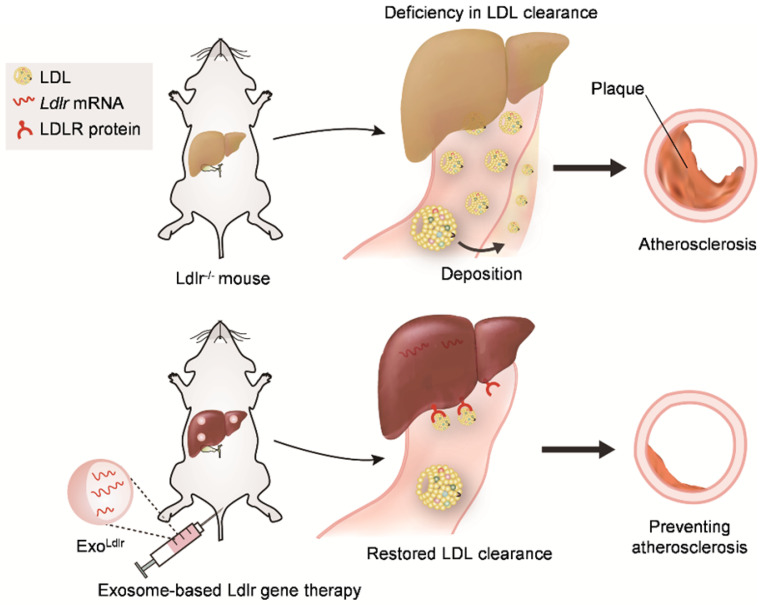
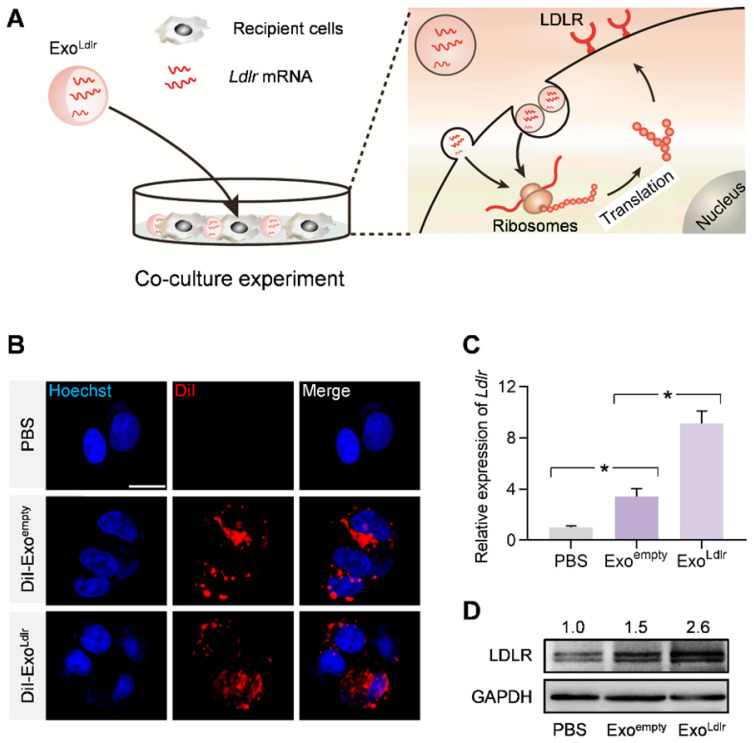
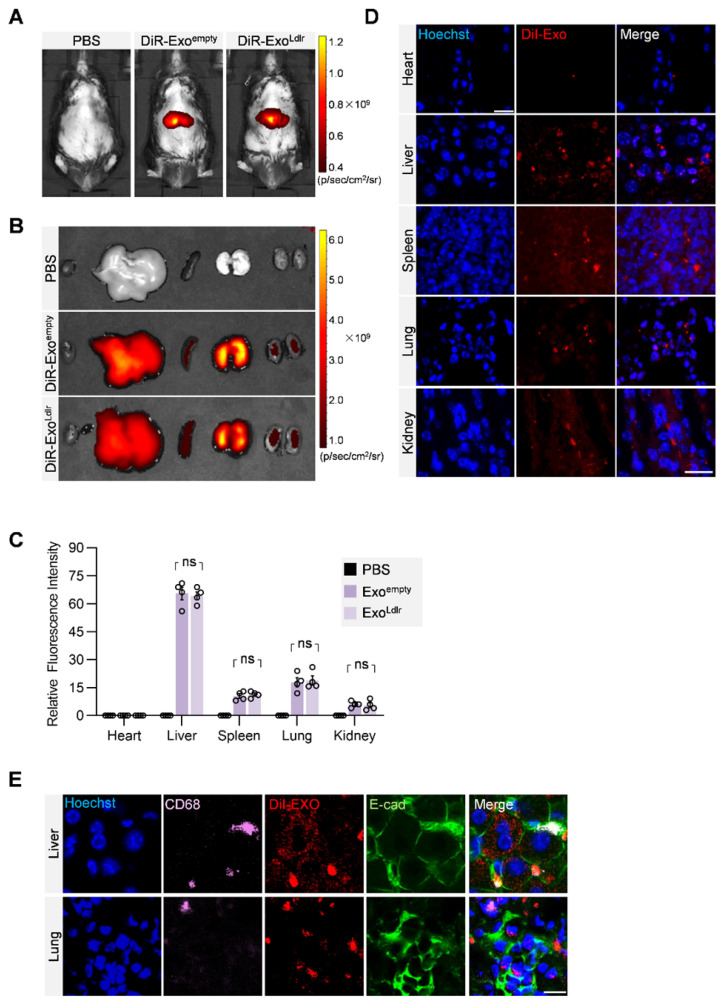
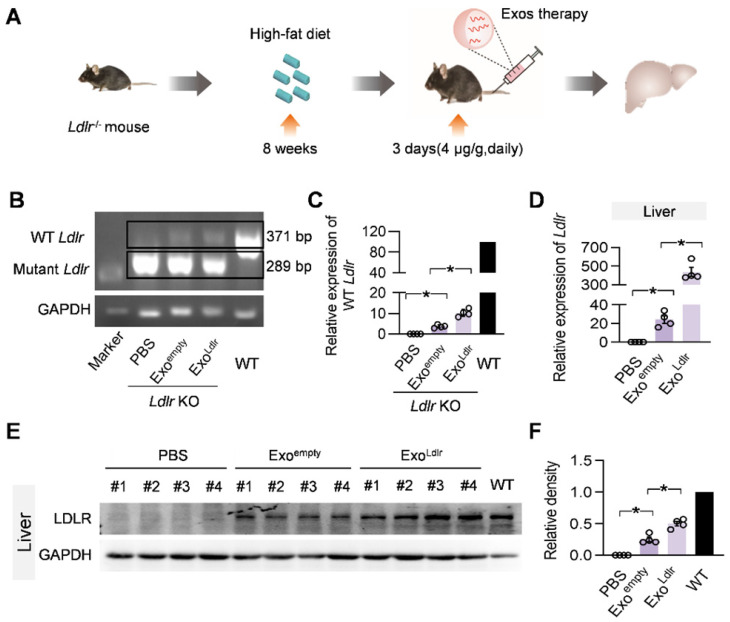
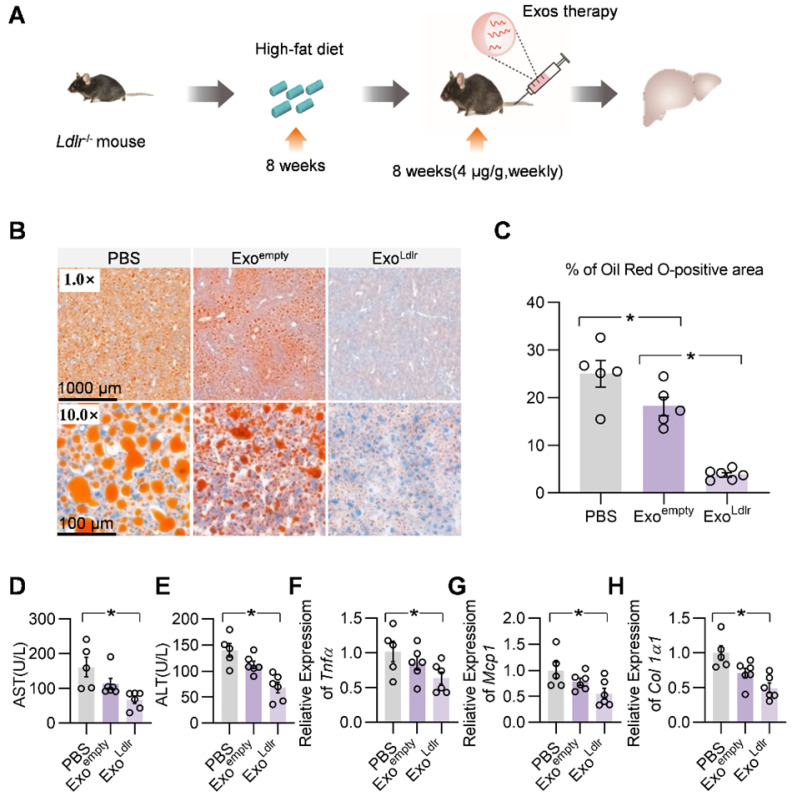
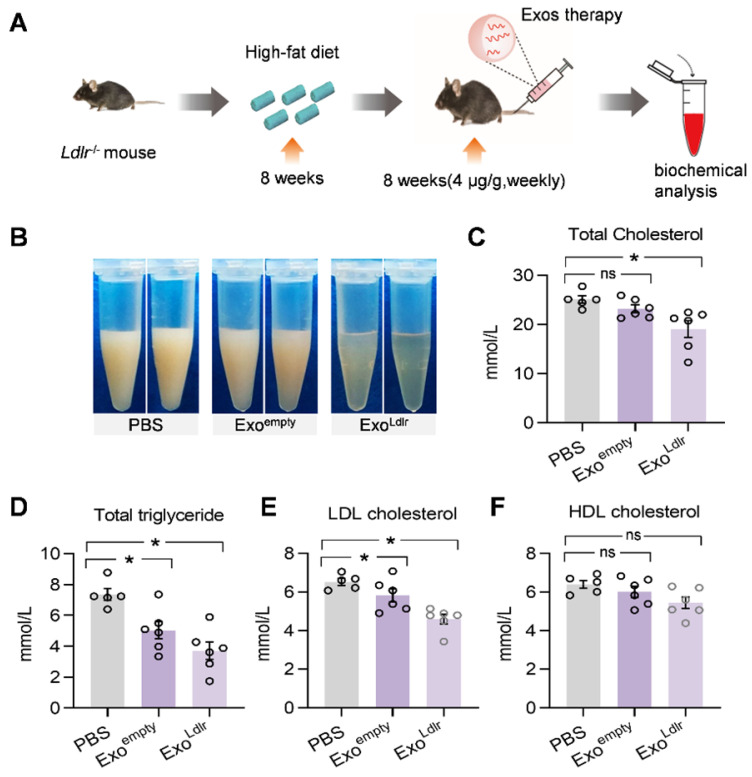
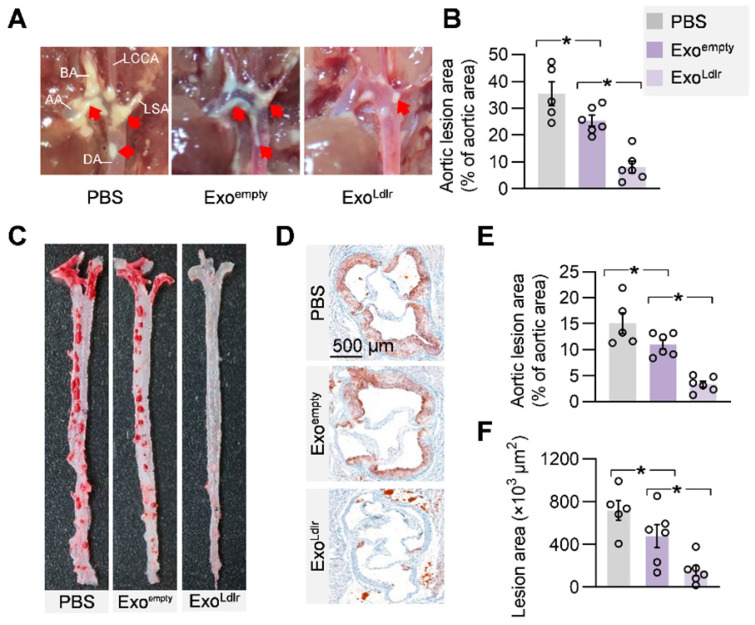
Familial hypercholesterolemia (FH), with high LDL (low-density lipoprotein) cholesterol levels, is due to inherited mutations in genes, such as low-density lipoprotein receptor (LDLR). Development of therapeutic strategies for FH, which causes atherosclerosis and cardiovascular disease, is urgently needed. Mice with low-density lipoprotein receptor deletion ( mice) were used as an FH model. mRNA was encapsulated into exosomes by forced expression of in the donor AML12 (alpha mouse liver) cells, and the resultant exosomes were denoted as Exo. distribution of exosomes was analyzed by fluorescence labeling and imaging. The delivery efficiency of mRNA was analyzed by qPCR and Western blotting. Therapeutic effects of Exo were examined in mice by blood lipids and Oil Red O staining. The encapsulated mRNA was stable and could be translated into functional protein in the recipient cells. Following tail vein injection, exosomes were mainly delivered into the liver, producing abundant LDLR protein, resembling the endogenous expression profile in the wild-type mouse. Compared with control exosomes, Exo treatment significantly decreased lipid deposition in the liver and lowered the serum LDL-cholesterol level. Significantly, the number and size of atherosclerotic plaques and inflammation were reduced in the Exo-treated mice. We have shown that exosome-mediated mRNA delivery effectively restored receptor expression, treating the disorders in the mouse. Our study provided a new therapeutic approach for the treatment of FH patients and managing atherosclerosis.
家族性高胆固醇血症(FH)伴有高 LDL(低密度脂蛋白)胆固醇水平,是由于 LDL 受体(LDLR)等基因的遗传突变所致。迫切需要开发治疗 FH 的治疗策略,FH 可导致动脉粥样硬化和心血管疾病。我们使用 LDLR 缺失(LDLR-/-)小鼠作为 FH 模型。通过在供体 AML12(alpha 鼠肝)细胞中强制表达,将 mRNA 包裹到外泌体中,所得外泌体表示为 Exo。通过荧光标记和成像分析外泌体的分布。通过 qPCR 和 Western blot 分析 mRNA 的递送效率。通过血脂和油红 O 染色检查 Exo 在 LDLR-/-小鼠中的治疗效果。包裹的 mRNA 稳定,并可在受体细胞中翻译成功能性蛋白质。尾静脉注射后,外泌体主要递送至肝脏,产生丰富的 LDLR 蛋白,类似于野生型小鼠中的内源性表达谱。与对照外泌体相比,Exo 处理可显著减少肝脏中的脂质沉积,并降低血清 LDL-胆固醇水平。值得注意的是,在 Exo 处理的小鼠中,动脉粥样硬化斑块的数量和大小以及炎症减少。我们已经表明,外泌体介导的 mRNA 递送有效地恢复了受体表达,治疗了 LDLR-/-小鼠的疾病。我们的研究为 FH 患者的治疗和动脉粥样硬化的管理提供了一种新的治疗方法。