Mohaqiq Zabihullah, Moossavi Maryam, Hemmati Mina, Kazemi Tooba, Mehrpour Omid
Student Research Committee, Birjand University of Medical Sciences, Birjand, Iran.
Department of Biochemistry, Faculty of Medicine, Zanjan University of Medical Sciences, Zanjan, Iran.
Int J Prev Med. 2020 Nov 26;11:184. doi: 10.4103/ijpvm.IJPVM_275_19. eCollection 2020.
Oxidative stress and alteration of lipid profile due to obesity and overweight is a major risk factor for atherosclerotic plaque or coronary artery disease. Because of antioxidant and lipid lowering potential of saffron, this study investigated weight alteration, lipid profiles, and insulin resistance index in high-calorie diet rats treated with aqueous extract of saffron stigma and petal.
Forty Sprague-Dawley male rats were randomly divided into 8 groups including healthy control, high-fat diet control, nicotinic acid treated, treated, and saffron stigma and petal treated groups. Rats received a high-calorie diet for 16 weeks. For treatment, aqueous extract of saffron stigma (40 and 80 mg/kg) and petal (50 and 100 mg/kg) was used once daily for 4 weeks. Afterward, lipid profile, oxidative stress status, and insulin and adiponectin levels were measured using desired kits.
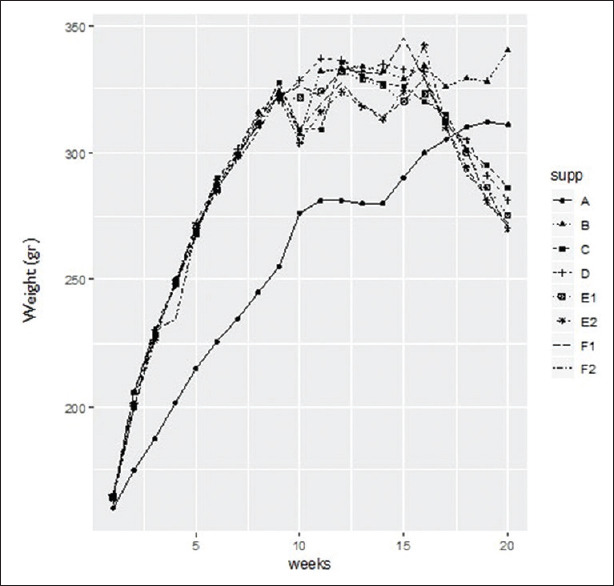
There was a significant decrease in the mean weight of the groups receiving saffron stigma and petal compared to control group ( < 0.05). The increased level of insulin hormone in obese group was improved in treated groups especially in the case of saffron stigma. Also, the decreased level of adiponectin was recovered in treated groups. An improvement was seen in oxidative stress markers and lipid profiles in treated groups compared to obesity pair.
In this study, a remarkable antioxidant and lipid lowering potential was detected for saffron stigma, which could improve insulin resistance in obese rats. Therapeutic and protective effect of saffron is mainly related to its richness in phenolic compounds. Saffron stigma compared with petal had more notable effect, which could and should be mentioned in pharmaceutical studies.
肥胖和超重导致的氧化应激及血脂改变是动脉粥样硬化斑块或冠状动脉疾病的主要危险因素。由于藏红花具有抗氧化和降血脂潜力,本研究调查了用藏红花柱头和花瓣水提取物处理的高热量饮食大鼠的体重变化、血脂谱和胰岛素抵抗指数。
40只雄性Sprague-Dawley大鼠随机分为8组,包括健康对照组、高脂饮食对照组、烟酸处理组、[此处原文缺失处理方式]处理组以及藏红花柱头和花瓣处理组。大鼠接受高热量饮食16周。治疗时,藏红花柱头水提取物(40和80毫克/千克)和花瓣水提取物(50和100毫克/千克)每天使用一次,共4周。之后,使用相应试剂盒测量血脂谱、氧化应激状态以及胰岛素和脂联素水平。
与对照组相比,接受藏红花柱头和花瓣处理的组平均体重显著降低(<0.05)。肥胖组中升高的胰岛素水平在处理组中有所改善,尤其是藏红花柱头处理组。此外,处理组中降低的脂联素水平也得到了恢复。与肥胖对照组相比,处理组的氧化应激标志物和血脂谱有所改善。
在本研究中,检测到藏红花柱头具有显著的抗氧化和降血脂潜力,可改善肥胖大鼠的胰岛素抵抗。藏红花的治疗和保护作用主要与其富含酚类化合物有关。与花瓣相比,藏红花柱头的作用更显著,这在药物研究中值得提及。