Department of Pathology and Laboratory Medicine, Perelman School of Medicine, University of Pennsylvania, Philadelphia, PA, USA.
Department of Microbiology and Immunology, College of Physicians & Surgeons, Columbia University, New York, NY, USA.
Nat Cancer. 2020 May;1(5):507-517. doi: 10.1038/s43018-020-0061-3. Epub 2020 May 18.
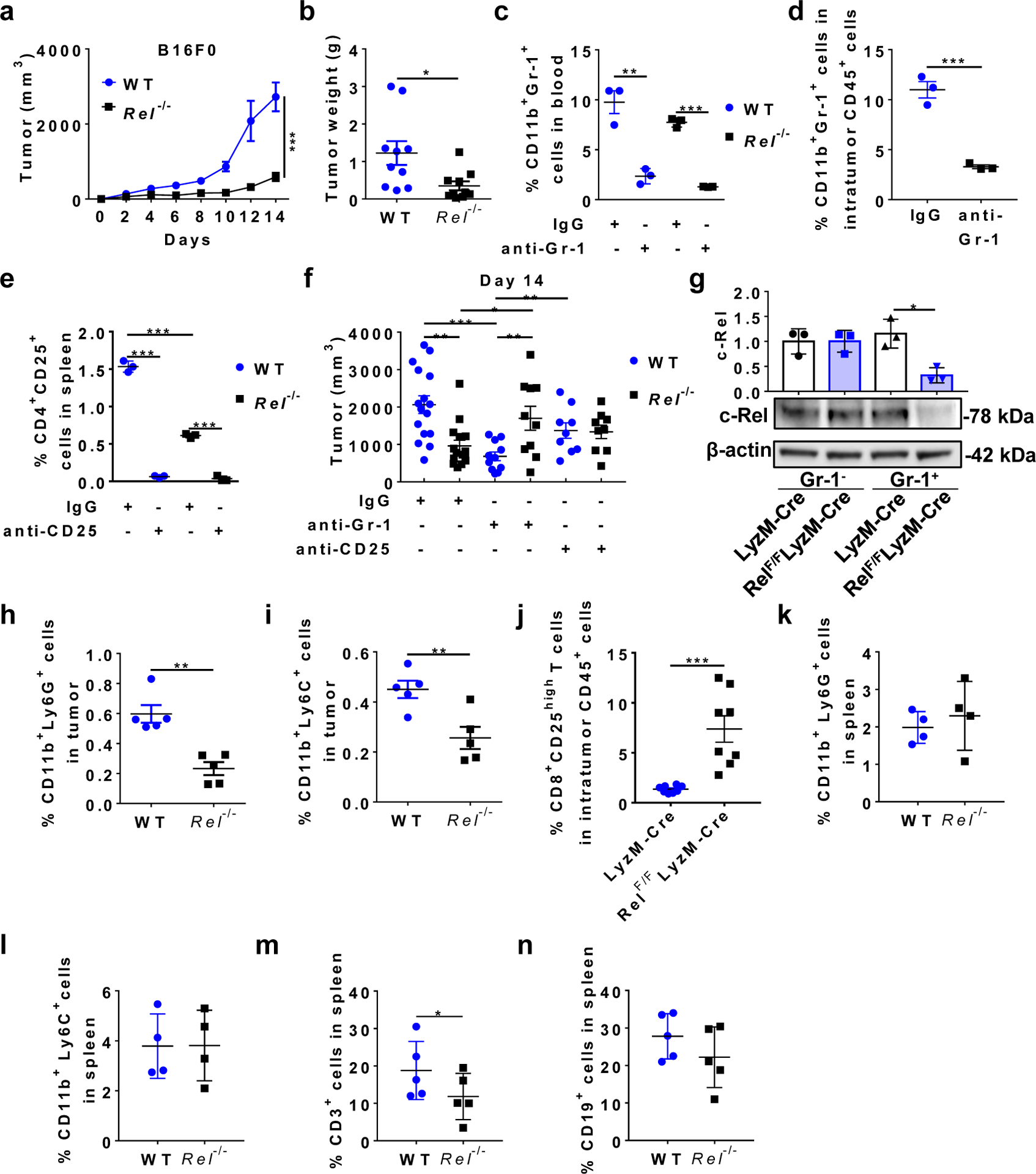
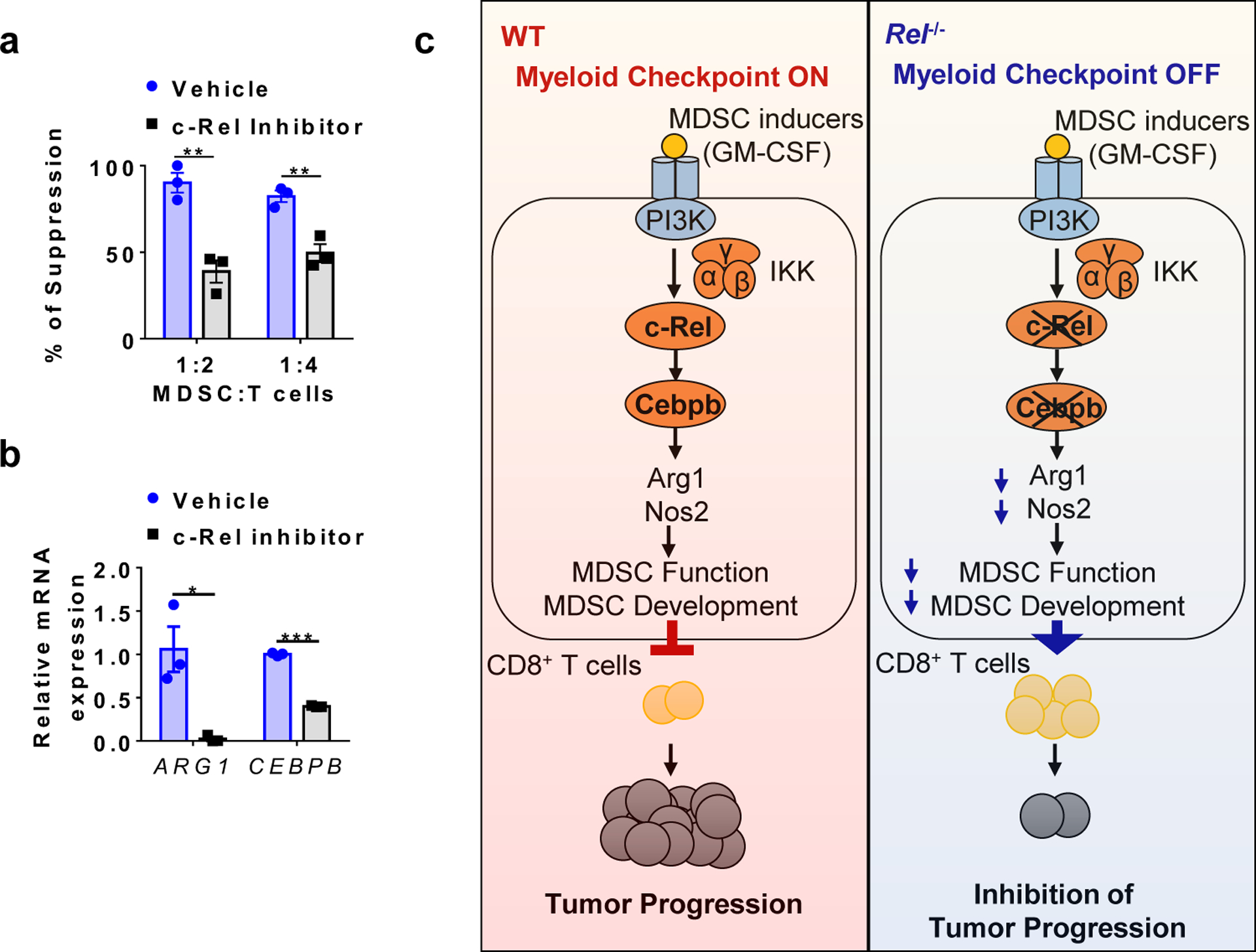
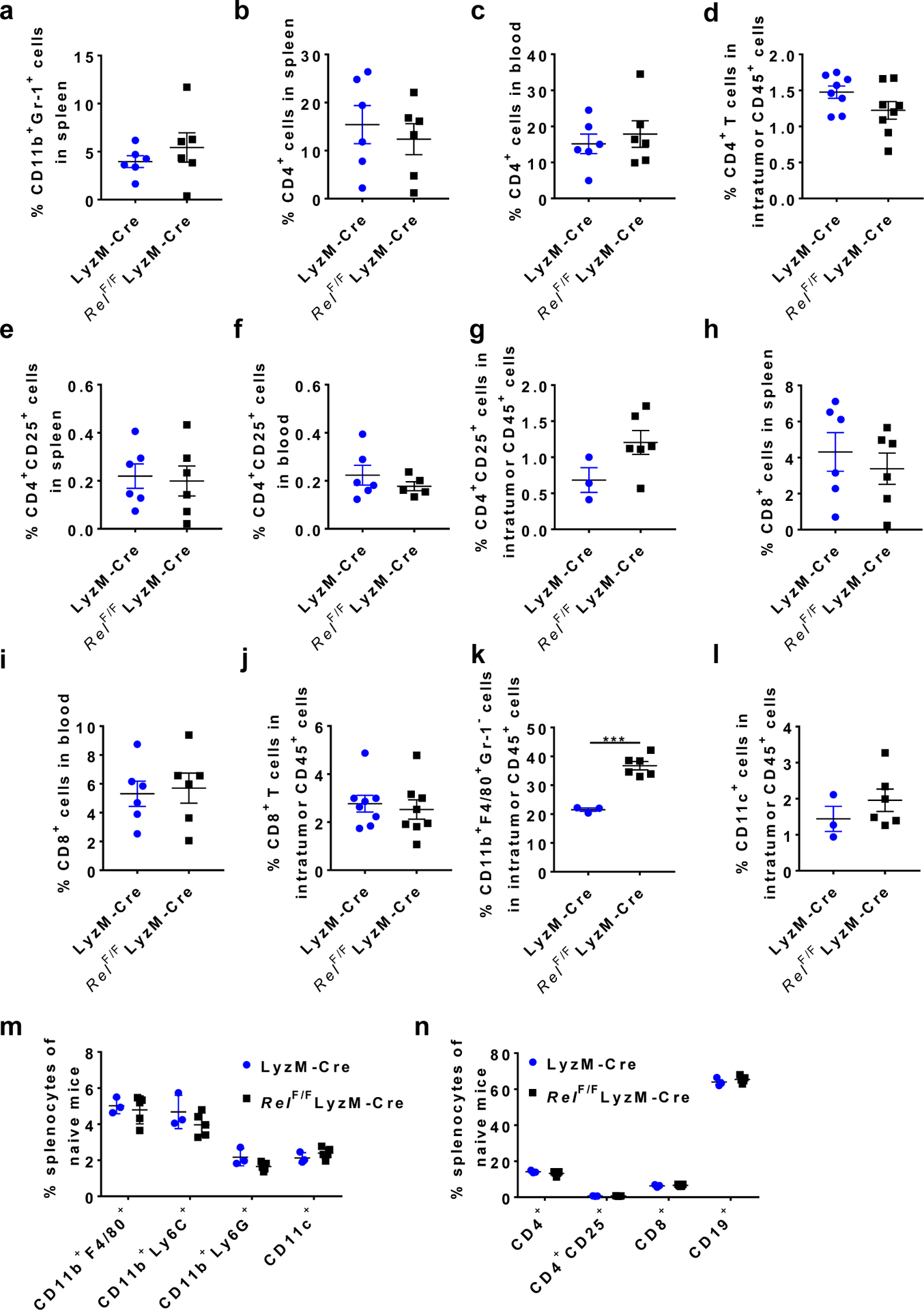
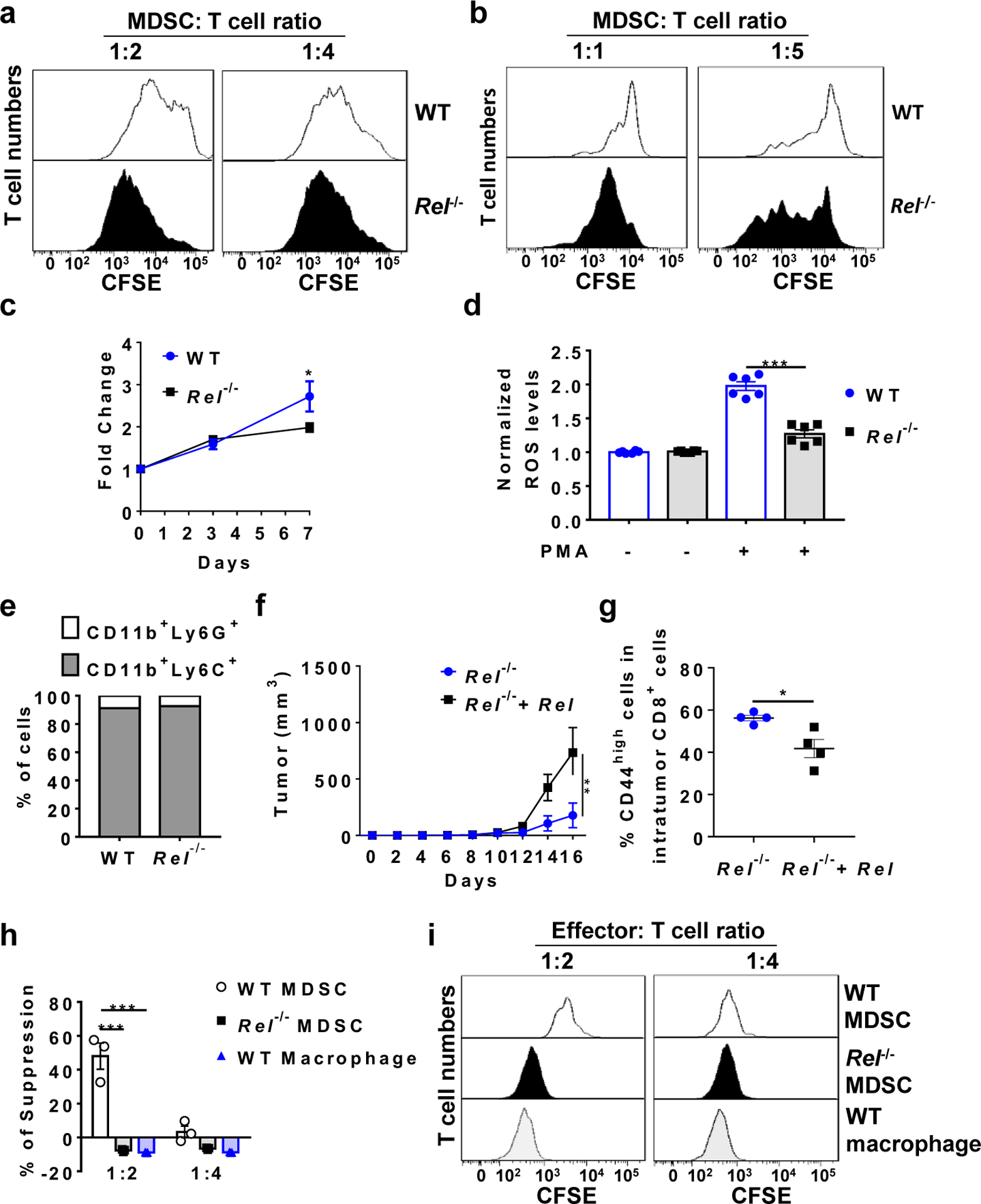
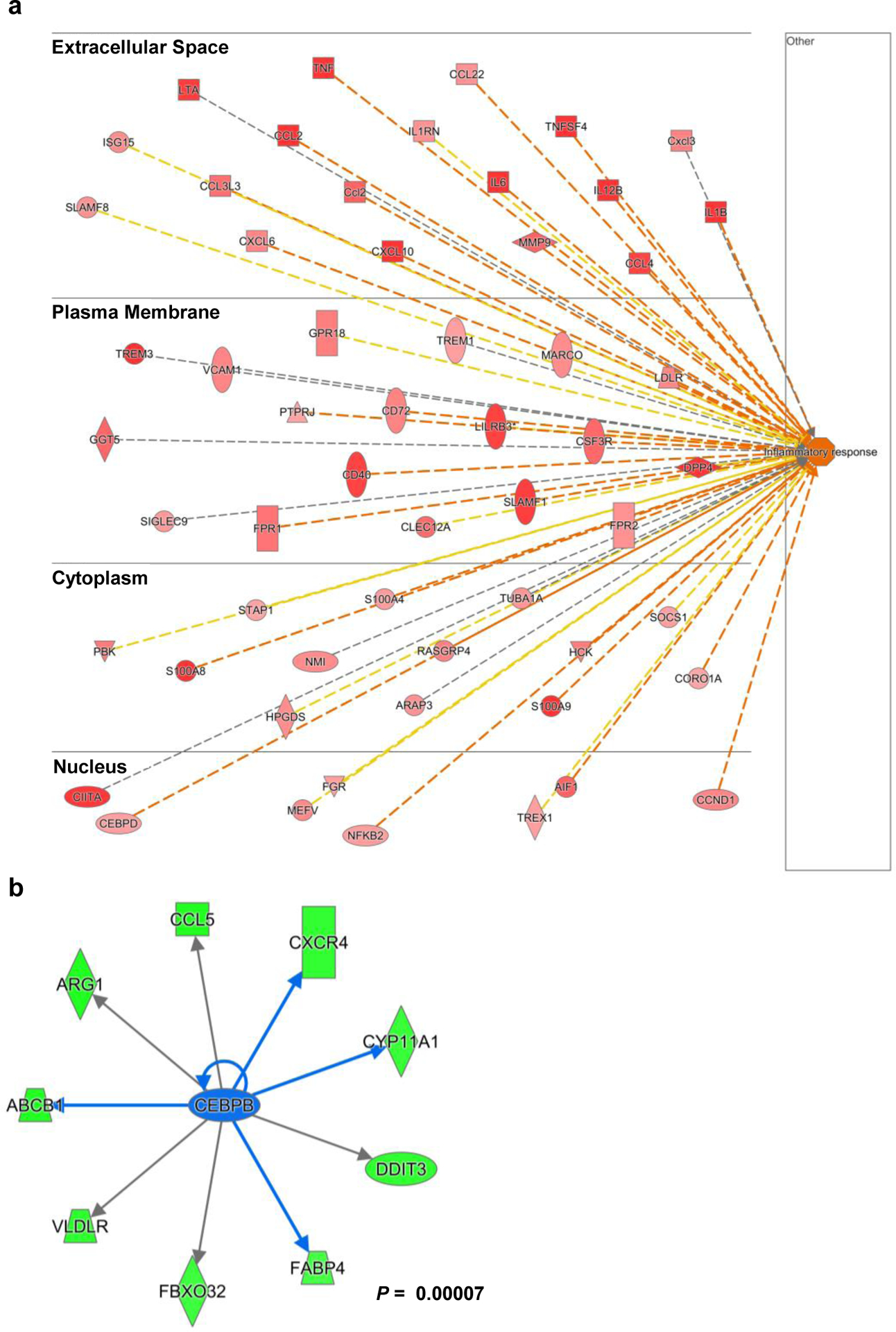
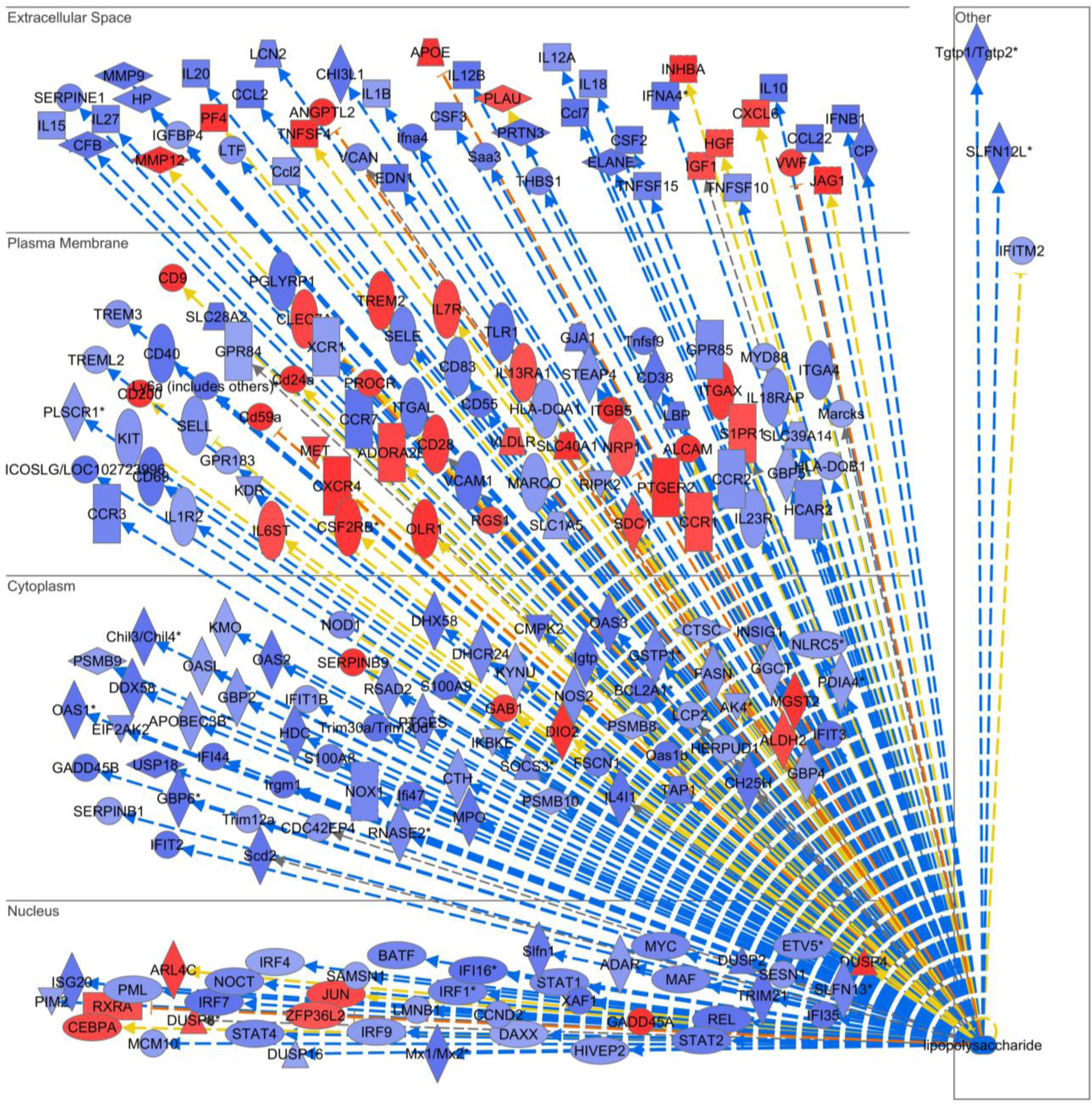
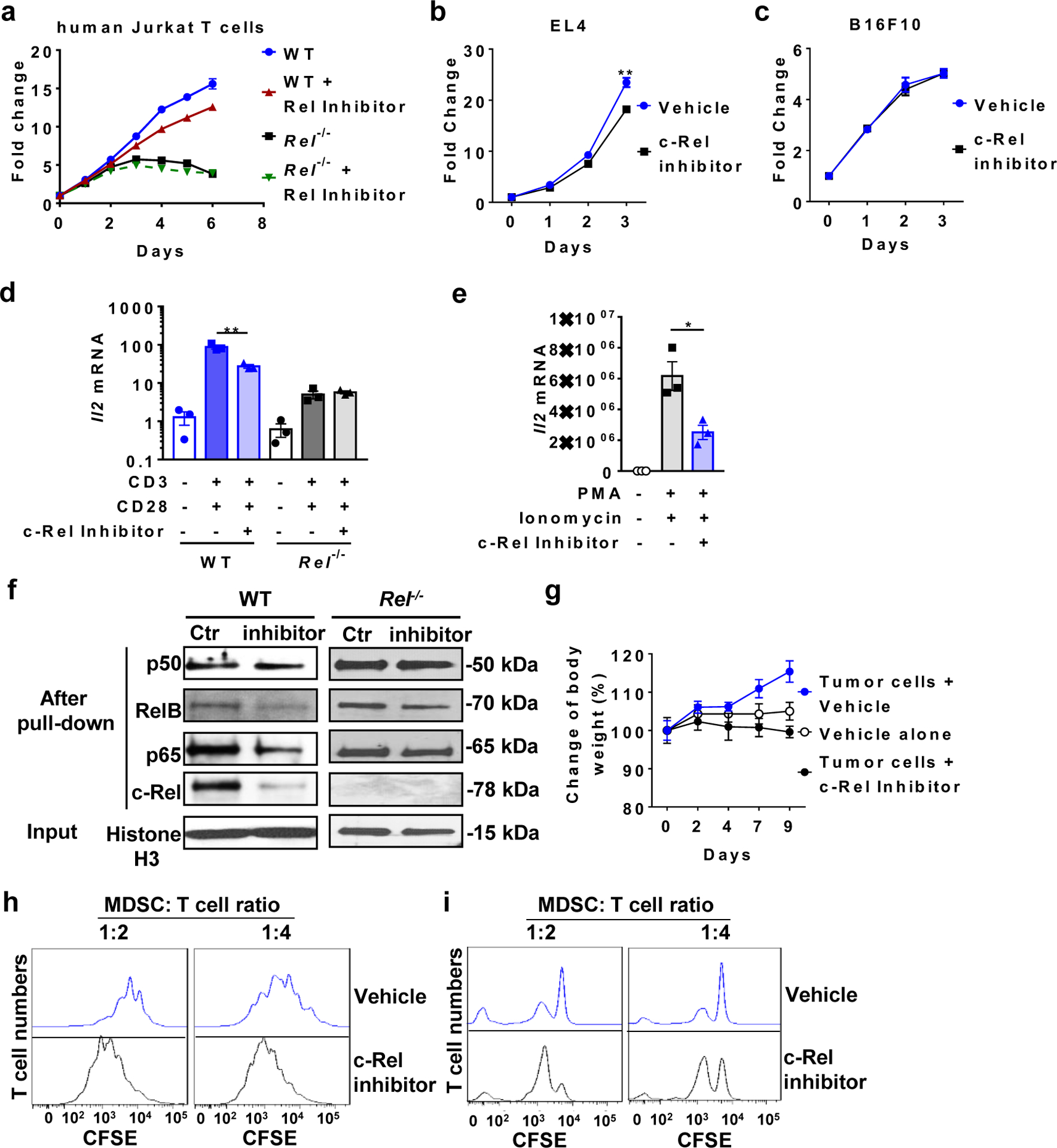
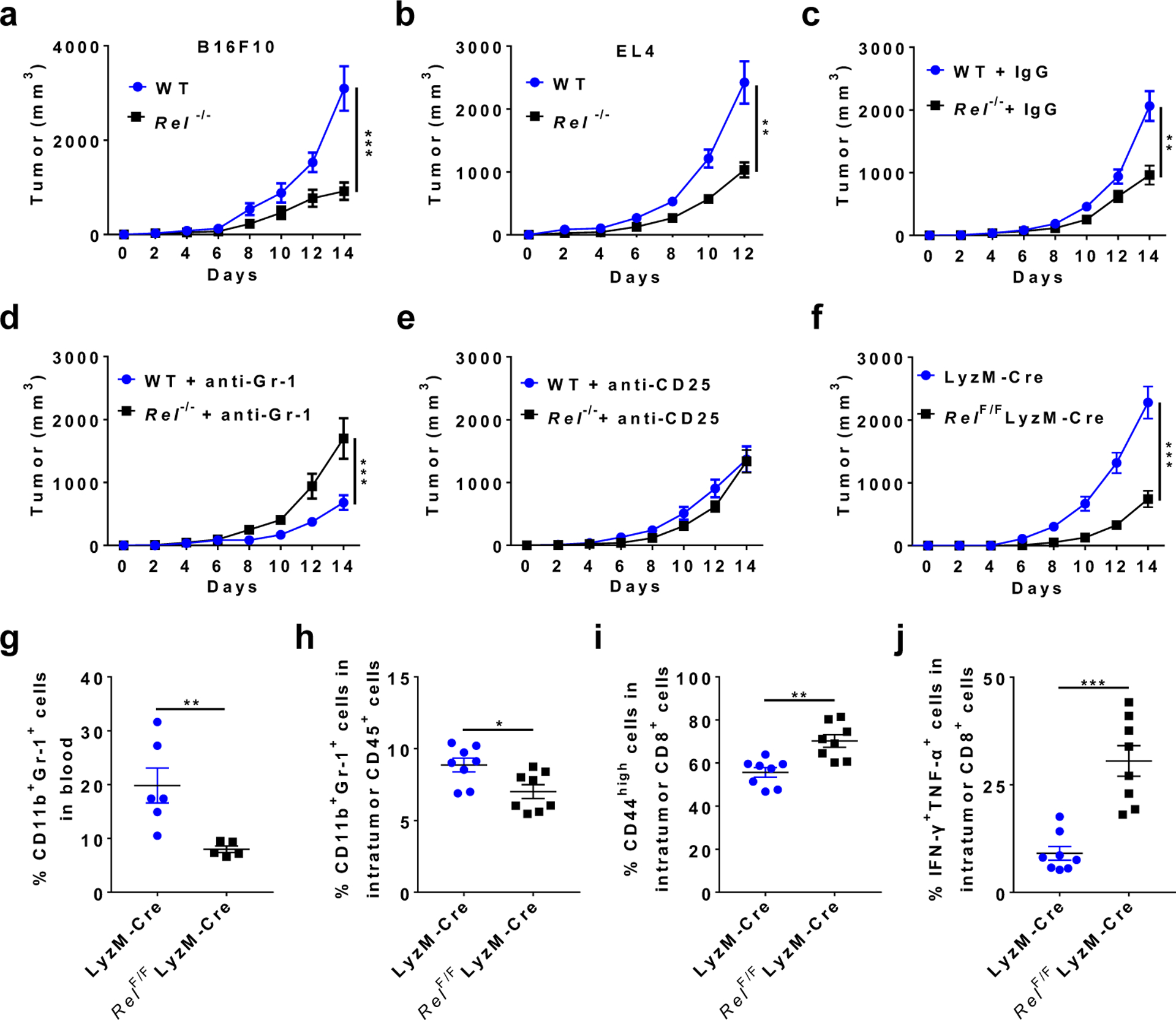
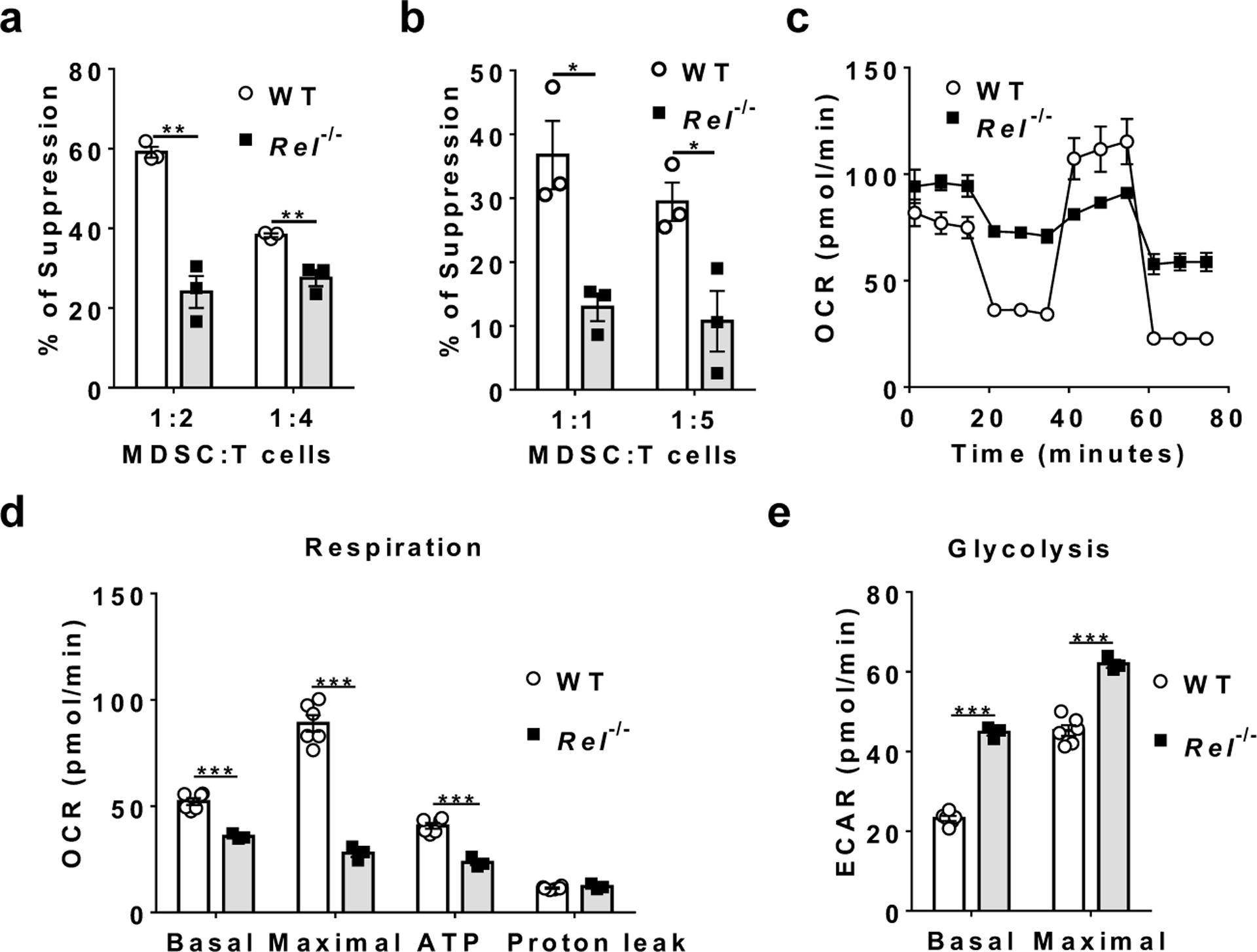
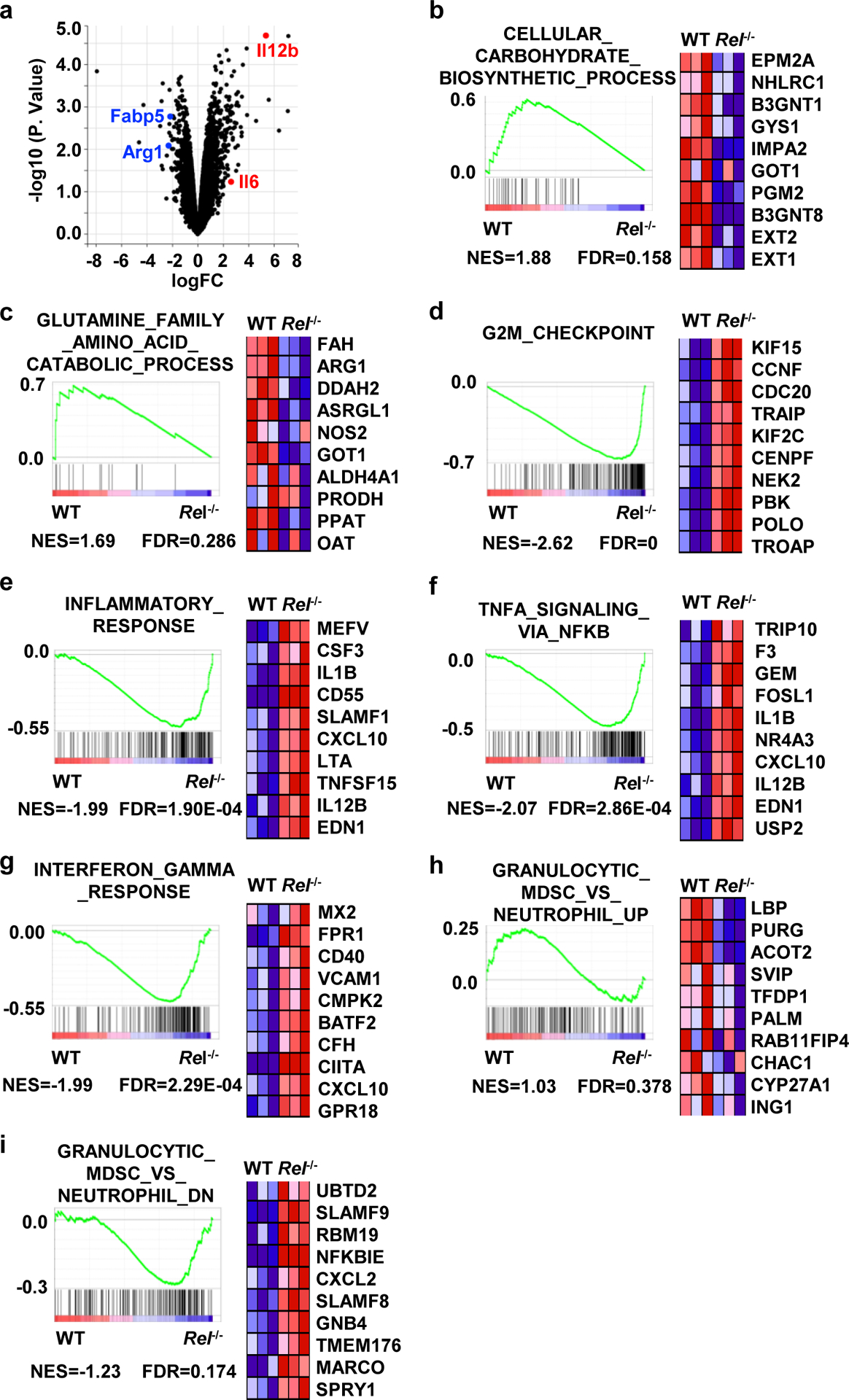
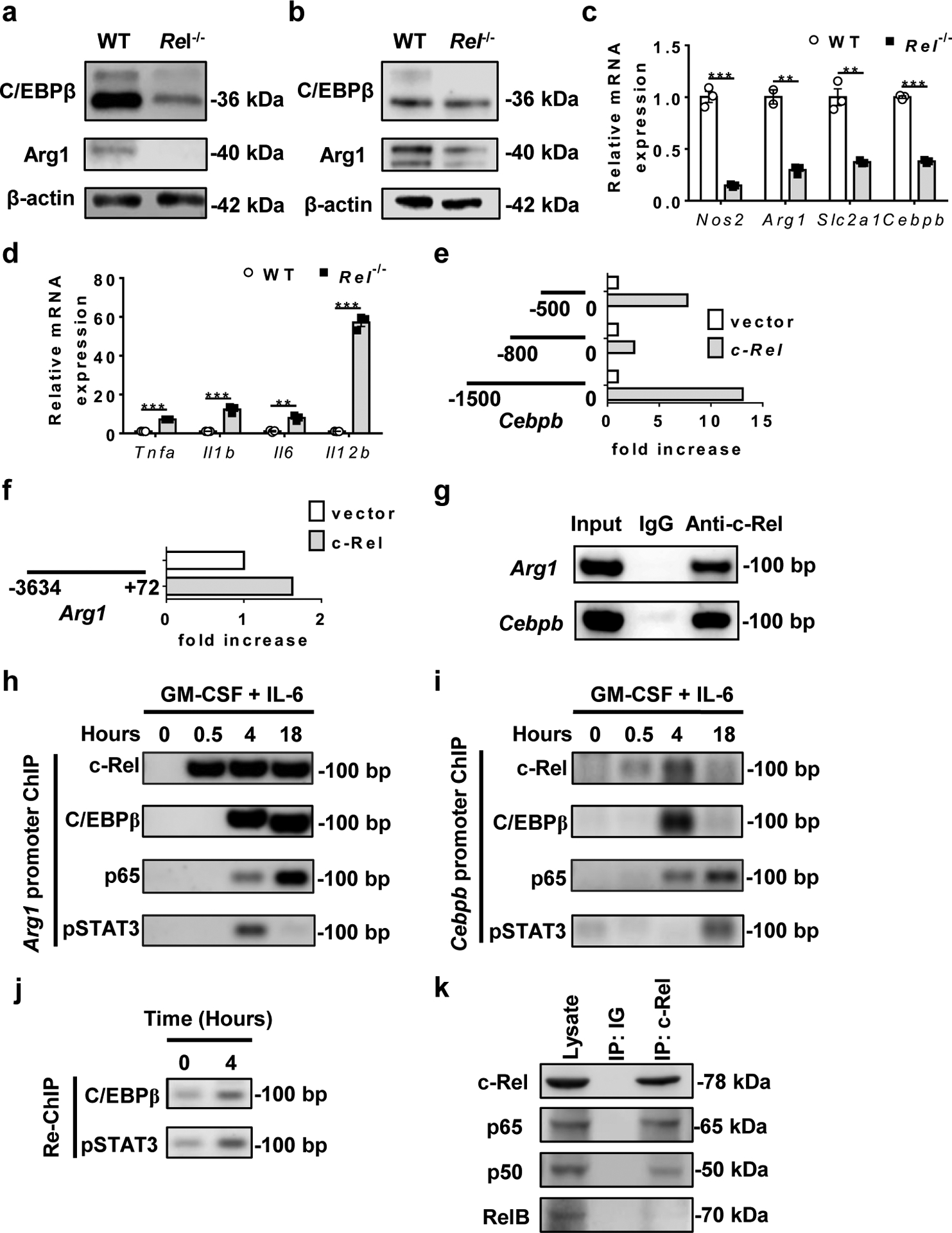
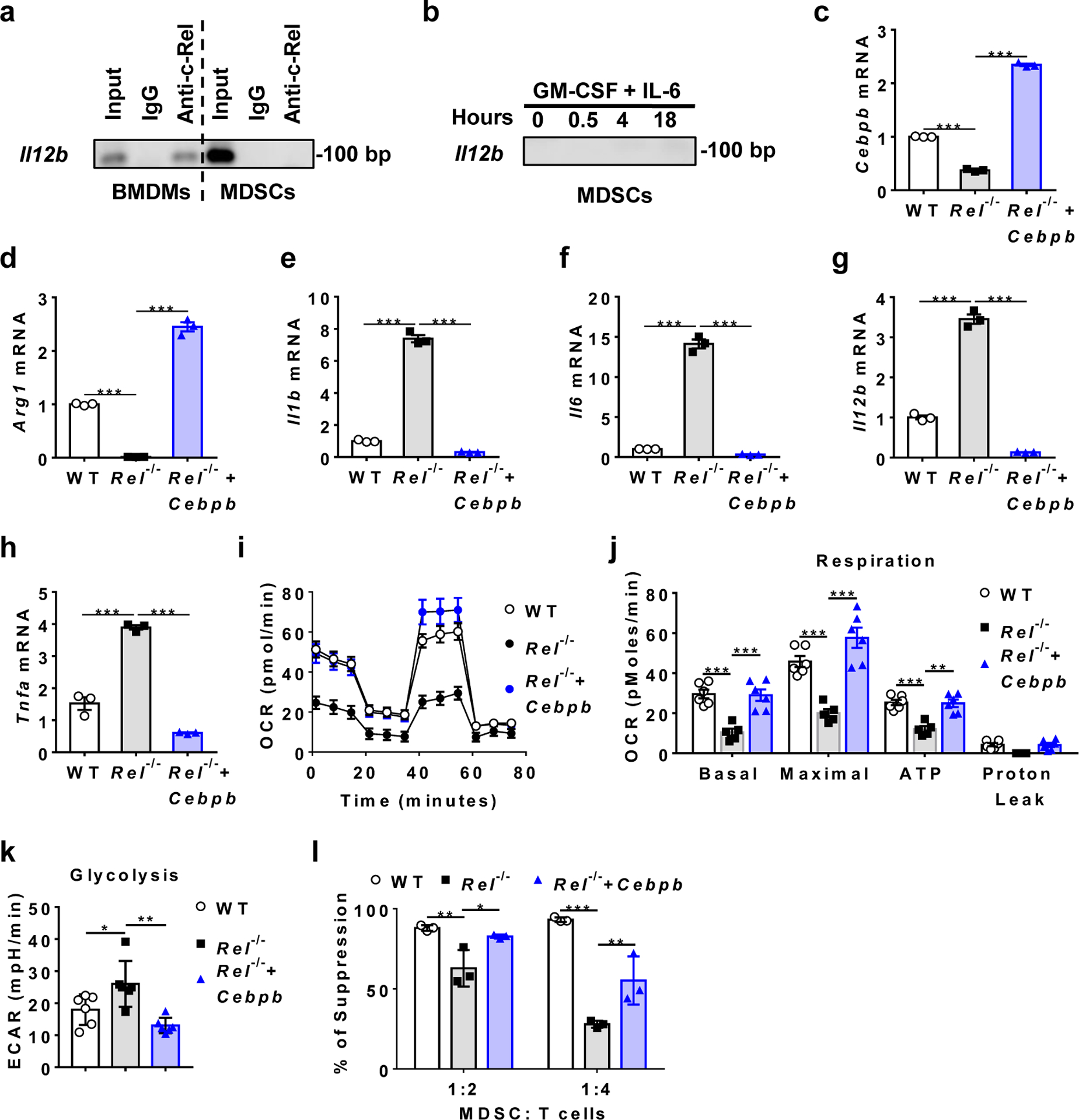
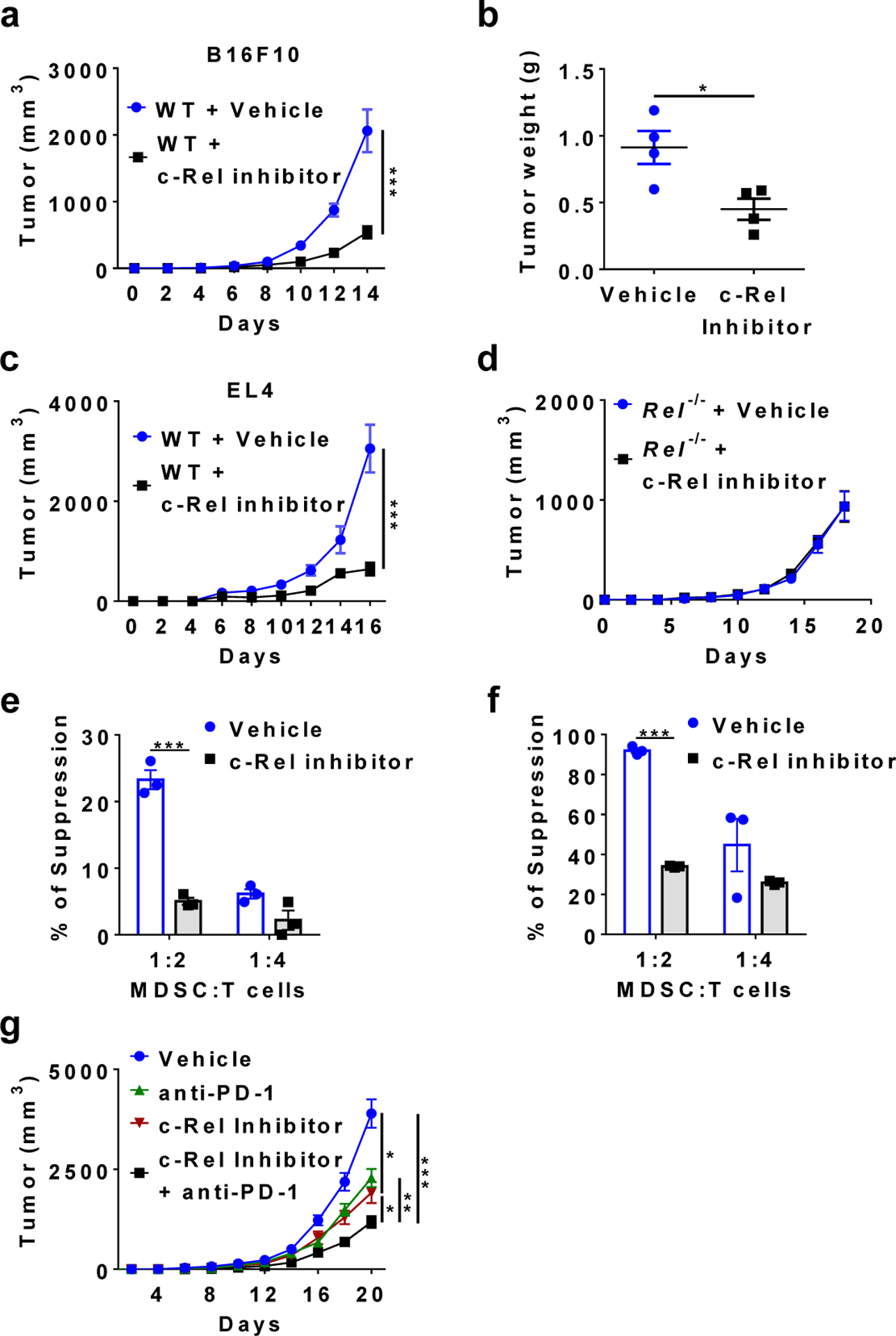
Immunotherapy that targets lymphoid cell checkpoints holds great promise for curing cancer. However, a majority of cancer patients do not respond to this form of therapy. In addition to lymphoid cells, myeloid cells play essential roles in controlling immunity to cancer. Whether myeloid checkpoints exist that can be targeted to treat cancer is not well established. Here we show that c-Rel, a member of the nuclear factor (NF)-B family, specified the generation of myeloid-derived suppressor cells (MDSCs) by selectively turning on pro-tumoral genes while switching off anti-tumoral genes through a c-Rel enhanceosome. c-Rel deficiency in myeloid cells markedly inhibited cancer growth in mice, and pharmaceutical inhibition of c-Rel had the same effect. Combination therapy that blocked both c-Rel and the lymphoid checkpoint protein PD1 was more effective in treating cancer than blocking either alone. Thus, c-Rel is a myeloid checkpoint that can be targeted for treating cancer.
免疫疗法靶向淋巴细胞检查点,为治愈癌症带来了巨大的希望。然而,大多数癌症患者对这种治疗形式没有反应。除了淋巴细胞,髓样细胞在控制癌症免疫方面也起着至关重要的作用。是否存在可以靶向髓样细胞检查点来治疗癌症的靶点尚不清楚。在这里,我们发现核因子 (NF)-B 家族的成员 c-Rel 通过选择性地开启促肿瘤基因,同时关闭抗肿瘤基因,从而特异性地产生髓系来源的抑制细胞 (MDSCs)。髓系细胞中 c-Rel 的缺失显著抑制了小鼠的肿瘤生长,而 c-Rel 的药物抑制也有同样的效果。阻断 c-Rel 和淋巴细胞检查点蛋白 PD1 的联合治疗比单独阻断任何一种都更有效地治疗癌症。因此,c-Rel 是一个可以作为治疗癌症的靶点的髓样细胞检查点。